Collard greens offer a quick-growing option packed with essential vitamins and minerals. Popular in Southern cuisine, these vegetables are easy to cultivate, providing several harvests throughout their season.
These greens thrive in temperatures down to 15°F, making them viable for winter harvests in several US hardiness zones. My experience with collard greens has shown they can be harvested over extended periods, from fall to winter, making them a staple in any vegetable garden.
If you're interested in incorporating collard greens into your garden, let's explore effective ways to cultivate and maintain these plants for maximum yield.
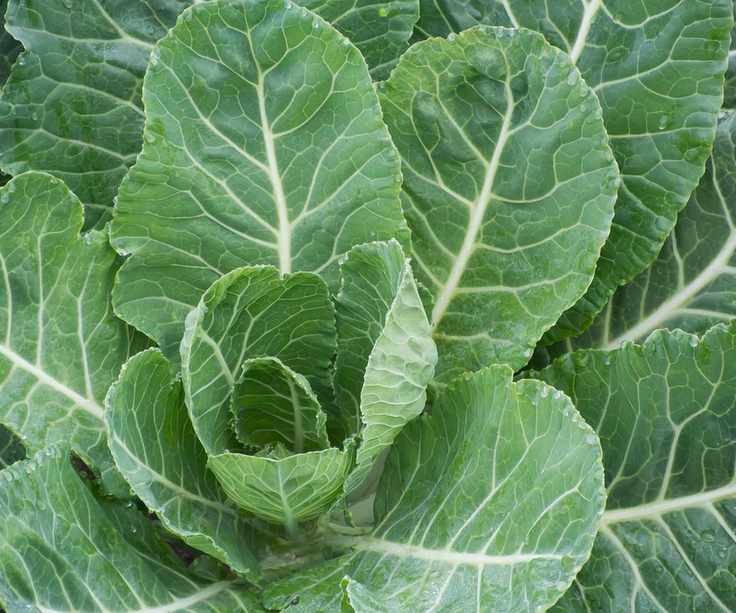
Collard greens belong to the brassica family
Growing Collard Greens: Key Steps
You can grow collard greens from seeds or buy young plants to start your own kitchen garden.
Typically, they are sown in spring, either directly outdoors or via indoor seed starting. Alternatively, consider planting in fall for winter harvests.

These greens are cultivated for their large edible leaves
Sowing Collard Greens from Seeds
Collard greens can be planted in spring for summer yields or from mid-summer to early fall for fall and winter harvests. Depending on the variety, they usually mature in 60 to 80 days.
For spring sowing, choose faster-maturing varieties to avoid bolting when temperatures exceed 85°F. In milder areas, seeds can be directly sown a few weeks before the last spring frost, approximately half an inch deep in rows spaced three feet apart.
In colder regions where frost could affect growth, start seeds indoors in trays filled with quality seed compost, maintaining temperatures of at least 60-70°F.
For late planting to ensure cold season crops, sow seeds 6-8 weeks before your area's first frost. You can opt for longer-maturing types since the risk of bolting will have diminished.
Explore a variety of collard greens seeds available at Burpee

Remove tough stems before cooking collard greens
Planting Collard Greens
Once the risk of frost has passed, plant young collard greens raised indoors or purchased from reliable sources.
These greens thrive in fertile, well-draining soil with a pH between 6.0 and 6.8. Conduct a soil test to ensure optimal conditions and amend the soil as needed to enhance moisture retention and nutrient levels.
According to Jonathan Holmes, a seasoned gardener from Planted Shack, enriching soil with plenty of compost or aged manure is crucial for healthy growth.
For optimal growth, these greens require full sun; less than six hours of direct sunlight daily can hinder their development. Choose the sunniest spot in your garden for planting.
Space the plants 18-24 inches apart and water well after planting. Applying organic mulch, like compost or well-rotted manure, enhances water retention and overall soil health, reducing weeds and improving crop quality.
Regularly check your plants and keep them hydrated. Fertilizing monthly with a slow-release, high-nitrogen product will benefit plant health. You can use Jobe's Organics Blood Meal available at Walmart or even coffee grounds to enrich the soil.

Jonathan is an experienced gardener with over two decades of experience in cultivating food crops. He now enjoys nurturing a thriving garden in his suburban home while advocating for organic gardening practices.

Collard greens thrive in full sunlight
Harvesting Collard Greens
Collard greens grow rapidly, offering quick harvest options. While mature leaves can take 60 days or more to reach full size, young leaves can be harvested in as little as 30 days for an earlier yield.
Experienced gardener Tony O'Neill suggests that picking young leaves promotes ongoing growth. This cut-and-come-again strategy allows for continuous harvesting from the same plant.
For mature leaves, they're ready for harvest when they reach approximately 10 inches in length and display a dark green hue. Harvest these individually to sustain growth, avoiding the removal of more than one-third of the leaves at once.
When harvesting fully grown leaves, Tony advises starting with the lower, older leaves, allowing the center to keep growing for a longer harvest period. Handle the plants gently to avoid damaging the core.
Another method for harvesting is cutting the entire plant about four inches above the ground, encouraging regrowth of new leaves from the remaining stem.
Collard greens can grow up to three feet tall and two feet wide, making it common for gardeners to opt for cutting down the entire plant for a second growth cycle. If you continue picking individual leaves, you may end up with a tall, bare stalk with foliage only at the top.
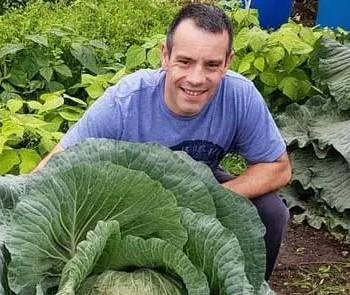
Tony is a gardening expert with 40 years of experience, including 15 years of teaching others through his popular YouTube channel with over 370,000 subscribers.

Collard greens are a staple in Southern cooking
Growing Collard Greens in Containers
Collard greens are adaptable and thrive in pots, making them ideal for container gardens or small spaces such as patios and decks.
Choose containers at least 12 inches in diameter with drainage holes at the bottom. Fill with quality potting soil, avoiding the use of old garden soil or reused potting mixes. A recommended option is Miracle-Gro Potting Mix, available at Amazon.
Place potted collard greens in a sunny location but consider moving them to shadier spots as temperatures rise to prevent bolting.
Plants in containers require more frequent watering and feeding than those in the ground. Incorporate a slow-release fertilizer during planting and continue regular feeding throughout the growing season.
FAQs
What's the growth timeline for collard greens?
Collard greens typically take between 60 to 80 days to mature, depending on the variety and growing conditions.
Can collard greens regrow after cutting?
Yes, collard greens can be harvested multiple times. They can be cut back when half-grown or fully grown and will regenerate, providing a second crop of leaves.
Being part of the brassica family, collard greens should be grown alongside other brassicas like cabbages and kales. When establishing a vegetable garden, implementing a crop rotation strategy benefits your soil health while managing pests and diseases.