
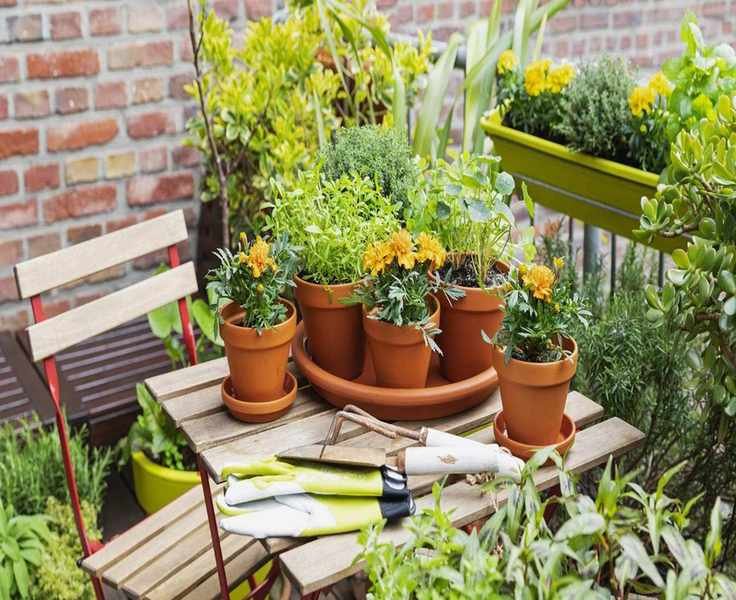
Marigolds are beloved for their vibrant colors, making them a fantastic choice for container gardening. These annual flowers vary in height, from a few inches to several feet, and thrive beautifully in pots.
Not only do marigolds add visual appeal, but they also serve a purpose in your garden. I've cultivated marigolds in containers to enchant guests with their bright flowers while simultaneously protecting vegetable crops by deterring pests.
To successfully grow marigolds in pots, focus on five crucial aspects that will ensure your plants flourish and provide a stunning floral display.
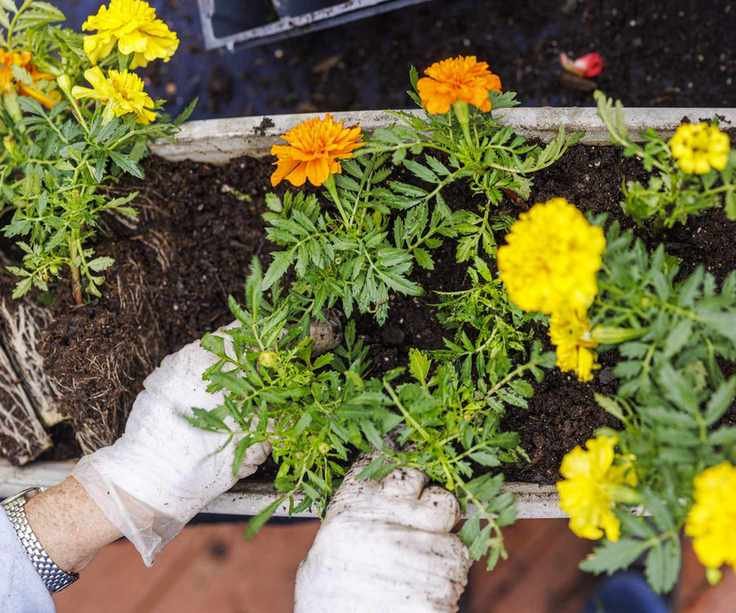
Plant marigolds in pots during spring for vibrant summer blooms
Growing Marigolds in Containers: 5 Key Steps
If space is limited, cultivating marigolds in pots offers numerous advantages. This method allows you to showcase marigolds on a deck, patio, or balcony, and they are relatively easy to care for in containers. Choosing the right pot, soil, and care practices will lead to thriving marigolds.
Selecting the Right Pot and Soil

Marigolds come in a variety of warm hues and sizes
Different marigold varieties can flourish in pots, but the type determines the necessary pot size for optimal growth. The three main varieties are French, African, and Signet marigolds, ranging from 3-4 feet tall to as short as 6 inches.
African marigolds (Tagetes erecta) are the largest and require a spacious pot for a stunning display. Aileen Carrol from a local garden center suggests, "Use a large container, such as a half-wine barrel or one that is 18-24 inches in diameter. These marigolds boast impressive blooms and often grow taller than wide."
French marigolds (Tagetes patula) are more compact, reaching heights of 6-12 inches, and thrive in pots measuring 8-12 inches in diameter. Signet marigolds (Tagetes tenuifolia) are the smallest, comfortable in 6-8 inch containers.
Choose any material for your planter, but ensure it has adequate drainage holes to prevent excess water accumulation. Marigolds dislike soggy soil, which can lead to root rot.
Use a rich, well-draining potting mix. Enhance drainage by adding horticultural grit, perlite, or vermiculite. Additionally, mix in some slow-release fertilizer to supply essential nutrients throughout the growing season.
Choose Seeds or Young Plants

Plant marigold seeds for container displays
Marigolds are readily available at nurseries in spring for immediate planting. Opting for young plants is a quick way to start, but growing marigolds from seed can be an enjoyable experience.
Start seeds indoors in trays about 6-8 weeks before the last frost, ensuring they germinate at temperatures of 70-75°F in a warm space. Once seedlings are manageable, transfer them to small pots. After hardening them off in a cold frame, transplant them into their final containers once frost danger has passed.
When placing marigolds in pots, whether store-bought or homegrown, create a hole in the soil, position the plant, and fill in with soil, ensuring to water well afterward.
Finding the Ideal Location

Position pots of marigolds in sunny areas
Marigolds thrive in sunny locations, ideally receiving at least six hours of sunlight daily. More sun leads to better flowering, so choose the sunniest spot in your garden for your marigold container. Taller African marigolds may need wind protection with stakes.
Regularly Water and Feed Your Plants

Marigolds enhance various pot shapes and sizes
Consistent watering is vital for your marigolds. Keep them moist for the initial weeks and monitor them throughout the growing season for optimal moisture levels.
Marigolds in containers require more frequent watering than those in garden beds. It's crucial to check soil moisture regularly. If the top layer feels dry, it's time to water. However, avoid overwatering, especially during the hot months. A good rule is to water deeply but less often.
Fertilizing is another essential aspect of marigold care. Along with slow-release fertilizer, consider applying a balanced, water-soluble fertilizer diluted to half strength every 2-4 weeks throughout the growing season to promote healthy blooms.
Regularly Deadhead Spent Blooms
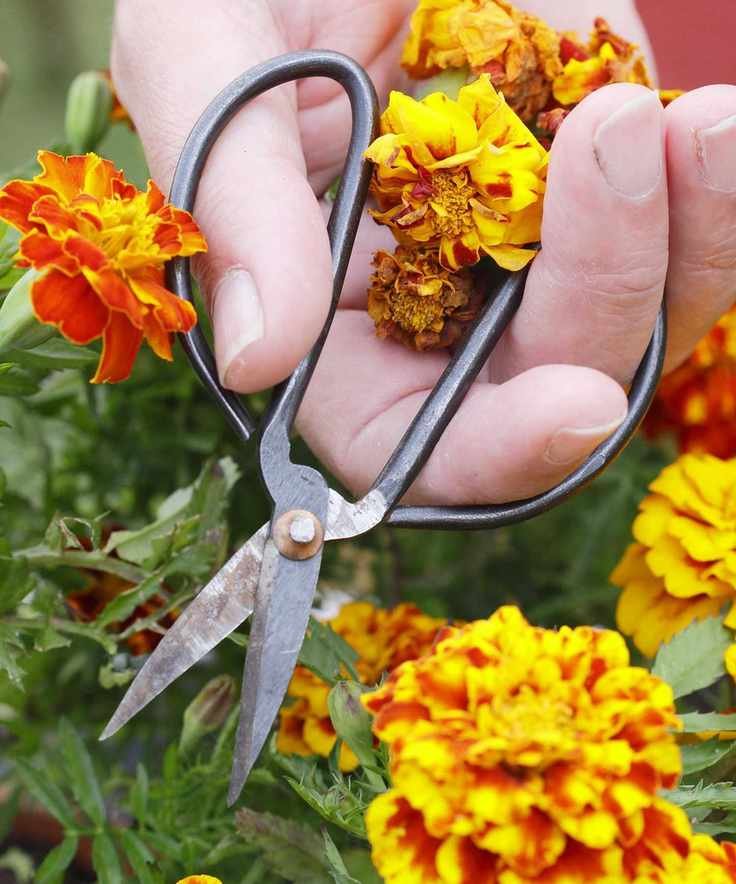
Deadhead marigolds for extended flowering
While not mandatory, deadheading marigolds greatly enhances flowering duration. Trim old blooms just above a healthy set of leaves using clean pruning shears.
This practice not only extends the flowering season but also prevents self-seeding and keeps your plants looking tidy.
Common Questions
Can Marigolds Thrive in Window Boxes?
Marigolds can be planted in window boxes, either alone or with other plants. Ensure the box is deep and wide enough for the specific variety; smaller French and Signet marigolds are more suitable for window boxes than larger African types.
Are Marigolds Better in Pots or in the Ground?
Marigolds adapt well to pots, raised beds, or flower borders. The choice depends on your available space and setup. Get the pot size, soil, and care right, and marigolds will flourish in both settings.
In addition to their beauty, marigolds are excellent for companion planting, effectively repelling pests from vegetable gardens. They deter bugs, acting as a natural insect repellent alongside tomatoes, cucumbers, and eggplants.


