
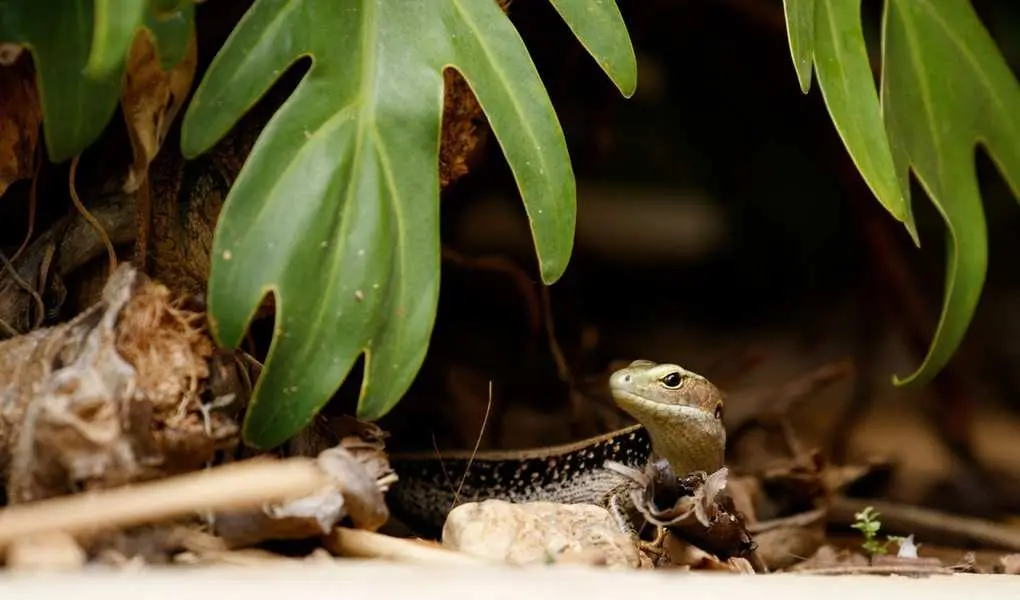
Lizards may not pose a threat, but they can be unsightly and unwelcome in your space.
These creatures play a vital role in managing pests and can help limit the spread of certain diseases, like Lyme disease. However, their presence in our homes isn't always appreciated.
To ensure a safe removal, it's essential to employ humane methods for getting lizards out of your home and yard. Here are some considerate and straightforward strategies to help you achieve this.
Effective Techniques for Removing Lizards
Similar to removing mice, lizards can be tricky to catch due to their small size and ability to hide in tight spots. The house gecko is particularly known for being a common indoor visitor in the US.
These reptiles venture inside in search of food, water, and warmth. With urban development encroaching on natural habitats, lizards have adapted to living alongside humans, making them less fearful of our presence.
If lizards have made their way into your home, there are effective ways to encourage them to leave.
1. Eliminate Insects to Reduce Food Sources

Just like removing moles, lizards are often drawn to areas where food is plentiful. Common insects like ants, roaches, and beetles serve as a primary food source for these reptiles and can frequently be found around your property.
To quickly diminish insect populations, consider creating a DIY bug spray. This spray can be effectively used indoors and in your garden to eliminate common plant pests.
Another option for your outdoor space is companion planting, which naturally protects your plants from pests while enhancing your garden's beauty.
2. Utilize Natural Repellents

Lizards tend to avoid strong scents, particularly those of hot spices. To deter them, mix cayenne pepper or Tabasco sauce with water and spray it around entry points.
3. Catch and Release Lizards

Successfully catching and releasing a lizard can be challenging due to their speed, but it's the most reliable method for removal.
When you spot a lizard, gently mist it with cold water to slow it down. Then, carefully place a container over it and slide a piece of paper underneath to trap it. Avoid direct contact with the lizard. Relocate it far from your property, ideally to a lush area where it can thrive.
4. Seal Possible Entry Points

Prevent lizards from entering your home by identifying and sealing off any gaps or openings.
Use caulking for small holes and meshes for larger ones. Installing weather stripping around doors and windows, along with mesh screens, can help keep both lizards and insects outside.
5. Plant Species that Deter Lizards

Another effective strategy is to introduce plants that repel lizards to your outdoor spaces.
Consider planting peppermint, eucalyptus, and pencil trees, as lizards dislike their scents. Incorporating these into your backyard designs can help keep lizards away.
If you're keen on preventing all types of reptiles, planting snake-repellent plants can further discourage their presence.
6. Maintain a Tidy Yard and Porch
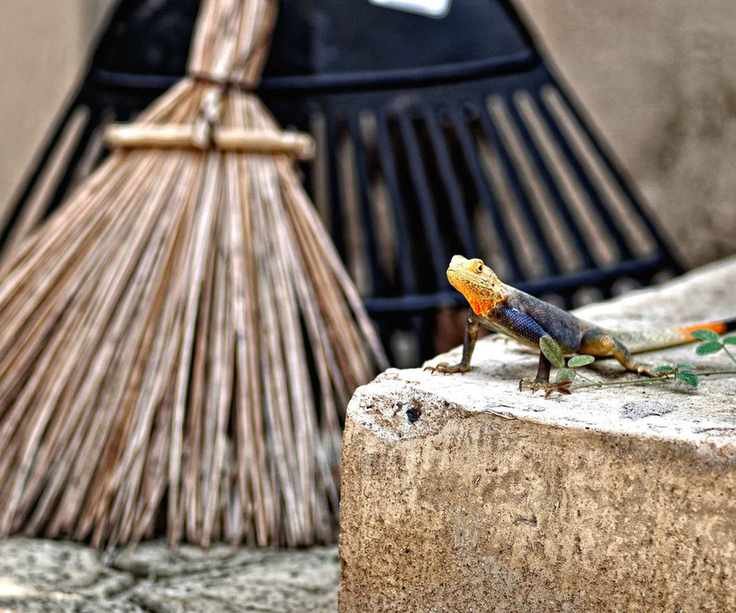
Keeping your backyard and porch organized is crucial in deterring lizards. Overgrown areas can provide ideal hiding spots and warmth for them.
Regularly trim your landscaping, clear away debris, and sweep your porches to minimize insect populations and reduce the chances for lizards to find cover. Additionally, eliminate standing water, which can attract pests.
Don't Rely on Eggshells as a Deterrent
A common myth suggests that crushed eggshells repel lizards. However, there's no scientific backing for this claim. In fact, lizards may see eggshells as a nutritious snack!
How Can I Permanently Get Rid of Lizards?
To ensure lizards don't return, address any insect issues both indoors and outdoors, seal entry points, and secure food and water sources. Keeping your home clean and regularly sweeping your porch will further discourage lizards from lingering outside. After removing them, thoroughly check to ensure no lizards remain.



