In my 20s, I clung to every item with sentimental value. Now, I relish discovering efficient decluttering techniques that help eliminate unnecessary clutter in my compact kitchen.
That's why I experimented with the Upside Down decluttering method in my busiest kitchen cabinet, home to coffee mugs and glasses. It made deciding what to keep or toss easy, without any second-guessing.
What Is the Upside Down Decluttering Method?
To use this method, flip items upside down and monitor usage over a set period, like a week. Anything still upside down after that timeframe can be donated, sold, recycled, or discarded.
Professional organizer Rebecca Jo-Rushdy from Spark Joy & Flow explains that this method shines when used purposefully. Some items are naturally stored upside down, so to avoid confusion, it's essential to be clear about your approach. The method's strength lies in its visual signal, which is especially effective for neurodivergent individuals.
If flipping isn't ideal, consider using sticky notes as visual cues, similar to the Post-it Note decluttering method. I recommend the Beachside Cafe Collection Post-it tabs from Amazon, as they're small and leave no residue.
Rebecca adds that this method is particularly effective after someone has already decluttered using the KonMari approach. It serves as a gentle second step for items that remain uncertain.
If you find decluttering overwhelming or struggle to part with sentimental items, this method is worth a shot.
How to Implement It
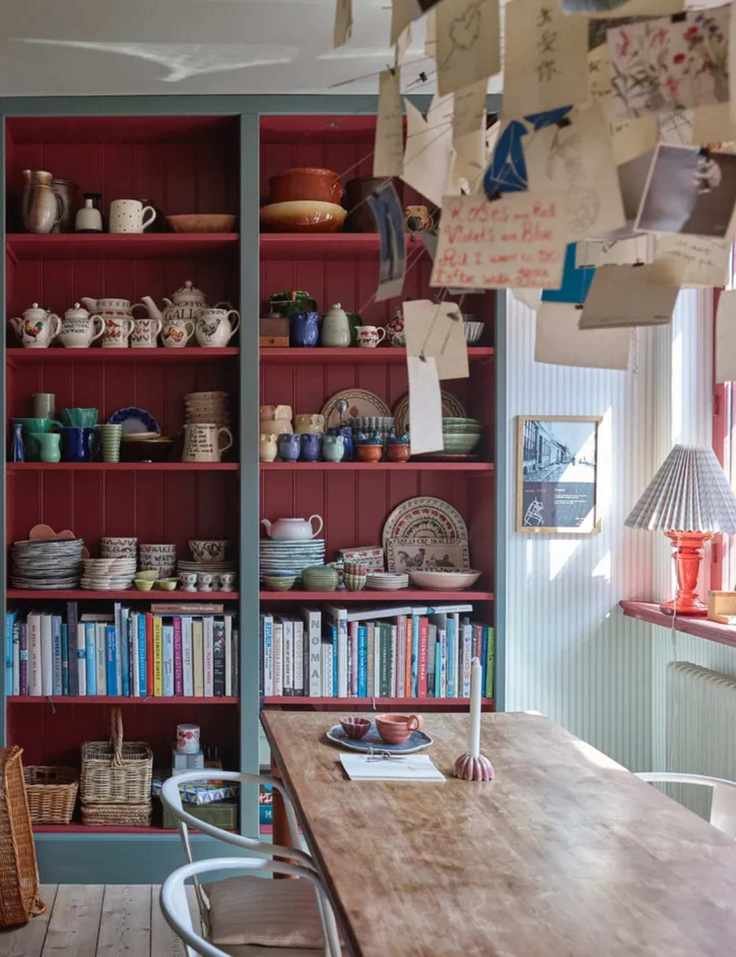
Choose an area to clear and set a timeframe for this method.
Rebecca shares some practical tips to enhance this low-stress technique that simplifies the decision-making process:
- Set a specific timeframe: A duration of 30-90 days often works well, depending on the area. For high-use areas, just a few days may suffice.
- Focus on frequently used items: This includes mugs, bowls, containers, spices, or utensils.
- Maintain consistency: When using an item, return it to its original position. This creates a satisfying feedback loop.
Rebecca emphasizes the importance of having an exit strategy. Keep a donation box handy to prevent decluttered items from creeping back into your cabinets, similar to clothes we hold onto but don't wear.
After a week of using the Upside Down method, I realized my husband Andy and I favored only a few mugs. He always reached for two favorite cups: one with Best Dad on it, a gift from our daughter, and another representing his beloved football team, Arsenal. He won't part with those!
As for me, I thought I cherished all my large glass mugs, a cultural preference, but I realized I only liked the wide-base ones. Consequently, I could donate several slimmer, beautiful mugs, making space on the shelf.
We kept a couple of mugs for guests, but the rest were either trashed, recycled, or donated. We also kept all six of our water glasses, which are used daily.
This straightforward method helped me declutter two-thirds of my kitchen shelf space, allowing me to relocate frequently used items to a more accessible area. This is vital for me, as chronic pain makes bending difficult.
Conclusion: I rate this method a perfect 10/10 for its simplicity and effectiveness. The visual cues made the process effortless.
Other Uses for the Upside Down Method
Robin Antill, founder of 1st Choice Leisure Buildings, suggests trying an Upside-Down Day. Flip everyday items like books and shoes upside down for one day. The next day, return them upright as you use them. This reveals what you frequently use versus what simply occupies space.
You can adapt this method in your closet using the Reverse Hanger technique. Turn all hangers backward, and as you use items, they return to their original orientation. This visually tracks neglected items and helps decide what to keep or discard when the season changes.
What to Shop
 Set of three
These chic and practical wicker baskets help hide clutter while you complete your organizing projects.
 Zipper closure
These machine-washable reusable bags are lightweight yet durable, effortlessly holding up to 50 lbs of groceries.
 Tool-free installation
With no need for drilling, this under-shelf drawer adds handy storage for dry foods and more, enhancing organization.
 Four pack
These lightweight yet sturdy organizers help tidy pantry shelves or make items in low cabinets easily accessible.
 Great for organizing
This extendable bamboo spice rack is eco-friendly and enhances visibility, preventing duplicate purchases.
 Editor's pick
These lid holders streamlined my corner cabinet, preventing clutter from pot and pan lids.
Meet the Expert

With a design background from Parsons School of Design, Rebecca is a KonMari success coach and professional organizer. She helps clients worldwide to create homes and spaces that inspire joy. She appreciates the accessibility of the Upside Down method.