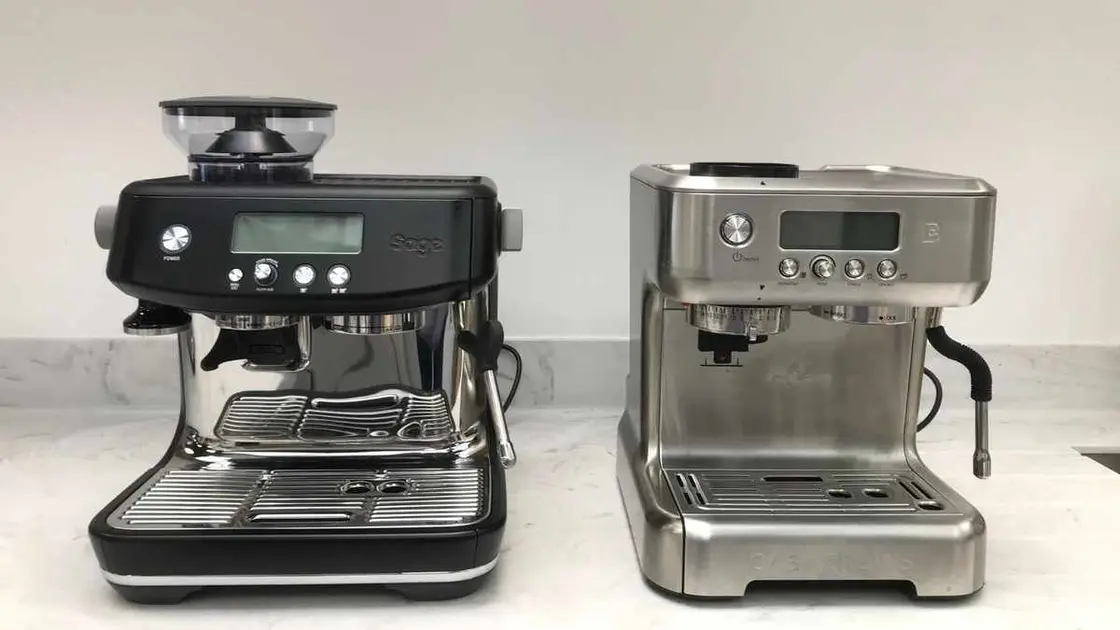
Searching for a coffee maker can be overwhelming, especially with all the technical jargon and specifications. The coffee world is filled with passionate enthusiasts, which can be daunting for newcomers.
At SavingHunt, we've established a barista-approved method for evaluating the top coffee makers. Our standardized testing ensures that each machine is assessed fairly and without bias. If we find a coffee maker worthy, it will earn a spot on our lists for the best espresso machines, best French presses, or our curated list of best non-toxic options.
If you're curious about how we evaluate these machines, here's a detailed look at our process.
How We Select Coffee Makers for Testing

The Aarke Drip Coffee Maker in our testing kitchen
This is where our journey begins. As the Kitchen Appliances Editor, I explore the latest coffee machines on the market and arrange for them to be sent to our testing kitchen or directly to our testers' homes for a hands-on experience.
I aim to evaluate coffee makers across various brands and price ranges because every coffee lover has different preferences. I'm always on the lookout for innovative features and enhancements to established models.
We prioritize our editorial integrity, judging coffee makers solely on their performance. We would never accept payment to endorse a subpar product. If we appreciate a coffee maker, we will share our honest opinion.
Evaluating Brewing Performance

Testing begins in our dedicated kitchen or in our homes. The testing kitchen allows for side-by-side comparisons of coffee makers under controlled conditions, while home testing shows how these machines perform in everyday life.
Our team consists of coffee aficionados, and collectively we have years of experience in testing coffee makers. We pour our energy, effort, and plenty of caffeine into rigorously assessing each machine.
This process was developed by barista Laura Honey, who has since moved on. Each machine starts at the same benchmark, and we challenge them to create the ideal espresso, a straightforward Americano, and a creamy cappuccino.
If a coffee maker features additional functions, we meticulously document these during testing. While a casual drinker can usually tell good coffee from bad, we recognize that taste is subjective. We evaluate both the qualitative aspects (taste and aroma) and quantitative measures (temperature, brew time, and quantity), minimizing personal preferences in our rankings.
Testing Espressos


Espresso is the essence of coffee, making it an ideal starting point. A good coffee maker should consistently produce excellent espresso and provide clear instructions on how to brew it. If a manufacturer suggests a specific coffee type or pod, we adhere to those recommendations.
The term 'espresso' implies speed in Italian. It should be brewed quickly and consumed immediately to enjoy the crema before it dissipates. We aim for our espresso to be served between 149 and 160 degrees Fahrenheit. Too hot can scald the palate, while too cold can mask the aromatic oils.
Visually, we seek a rich crema with a hazelnut hue. It should have a thick, almost oily texture. The crema forms when hot water is forced through the coffee grounds under high pressure, creating smooth bubbles of coffee oils. A well-brewed espresso will exhibit this quality, indicating both the coffee's freshness and the machine's effectiveness.
Testing Americanos

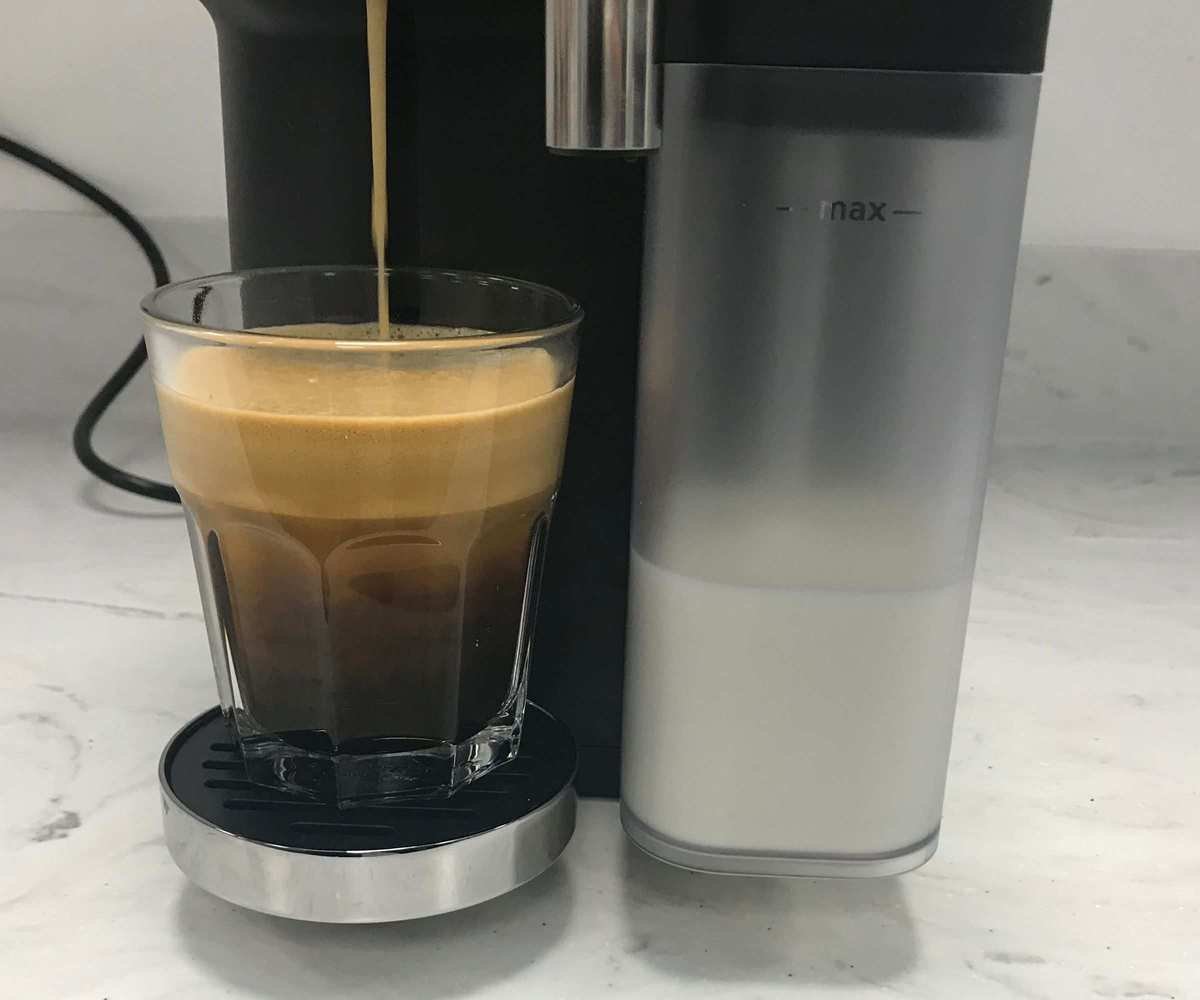

Often referred to as 'just coffee,' Americanos are straightforward to make (our in-house barista has even penned a helpful guide for crafting an Americano). They're classic and serve as a reliable measure of quality since there's little to disguise any flaws.
Whether you're using the best Aeropress or a high-end machine, a good Americano should feature a layer of crema and a deep caramel hue. The water added should be around 200 degrees Fahrenheit to prevent burning the espresso while maintaining warmth.
Testing Cappuccinos


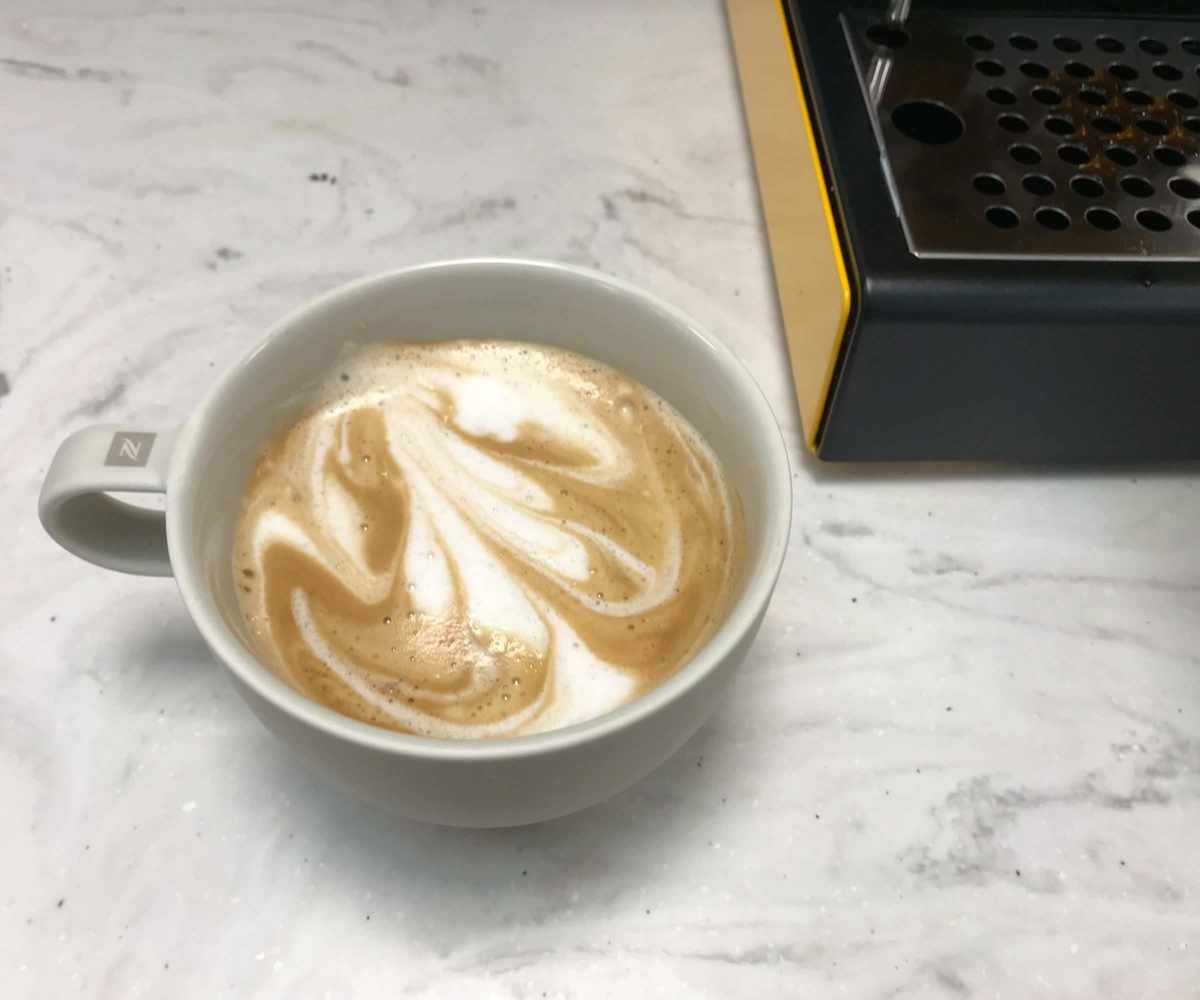

If a coffee maker includes milk-frothing capabilities, its performance with cappuccinos is crucial. There are various methods to create a cappuccino, depending on the machine, but we aim for at least one-third of the beverage to be foam. The foam should be thick, shiny, and stable for a smooth drinking experience. Brewed coffee needs to be between 149-185 degrees for optimal enjoyment.
When foaming milk, we look for a harmonious integration with the coffee, avoiding a separation of milk and coffee flavors. We prepare two of each coffee type to ensure consistent results.
Additional Features We Test

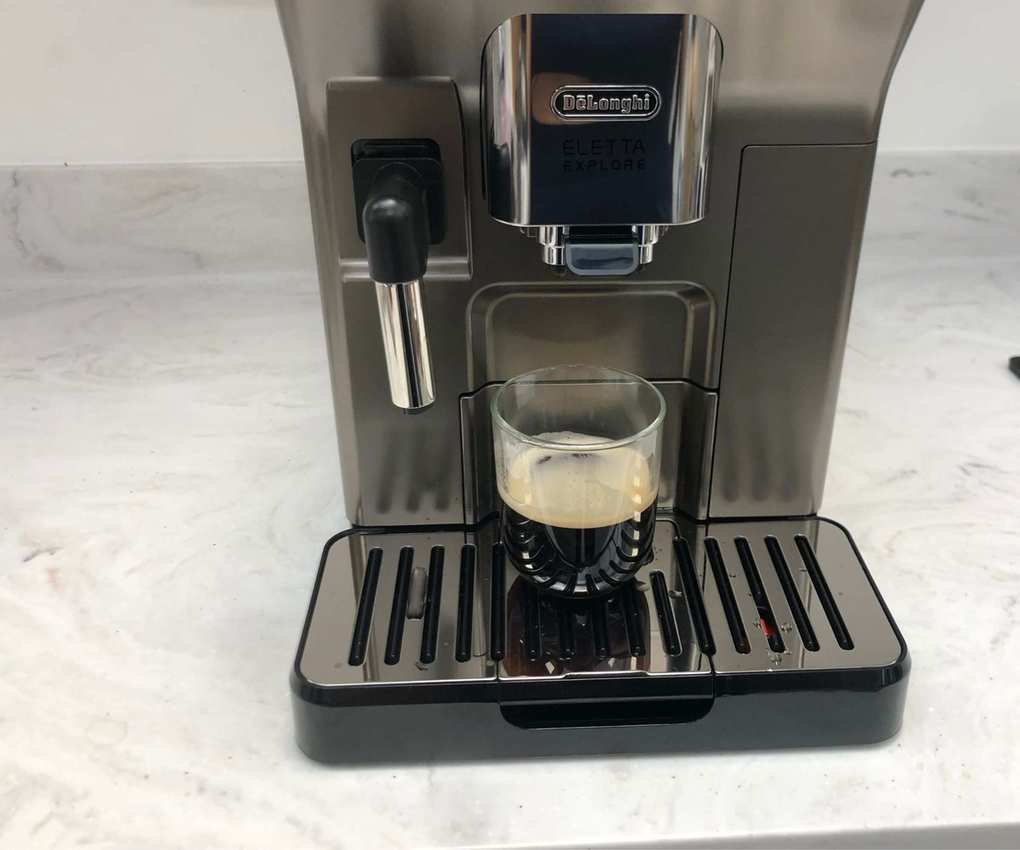
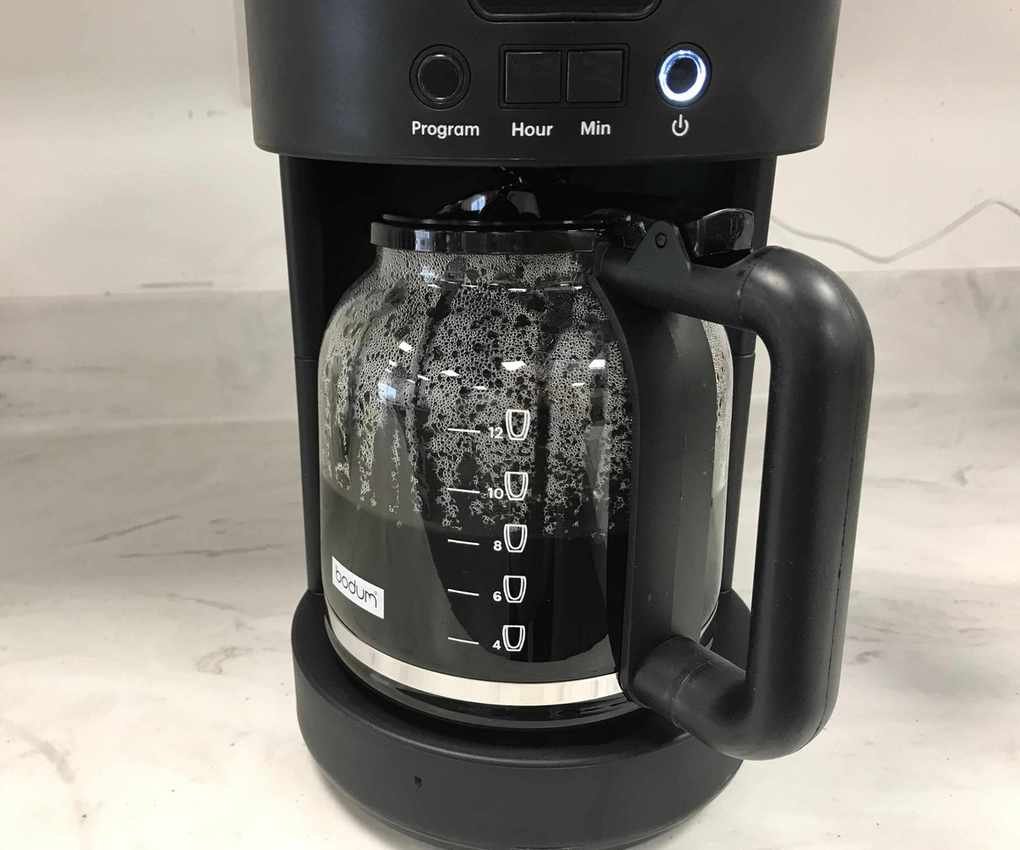

When a coffee maker offers unique settings, we thoroughly evaluate these features. This could include customizable coffee blends, smart technology, or self-cleaning functions. These functionalities often influence buying decisions, so we ensure they are rigorously tested.
Assessing Cleaning Ease


Cleaning your coffee maker is just as vital as its usability. In our testing kitchen, machines experience considerable wear and tear. We clean them as you would in a typical routine, identifying any awkward or messy aspects.
We assess whether the drip tray is prone to leaks, if the filter is easily accessible, and if the machine emits any concerning sounds. Additionally, we check for dishwasher-safe parts.
Evaluating Value for Money

Many people inquire about pricing and value for coffee makers. A common question is, 'Why are espresso machines so pricey?' This is a fair inquiry, which is why we dig into the specifics with each review.
We analyze the cost, warranty, and performance of each coffee maker. If a machine excels and is affordably priced, that's a win. Conversely, if it seems overpriced, we highlight that in our assessments. Should a machine feel cheap or underperform, we will take note to prevent buyer disappointment.
Our Final Recommendations
By this stage, our espresso experts will have consumed plenty of coffee, resulting in insightful evaluations and perhaps a few jitters.
After compiling scores, we categorize the appliance into the appropriate buying guide or exclude it if it falls short. Our experts will indicate which users might benefit from the machine and suggest alternatives if necessary. This guidance is rooted in our extensive experience. If you're uncertain about which coffee maker to choose, our buying guide is designed to help you find the right one.