
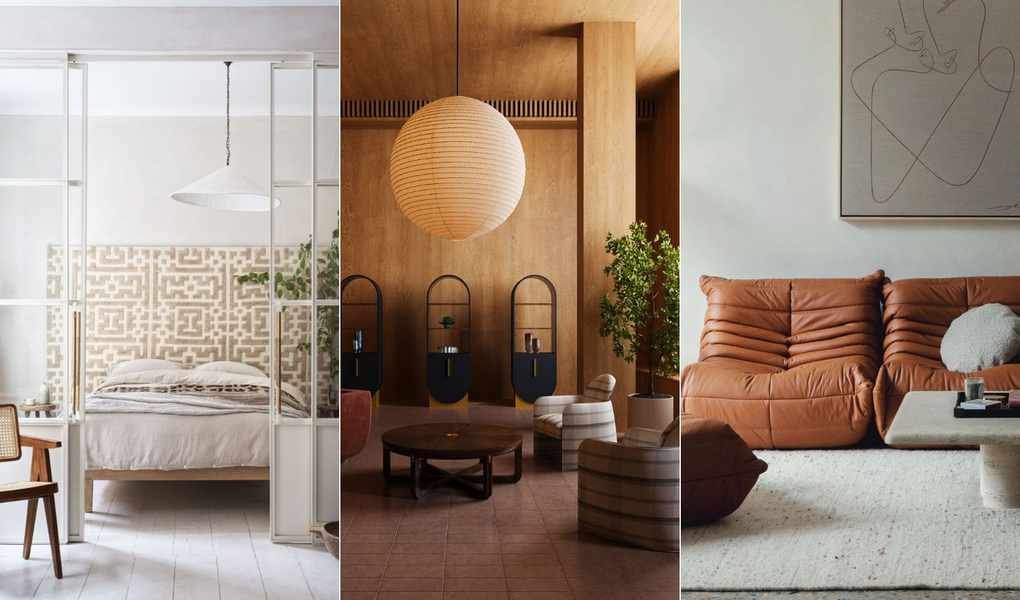
The Japandi decor style focuses on creating a tranquil and serene environment that fosters relaxation, characterized by minimalistic design paired with sophisticated elegance.
So, what exactly is Japandi style? In essence, it's a harmonious blend of Japanese and Scandinavian aesthetics, combining their best elements. This includes a nature-inspired color palette that leans towards neutrality, the use of natural wood tones, and textures that enhance coziness while maintaining an inviting connection to the outdoors. The end result is a warm, simplistic, and undeniably peaceful atmosphere.
If you're already familiar with Japandi design principles and ready to infuse your space with this aesthetic, let's dive into some expert suggestions for decor ideas.
6 Japandi Decor Ideas for a Serene Home
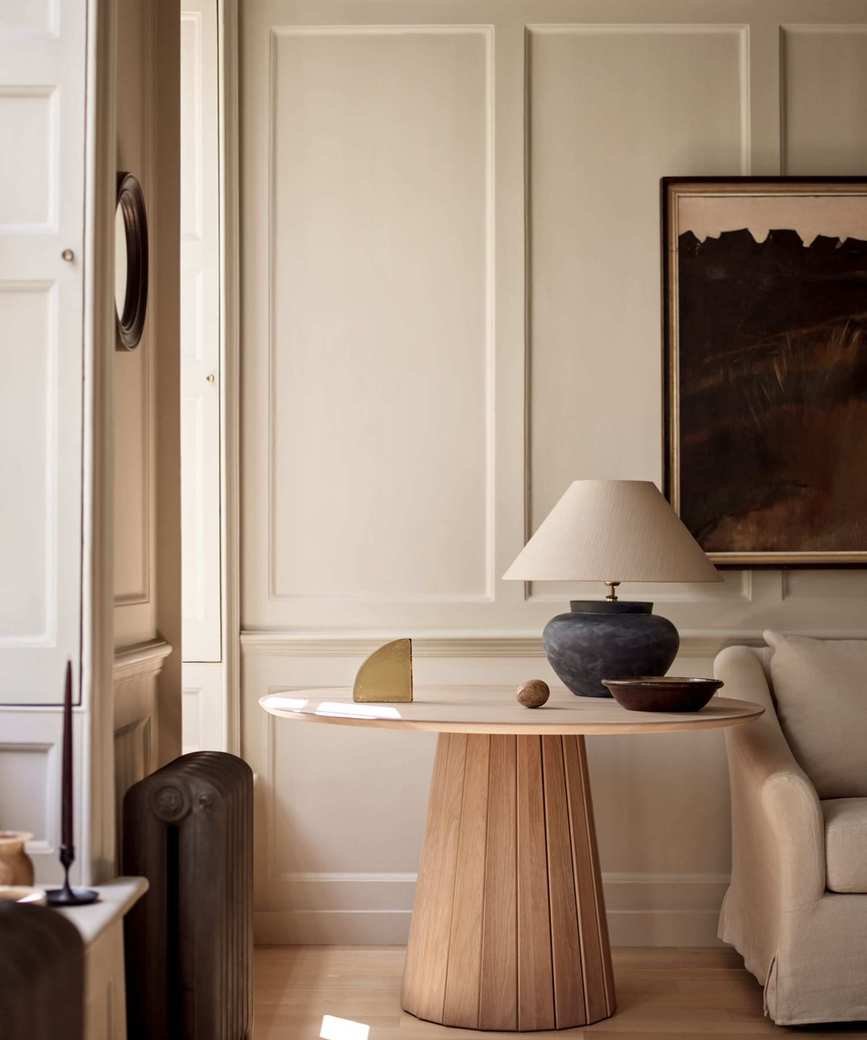
This captivating design approach has won the hearts of many home decor enthusiasts. As we seek comfort and respite in our living spaces, Japandi offers an elegant solution for those who appreciate minimalism and functionality.
'In the spirit of Japandi, every piece in your home should blend form with function,' shares Catherin Jacob, a design expert. 'Select items that serve a purpose while bringing joy and a sense of tranquility. Opt for natural materials like wood and bamboo to introduce warmth, and keep decor elements to a thoughtful minimum,' she advises.
With a growing trend towards warm color schemes in 2024, Japandi integrates that cozy, Scandi (or hygge) balance into the more sleek aspects of Japanese design. The ambiance remains natural and stunning while emphasizing functionality and a connection to nature.
Here, we present our favorite strategies for enhancing your home with a Japandi aesthetic.
1. Use Nature-Inspired Colors for Your Palette
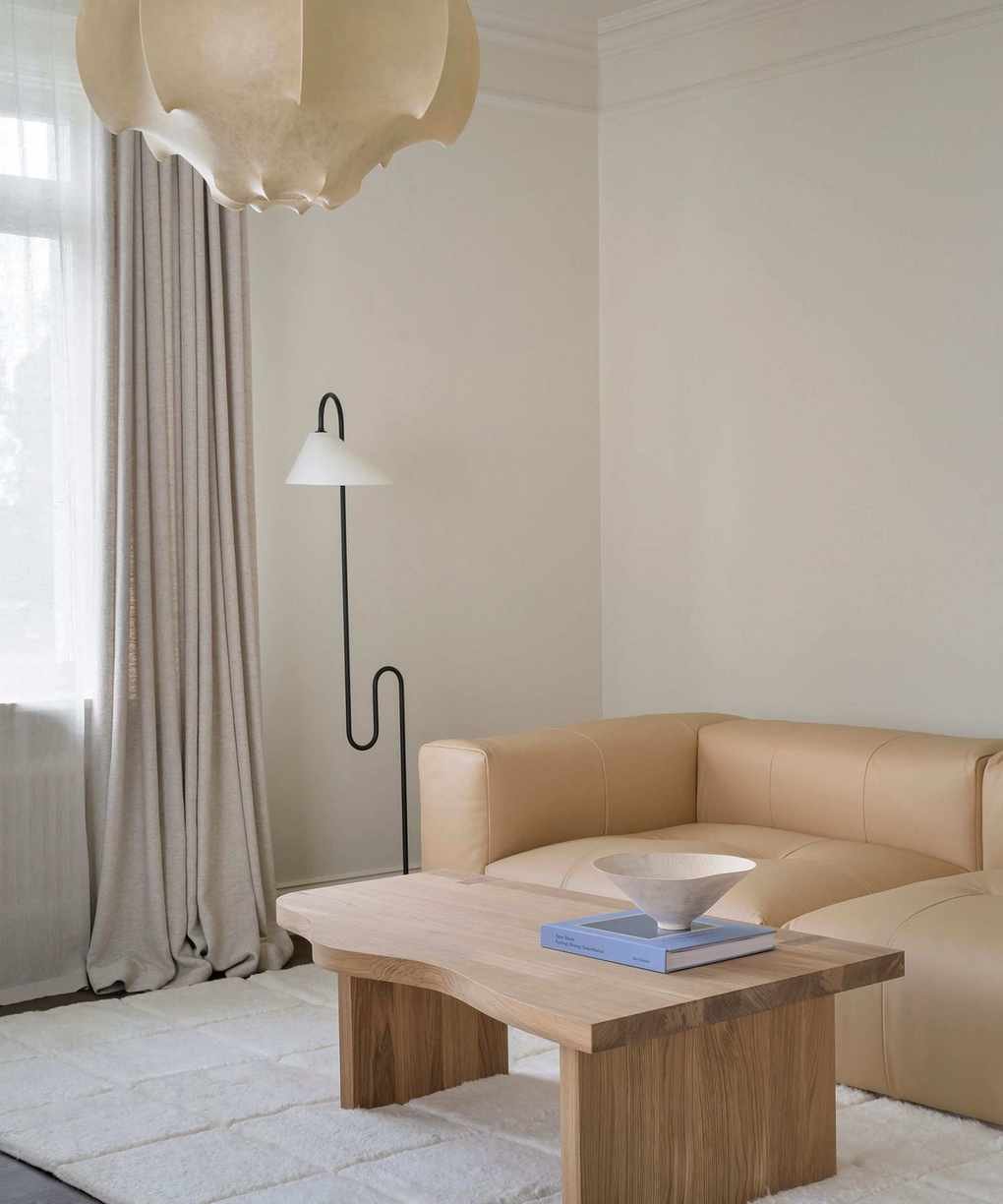
In Japandi decor, the thoughtfully chosen color palette features calming neutrals, including soothing shades of earth tones, gentle grays, soft browns, hints of black, and warm off-whites. These colors create a serene backdrop. When paired with natural materials like wood, bamboo, and stone, they establish a seamless connection to nature, fostering a zen-like ambiance.
'When decorating with a Japandi mindset, consider the color palette of your furnishings carefully,' advises Luis Carmona, an interior design professional. 'A neutral color scheme embodies Japandi design, promoting a zen-like and calming atmosphere. Often, the chosen colors reflect those found in nature, including whites, creams, light woods, gray-blues, and moss greens.'
Helen Shaw, a color specialist, agrees, stating, 'Many choose Japandi-inspired decor for its tranquil qualities. Shades like sage green, soft pink, and muted gray are excellent choices for dining areas if you're aiming for a nature-inspired aesthetic.' She adds that these muted tones complement natural materials like rattan, wood, or linen, enhancing the overall softness and serene environment.

Helen Shaw is a color expert and Director of Marketing (International) at Benjamin Moore. She and her husband Craig were also founders of Shaw Paints, which was acquired by Benjamin Moore in 2020.
2. Combine Wood with Stone and Woven Elements
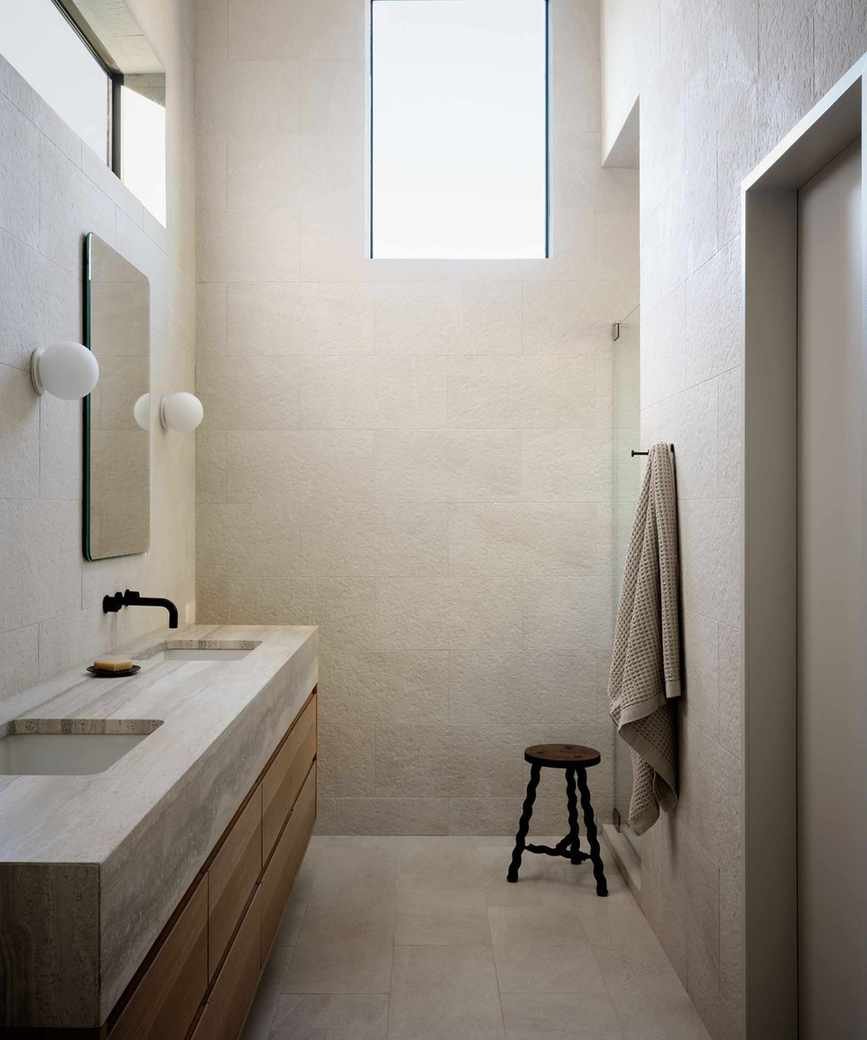
A key aspect of Japandi decor is the blending of various materials. When selecting furnishings, decor, and accessories, embrace a mix of textures and natural elements, such as warm wood tones, woven materials, natural stone, and the organic feel of rattan. This can be beautifully illustrated in a Japandi bathroom design.
'I truly admire the Japandi aesthetic! The way Japanese wabi-sabi elements harmonize with Scandinavian simplicity is striking,' remarks interior designer Kathy Kuo. 'Both design philosophies draw heavily from nature's beauty, so look for decorative objects and furniture made from reclaimed wood, natural stone, and earthy tones.'
'Handmade textiles and fabrics with organic textures, such as shibori patterns, raw silk, chunky knits, and shearling, also align well with the Japandi style when creatively combined,' Kathy adds.

Kathy Kuo is a renowned interior designer with over 20 years of experience in the home and lifestyle industry.
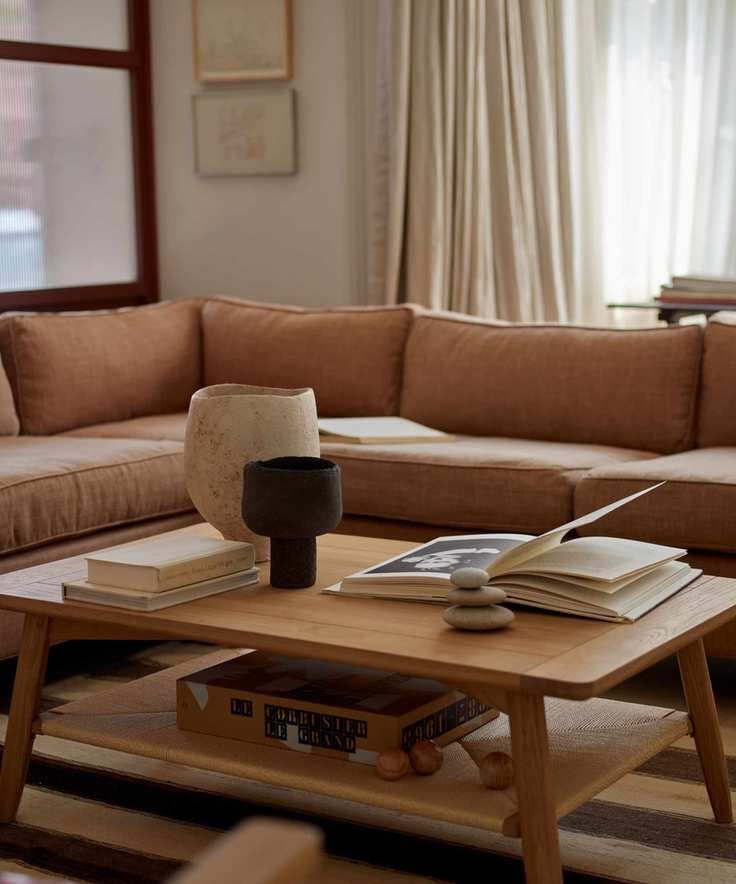
'When selecting decor items, choose those that feature minimal designs and are constructed from natural materials,' advises Luis Carmona. 'A sleek wooden photo frame, a glass vase, or a clay serving tray can effectively enhance your space without disrupting the Japandi aesthetic.'
'The materials used in decor significantly influence the overall look of the room. Wood, glass, linen, and stone are all ideal for this style while promoting sustainable design.'

Luis Carmona is the owner and lead designer at VERDE Interior Design, blending nearly two decades of experience in interior design, advertising, and marketing into a unique design studio serving clients in Houston and Dallas.
3. Emphasize Texture with Paneling or Plaster Walls

Texture is crucial in Japandi interiors. Consider incorporating texture into your space with elements like wall paneling or plaster walls. These subtle yet significant details contribute depth and character, creating a tactile experience that radiates comfort.
Lucy Currell, creative director at Studio Iro, recommends textured wall finishes like Clayworks or Tadelakt, or opting for matte finish paints. 'Mix various woods for an eclectic natural atmosphere, like warm cherry or London Plane paired with light oak for both walls and furnishings, and choose fabrics rich in texture with significant weaves,' she suggests. 'Finally, layer different rugs to create a broader surface area and a bohemian vibe that anchors the space.'
'Merge the clean and practical essence of Scandinavian design with the minimalism and natural beauty of Japanese aesthetics,' states Artem Kropovinsky, designer and founder of Arsight. 'Highlight natural elements and simplicity with textures that evoke warmth and authenticity.'

Based in New York, Artem Kropovinsky is the founder of Arsight, focusing on minimalism, sustainability, and authenticity in design projects worldwide.
4. Opt for Oversized Yet Minimalist Art
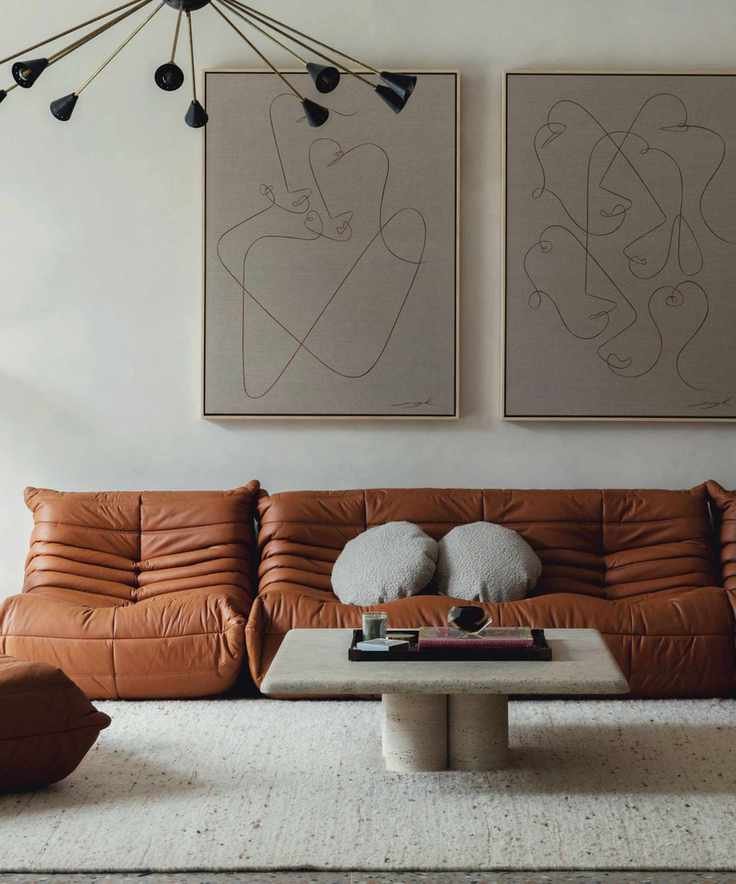
Contrary to the notion that minimalism entails minimal or small art, Japandi design embraces bold statements. The key is focusing on balance rather than stark contrast. Think about oversized yet minimalist art pieces that deliver a strong visual impact.
Japandi is all about mixing aesthetics. Since it merges two styles, consider incorporating oversized yet minimalist art that features simple lines, abstract shapes, or natural motifs to create a striking visual impression.
Artem Kropovinsky suggests sticking to a natural palette to maintain a serene atmosphere. 'Choose shades of gray, natural wood tones, and warm whites to embody the balanced and tranquil essence of the style.'
5. Incorporate Abundant Greenery

Nature plays a significant role in Japandi design. From delicate bonsais to lush indoor greenery, plants are an excellent way to introduce the outdoors into your home, fostering a sense of tranquility. They can brighten spaces, improve air quality, and provide a vibrant pop of green amidst neutral tones.
'Utilizing water features, plants, and natural elements like wood helps create a bridge between indoor and outdoor environments, reinforcing the core principles of Japandi design,' explains VERDE's Luisa Carmona. 'This approach also aligns with the biophilic aspect of Japandi, which emphasizes bringing nature inside.'
'Incorporate plants and greenery for a touch of nature within your interiors,' Artem advises. 'Both Japanese and Scandinavian designs cherish a connection to the outdoors. Choose planters with simple, sculptural forms that align with the minimalist style.'
6. Embrace the Philosophy of Less is More
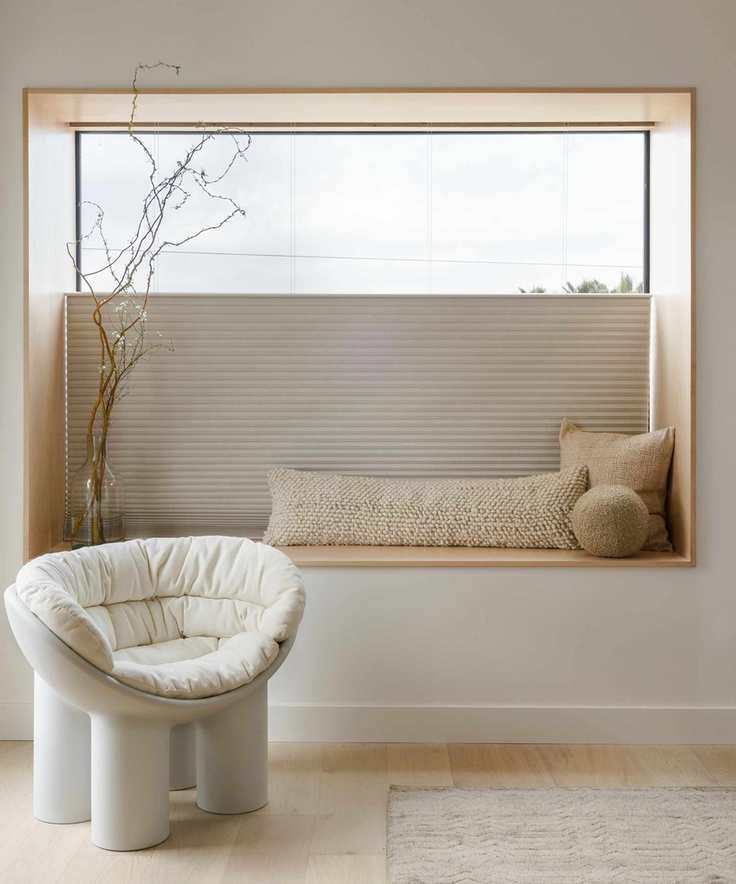
Resist the urge to overcrowd your space. Embrace simplicity in your furnishings and decor, allowing each piece to stand out. The Japandi style emphasizes curating an uncluttered environment that encourages mindfulness and tranquility in your living space.
'To achieve a Japandi aesthetic, adopt the mantra of less is more,' notes Luisa Carmona. 'Japandi combines Scandinavian and Japanese design principles, both known for their clean lines, minimal furniture, and an uncomplicated approach to decor.'
The absence of clutter and intentional negative space fosters a peaceful atmosphere that resonates with the essence of both Japanese and Scandinavian design philosophies.
'Less is more,' affirms Jennifer Verruto, founder of Blythe Interiors. 'Adopting simple, modern designs with minimal decor and natural elements has become increasingly popular. More individuals are gravitating toward the elegant simplicity and calming environment of Japandi.'
FAQs
How Does Japandi Differ from Wabi-Sabi?
The Japandi design style and Wabi-Sabi both appreciate simplicity, nature, and harmony but express these concepts differently. While Wabi-Sabi, rooted in traditional Japanese aesthetics, honors imperfection and the beauty of transience, Japandi integrates Scandinavian principles to emphasize a more modern and streamlined look.
To fully embrace the Japandi vibe, remember that it's more than just a style; it's a lifestyle choice. To create a Japandi atmosphere in your home, adopt a less-is-more mentality, focusing on organization, storage solutions, and decluttering to achieve that minimalist, serene aesthetic.
Admired by homeowners and interior designers alike, this decor style has timeless appeal. We can't see a soothing and peaceful home design ever going out of style. If you're passionate about the Japandi look and want to refresh your home, consider these tips for crafting a more welcoming environment.


