Renting out property comes with both advantages and challenges. Renter complaints are inevitable, but addressing these specific issues without delay is crucial.
As a landlord, you're tasked with various legal and ethical responsibilities. Ignoring problems like mold or electrical hazards can lead to significant long-term consequences or even expensive legal disputes, according to real estate experts.
While tenants may personalize their living space, it's essential for you to maintain the property and resolve issues swiftly.
Key Renter Complaints That Require Immediate Attention
Most states enforce regulations mandating landlords to address 'imminently hazardous to life' issues within 24 to 48 hours.
For less urgent concerns, here are five complaints to prioritize and resolve as quickly as possible.
1. Mold Issues

If tenants encounter serious mold in your rental property, they can legally withhold rent or file suit over substandard living conditions. In places like California, landlords have 30 days to address mold complaints, though it's best to act immediately.
Real estate attorney Jonathan Feniak emphasizes the importance of addressing mold complaints promptly. Landlords must ensure rental units remain habitable, which includes managing mold issues.
'Neglecting mold can escalate to health code violations, leading to fines or lawsuits,' Jonathan notes. 'Unchecked mold may cause health problems for tenants, putting landlords at risk for medical claims if negligence is proven.'
Consider using natural methods to eliminate mold, such as vinegar and lemon juice, or try a mold-removing spray like RMR-86 Instant Mold and Mildew Stain Remover from Walmart. These products not only address mold but also enhance indoor air quality.
Find out how to identify mold and the habits that contribute to mold growth. This knowledge allows you to implement preventive measures like improving ventilation and guiding tenants on minimizing risks.
HVAC expert Josh Mitchell suggests products that effectively combat mold.
All prices accurate at time of publication.
 Four colors
MORENTO Air Purifier
This highly-rated air purifier features dual air intake and advanced HEPA filters, covering up to 1290 square feet. It efficiently removes mold spores from the air, preventing their spread.
 Ultra quiet
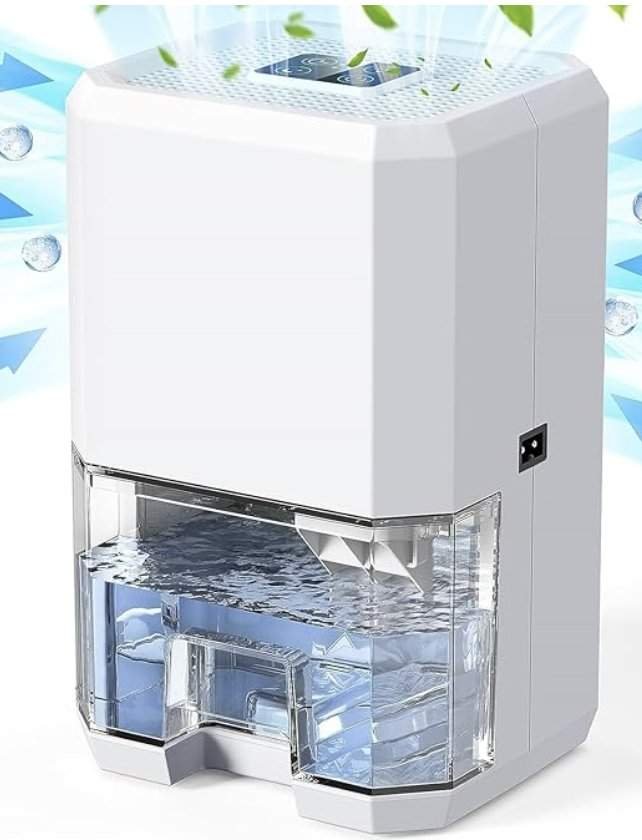
Tilibra Dehumidifier
This quiet dehumidifier features a timer and auto shut-off, making it ideal for bedrooms. Its compact design allows easy movement from kitchens to bedrooms, reducing moisture and mold risk.
 Three colors
EyeVac Air 2-in-1 HEPA Touchless Vacuum
This touchless air purifier uses infrared sensors to detect dust and debris, employing HEPA filters for air cleanliness. It also includes a vacuum mode for easy cleanup.
2. Electrical Concerns
Minor electrical problems can develop into serious hazards for tenants, warns licensed realtor Rachel Stringer. These issues must be addressed to prevent fire risks and ensure compliance with safety regulations like the National Electrical Code (NEC).
Taking prompt action helps limit liabilities and control repair costs.
Discover more about the common fire risks in homes, including faulty wiring. Choosing the right electrical fixtures can significantly reduce risks.
3. Plumbing and Drainage Problems
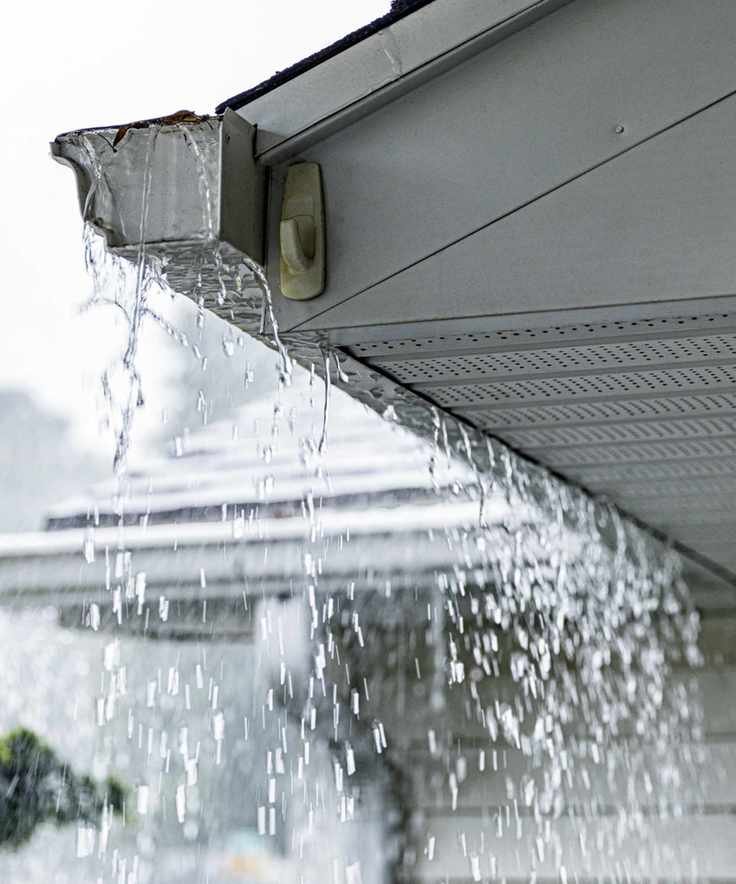
Plumbing issues can't be ignored. A simple leak can cause severe water damage, leading to mold and structural complications. Problems like burst pipes or inadequate drainage can quickly escalate, causing pest issues and dampness.
'I advise landlords to treat plumbing emergencies, like a burst pipe, as top priority,' says realtor Eric Bramlett, owner of Bramlett Real Estate. 'Even small issues, like slow drains, should be addressed promptly to prevent bigger problems.'
Tenants can report negligence to authorities. While landlords must address plumbing complaints within a 'reasonable' timeframe, tenants can be assertive if their living conditions are compromised.
4. Pest Problems
Pests such as rodents and insects pose health risks and can damage property. Failing to manage pest issues may lead to serious property damage and tenant health problems.
'Address pest infestations immediately,' suggests real estate expert Martin Boonzaayer. 'A small problem can quickly escalate. Unresolved pest issues may lead to tenant complaints, potential legal action, and financial loss.'
Most states require landlords to keep properties pest-free. Ignoring infestations can lead to legal consequences, empowering tenants to sue or withhold rent. If a pest issue arises, it may be time to engage a professional pest control service.
Learn about mistakes that worsen infestations to avoid DIY fixes that could backfire. Understanding how pests enter homes is crucial—seal gaps around doors, windows, and utility entry points with a weatherproof caulk like clear Gorilla sealant, available on Amazon.
5. HVAC Issues
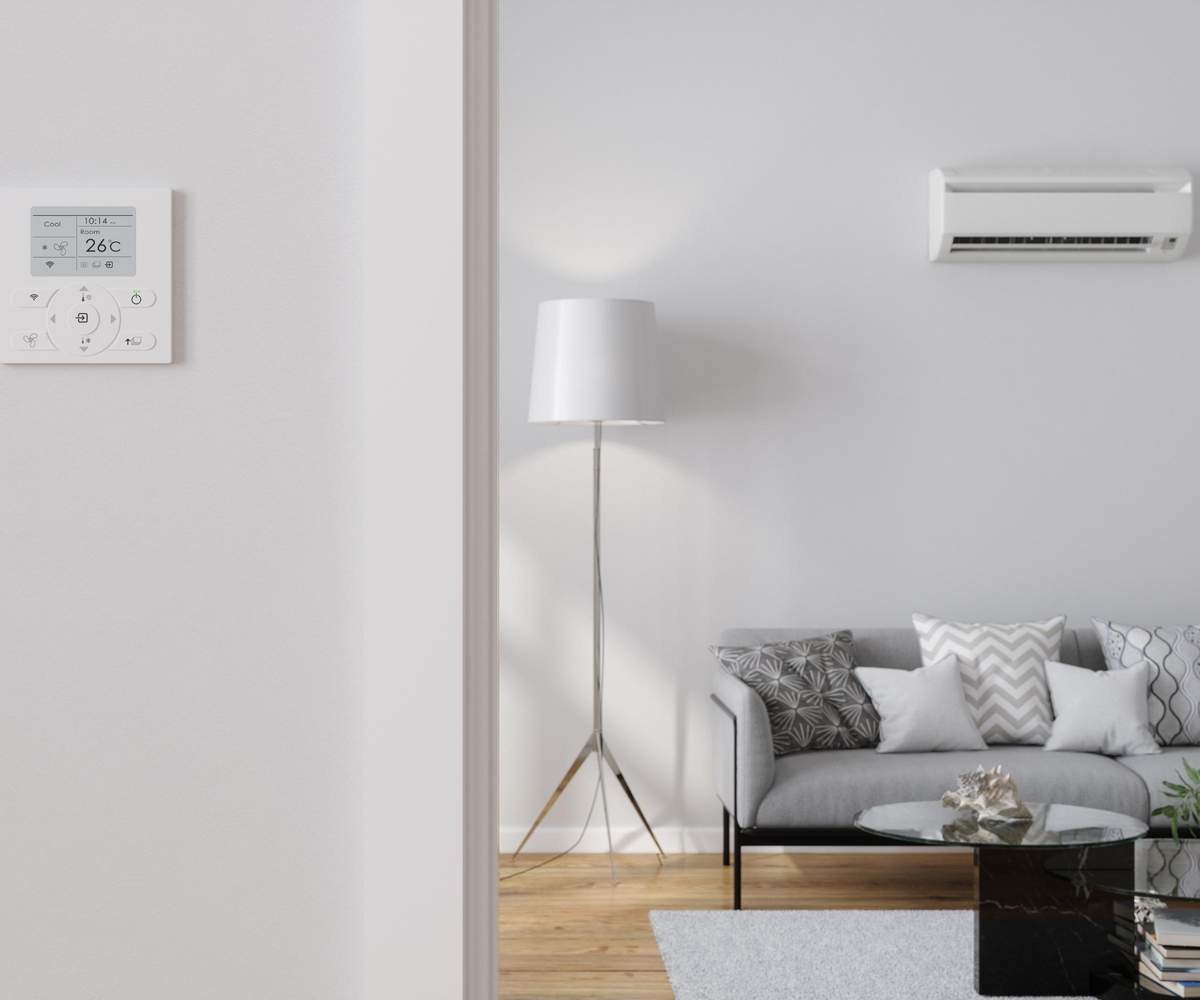
A malfunctioning heating or cooling system can make living conditions unbearable. Broken furnaces in winter or AC units in summer lead to tenant complaints.
If tenants mention minor HVAC issues, they could be repairable problems. Cleaning the HVAC system with a HEPA vacuum like BLACK+DECKER dustbuster from Amazon and changing filters can sometimes restore functionality.
However, significant HVAC problems require immediate attention, especially in extreme weather. Most states mandate landlords to keep heating and cooling systems operational.
'Get your system professionally serviced twice a year,' advises Heidi Gehring, HVAC product manager for Carrier. 'Use licensed technicians to perform a thorough service and repairs within 1-2 days.'
Review local tenant laws to understand your obligations. Delaying HVAC repairs can lead to tenant complaints, diminished rent payments, or lease terminations.
Discover how often to service your HVAC system to ensure it operates efficiently and avoids issues during peak weather.
By prioritizing these critical issues, landlords can maintain tenant satisfaction and steer clear of costly disputes.
If uncertain about your responsibilities or how to resolve specific complaints, research local regulations or consult a property management professional. Staying proactive will save time, money, and stress, fostering a healthy landlord-tenant relationship.
Next, explore tree options for privacy and check our cleaning checklist to prepare your property for new tenants.