

Ornamental grasses are a fantastic choice for low-maintenance gardens, blending seamlessly into various styles while offering both practical and aesthetic benefits.
For those interested in rewilding and promoting biodiversity, ornamental grasses perfectly align with naturalistic garden designs.
Learning how to grow ornamental grasses can enhance your garden's appeal year-round, as many varieties shine as summer fades. Here are six innovative ways to incorporate ornamental grasses into your landscaping.
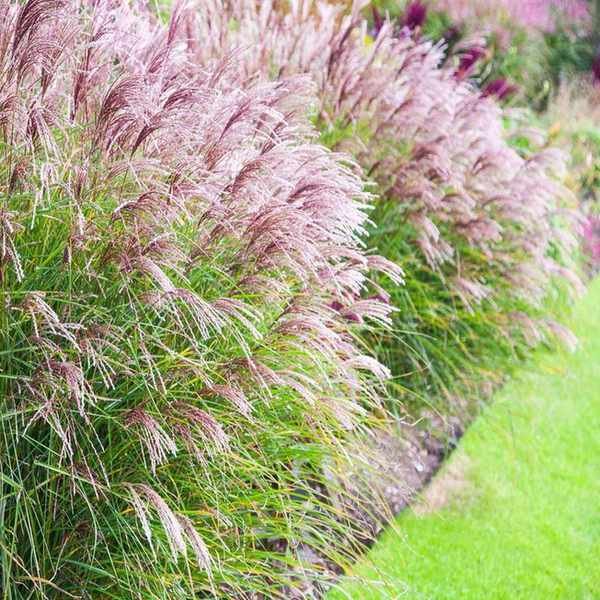
Plant Miscanthus sinensis 'Red Cloud' for vibrant borders filled with color, texture, and movement
6 Creative Ideas for Landscaping with Ornamental Grasses
Grasses add structure and movement, enhancing the beauty of surrounding plants, according to grass specialist Neil Lucas, author of Grasses for Gardens and Landscapes, available at Amazon. 'When used in large, informal groups, grasses create a relaxed atmosphere.'
While often seen in arid settings, many grasses thrive in shade or even wet conditions, making them suitable for diverse environments.

Neil Lucas, a top ornamental grass expert and RHS judge, has secured nine consecutive Chelsea Flower Show Gold Medals. His renowned naturalistic gardening style is showcased at Knoll Gardens in Dorset, England, where he promotes sustainable gardening.
1. Soften Hardscapes with Grasses
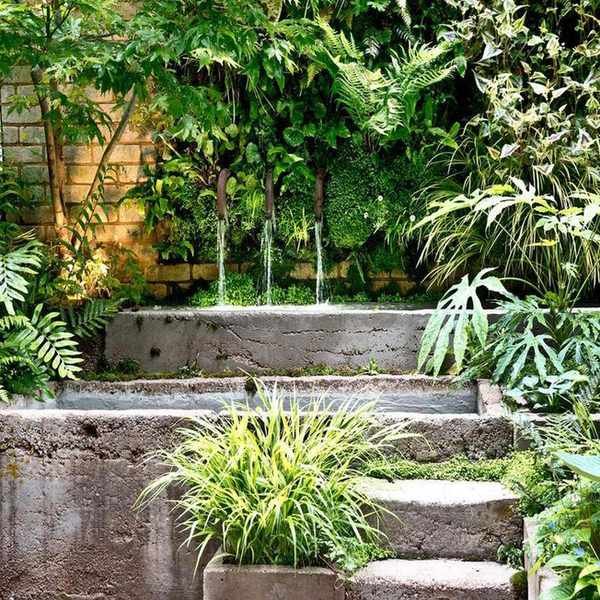
Add ornamental grasses to soften hard surfaces in your landscape
Incorporate ornamental grasses to ease the harshness of materials like stone and concrete. A blend of grasses can soften edges, creating a seamless transition between natural and man-made features.
The elegant foliage of ornamental grasses gracefully softens hardscapes such as walkways and patios, explains landscaping expert Jeremy Martin from Willow Gates Landscaping. Popular choices include Carex 'Everillo', which pairs beautifully with rocks, enhancing their natural look.
Opt for evergreen varieties for winter interest, like Pennisetum 'Hameln', which features dark green foliage and light pink flowers that age to tan, making it a stunning choice for evening illumination.

Jeremy leads Willow Gates Landscaping, specializing in patio design and installation, with over 20 years of experience.
2. Introduce Shape and Texture
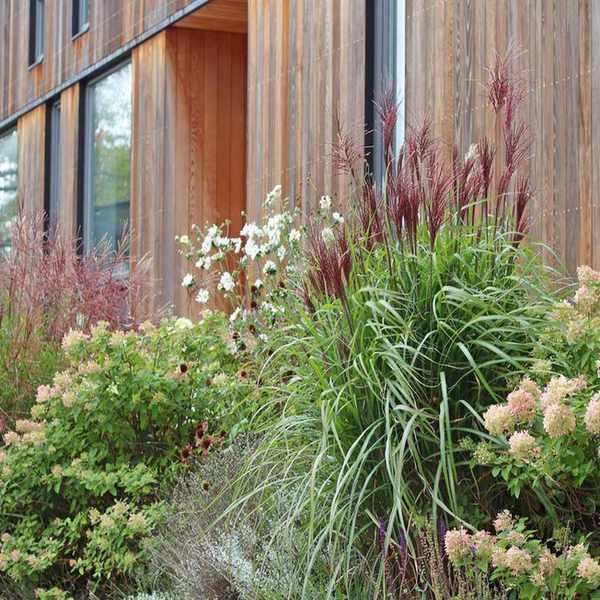
Ornamental grasses enhance planting schemes with texture and form
According to Neil Lucas, grasses are unique for their shape and form, providing cohesion to designs while allowing light and movement. Their sculptural qualities and textures can captivate any garden.
Dense plantings of shorter grasses, like Carex, create a wave-like effect in the breeze, while tall varieties like Miscanthus invite touch.
Grasses also excel as ground cover, especially when paired with gravel, making them ideal for xeriscaping and dry garden projects.
3. Create Privacy with Tall Grasses
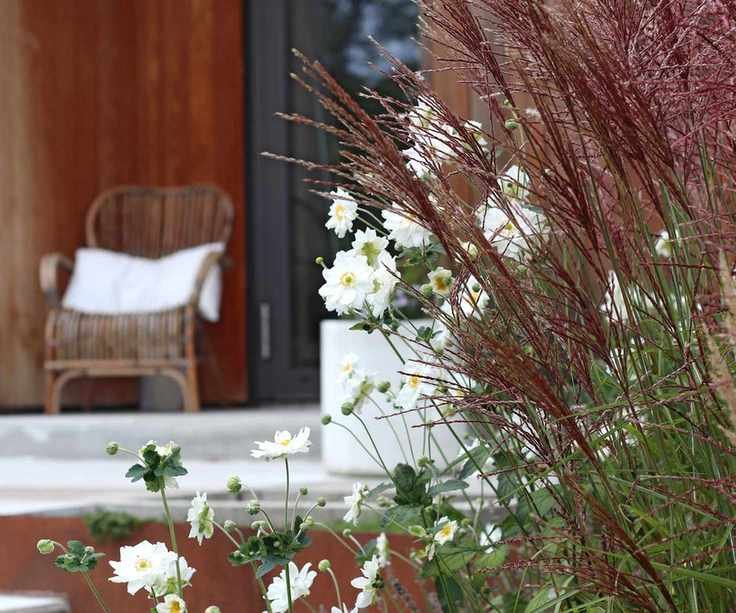
Use ornamental grasses for natural privacy screens
Enhance relaxation areas by incorporating ornamental grasses as a privacy screen, creating a natural division in your garden. The gentle movement of grasses adds tranquility and life to these spaces.
Gardening expert Nan Sterman emphasizes that grasses create vertical elements that sway in the wind, adding sensory dimension. For effective screening, consider tall varieties like Calamagrostis 'Karl Foerster' or Miscanthus 'Gracillimus'.

Nan, a plant enthusiast with degrees in botany and biology, creates landscapes for both private and public spaces while sharing her sustainable gardening knowledge.
4. Add Height and Drama to Borders
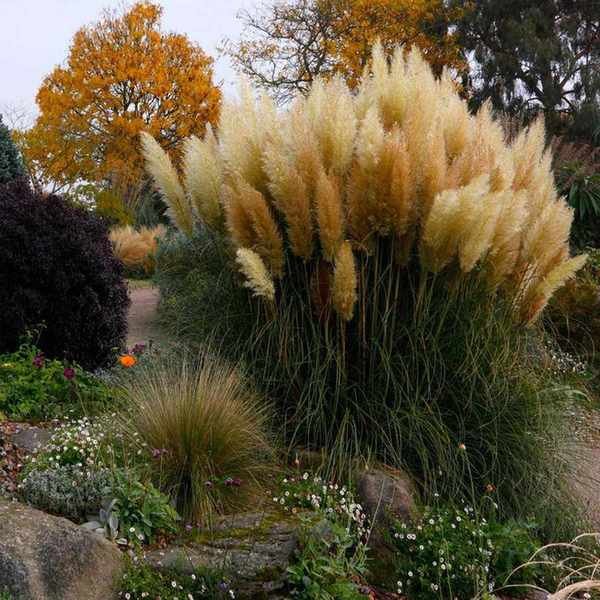
Pampas grass adds striking detail to garden designs
For impactful garden designs, ornamental grasses can serve as statement plants. Varieties like pampas grass inject height, color, and drama, becoming focal points in borders.
Pampas grass is bold but requires space to thrive; check local regulations as it may be invasive. Another stunning choice is tall purple moor grass, known for its elegant foliage.
For back borders, consider Miscanthus sinensis 'Zebrinus', featuring striking striped blades and copper-pink flowers, creating an architectural element.
5. Embrace Naturalistic Landscaping
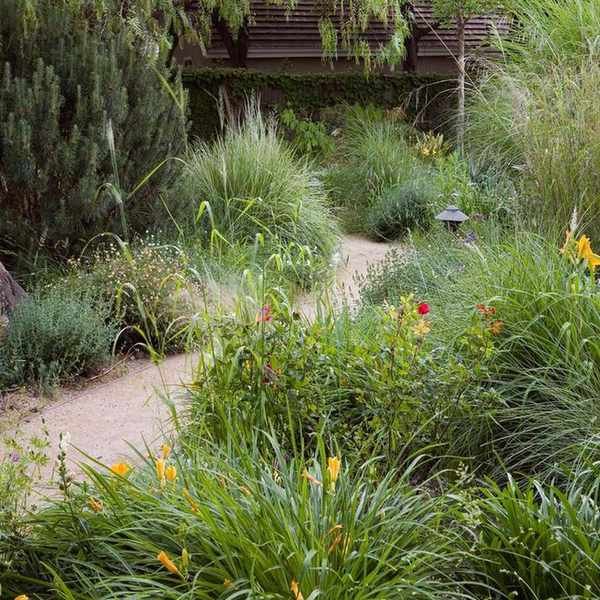
Ornamental grasses are essential for naturalistic planting styles
Naturalistic planting incorporates large groups of perennials and grasses to create a less structured look, as noted by landscape designers Rosemary Alexander and Rachel Myers, co-authors of The Essential Garden Design Workbook. These designs mimic wildflower meadows while maintaining distinct features.
Inspired by luminaries like Piet Oudolf, you can achieve this style in smaller gardens too. Combine perennials such as echinacea with grasses like miscanthus for a flowing, natural look.
This trend invites a relaxed approach to planting. If you appreciate naturalistic designs and prairie planting, make ornamental grasses central to your plans.

Rosemary, the founder of the English Gardening School, is a skilled garden designer and educator, actively involved in promoting gardening education in the UK.

Rachel specializes in small garden design and teaches courses on garden design and horticulture, with her work featured in various publications.
6. Incorporate Grasses in Rain Gardens

Ornamental grasses thrive in the varied conditions of rain gardens
Ornamental grasses are ideal for rain gardens, offering a way to enhance planting with evergreen varieties like Carex pendula (drooping sedge) for year-round interest. This variety is a favorite for rain garden designs.
Neil Lucas explains that rain gardens experience both wet and dry conditions, which some grasses have adapted to thrive in. This adaptability can enhance your landscaping efforts, especially in rain gardens.
For tips on the best plants for rain gardens, explore options for areas that collect water after rain.
FAQs
What plants pair well with ornamental grasses?
Ornamental grasses blend beautifully with flowering plants, creating a natural display that's easy to achieve.
Pair grasses with top perennials like coneflowers, salvia, verbena, and more. These plants not only complement grasses but are also easy to cultivate.
Ornamental grasses are also great for chaos gardening, providing height and texture among perennials and self-seeders. Check out the best miscanthus varieties for a stunning landscape.



