
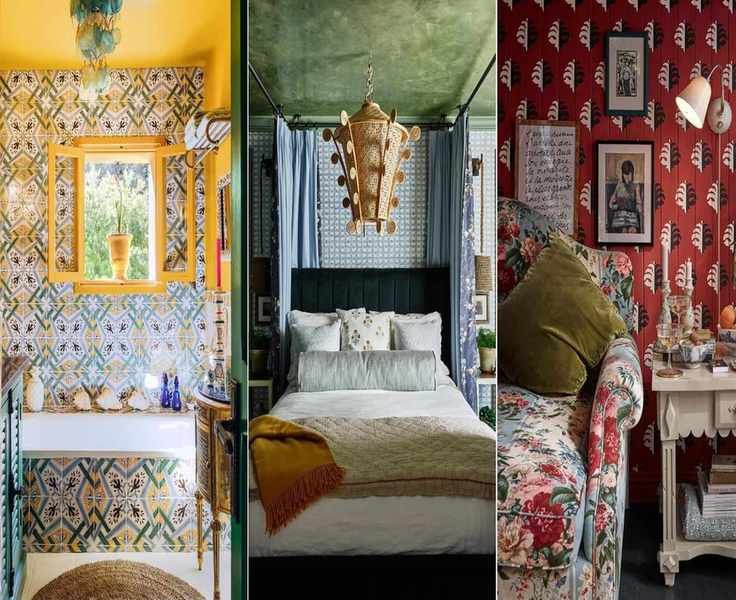
Vibrant patterns can energize any design, yet many feel hesitant to break away from minimalist styles. Introducing even a single bold pattern can seem daunting, let alone multiple ones in a cohesive arrangement.
However, colorful patterns are vital in interior design, enhancing any aesthetic. Understanding how to skillfully use them can elevate your space.
For those eager to embrace pattern mixing, learning from the experts is key. We consulted interior designers for their top strategies to blend contrasting patterns seamlessly.
Your Guide to Skillful Pattern Clashing
While pairing a striped cushion with a floral lamp is a classic choice, some areas benefit from a more dynamic approach. For those aiming to incorporate various lively patterns, feeling overwhelmed is common. Here are designer insights on navigating this colorful journey.
1. Establish a Common Color Palette
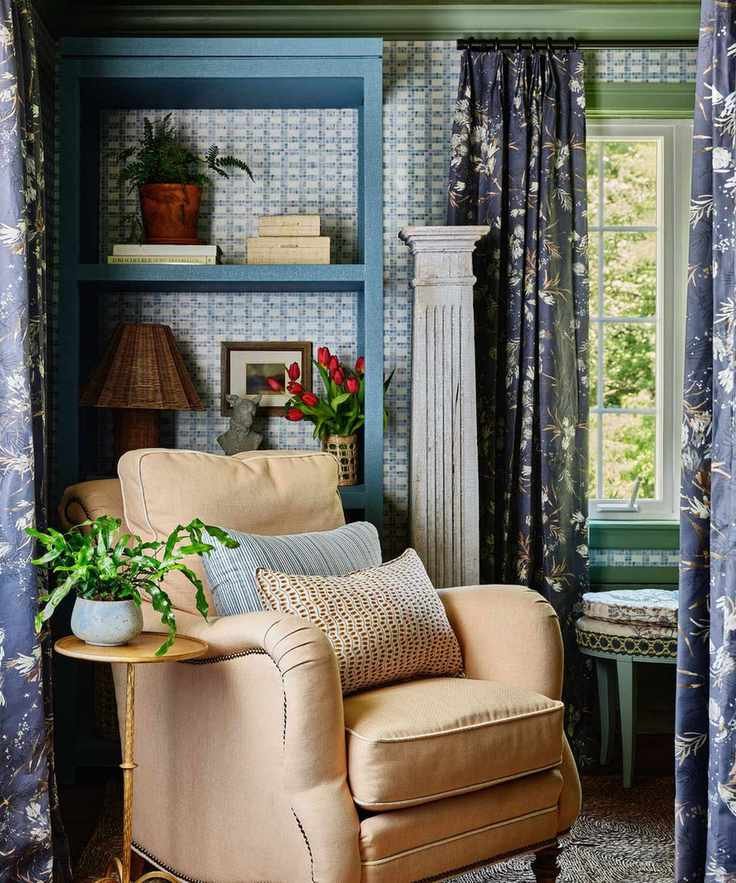
Choosing a color scheme is a solid foundation when mixing different patterns. According to Jodi Peterman, CEO of a design firm, achieving balance and cohesion is crucial. 'Begin with a common color thread to unify your elements; it ensures bold patterns harmonize rather than clash.'
By focusing on shades within the same color family, you'll enhance the synergy of your designs, offering more latitude for experimenting with shapes and scales.
Bailee Roberts, founder of a design studio, emphasizes the importance of color theory. 'If the main colors in your fabrics are complementary or analogous, they'll blend beautifully,' she notes. This approach opens up possibilities, whether you favor muted tones or vibrant hues.
2. Play with Scale
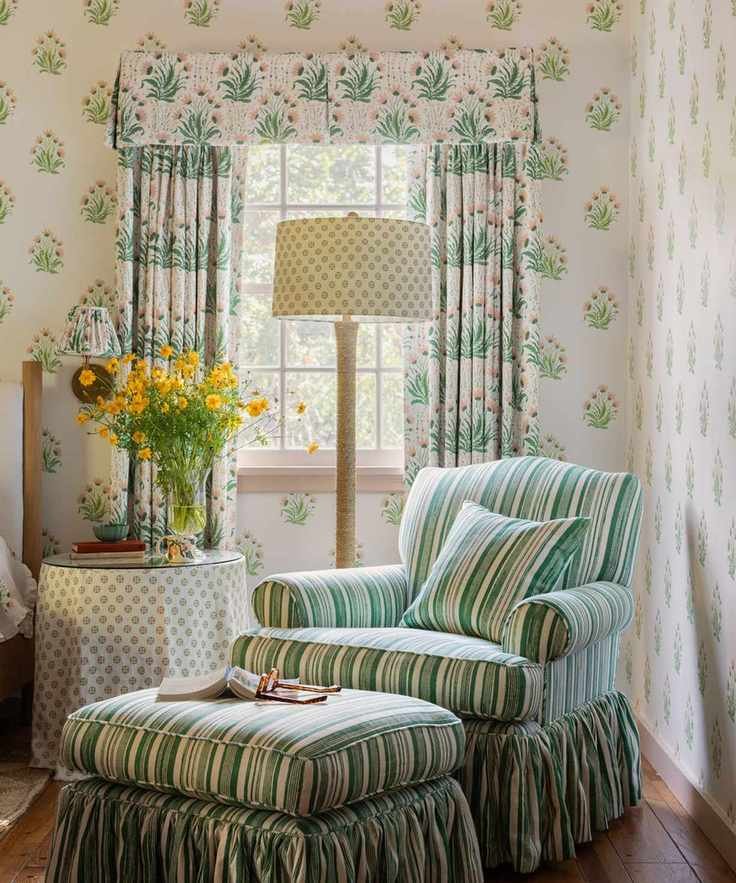
Scale significantly influences how patterns interact. Mixing smaller and larger patterns creates balance, preventing visual chaos.
Anna Burles, co-founder of a design studio, suggests, 'Avoid using only intricate patterns; this can feel overwhelming. Combine smaller prints with larger ones and consider textures to create visual interest.'
Lance Saunders adds, 'Ensure patterns vary in scale. Avoid clustering patterns of similar sizes; matching styles adds coherence.'
3. Combine Different Pattern Types
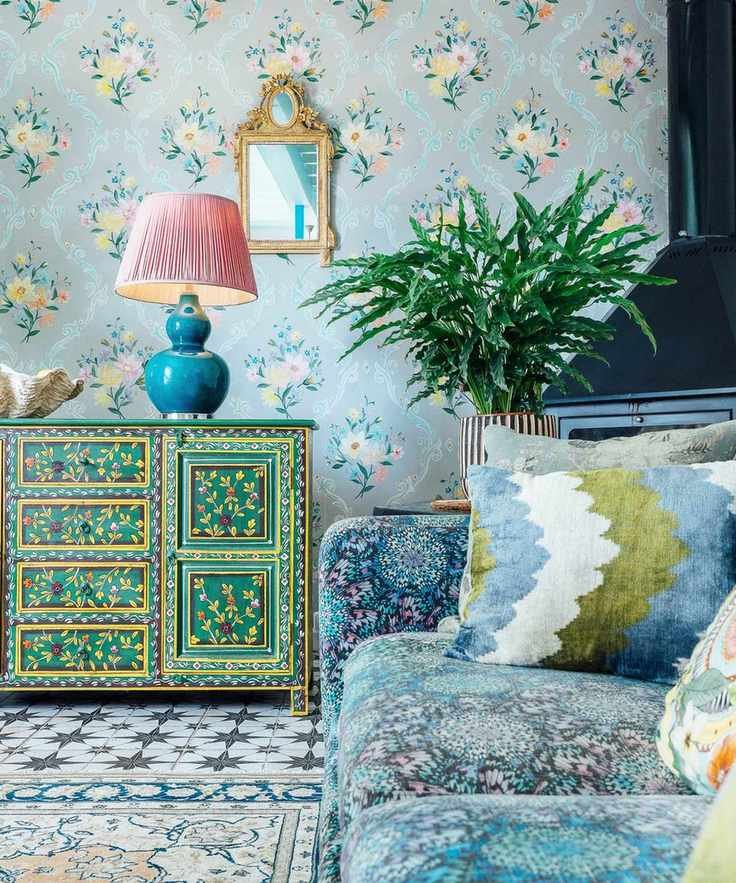
Sticking to one pattern type might feel safe, but diversifying enhances your design. Jodi encourages mixing different patterns and textures, such as vibrant florals with geometric designs.
Even subtle variations in patterns can significantly enrich a space, especially in accents like cushions and drapes.
4. Start with Stripes and Geometrics
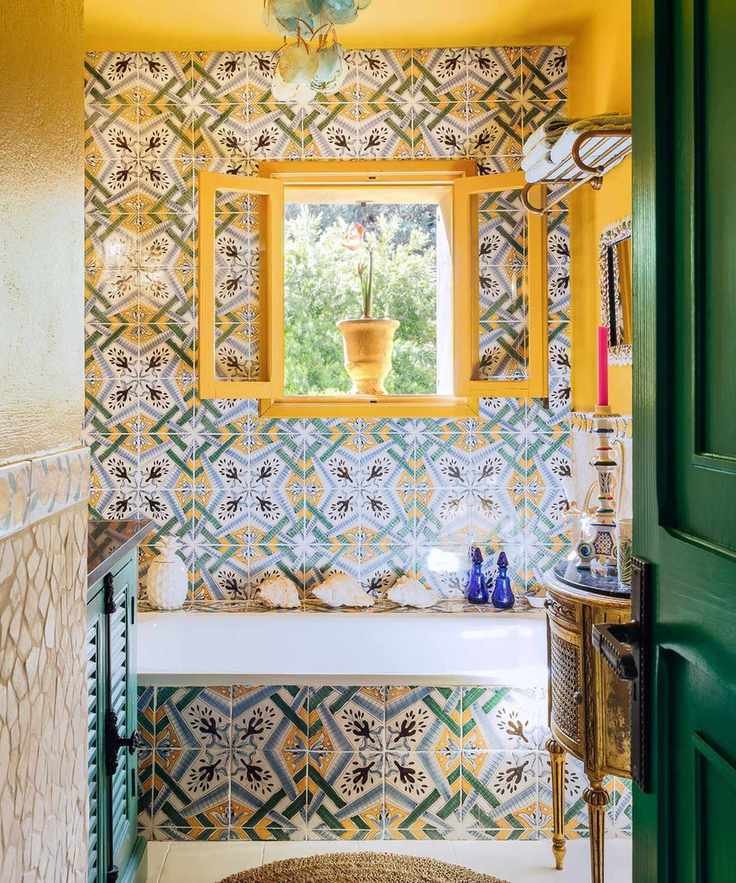
Some patterns lend themselves well to mixing. Jodi notes, 'Geometric designs pair beautifully with various styles due to their structured nature, enhancing organic patterns without overwhelming them.'
Stripes also integrate seamlessly with florals and other designs. Designers like Kathryn Hunt advocate for this versatility, while Aman highlights how stripes harmonize with diverse patterns.
5. Incorporate Bold Accents for Contrast
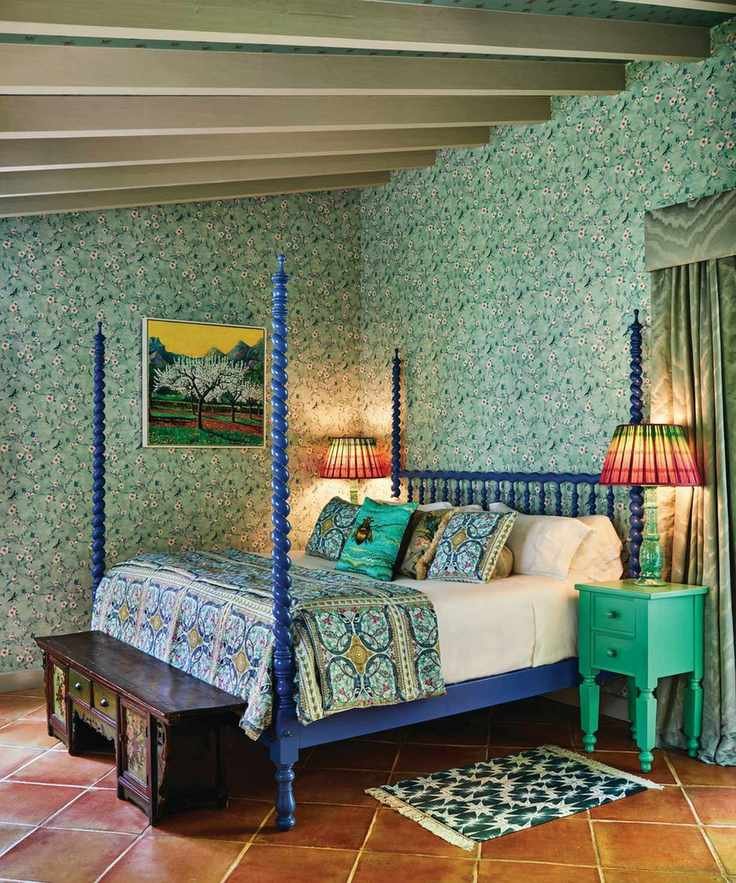
While patterns act as accents, introducing a few bold pieces can elevate your design. Jodi advises against overly matching colors, which can render a space dull.
By layering various tones and colors, you can create depth. Anna suggests applying the 80/20 rule to color: 20% should be vibrant, while 80% remains more subdued.
6. Build on Neutral Foundations

Even amid vibrant patterns, returning to neutrals is essential. Starting with a neutral base keeps your design grounded. Jodi recommends mixing various shades, like blue and gray, to establish a sophisticated backdrop.
7. Draw Inspiration from Fashion
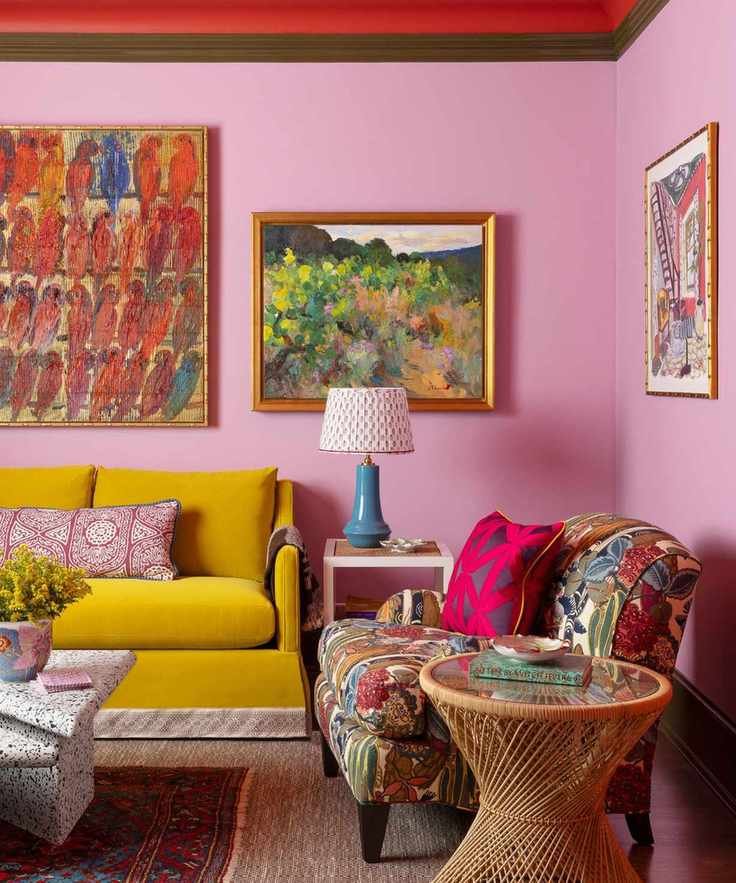
Fashion often mirrors interior design trends. Drawing inspiration from clothing designers can illuminate effective pattern combinations. Anna encourages boldness while maintaining careful planning for successful integration.
8. Consider Texture

Texture adds dimension to your design. Pairing smooth fabrics with rough textures creates interest. Choose one standout pattern and surround it with subtler options.
9. Embrace Some Clashing
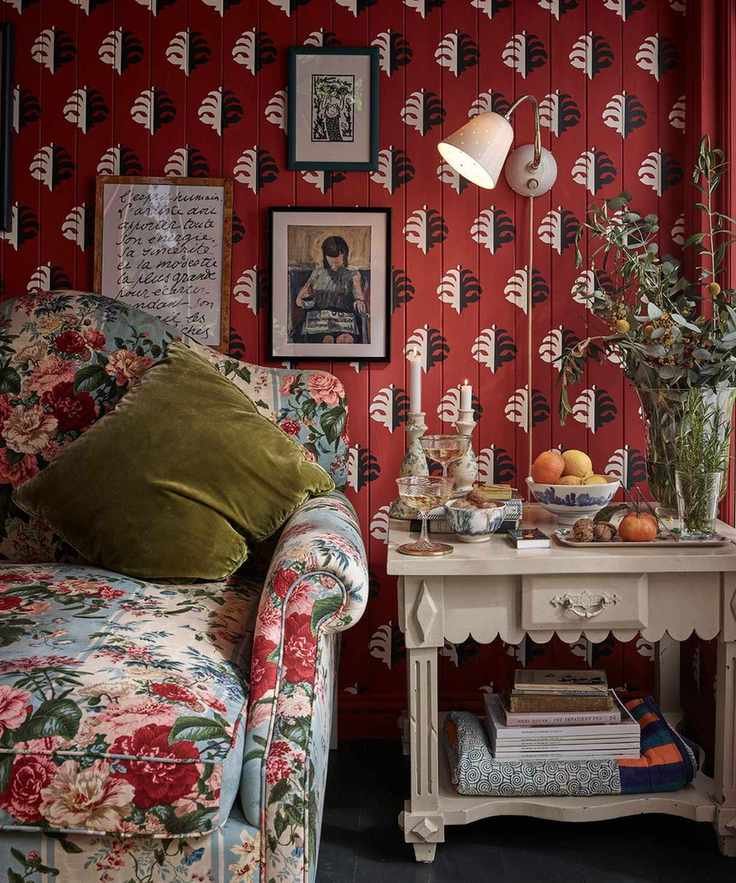
Mixing patterns doesn't require perfection. Allowing for some contrast can enhance your design. Anna notes that a bit of mismatch can be stylish, injecting life into your space.
10. Take Your Time to Refine

Pattern mixing is an art form. Erik suggests trusting your instincts and enjoying the creative process. Start with a few key pieces and gradually build your ensemble, always stepping back to assess the overall look.
Even seasoned designers experiment with various pairings before arriving at the ideal combination. Keep tweaking until you achieve a blend that adds character without overwhelming the space.
'Don't hesitate to use patterns in your home. Start small, then gradually incorporate bolder designs,' Aman encourages. 'Select something that resonates with you, and let that guide your choices.'



