
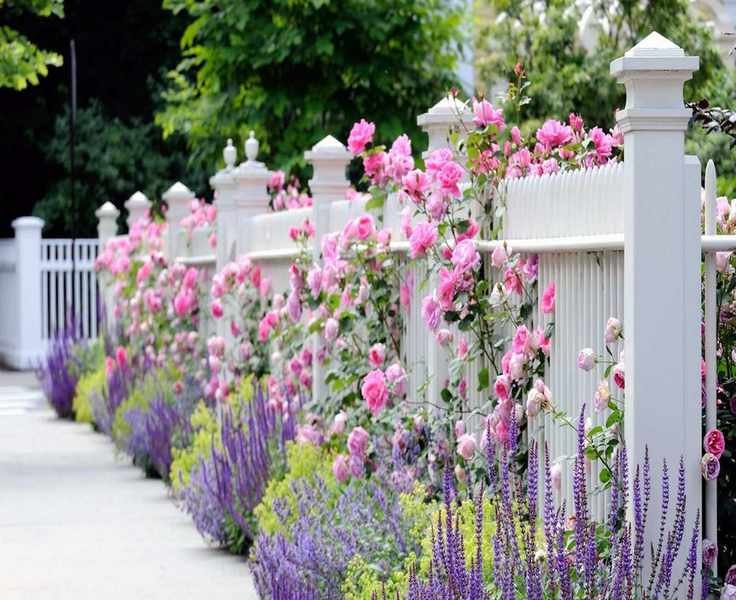
As May arrives, lavender begins to flourish. Its silvery leaves fill out, stems elongate, and the first buds appear. This phase is beautiful yet crucial, as your actions now significantly influence how well your plant thrives and flowers throughout summer.
If you're aiming to cultivate lavender effectively or considering incorporating it into your landscape, now is the ideal time to take action.
A few thoughtful measures in May will yield stronger growth, a more graceful shape, and a bountiful bloom. Here's how to ensure your lavender thrives all summer long.
1. Trim Lightly for Shape and Fullness
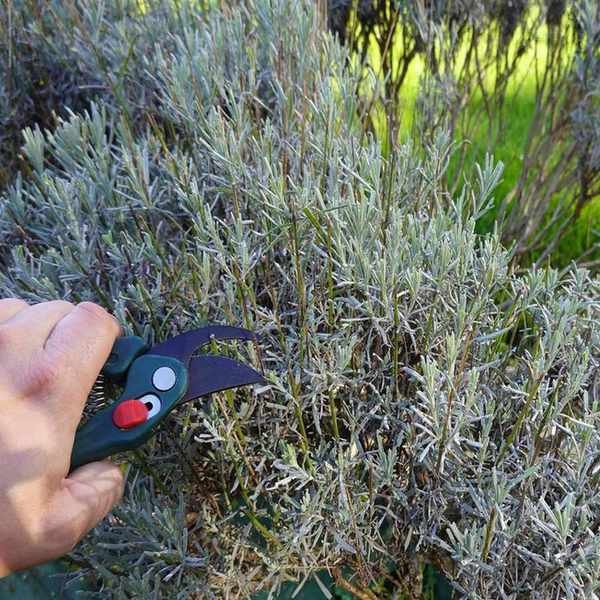
If your lavender is producing fresh spring growth, it's the perfect time for a gentle touch. When pruning, focus on precision rather than cutting back heavily. Using the right tools will simplify the process immensely.
I prefer a reliable pair of secateurs, such as the Fiskars Bypass Pruning Shears from Amazon. They provide a clean cut, which is essential for lavender at this stage.
Think of this more as shaping than traditional pruning. Gently pinching the tips of new growth encourages the plant to spread naturally. This method results in a fuller, more balanced shape and ultimately more flowering stems.
Be careful to stay within the fresh green growth. Lavender dislikes being cut back to old, woody stems, so moderation is key. A light trim when buds are just forming can stagger flowering and prolong the blooming period instead of having everything blossom simultaneously.
2. Maintain Dry, Sunny, and Balanced Conditions

This month, the main focus should be on not overwatering. Lavender thrives with minimal care — it loves sunlight, excellent drainage, and a hands-off approach.
Keep in mind that lavender is drought-tolerant once established. This quality often surprises many, as it prefers soil that dries out between waterings. Resist the temptation to water frequently when temperatures rise; allowing the soil to dry is better for the plant's health.
In pots, drainage is even more critical. Ensure water drains freely and avoid letting containers sit in water. In garden beds, adding a layer of gravel or grit around the base enhances drainage and provides that attractive Mediterranean aesthetic lavender thrives in.
3. Avoid Overfeeding
It's tempting to think that fertilizing lavender will lead to increased blooms, but that's seldom the case. Excessive feeding typically does more harm than good.
Rich soil and heavy fertilizers often promote soft, leafy growth at the expense of blooms, resulting in a loose appearance rather than a well-structured plant. Lavender flourishes in leaner conditions, where growth is slower but more focused on producing flowers.
If your soil is particularly poor, a light layer of compost is usually sufficient. Otherwise, it's best to let lavender grow naturally without fertilization — it will reward you with abundant blooms.
4. Clear Around the Base for Healthier Growth

As lavender expands in May, providing adequate space around the base becomes essential. Spend a few minutes removing any weeds or competing plants to create an uncluttered environment.
A good weeding tool can simplify this task. Tools like the Grampa's Weeder from Amazon is perfect for removing weeds without disturbing lavender roots, keeping the area clean.
This small effort pays off significantly. Improved airflow around lavender helps maintain its health, especially as temperatures rise, and decreases the risk of issues later in the season. A tidy base also highlights lavender's natural shape, making the overall planting appear more intentional.
5. Start Light Harvesting and Deadheading

As May nears its end, especially after warm spells, you may notice the first lavender flowers blooming. This is a delightful moment in the garden and a perfect opportunity to take action.
You can start to cut a few stems for indoor enjoyment. Just snip above a set of leaves for a simple harvest. This small task is rewarding immediately — you get aromatic stems to bring inside while encouraging the plant to produce even more flowers.
Consider this an ongoing practice rather than a one-time task. Throughout the season, return as needed to cut stems. If you're not harvesting, take time to deadhead fading flowers. This keeps the plant looking neat and redirects energy from seed production back into new growth and future blooms.
6. Maximize Sun Exposure

Lavender is inherently a Mediterranean plant, making sunlight vital to its growth.
In May, particularly if planted in pots, be intentional about placement. I often rearrange pots at this time to ensure they receive optimal light. Lavender responds quickly to sunlight, and you'll likely notice the difference within weeks.
Aim for at least six hours of direct sunlight daily; more is even better. This simple adjustment can significantly impact growth and flower production.
Shop Lavender Care for May
The Fiskars Ergo Trowel is an essential garden tool with a rust-resistant cast-aluminum head and ergonomic handle, perfect for tasks like planting and maintaining lavender.
In my herb garden, English lavender is a unifying plant, offering soft grey-green foliage and purple flowers that enhance the area while providing fragrant stems for baking, sachets, and natural skincare products.
A long-handle tool like the Sixcar Weed Remover makes it easier to keep the garden tidy, especially around lavender, ensuring precision without disturbing the plant itself.
By now, the best approach for lavender is to resist over-managing it. Small adjustments — light shaping, avoiding crowding, and maintaining dry, sunny conditions — are all it needs.
If you're considering garden additions, think about when to plant lavender and companion plants like rosemary or echinacea, which thrive in similar conditions.
Ultimately, it's about stepping back and letting the plant do its thing. By summer, your lavender will be full, fragrant, and impressive.



