
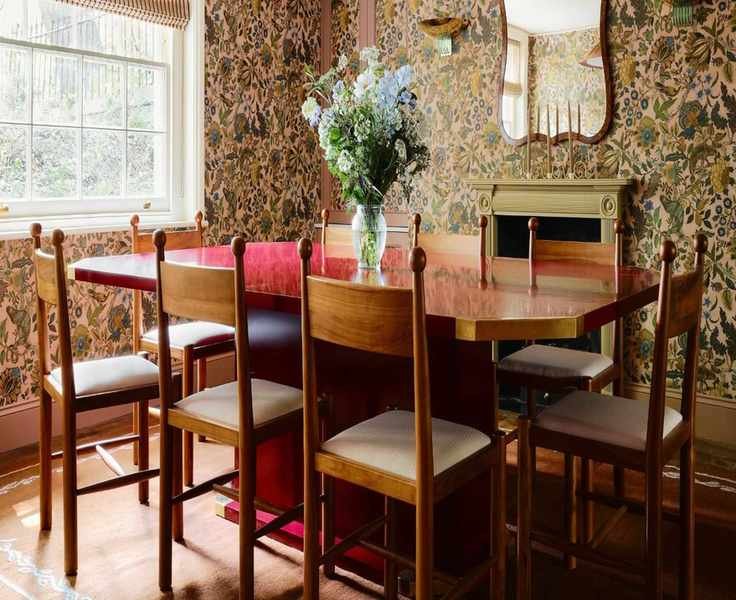
When I began decorating my first home right after college, I believed that buying complete furniture sets was the best choice—simple, adult, and instantly complete. However, this approach left my space feeling generic and lifeless, much like a showroom.
Matching furniture sets rank high on the list of outdated trends for 2025, making homes appear dated. So, how can you refresh your space?
Inviting spaces often have a curated feel. By mixing furniture styles, eras, and current trends, your home becomes a reflection of your unique style, guided by expert design principles. Designers regard mismatched furniture as a valuable secret, and now you’re in on it.
Is Mismatched Furniture Essential for a Designer-Led Home?
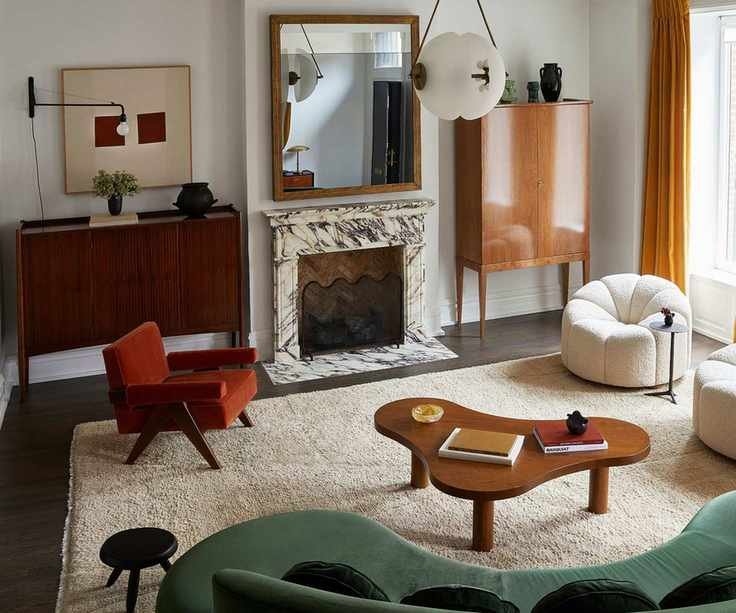
Thoughtfully selected mismatched furniture creates a room that feels personal and layered, rather than straight from a store.
“Think beyond the set,” suggests Jennifer Walters from Folding Chair Design Co. “In the past, people would buy entire bedroom sets from stores, often with six pieces that looked identical. Those times are gone. When you enter a room, you want to appreciate each piece individually.”
“Unlike mainstream trends that dictate uniformity, assembling a home with mismatched items fosters depth and uniqueness,” states Tom Rutt, director of Tom Rutt Studio. “Character-rich spaces narrate a story and showcase your personality. Your furniture can turn a house into a home, passing down heirloom pieces through generations.”
This approach doesn’t break design rules; rather, it rewrites them to create a stylish home that truly feels like you.
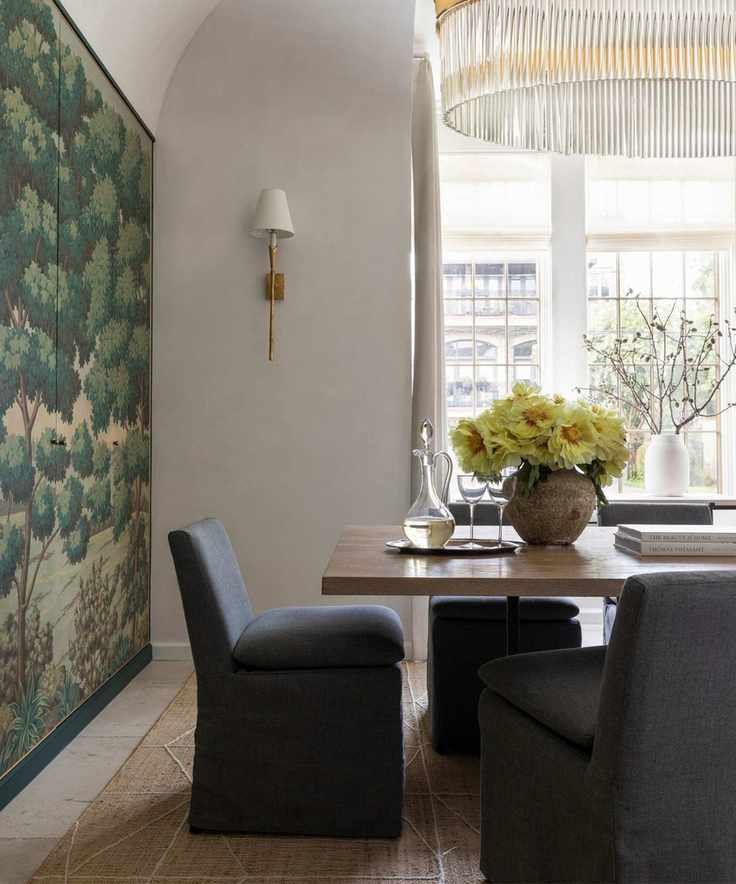
“A well-designed space tells a captivating story, which becomes even more engaging when the pieces aren’t perfectly coordinated,” explains renowned designer Marie Flanigan. “A contrasting sofa paired with different armchairs creates layers of texture and personality that make a space feel thoughtfully curated. Mixing styles introduces depth and conveys that the room has evolved over time.”
“This collected-over-time method allows each piece to stand out while contributing to the overall harmony. It’s the balance of contrast and unity that achieves a timeless look for your home,” she adds.
Whether it’s a new acquisition, a family heirloom, or a vintage find from a flea market, blending items from various periods and styles results in a home that sparks interest and conversation.
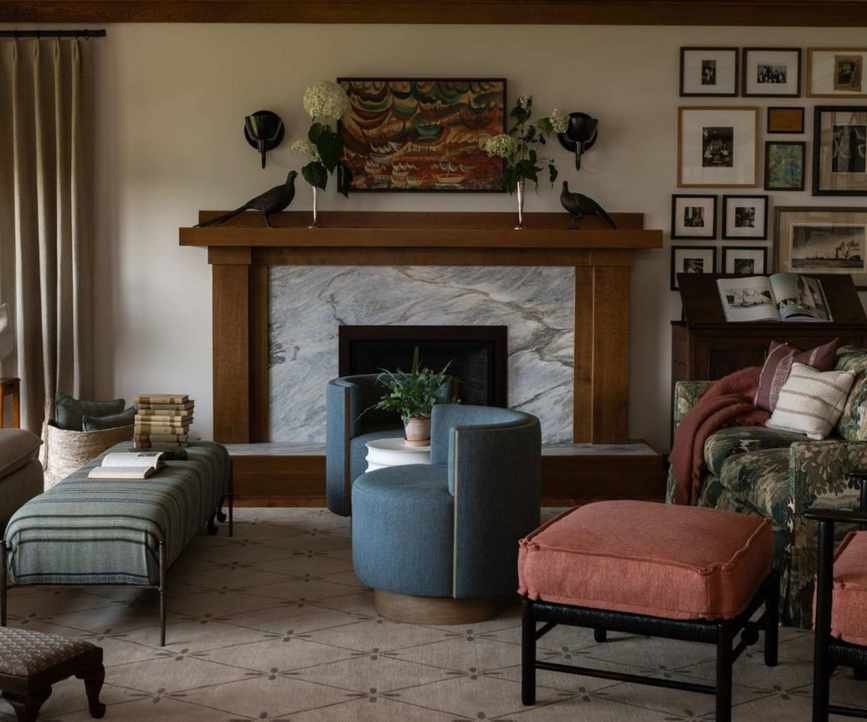
“Furniture sets often create forgettable environments; I prefer selecting pieces that invite conversation,” says Kelly Zerbini, principal at Dunnam Zerbini Design. “It’s incredibly rewarding when my clients receive compliments about their distinctive furniture.”
“I advocate for intentional mixing and matching,” shares interior designer Kathy Kuo. “Mismatching doesn’t mean random; it’s about blending colors and styles that complement each other. There’s immense creativity and beauty in combining diverse elements that feel genuine and joyful,” she adds.
Designers are moving away from matching sets towards a more eclectic approach. Yet, mastering this blend requires artistry. While mismatching feels liberating, following a few guidelines can simplify the process.
Expert Tips for Mismatching Furniture
1. Choose a Unifying Element
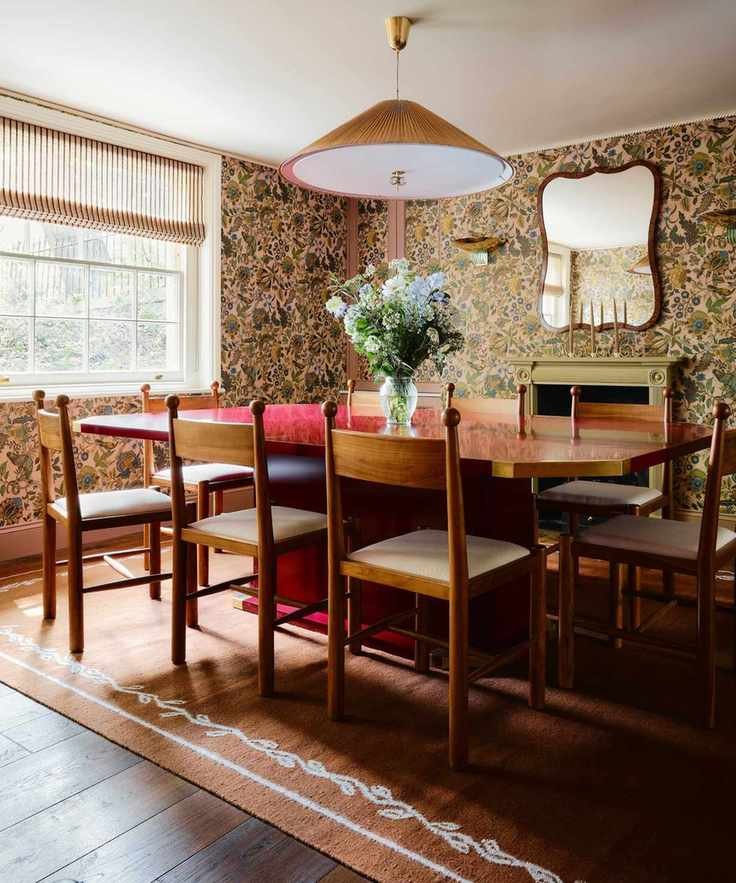
Mismatching doesn’t imply anything goes. It’s crucial to strike a balance between contrast and harmony by identifying common threads that connect different pieces, as highlighted by the red thread theory.
“When executed thoughtfully, mixing finishes and fabrics adds visual intrigue and creates a collected feel. However, this approach isn’t suitable for every room,” warns Kailee Blalock from House of Hive Design Co. “If you’re trying the mismatched method, start with a unifying element, like using the same material or color family for all dining chairs, to ground the design while maintaining an eclectic vibe.”
“Mixing furniture presents a fantastic chance to express your personality and craft a unique, stylish space,” adds Emily Henderson. “Feel free to blend styles, but ensure a cohesive color palette and similar materials,” she advises.
2. Balance Vintage and New
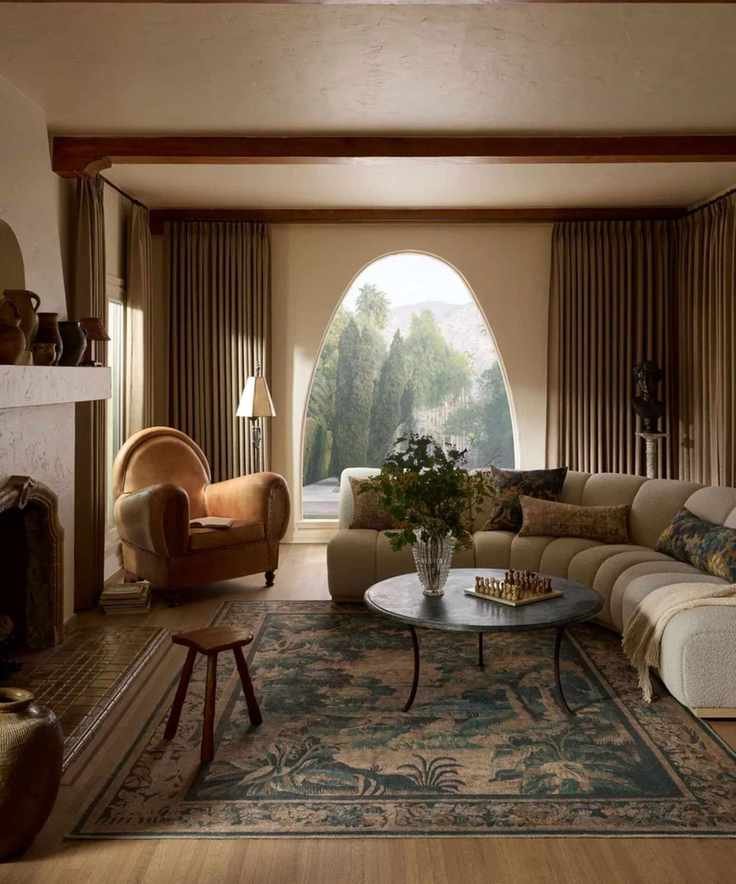
A great way to embrace mismatching is through a transitional design that blends old and new.
“We love incorporating vintage pieces alongside newer items and playing with scale,” notes Jennifer. “Mismatched lamps, diverse sofas, and smaller accent chairs beside larger upholstery can create that curated look. Pattern mixing and various finishes ensure each home is distinctive.”
For this blend, consider thrift store finds to enhance your living room or bedroom, alongside current trendier pieces. You can also check our list of must-thrift items, according to designers.
3. Mix Colors and Patterns Thoughtfully
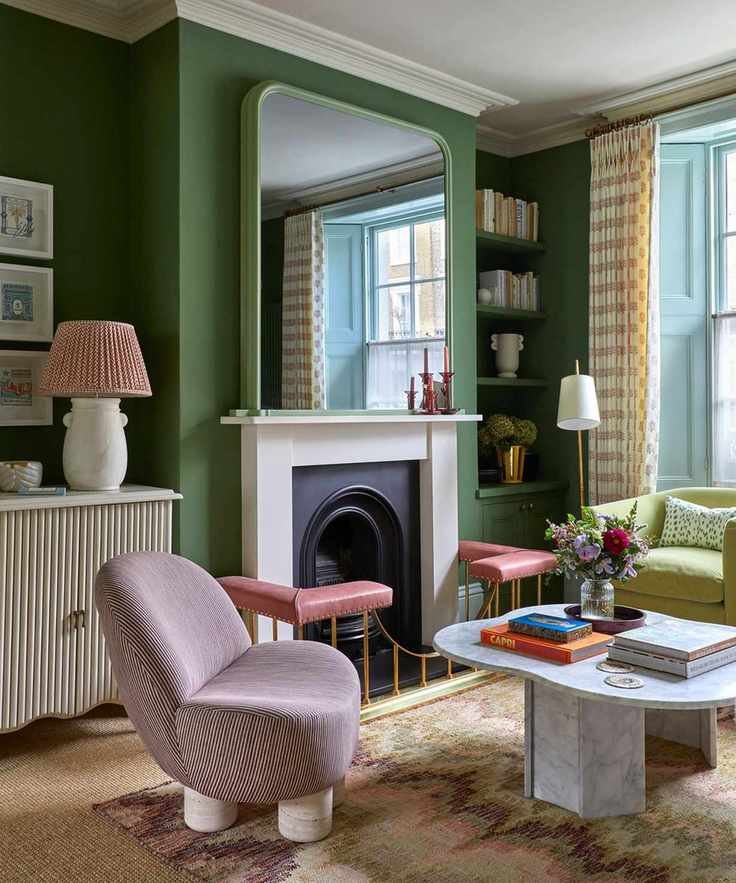
A cohesive color scheme is often the foundation of this eclectic look, preventing chaos.
“As a design studio, we believe in filling a home with a collection of pieces instead of sets. When mixing different eras and styles, we focus on connectivity through color,” explains Gabriela Gargano, principal at Grisoro Studio. “A cohesive palette allows the room to flow, making each piece unique yet harmonious through diverse shapes and materials.”
Establish a clear color palette. It doesn’t need to be restrictive, but a common thread will ground the design, allowing for more unexpected combinations, like integrating some bold red or chrome in smaller accents.
4. Experiment with Finishes and Textures
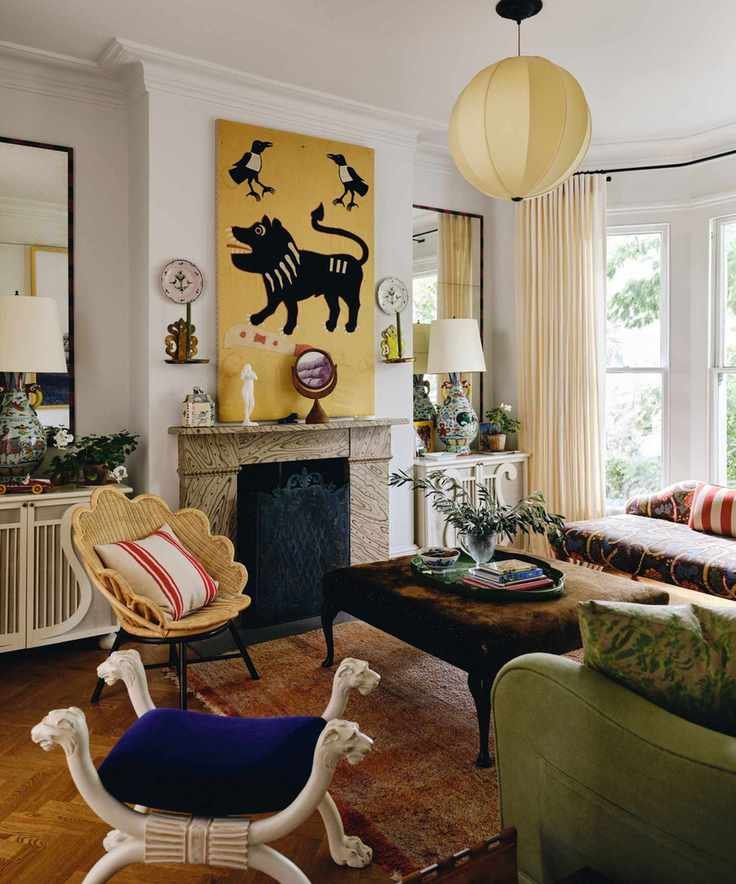
Details like hardware and the finish of different wood or stone elements ensure that even if your pieces don’t match, they still work together.
“I rarely buy matching furniture sets; I prefer to curate items from various makers and periods to create a more interesting and nuanced space,” shares Rachel Sherman, principal at Rachel Sloane Interiors. “I typically mix textures to avoid anything feeling too similar.”
This principle applies throughout your home. If you think nightstands should match, they don’t have to. For example, if your nightstands are wooden, your dresser can be painted, linen-wrapped, or feature unique details.
“I also ensure that the legs of pieces vary so each feels distinct,” she adds. “I pay close attention to hardware to ensure they complement each other in both finish and style.”
5. Consider Scale
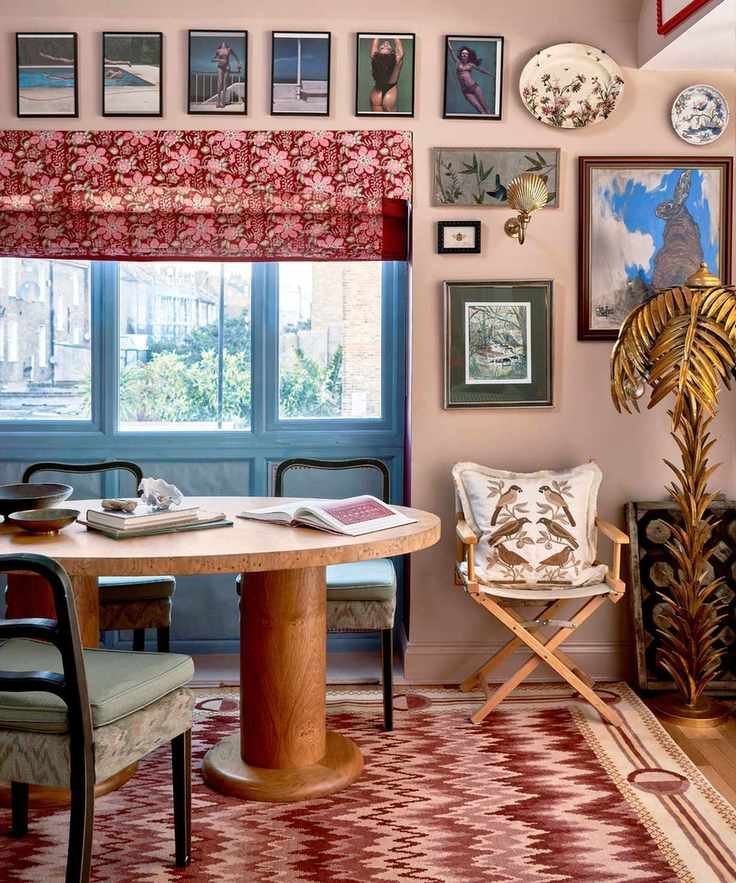
Scale is crucial too. A delicate vintage chair may charm, but not if it’s dwarfed by a large dining table, as Gabriela Gargano explains.
“By verifying the dimensions of each piece, you can avoid mismatches in scale,” she continues.
Kelly Zerbini adds, “Clients often find antiques smaller and lower than expected. It’s essential to slow down, review dimensions, and ensure that the chair's scale fits its environment.
“The relationship between the dining table and chairs is one I love to consider,” says Kelly. “They should complement each other, creating a polished look without being predictable—material, scale, and openness are all vital in selecting mismatched pieces.”
After trying out mixing and matching in my own space, I can confidently say I’ll never revert to full sets. There’s immense satisfaction in entering a room that feels layered and personal, where each piece has its purpose without striving for perfection.
Plus, I cherish that each item has a story: a table from Facebook dubbed the 'happy table', vintage Danish chairs from an antique fair, or the butcher’s block that graced my grandmother's kitchen.
Mismatched furniture infuses your home with character, as no two combinations will ever be alike. This approach opens up a more creative way to style your space.



