
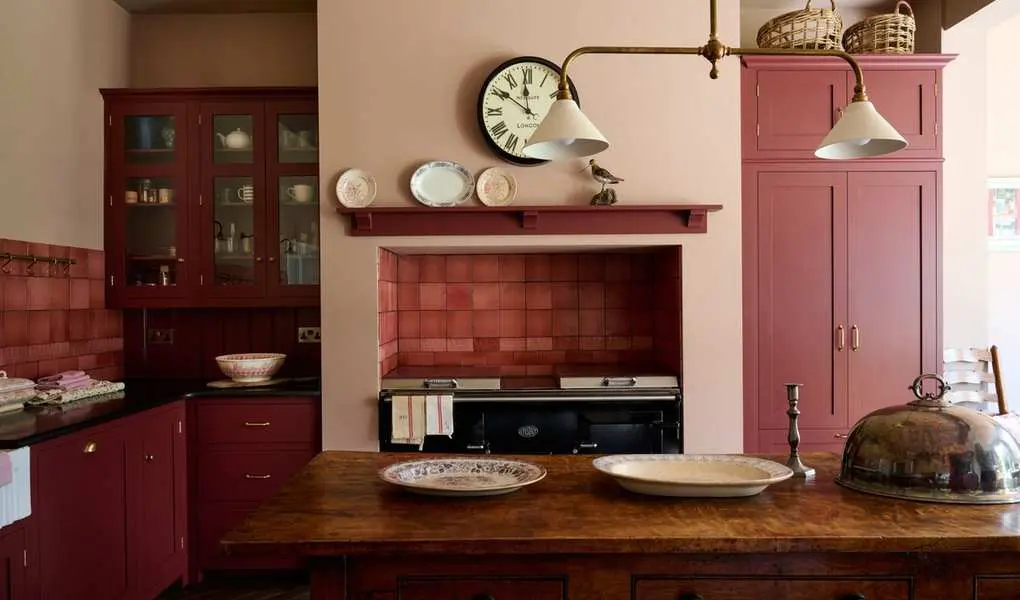
Making the most of what we have is often key to saving money at home. However, when it comes to appliances, this rule doesn't apply.
Outdated appliances can secretly inflate your energy expenses by hundreds each year, often costing more in the long run than a timely upgrade.
Experts highlight this common blunder as a major setback in efforts to reduce energy bills. Here's why they advocate for an upgrade.
Why Old Appliances Increase Your Costs
While they may have been the top appliances for your kitchen when new, they deteriorate over time, even with proper cleaning and upkeep.
Professionals explain that aging appliances tend to work inefficiently due to wear and tear, leading to higher energy consumption. An appliance past its prime could consume up to 1,000 extra kilowatt hours (kWh) per year.
This usage is reflected in your energy bills. For instance, a fridge aged 15 or 20 years can use two to three times more energy than a modern Energy Star model, resulting in an additional $100–$200 annually based on standard electricity rates.
Older dryers also contribute significantly—an outdated electric dryer can increase energy bills by $50–$120 compared to a newer model. Dishwashers and washers may not consume as much, but can waste hot water, adding $20–$60 to your yearly costs.
Fortunately, there are clear indicators that it's time to upgrade your appliances. Signs include fridges that leak, dryers that fail to dry on the first go, or washers that shake excessively or leave clothes smelling musty.
If your fridge or freezer frequently emits rumbling noises, it's likely struggling to maintain the right temperature. Persistent issues may signal the need for a replacement.
'When repair costs pile up or a single fix exceeds half the cost of a new unit, consider an upgrade,' an expert advises.
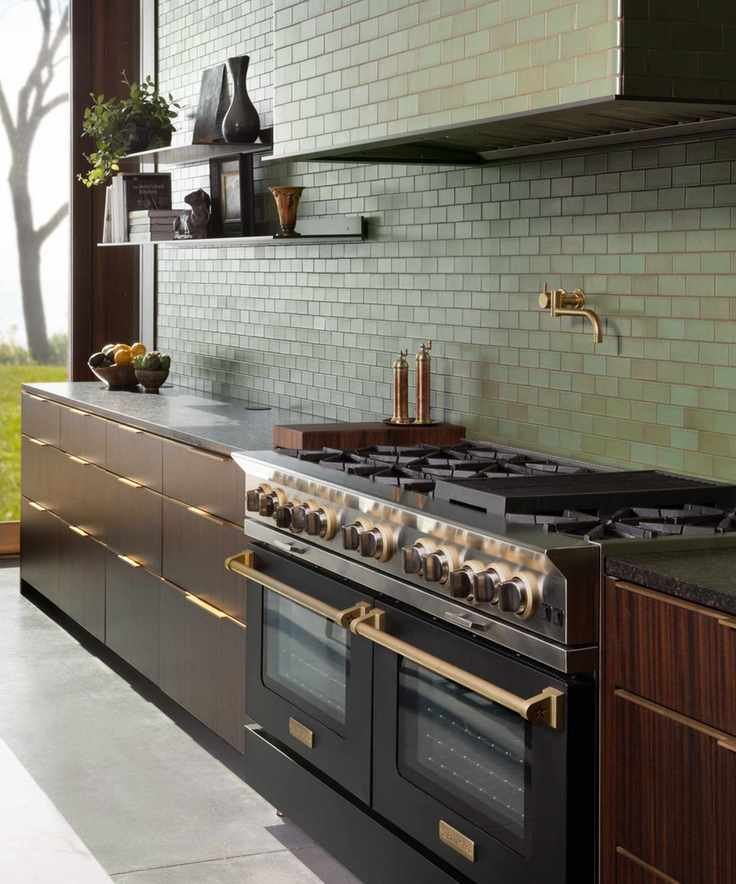
Well-maintained appliances operate more effectively.
If your appliance is over a decade old, frequently malfunctions, or draws around 1 kWh/day or more (for a fridge) using a plug-in meter [available at Walmart], upgrading is usually worth it within a few years, quicker if your energy costs are high. Start with the fridge and dryer for the most substantial savings.
Whirlpool is a solid option for finding energy-efficient appliances that meet EPA standards.
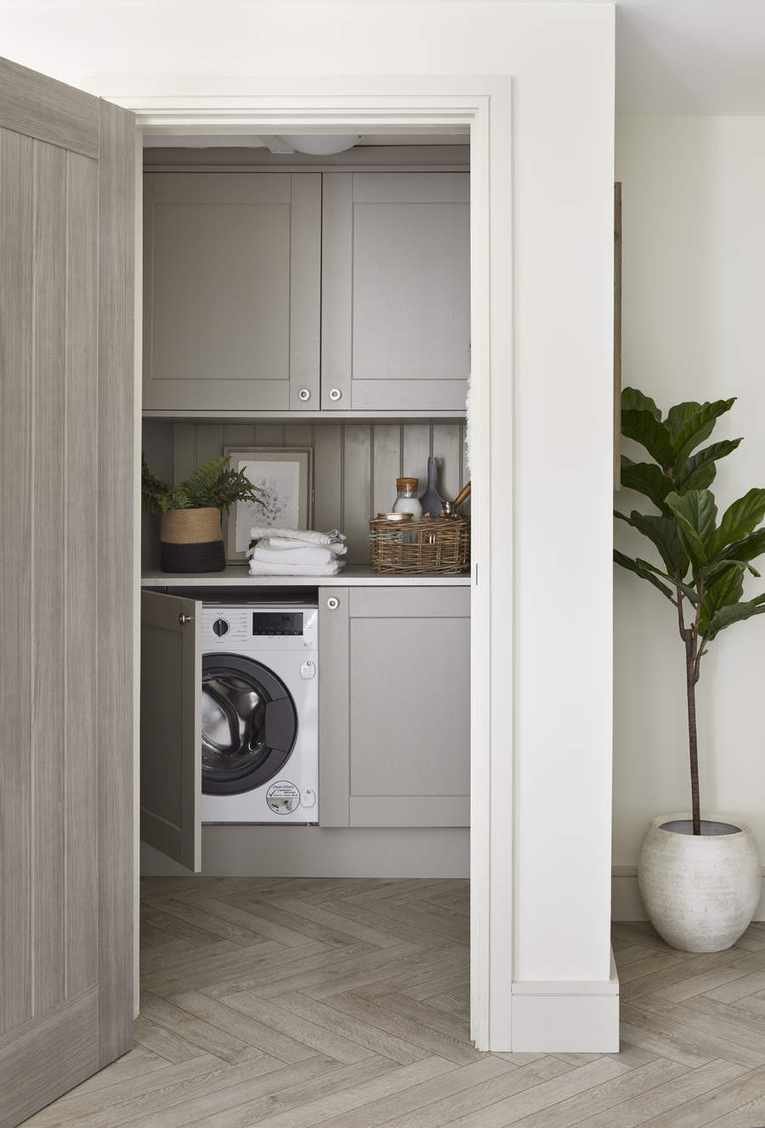
Regular maintenance enhances appliance longevity.
Selecting energy-efficient appliances can help you reduce costs at home as well.
Experts point out that new appliances can also mitigate fire hazards and leaks, while producing better results. A well-sealed fridge preserves food quality, and a clean, modern dryer improves drying times and reduces heat buildup. Fewer breakdowns mean less need for emergency repairs.
Additionally, upgrading appliances can enhance your sustainability efforts, lowering your carbon footprint. Just be sure to dispose of old appliances properly.
Shopping Recommendations
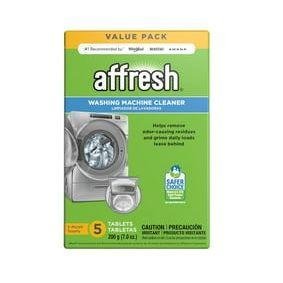 Pack of five
Regular cleaning of your washing machine keeps it running efficiently and ensures clean, fresh laundry.
 Oven and Stove Top Cleaner
This plant-based oven cleaner minimizes your exposure to harsh chemicals while effectively removing grease buildup for safer cooking.
 Ideal for fridges
Using an electrostatic duster helps eliminate dust from refrigerator coils, lowering operating costs and extending appliance life.
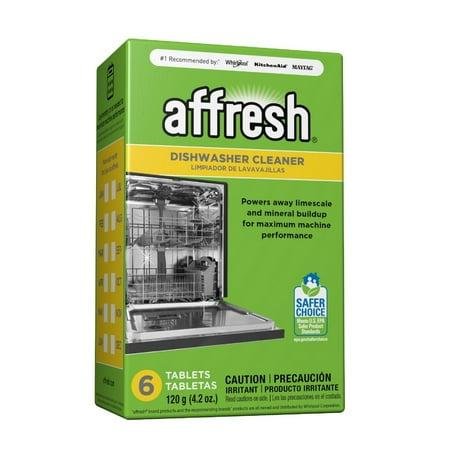 Pack of six
These powerful tablets clean hard-to-reach areas in your dishwasher, ensuring longevity for your appliance.
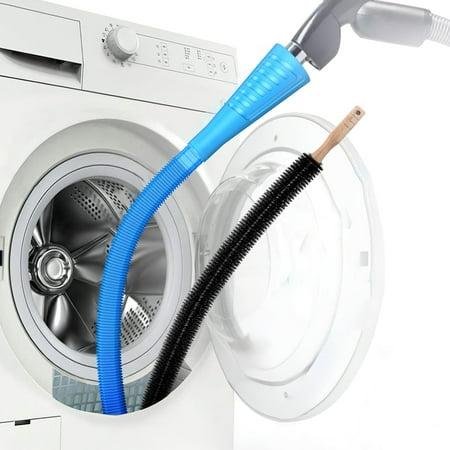 Minimizes fire risk
This vacuum attachment helps remove lint build-up in your dryer vent, reducing fire hazards and improving efficiency.
 Machine washable
These reusable microfiber cloths can last for years with proper washing and care. Clean on a warm cycle without fabric softener to maintain absorbency.
Meet the Experts

Dennis is a refrigerator repair expert with over 20 years of experience. He has been featured in publications like Family Handyman, House Digest, and Southern Living.
While there are maintenance tasks that can help reduce energy bills for older appliances, such as cleaning condenser coils and lint screens, nothing compares to the benefits of upgrading.



