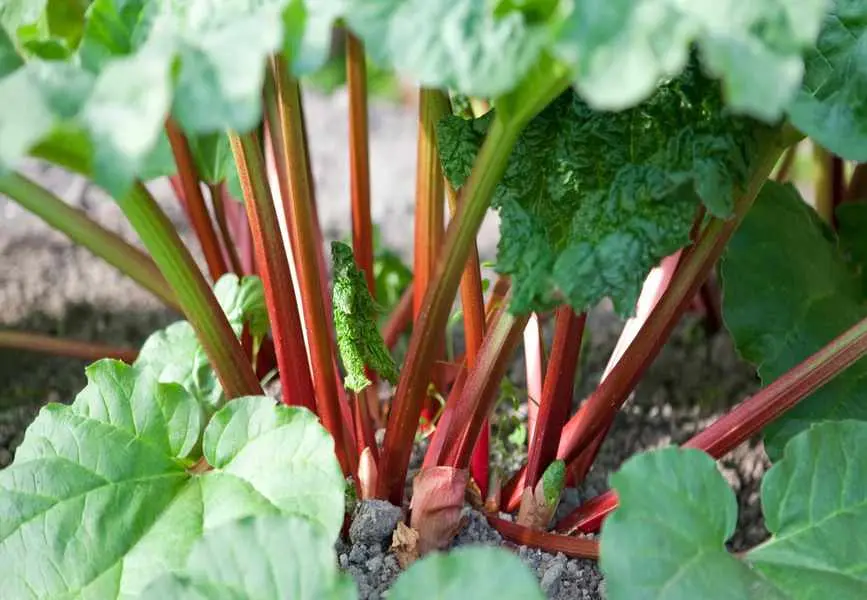
Rhubarb is a low-maintenance vegetable that thrives when planted at the right time. Knowing when to plant is crucial for a successful yield.
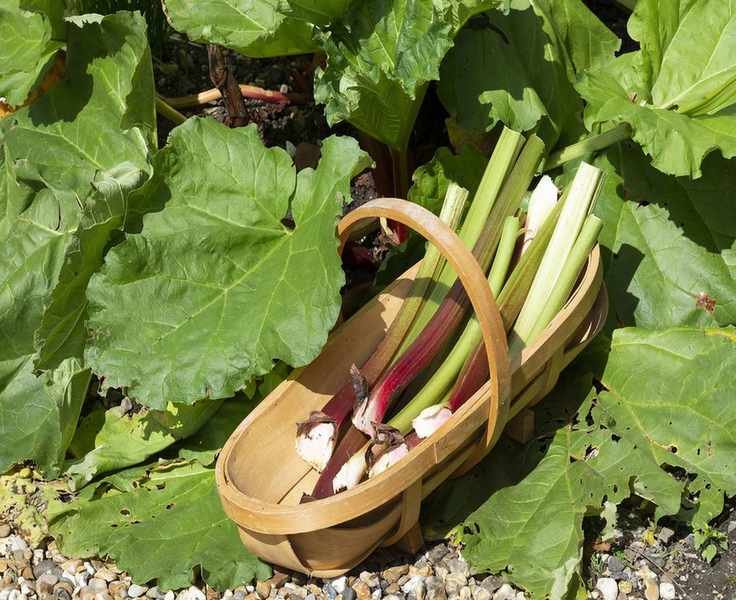
With its large, umbrella-like leaves and crisp stems, rhubarb not only enhances your desserts but also beautifies your garden.
Store-bought rhubarb often has thin, stringy stems, while homegrown varieties yield robust, tender stalks. Thus, mastering rhubarb cultivation is definitely worthwhile.
This plant is perfect for novice gardeners, as it's hardy once established, produces abundant stems, and can provide yields for multiple years.
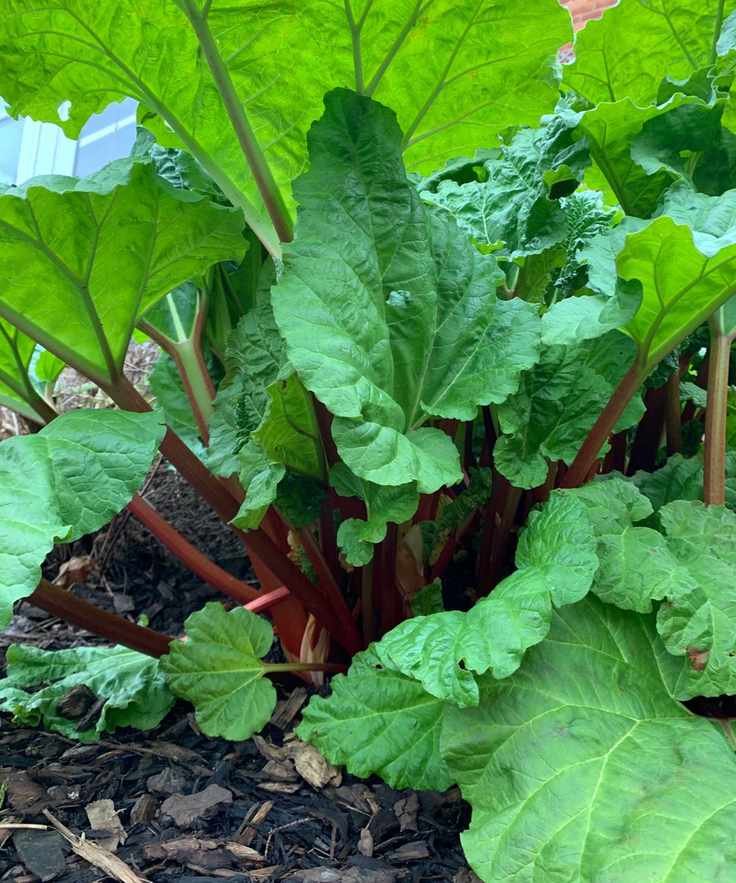
Best Times to Plant Rhubarb
Several factors determine the ideal planting time for rhubarb, including whether you're starting from seed, bare root crown, or small plant.
Planting Rhubarb Crowns
Rhubarb is frequently available as a bare root crown. Since it thrives in cooler seasons, planting can be tricky in warmer areas. To ensure the best chance for success, consider timing carefully.
Rhubarb crowns should be planted in early fall or early spring while still dormant, as this promotes root development. Moist, warm soil will help prevent transplant shock.
While these crowns don't require cold protection, avoid planting in frozen or dry soil. Wait for the spring thaw or increased moisture in the fall.
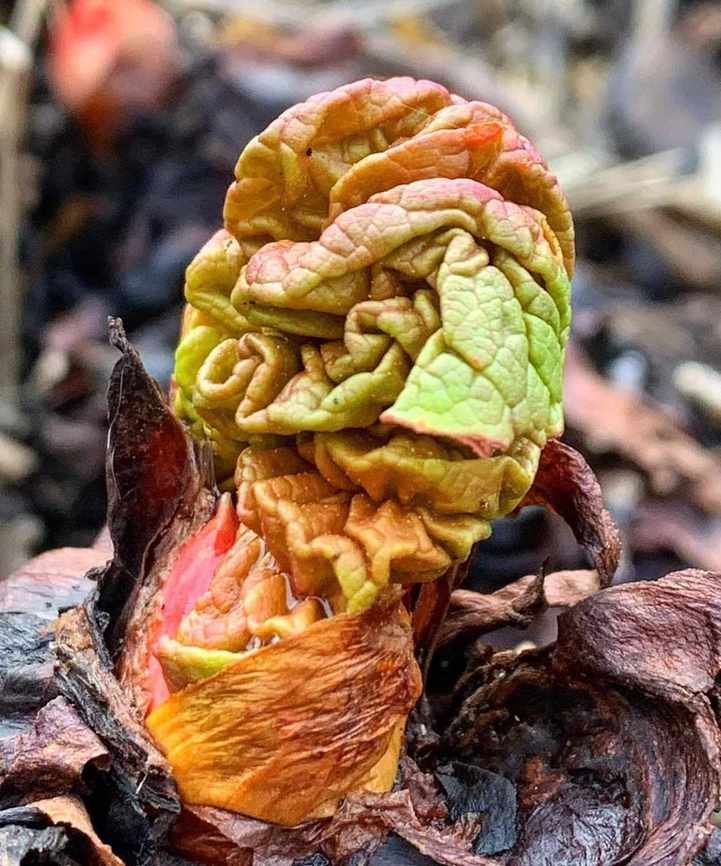
Bare-root crowns can appear odd, sometimes lacking visible growth or only showing old, dry sections. Be sure to position any buds or old growth facing upwards, slightly above the soil surface, to promote healthy growth.
Once established, rhubarb crowns are resilient and can withstand disturbances and varying weather conditions.
If you have mature rhubarb plants, consider dividing them to create additional crowns for your garden or to share with others.
Growing Rhubarb in Containers
Rhubarb can also thrive in containers, making it a fantastic addition to your potted plant arrangements.
You can plant actively growing rhubarb in containers at any time. Just ensure the potting mix is light, well-draining, and rich in organic content.
For optimal growth, choose deep pots, ideally at least 20 inches (50 cm) in depth and width. Proper drainage is essential, so make sure the pots have sufficient holes and water them regularly to maintain soil moisture.
Initially, containers won't have the benefit of deep roots, so water thoroughly when planting to help establish the plant. Deep watering is more effective than frequent shallow watering.
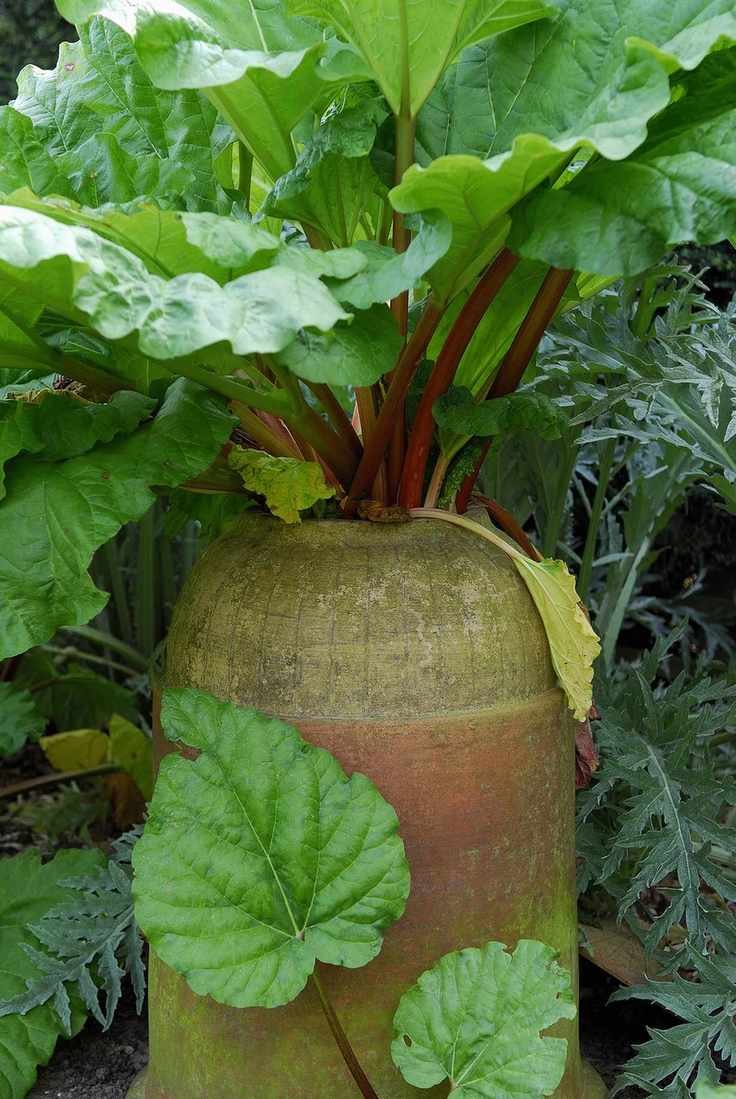
For a unique approach, you can force rhubarb by blocking light, which accelerates stem growth.
According to gardening expert Stephanie Hafferty, forced rhubarb yields softer, less tart stems but advises against frequent forcing to maintain the plant's health.
Planting Rhubarb from Seeds
For seed planting, timing depends on your region's last frost date. Sow seeds approximately 8-10 weeks before this date.
Although it's possible to grow rhubarb from seed, it's a slow process. Expect several years before harvesting, making this option less appealing for those seeking quick results.
Starting with a crown or transplanting established rhubarb is the fastest route to growing this plant.
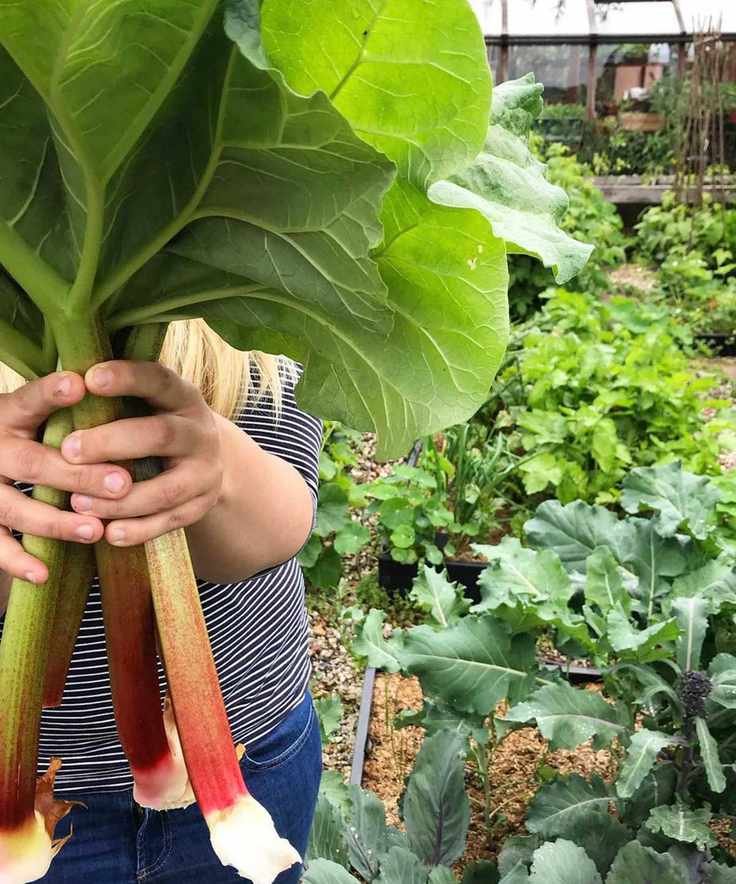
Ideal Locations for Planting Rhubarb
Choose well-drained soil rich in organic matter, such as compost, for planting rhubarb. It adapts to various soil types but thrives in cooler climates.
For reliable yields, consider varieties like Crimson Cherry or Victoria, which offer great flavor despite color variations.
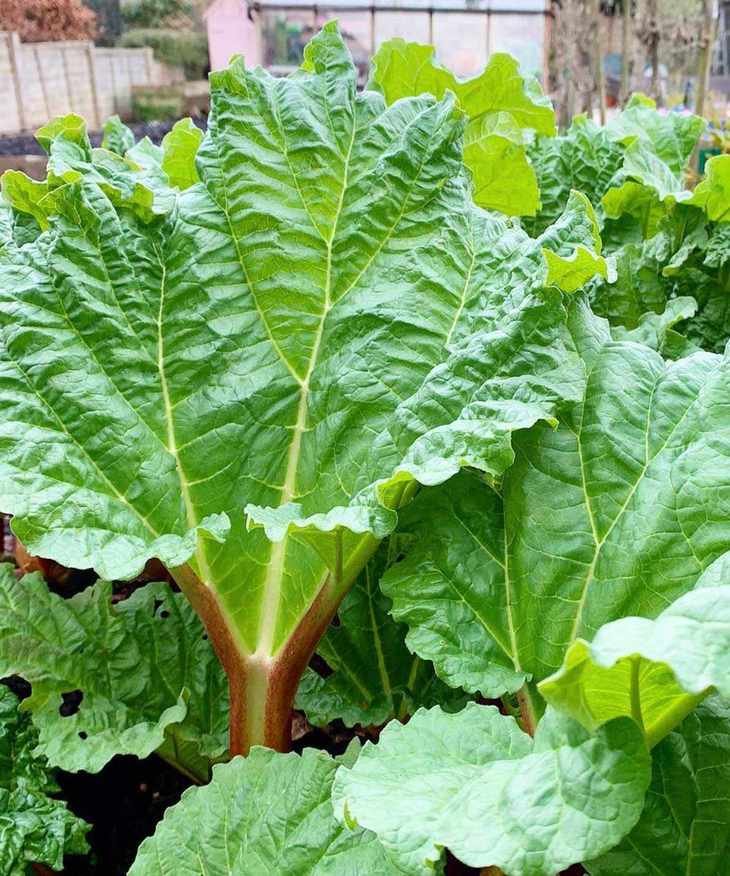
Sunlight Requirements for Rhubarb
Rhubarb prefers full sun but can tolerate partial shade, according to Misella Della Llana.
Ensure the plants receive at least six hours of sunlight daily during the growing season.
Can You Harvest Rhubarb in Its First Year?
When considering harvesting rhubarb, it's best to wait until the third year to allow roots to establish fully, advises Carrie Engel from Valley View Farms.
However, Misella Della Llana suggests minimal harvesting in the second year, provided stalks reach 12 to 16 inches (30 – 40 cm).
Ultimately, your plant's growth and adaptation to its environment will dictate harvest timing. Patience is key for future yields. Leaves play a crucial role in energy production, so removing them early can hinder growth.
These tart stalks are versatile and can be used in various recipes, including pies, jams, and beverages.