
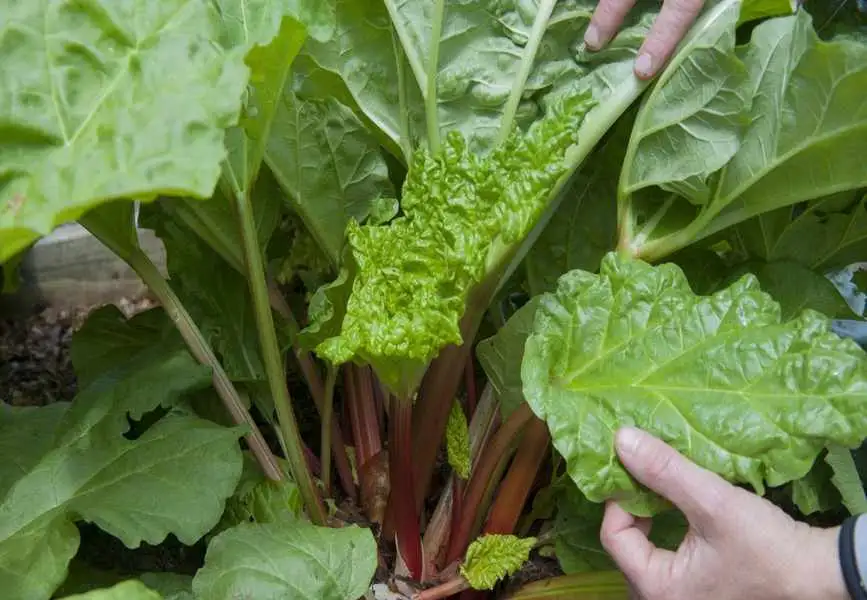
Rhubarb is a dependable and easy-to-care-for perennial that's perfect for any productive garden. You can enjoy its stems in various dishes, including crumbles, pies, and jams, for many years. Starting this plant from seed is one option, although not the most common.
While growing rhubarb from seed isn't the quickest way to harvest stems, it is an affordable method to produce crowns. During my time at a historic vegetable garden, I cultivated rhubarb from seed every year to ensure a continuous supply of healthy crowns.
This guide will provide you with steps to grow rhubarb from seed both indoors and outdoors, ensuring strong germination for a healthy start.
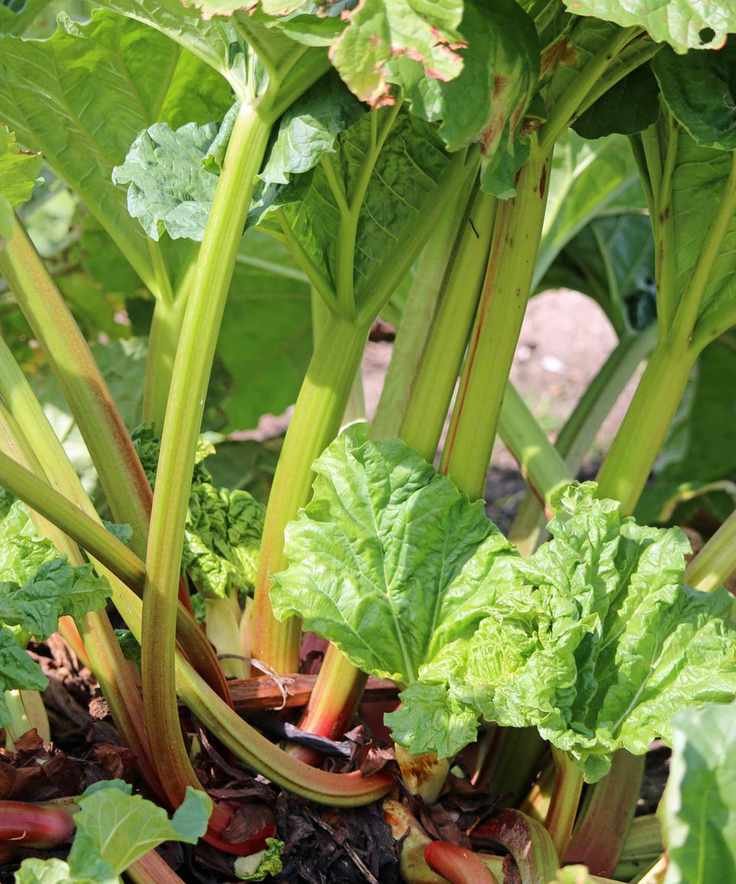
Can rhubarb be grown from seed?
Sowing seeds is budget-friendly, yet it's not the simplest approach. Plus, you'll need to wait several years before you can harvest rhubarb.
Alternatively, planting rhubarb crowns allows for quicker harvests, often within a year, versus at least three years for seeds. Another common propagation method is dividing plants, which is great for replicating established crowns.
Despite the wait, growing rhubarb from seed can be straightforward and fun. If you're patient and up for a growing challenge, here are some helpful tips to kickstart your journey.
You can choose to sow seeds indoors or outdoors, with timing influenced by your US hardiness zone. The climate plays a crucial role in how you cultivate rhubarb. In US hardiness zones 8 and lower, rhubarb thrives as a perennial vegetable. Seeds should be sown in spring, leading to harvests for many years.
In US hardiness zones 9 and above, rhubarb is grown as an annual due to its dislike for heat. Here, seeds should be sown outdoors in late summer.
Starting rhubarb seeds indoors
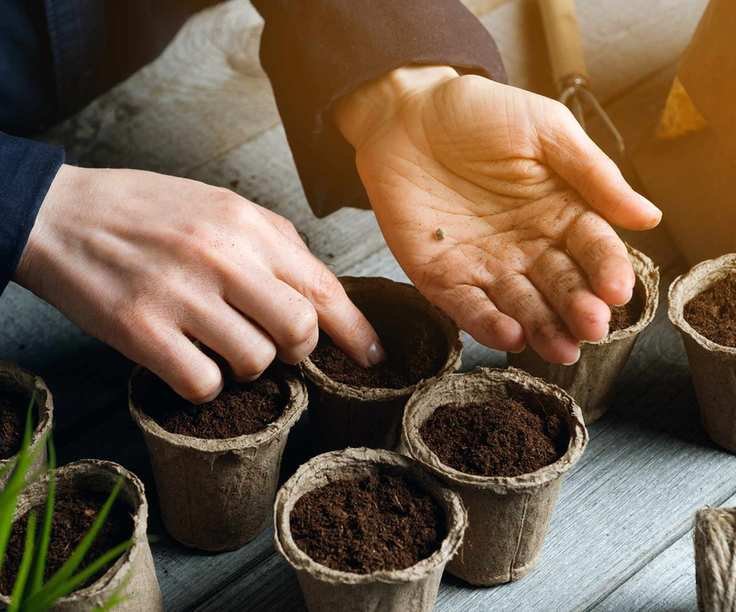
Begin by sowing seeds indoors in early spring, ideally in a greenhouse or warm windowsill. Soaking seeds for a few hours before planting can enhance germination, though it's optional.
Use trays, modules, or small pots filled with a seed-starting potting mix—this is the best option rather than recycled potting soil or garden soil.
Plant seeds half an inch deep, then cover lightly with compost or vermiculite. Avoid burying them too deep as it can hinder germination. Keep the soil moist and place the container in a bright, warm spot, maintaining temperatures of 65-75°F.
Keep the soil consistently moist, and the seedlings should emerge within a couple of weeks. Once the true leaves are large enough, pot up the seedlings and transplant them to the garden after the last frost.
Rhubarb 'Victoria' is a classic variety I grew as a gardener. It produces large, sweet stalks and can thrive for up to 15 years in zones 4-8.
This all-natural seed starter mix is perfect for starting rhubarb seeds indoors. It contains sphagnum peat moss, perlite, and yucca extract to encourage robust root growth.
A heated propagator can enhance germination success. It maintains a steady temperature of 75°F and includes a vent to control humidity.
Sowing rhubarb seeds outdoors
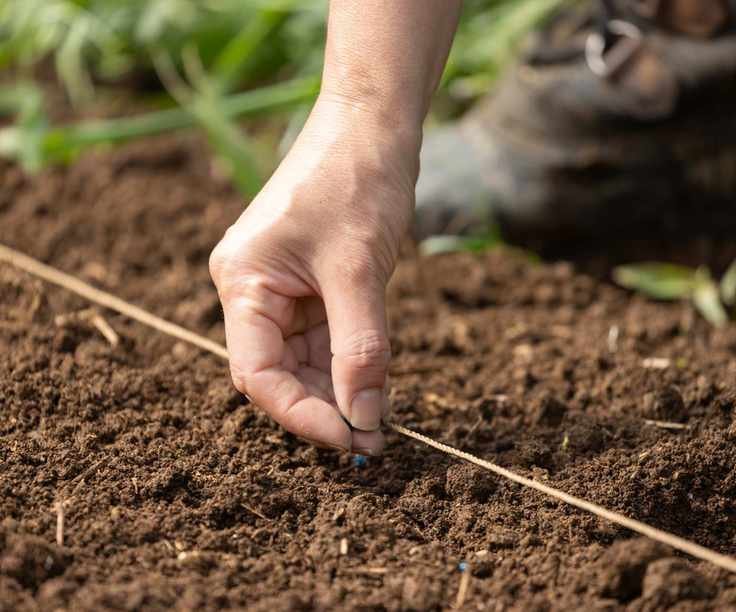
For outdoor sowing, ensure the soil temperature is at least 60°F for successful germination. Sowing in cold, wet soil can lead to issues like seed rot.
In US hardiness zones 8 and lower, wait until frost risks have passed and use a soil thermometer to check readiness. For zones 9 and above, the soil will be warm enough for sowing in late summer or early fall.
Prepare the planting bed by weeding thoroughly and leveling the soil. Adding organic matter like compost or well-rotted manure will enhance fertility and moisture retention for growing rhubarb.
Sow seeds half an inch deep and at least six inches apart in rows spaced around five feet apart. Keep the soil moist and thin seedlings to at least two feet apart as they grow.
One downside of outdoor sowing is the increased risk of harsh weather and pests like slugs or snails. Protect the area with cloches for warmth and safeguard seedlings with rough surfaces or beer traps to deter slugs.
FAQs
How long does it take for rhubarb seeds to germinate?
Rhubarb seeds germinate quickly, typically within 1-2 weeks. Spring-sown plants can be ready for transplanting outdoors after hardening off by late spring or early summer.
For the first year outdoors, no fertilizer is needed, but from year two onwards, fertilize twice yearly. Use a nitrogen-rich fertilizer in spring and phosphorus-rich in fall for optimal growth.
You might be able to harvest a few stems in the second year, but it's best to wait until the third year for a full harvest. From the third season, you can enjoy rhubarb in a variety of dishes.
Once established, you can also force rhubarb for earlier, sweeter stems each season. Forcing involves covering the crowns with a pot or box in late winter to block light, encouraging sweeter stems.
This technique is suitable only for strong, healthy plants and shouldn't be done every year on the same crown.



