
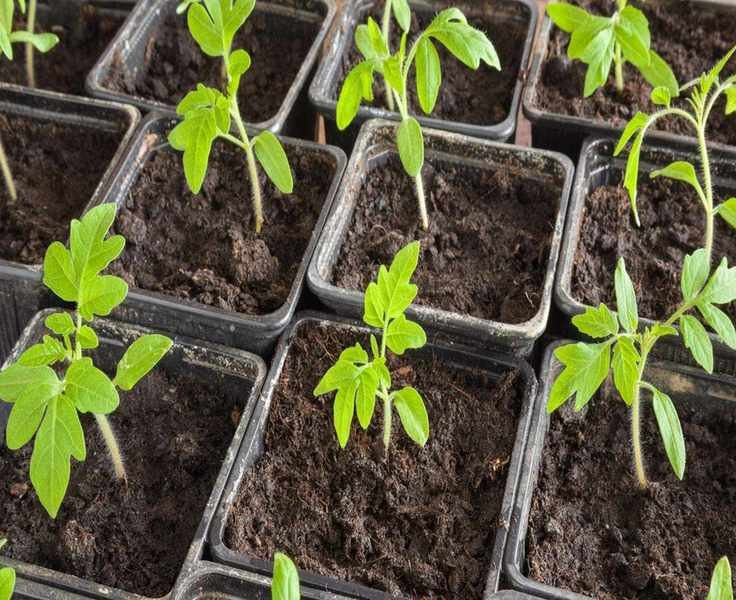
Seeing yellow leaves on your tomato seedlings can be alarming. While it’s exciting to watch your seedlings sprout, it’s disheartening when they show signs of distress.
If you've ever grown tomatoes, you might have asked yourself, why are my tomato seedlings turning yellow?
Don’t worry! Yellowing leaves are a signal, not a death sentence. Various factors can lead to this issue, including watering habits, nutrient supply, light exposure, and disease.
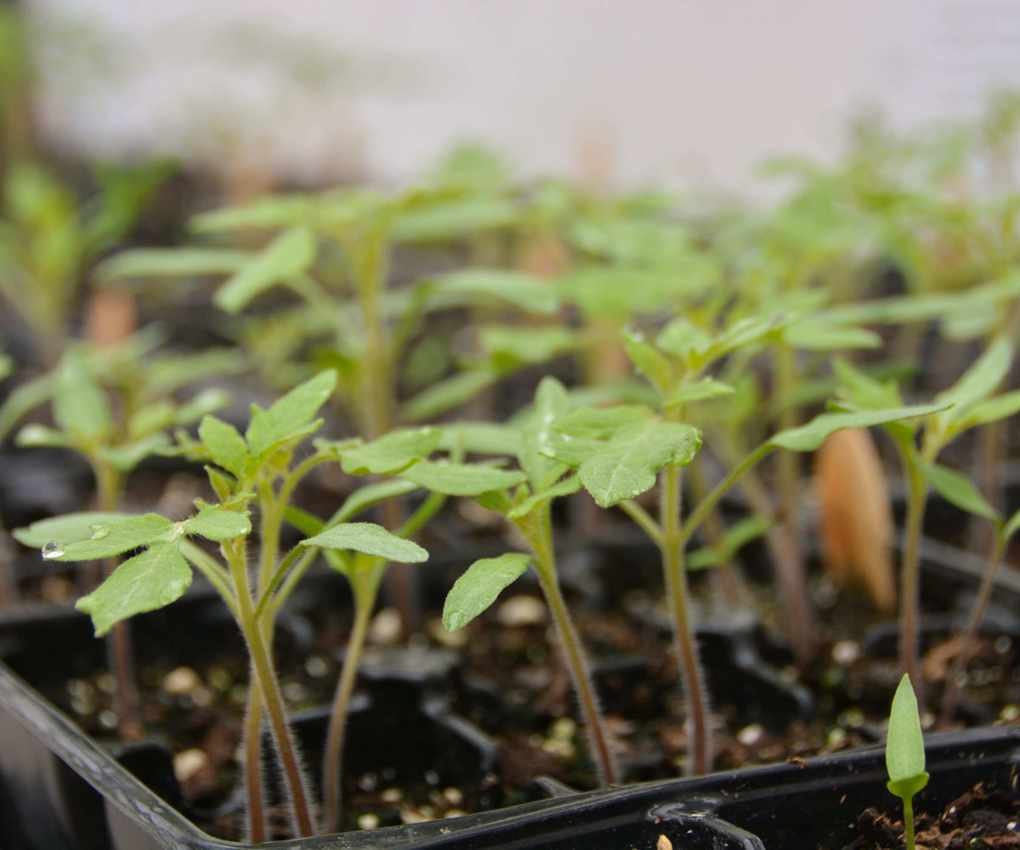
Tomato seedlings thrive under optimal conditions
4 Reasons for Yellow Leaves on Tomato Seedlings
If your seedlings are yellowing, consider the following factors. Let’s explore each cause and how to remedy them for robust growth and a fruitful tomato crop.
1. Watering Issues

Proper watering is crucial for healthy seedlings
Water problems, whether too much or too little, are the top culprits affecting seedlings. After planting seeds, the goal is to nurture healthy growth. However, the fear of under-watering can lead to overwatering.
“If you've been overly generous with water, your seedlings might suffer from soggy soil, resulting in root rot and nutrient absorption issues, leading to yellowing,” explains a gardening expert.
To determine when to water seedlings, check the soil moisture with your fingers. If it feels overly wet, let it dry out before adding more.
Overwatering can also promote mold growth in the soil, a common sign of excessive moisture. Tomato plants thrive with consistent moisture, so aim for damp, not soaked soil. Insufficient water can stress seedlings, causing them to yellow.
This issue often arises when you start seeds indoors. As seedlings grow, they can dry out quickly in small containers. Transplanting them into larger pots can help mitigate this risk.
If the soil is dry, it’s a sign your plant needs water. Consider bottom watering by placing pots in a tray of water to absorb moisture, especially for those in trays.
2. Nutrient Deficiencies
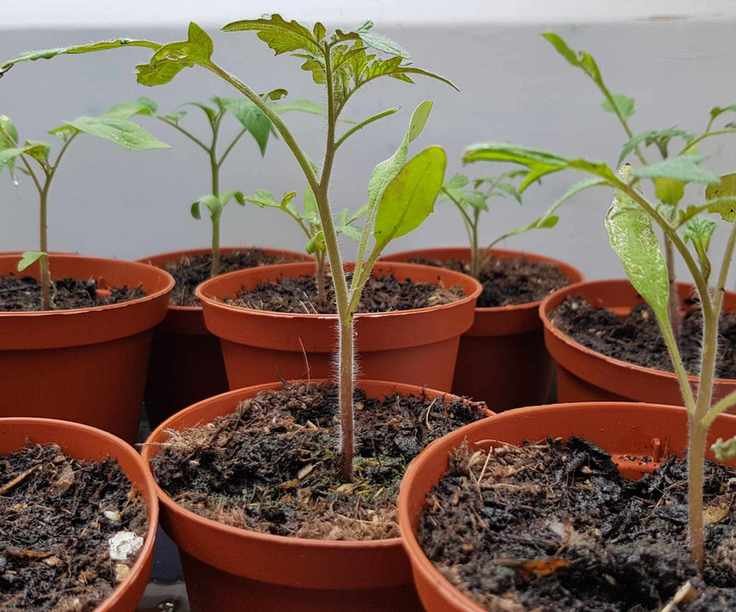
Healthy seedlings benefit from adequate nutrients
A lack of essential nutrients can lead to yellow leaves on tomato seedlings, especially nitrogen and phosphorus deficiencies.
Seeds contain the nutrients needed for germination, and using quality soil without added fertilizer is key, as seedlings rely on this initial food source. Once they develop their first true leaves and require repotting, they can benefit from fertilization.
Incorporating slow-release balanced fertilizer into the potting mix can nourish seedlings until they’re ready for their final planting. However, ensure you check your potting mix ingredients to avoid over-fertilization.
If fertilization has been overlooked, yellow leaves may indicate a need for nutrients. “Try applying a half-strength, water-soluble fertilizer to give them a quick boost and restore their green color,” suggests a gardening authority.
Pour & Feed Plant Food is a ready-to-use option with an NPK ratio of 0.02-0.02-0.02, which can be diluted for seedlings.
3. Insufficient Light
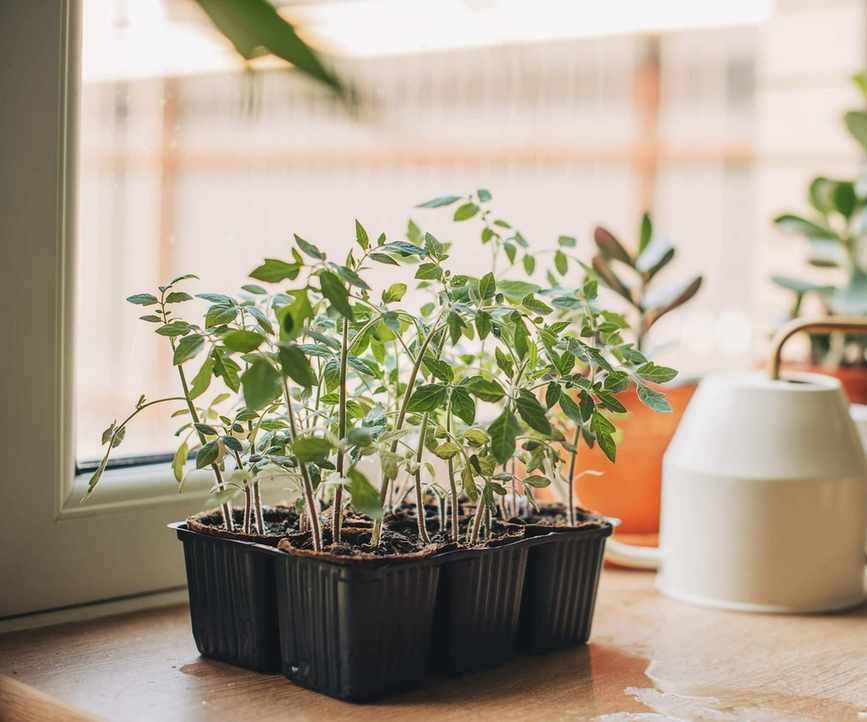
Tomato seedlings require ample light for optimal growth
Another common cause of yellowing leaves is insufficient light. The location and timing of sowing seeds can greatly affect seedling health.
Tomato seedlings need 6-8 hours of bright, indirect light daily. Without enough light, they may become leggy as they reach for it, resulting in reduced chlorophyll production and yellowing leaves.
The best spots for seedlings are sunny windowsills or greenhouses. When growing indoors, supplemental grow lights might be necessary, especially for early sowing.
Avoid extreme direct sunlight, which can scorch leaves. If seedlings are exposed to intense sunlight, provide shade during the hottest parts of the day.
Halo Plant Grow Light features a full spectrum of bright LEDs designed to enhance indoor plant growth.
4. Fungal Diseases
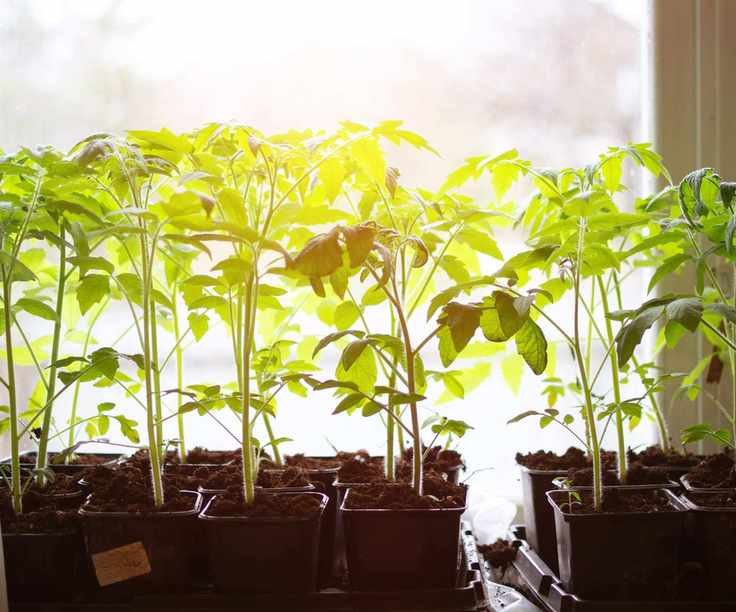
Yellow leaves on tomato seedlings can be treated effectively
Fungal infections can lead to yellow leaves, affecting tomato plants at any growth stage. An expert notes: “Fungus spores can land on leaves and spread, causing significant damage.”
Fungal diseases such as early blight and fusarium wilt can impact tomatoes. Preventive measures include watering from below and controlling humidity levels.
For fungal problems, using organic sulfur dust is recommended. “As soon as you notice yellowing, apply sulfur dust directly to the plants, not as a diluted spray,” advises a tomato-growing expert.
FAQs
How to Revive Wilted Tomato Seedlings?
Wilted seedlings often indicate a moisture deficit. If the soil is dry, place the seedling in a container of water, away from direct sunlight, to rehydrate. It should perk up once adequately watered.
If the soil is wet and the seedling is still wilting, you may be overwatering. Wait for the soil to dry before watering again, and adjust your watering routine.
Timing for starting vegetable seeds indoors can help prevent light or temperature issues. Tomatoes can be sown as early as February, but if you lack grow lights and a heated greenhouse, consider waiting until March or early April.



