
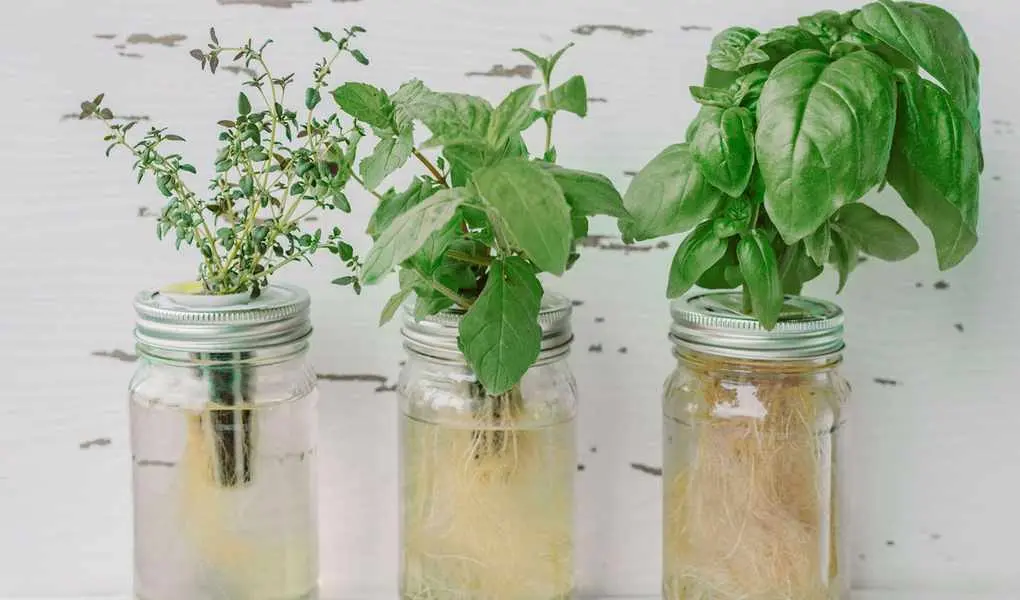
If you enjoy cultivating your own food and crave fresh produce throughout winter, you can achieve this with just water.
Hydroponic gardening is a fantastic approach, especially beneficial for those in urban settings.
Despite its technical-sounding name, hydroponics is simply a method for growing plants indoors without soil, utilizing water infused with nutrients and LED lights to yield healthy, homegrown food. This method allows for the growth of salad crops, houseplants, and flowers year-round.
You can tailor your hydroponic experience to your needs, from a small herb garden on your windowsill to a setup offering fresh strawberries, tomatoes, and greens all year long.
If you're curious about how to grow plants in water as part of your indoor gardening plans, now's the time to embrace the trend.
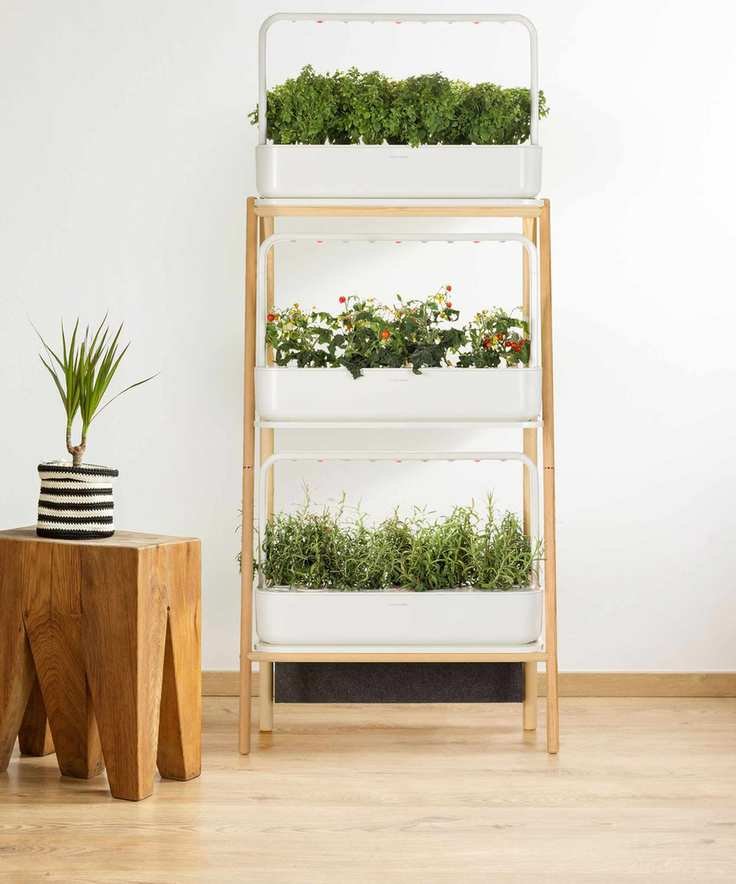
The Smart Garden 27 is a user-friendly hydroponic system that requires only water, light, and nutrients to thrive.
Understanding Hydroponic Gardening
Hydroponic gardening enables soil-free plant growth, as stated by Henry Bravo, founder of SmartGardenHome. By supplying nutrient-rich water, plants can grow more rapidly and healthily compared to traditional soil gardening.
This method enhances your small vegetable garden ideas. Hydroponically grown produce typically displays richer color and better nutrition, thanks to a water recirculation system that effectively delivers nutrients. The direct application of nutrients results in faster growth and robust plants.
Choosing the right nutrients is crucial. According to Angelo Kelvakis, head of R&D for Rise Gardens, plants require differing nutrient ratios for growth versus flowering. Be prepared to adjust your nutrient mix as the plants develop.
Getting Started with Hydroponics
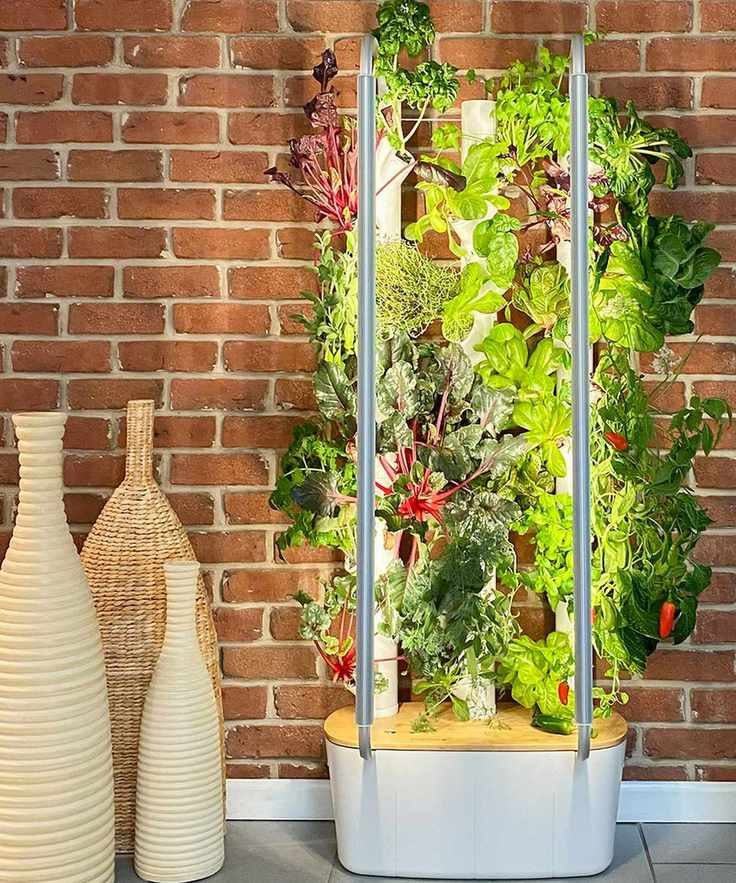
Gardyn's innovative Home Kit 3.0 is designed for up to 30 large plants in just 2 square feet.
For beginners, a tabletop hydroponic garden is an excellent option. These systems include lights, water recirculation, seeds, and nutrients, making setup straightforward with minimal effort for plant growth.
If you want a larger setup, consider a floor system with a spacious water reservoir and built-in lights. While these systems can be pricier, they offer greater yields, according to Angelo. Look for brands that provide diverse plants, various nutrient options, and powerful grow lights.
Artificial lighting is essential. Depending on the plants, provide 10-14 hours of light daily, followed by 10-12 hours of darkness. Affordable and effective grow lights are available on Amazon. An electronic timer helps manage varied light requirements across different plants.
6 Great Plants for Hydroponic Gardening
While nearly any plant can thrive hydroponically, this method is most effective for crops typically grown in greenhouses. Popular choices include lettuce, tomatoes, cucumbers, spinach, and kale.
In addition to vegetables, herbs, and salad crops, hydroponic gardening can also support annual flowers, houseplants, and fruit. Here are some easy plants to start with:
1. Spinach
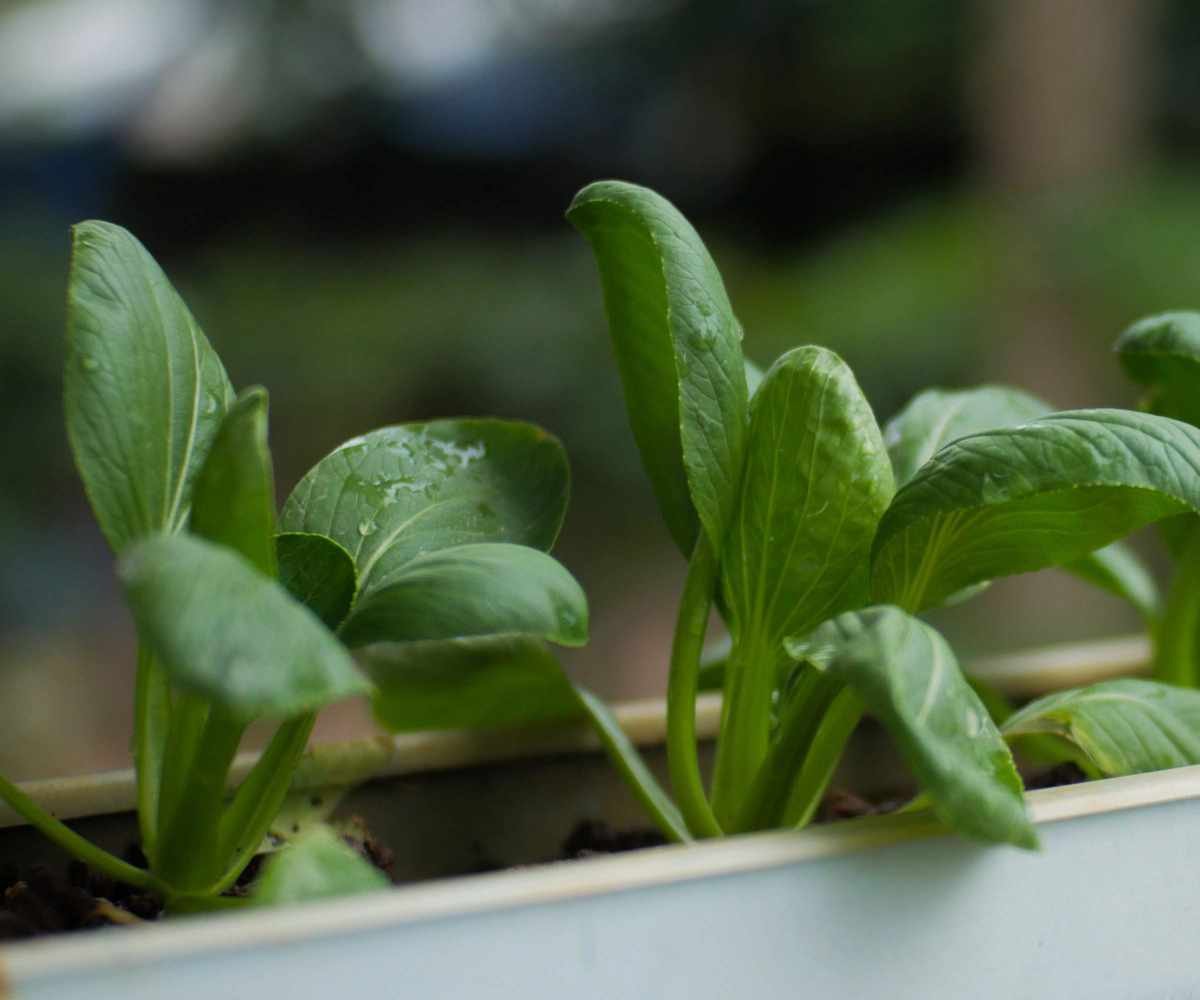
Spinach grows exceptionally well in hydroponic environments, producing edible leaves within five weeks from seed. To ensure healthy plants, refrigerate fresh seeds for one to three weeks before planting. Keep the seeds moist and sow new ones every two weeks for continuous harvest.
As a long-day plant, spinach begins to flower under 10-14 hours of light daily. For optimal taste, limit indoor lighting to about 10 hours a day.
2. Herbs
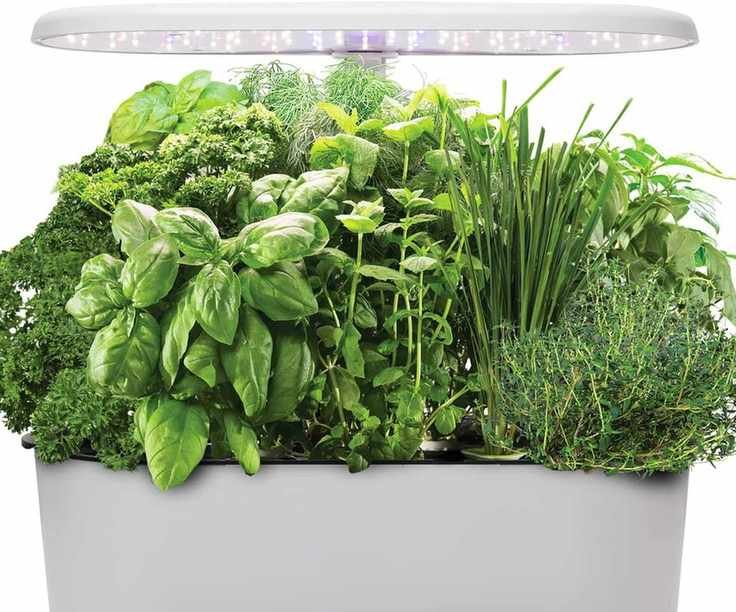
The compact Bounty Basic by AeroGarden is a great starter hydroponic garden.
Herbs like basil, parsley, cilantro, and mint thrive in hydroponic setups. A small countertop system can provide ample fresh herbs for a household all year round. Choose a system with energy-efficient LED grow lights that automatically operate and remind when to add water and nutrients.
3. Tomatoes
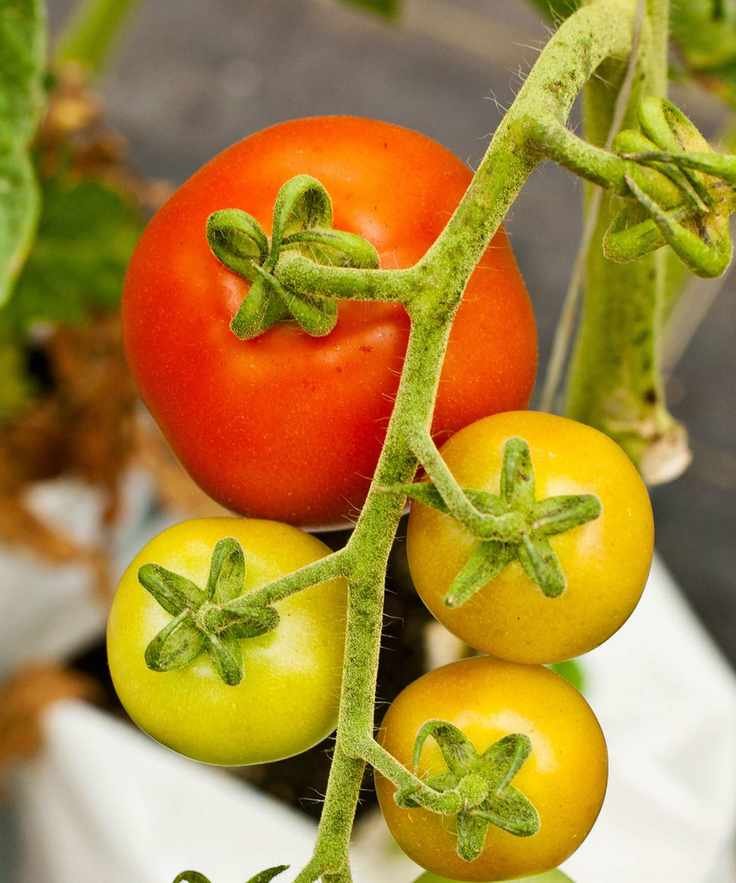
Under ideal conditions, tomatoes can grow 50% faster in hydroponics than in soil, yielding up to ten times more produce. These plants require a grow tower due to their height or try dwarf varieties suitable for indoor growth.
4. Strawberries
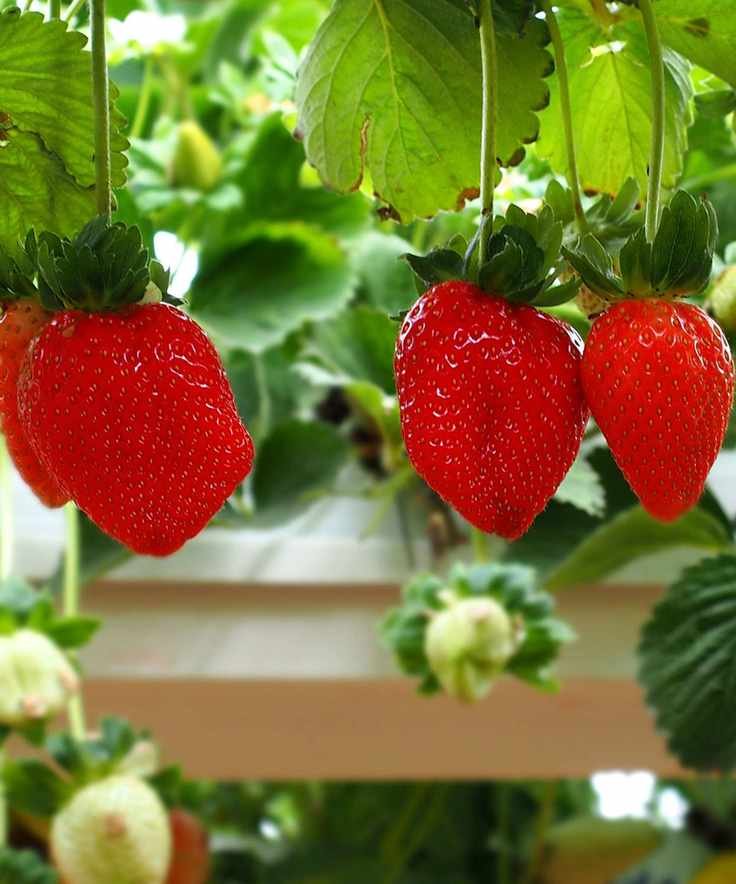
Hydroponic strawberries thrive without pesticides and face less competition from weeds. Stacking containers vertically saves space and makes maintenance simpler. Key nutrients for strawberries include nitrogen, potassium, and phosphorus, so ensure you have the right mix for successful growth.
5. Houseplants
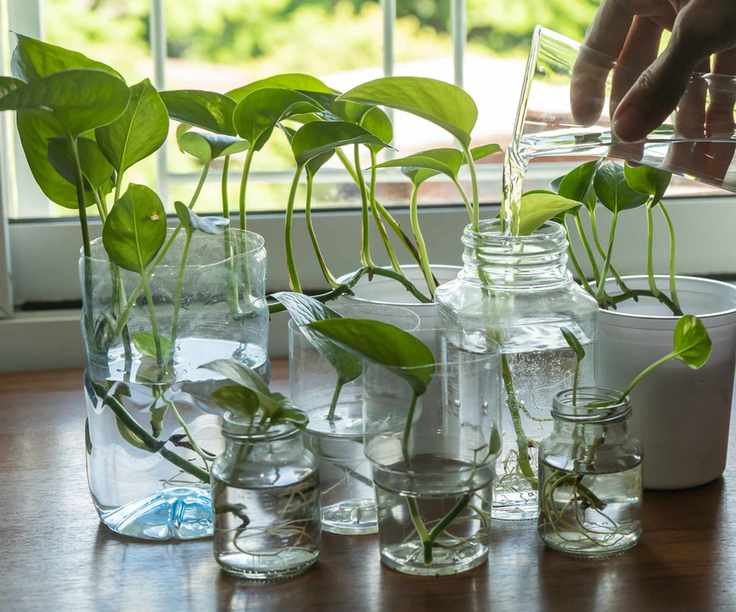
Pothos plants, also known as Devil's Ivy, growing in water
Many houseplants adapt well to hydroponics, allowing you to expand your collection. Cuttings with nodes from plants like peace lilies, pothos, philodendrons, spider plants, and various orchids flourish in this method.
6. Flowers
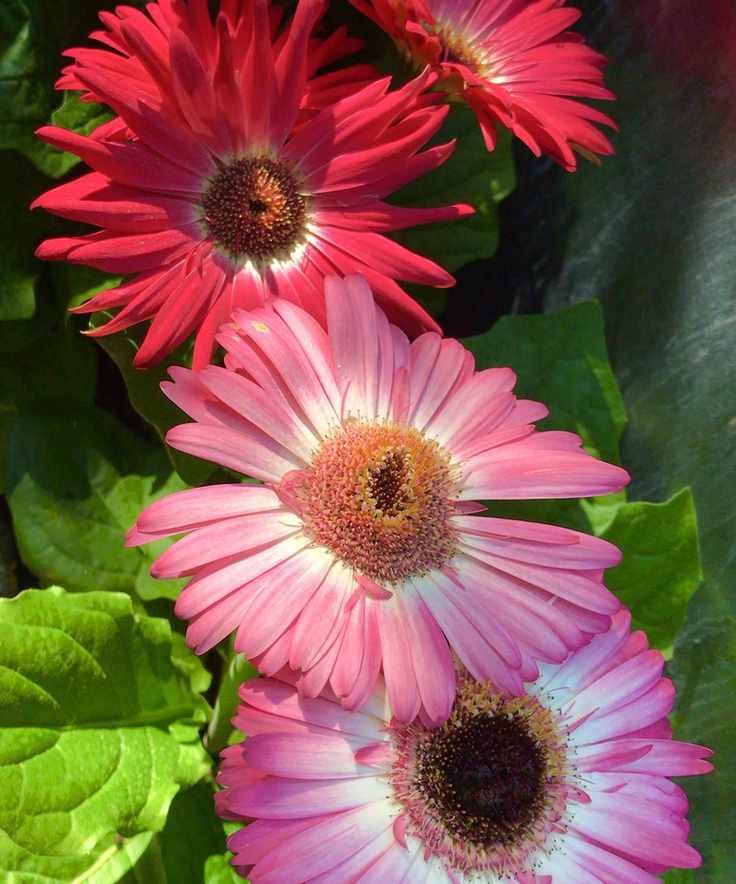
Gerbera flowers thrive in hydroponic systems.
Many flowers sold at florists are hydroponically grown due to their faster growth rates. This method provides control over climate conditions and nutrient levels, eliminating weeds and pests. Popular hydroponic flowers include marigolds, dwarf sunflowers, and gerbera.
Frequently Asked Questions
What type of water is best for hydroponic gardening?
Rainwater is ideal for hydroponics as it's naturally filtered. Reverse osmosis water is another excellent option. While tap water is acceptable, let it sit for a few days to allow chlorine to dissipate. Adding activated charcoal to your growing vessel can help maintain water purity.
You can also regrow vegetable scraps in water. Try using scraps from onions, celery, and lettuce for an economical way to produce food from what you'd typically discard.



