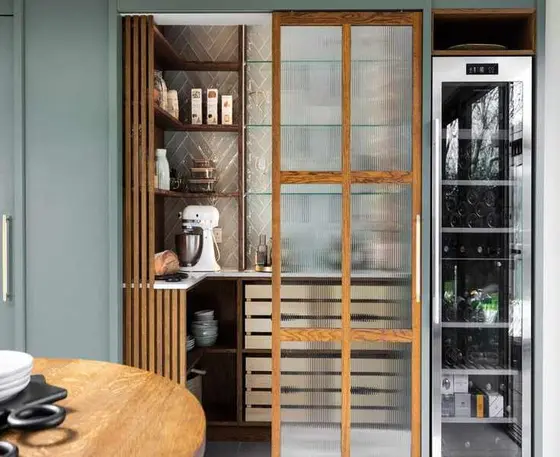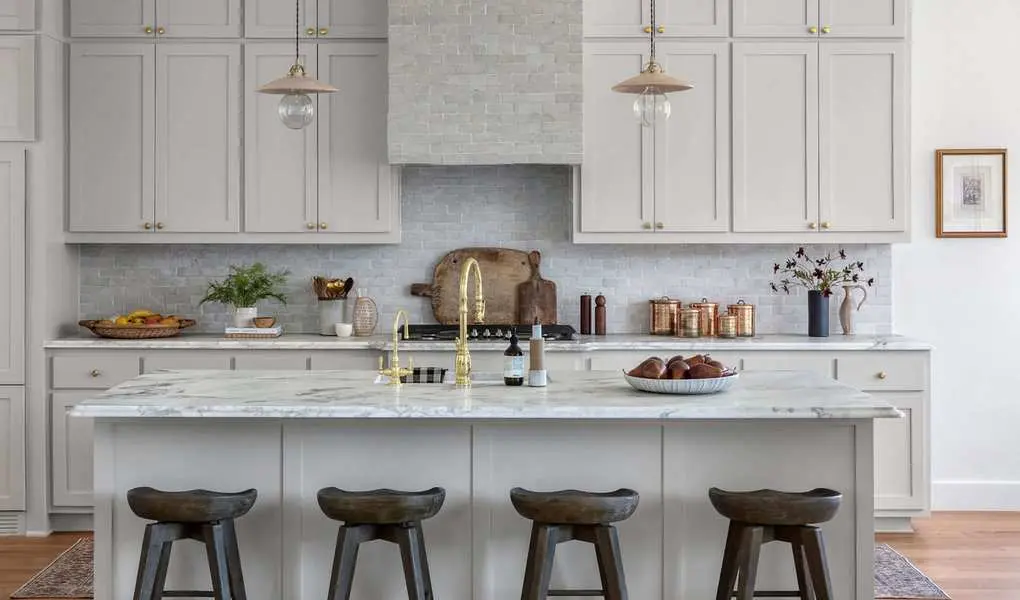
Offering additional prep space and storage, a kitchen island is often on everyone’s wishlist. To truly take advantage of its benefits, knowing how to organize a kitchen, especially the island, is essential.
Kitchens benefit from island features that provide creative storage solutions and extra workspace. As design expert Al Bruce notes, they extend cabinetry and can transform your culinary environment.
When conceptualizing a kitchen island, consider how you intend to use it: Is it solely for cooking, or will it also serve as a dining space? Understanding these needs can guide you in organizing effectively.
Every household has unique requirements, so while there's no single method to arrange a kitchen island, several strategies can help enhance its functionality. We’ve gathered insights from experts to share their top suggestions.
Organizing Your Kitchen Island
To effectively organize your kitchen island, coordinate it with the overall kitchen layout. Determine what items belong on the island versus where they should be stored in cabinets or pantries.
Start with a thorough declutter. Remove everything from the island, including appliances, to better visualize the available space. Assess each item to see if it truly belongs in the kitchen island or even in the kitchen at large.
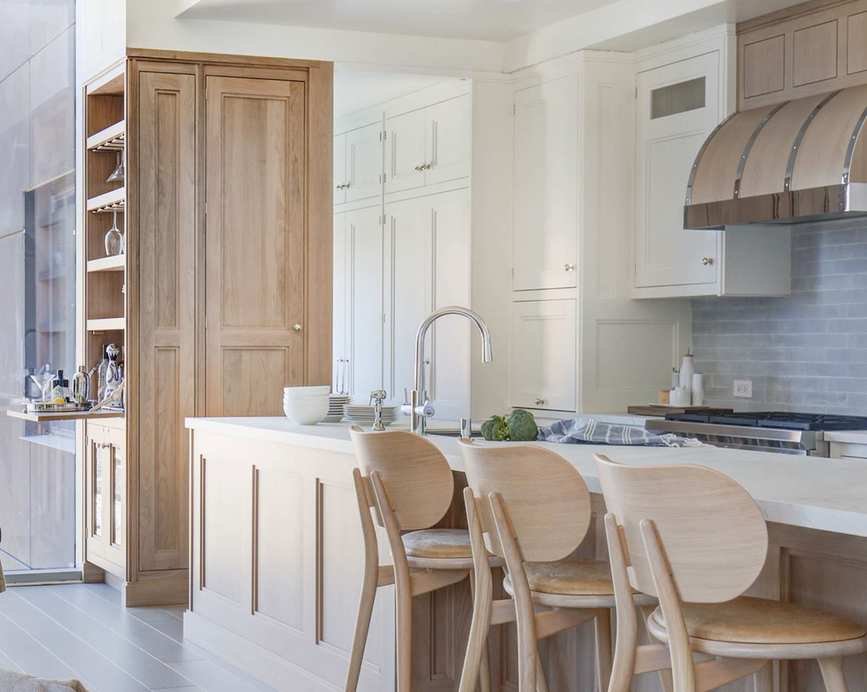
1. Define the Purpose of Your Kitchen Island
Before replacing items, clarify the purpose of your kitchen island and how it can simplify your cooking routines. A useful exercise is to identify what isn’t working in your current setup.
“List what you love and dislike about your kitchen layout. Is there sufficient space for storage? Are plates easily accessible? Understanding these pain points will guide you in improving your kitchen island’s effectiveness,” suggests home organizer Laura Price.

2. Plan the Placement of Appliances

Consider which appliances to integrate into your kitchen island based on your cooking style. It’s essential to think through their placement carefully.
“While appliances like microwaves and dishwashers can fit neatly beneath countertops, sinks and stoves require more planning. Balance functionality with aesthetics,” advises another expert.
3. Categorize Items by Function
Once you identify how the island will serve you, categorize the items you want to store there, such as cookware, serving dishes, and linens. This organizational method makes it easy to locate essentials and plan your storage effectively.
4. Establish Logical Storage Zones
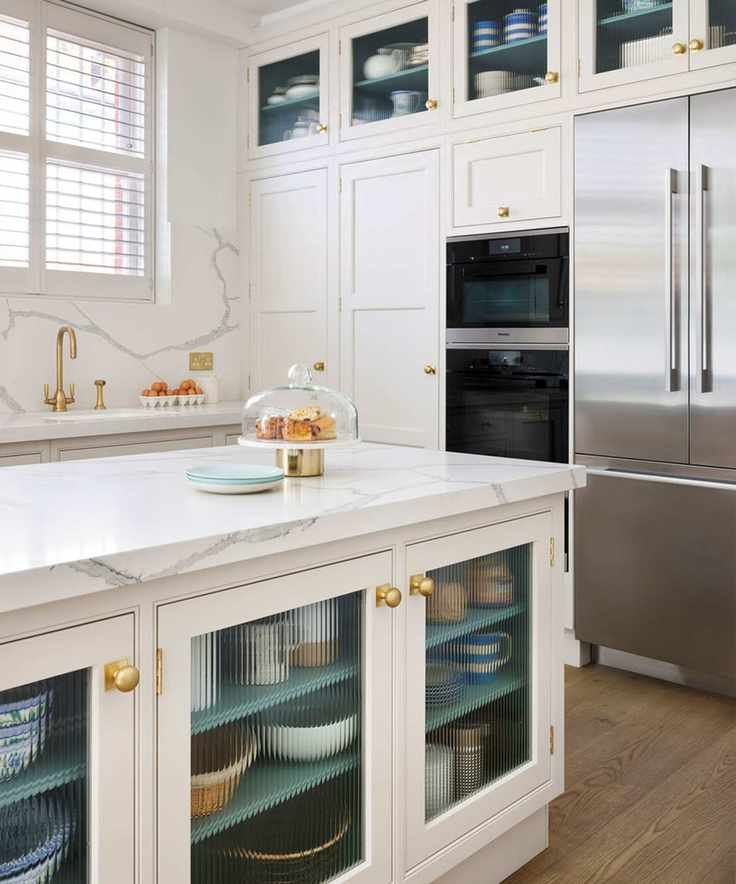
Organize your kitchen island similarly to a compact kitchen by grouping related items together. The specific zones will depend on how the island is used and its location in relation to other kitchen areas.
“If your dishwasher is nearby, store utensils and dishes close to it for quick unloading. Similarly, if there’s a stovetop, keep pots and pans accessible,” Laura Price suggests.
5. Tailor Storage to Your Preferences
Maximizing storage is crucial, whether your kitchen island is large or small. Evaluate the storage options available—drawers, cabinets, and shelves—and utilize kitchen organizers to optimize space.
“Consider multifunctional items like stackable containers. If you’re limited on space, a drop-leaf countertop can provide extra room when needed,” advises organizational expert Joshua Haley.
6. Make Open Storage Attractive and Functional
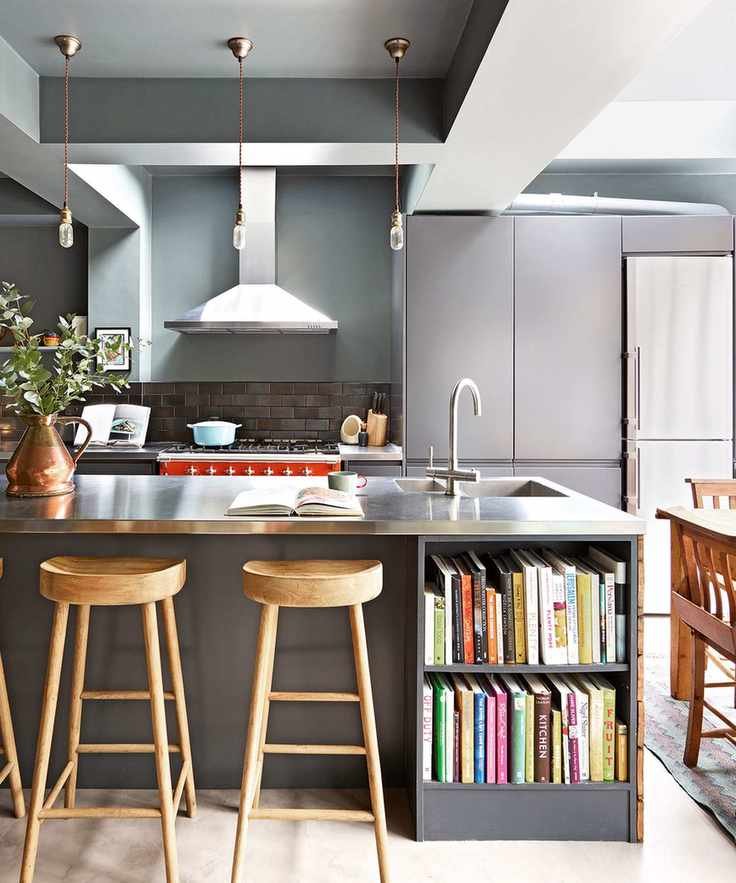
Open shelves create an excellent opportunity for styling. Use them to display beautiful items like glassware, while keeping practical items hidden away.
“Incorporate hooks for mugs or stylish baskets for snacks to add interest and organization,” suggests another design expert.
7. Consider Comfortable Seating
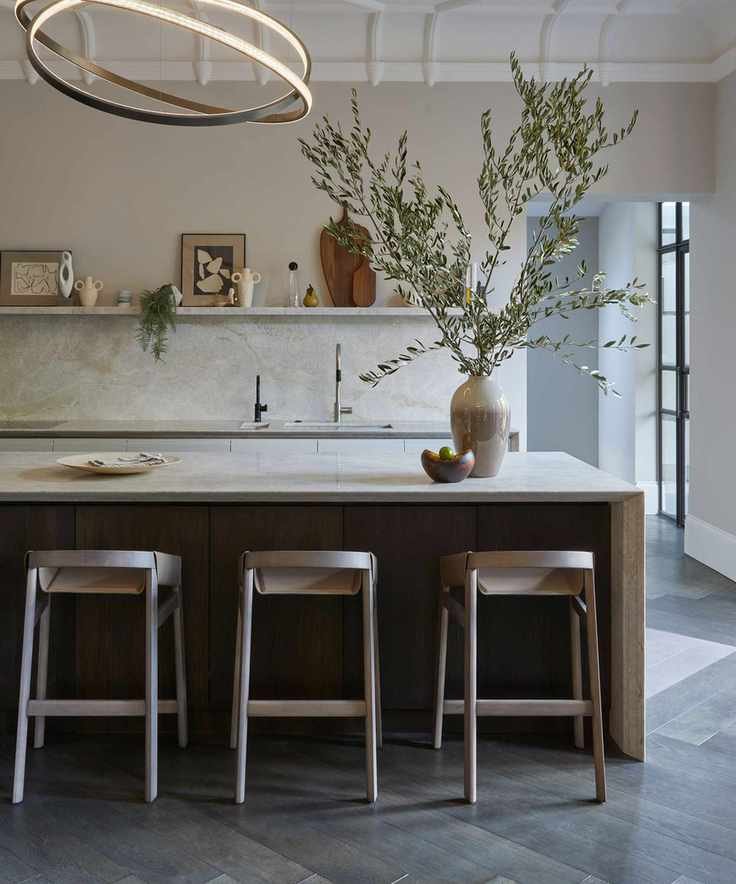
Your kitchen island serves as a social hub. Comfortable seating is essential for entertaining or casual meals. Ensure the height and overhang of the island are suitable for the seating choice.
“Aim for at least 15 inches of overhang for comfort. Arrange seating so it doesn’t obstruct frequently used items,” a designer notes.
8. Create a Functional Focal Point
A kitchen island is often the first thing noticed. Keep the top mostly clear but incorporate a few stylish, functional items to add personality.
A decorative fruit bowl or an herb garden can enhance aesthetics while serving practical purposes. Remember, less is more—keep surfaces uncluttered to facilitate ease of use and cleaning.
9. Maintain Tidiness
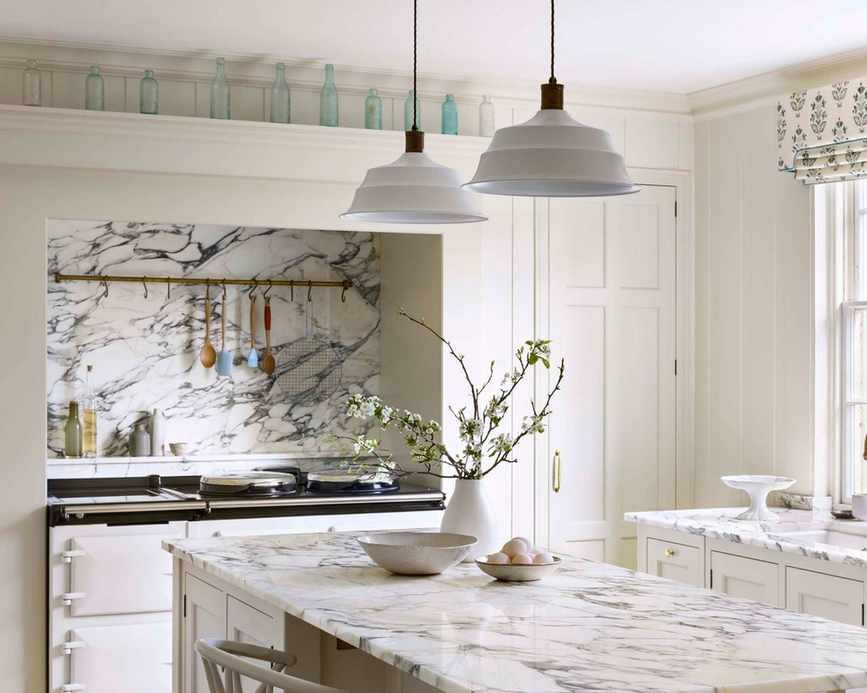
As a central gathering spot, your kitchen island can accumulate clutter quickly. Regularly clearing and cleaning it is vital for an organized appearance.
“I keep a basket for non-kitchen items that gather throughout the day—like keys and mail—on or under my island. Before bed, I return everything to its place,” says an experienced organizer.
10. Be Open to Change
Don’t let decision paralysis prevent you from organizing your kitchen island. Experiment with your layout and adjust as needed until it feels right.
“Live with your new setup for a few days, and assess what works and what doesn’t. Remember, adjustments can always be made,” Laura Price concludes.