

Outdoor lighting plays a crucial role in exterior design, yet it's often overlooked. When executed properly, it improves safety after dark, extends the use of outdoor areas into the evening, and adds a unique ambiance that basic lighting can't achieve. It can also highlight landscaping and architectural features, drawing attention to the important details.
How can you ensure your outdoor lighting enhances your yard effectively? In this guide, we'll cover everything necessary for creating a functional and beautiful outdoor lighting design. You'll learn what areas to light, the appropriate brightness, and the right color temperature to use.
Key Principles
The main aim of outdoor lighting isn't to flood the area with light but to reveal your space. Your backyard, gardens, and entryways should feel inviting and well-lit without being overly bright.
'Outdoor lighting should guide attention, create atmosphere, and add dimension rather than overwhelming the space,' notes a leading designer. 'Utilizing variations of light and shadow will make your yard feel cozier and more welcoming while fulfilling its practical purposes.'
1. Layered Lighting
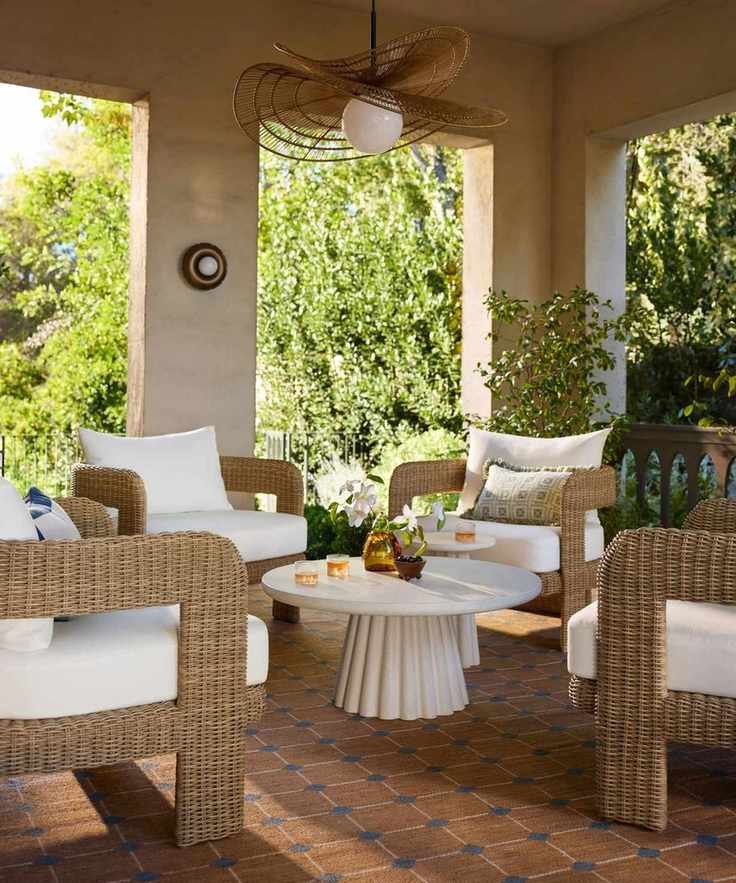
This outdoor living area showcases the Cristobal Outdoor Sconce combined with the striking Valar Outdoor Double Tier Pendant Light.
Similar to indoor settings, outdoor lighting should be layered. Consider three primary types: ambient lighting for overall illumination (like wall lanterns and ceiling lights), task lighting for specific functions (such as paths and steps), and accent lighting to highlight features like trees and architectural details.
Each area's function will guide how you incorporate these layers, according to a design expert. Ambient lighting sets the mood and serves as the foundation of your lighting scheme. 'It's typically found in wall sconces or ground lights,' they explain, 'while the other layers enhance this primary source.'
Identifying the purpose of each zone in your outdoor space is essential for deciding which layers to include. Task lighting, for instance, should be directed at specific areas requiring more illumination. Think about an outdoor bar: ambient light alone might not suffice for comfortable use, thus task lighting becomes essential. Pendant lights above the bar can create a focal point,' the expert adds.
Task lighting also enhances safety by illuminating pathways and stairs.
Accent lighting serves a decorative role, directing attention to hardscape features and plants. However, it should be used sparingly to avoid overpowering outdoor spaces. 'I suggest positioning strong accent lights away from relaxation areas to prevent glare,' cautions the expert.
2. Brightness Levels
After determining the types of lighting needed, consider the brightness. Remember, the goal isn't to replicate indoor light levels.
A design professional notes that many homeowners overestimate outdoor lighting needs, often resulting in overly bright spaces that can create glare. 'Brightness should feel subtle,' they advise. 'Your eyes adjust quickly at night, so a lot of light isn't necessary. Excessive brightness flattens depth and mood. I usually start with lower levels and gradually increase, as restraint fosters contrast, which adds a layered, calming effect.'
For task lighting, especially landscape lighting that guides guests, specific brightness measures apply. Pathways should be around 2–10 lux, while stairs need about 10 lux at the tread surface. Too dim won't suffice, but too bright can cause glare.
Using shielded fixtures is recommended for pathways and stairs, ensuring visibility without exposing the light source.
3. Strategic Placement
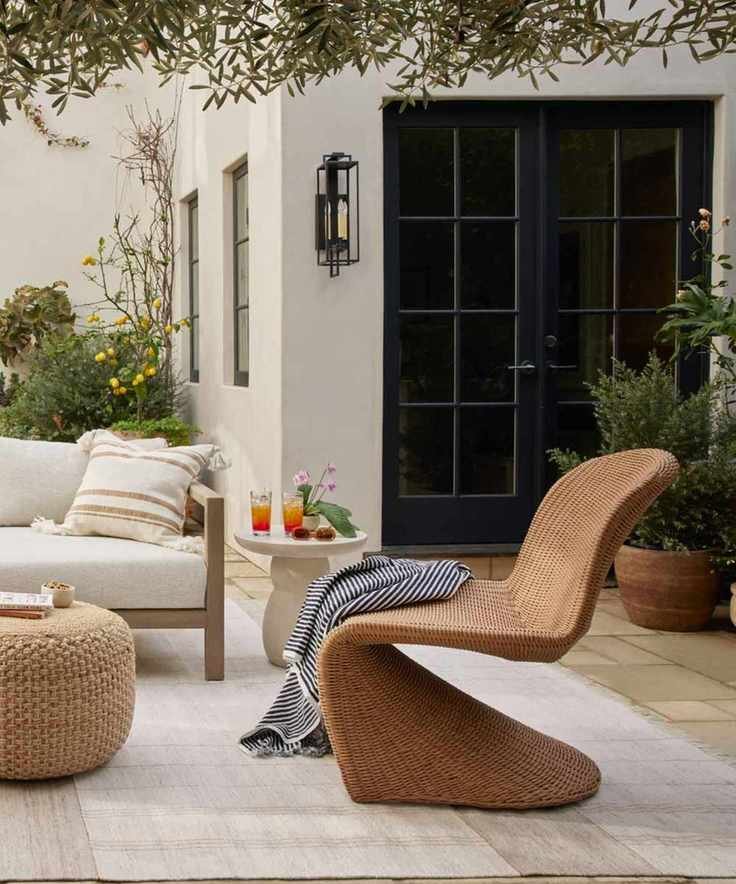
Utilizing the Judy Outdoor Sconce helps create a cozy area around a patio.
Proper placement of outdoor lights is vital for functionality and aesthetics. Avoid the temptation to evenly space lights along pathways. Instead, stagger them to create shadows and focus on guiding movement. 'For pathways, it's better to stagger lights rather than creating a runway effect,' advises a designer.
Each step and elevation change should be well-lit without harsh glare. Integrating low lighting into risers or placing it nearby is effective. Consistency is key; each tread must be distinct without glare.
For uplighting and accent lighting, placement depends on the feature being highlighted. 'Lumens and beam spreads should match the subject being lit,' another expert explains. 'A tall palm tree requires a focused beam, while a low tree needs a wider spread.'
Understanding how lighting angles affect diffusion is crucial. 'With the same lumen output, wider beams won't project as far as tighter beams with quality optics,' they add.
4. Color Temperature Consistency
Color temperature refers to the warmth or coolness of light. Consistency is essential in outdoor lighting. Warm lights have a yellow hue, while cool lights lean towards blue. Mixing the two can be disruptive. Choose one temperature and apply it throughout your scheme.
Experts agree that landscape lighting should generally be warm, creating an inviting atmosphere. The ideal Kelvin range is 2700–3000K, often labeled as 'warm white' or 'soft white.'
Higher color temperatures around 5000K can produce a stark white light, typically not suitable for landscaping as it feels too clinical. To maintain coherence, start with warm landscape lighting and consider changing bulbs in existing fixtures to match.
5. Safety and Electrical Considerations
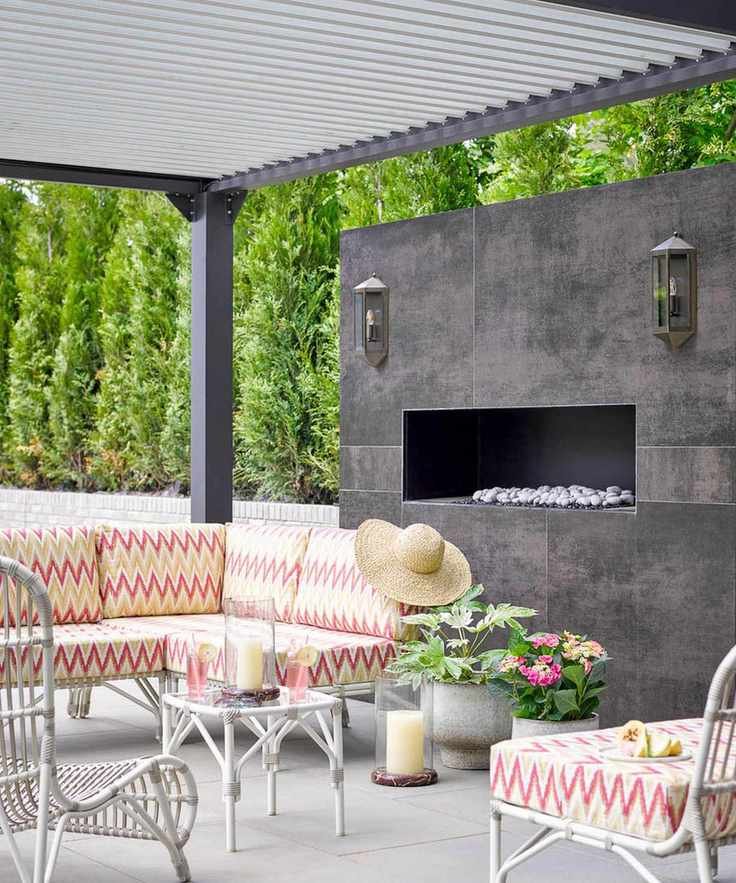
A subtle statement piece is the Cromer Wall Sconce.
Outdoor fixtures face unique safety standards due to exposure to elements like water and wind. Fortunately, lights from reliable manufacturers are often rated for outdoor use. Look for fixtures rated IP65 or higher for damp conditions and IP67/IP68 for submerged applications.
In addition to the fixtures, consider outdoor wiring and electrical circuits. 'When designing a lighting system, prioritize the infrastructure as much as the design,' advises a pro. 'We usually install transformers below 50% capacity to allow for future expansions.'
Proper wire sizing is critical. For a 300W transformer, use 12-gauge wiring per code, as undersized wires are a common issue. Hiring a licensed electrician ensures your design is safe and functional.
6. Timers and Automation
Timers and automation are essential for outdoor lighting, making your scheme user-friendly.
The simplest option is an analog timer, which is easy to set up but limited in customization and requires resetting after power outages. Photocells can keep lights on from dusk to dawn, but this isn't always necessary.
Professionals recommend digital or Wi-Fi-enabled systems for flexibility. 'These allow you to control lighting schedules easily. At my home, lights come on at dusk and shut off at 10 pm,' shares a designer. 'Modern systems can also divide your landscape into zones, offering app-based control.'
Motion sensor lights remain popular for security, but should be limited to areas where constant activation won't disrupt outdoor activities.
Key Takeaways
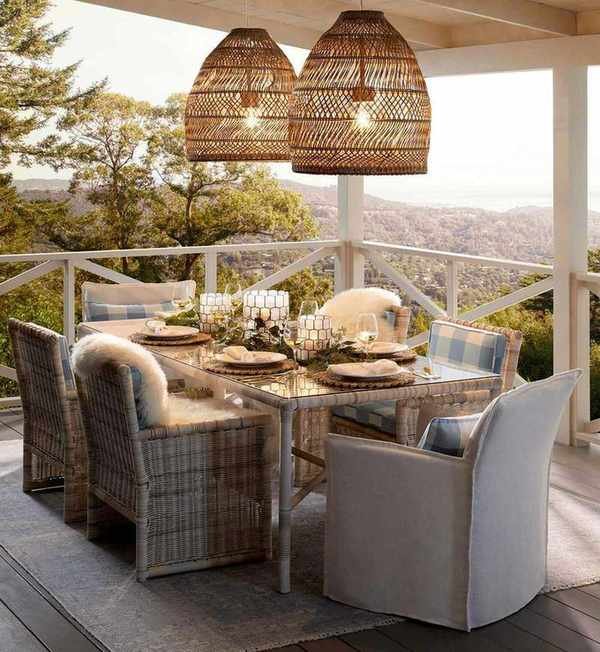
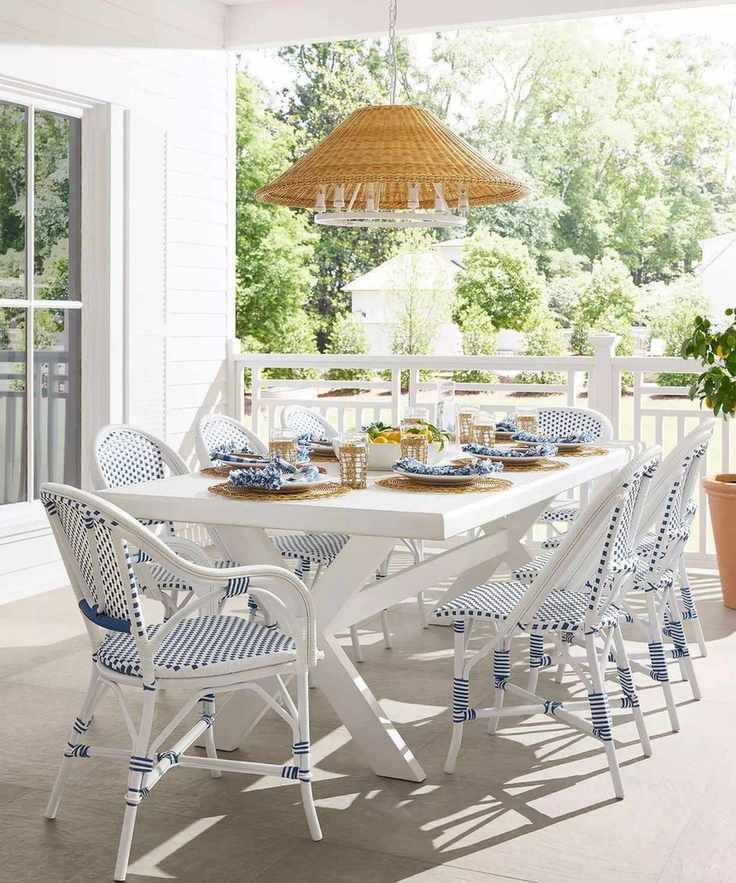
The Summerland Outdoor Bell Pendant transforms your outdoor dining area into a cozy retreat.
Incorporate Three Lighting Layers
Layering is vital for any effective outdoor lighting plan, emphasizing ambient, task, and accent lighting.
'Ambient lighting gives an overall glow and sets the mood,' explains a designer. 'You might choose soft wall lights or gentle overhead fixtures. Task lighting ensures safety in areas such as steps and paths. Accent lighting highlights features like sculptures or plants.'
Maintain Low Light Levels for Atmosphere
A common mistake is over-lighting outdoor spaces.
'Imagine a clear moonlit night, where you can see everything you need,' suggests a designer. 'We shouldn't aim to light a backyard like a casino.'
Ensure Safe Path and Stairs Lighting
Proper lighting for paths and stairs is crucial for safe navigation after dark. 'Routes must be clearly lit to prevent trips or falls, especially in the evening,' emphasizes a designer.
Avoid straight-line path lighting, and ensure consistency in stair lighting.
Stick to One Warm Color Temperature
Choose a single warm color temperature for your outdoor lighting and remain consistent. Experts unanimously recommend a range of 2700-3000K for a warm, inviting atmosphere.
Use UL and IP-Rated Fixtures
Select fixtures rated for wet environments, and always hire a licensed electrician to ensure your lighting scheme is durable and safe.
Outdoor Lighting Questions Answered
How to Plan Outdoor Lighting?
Begin by dividing your outdoor space into functional zones (like dining areas, paths, and kitchens) and consider how each zone is used. Then add the appropriate lighting layers to support each space's function.
Best Lighting for Garden Paths?
Choose low, shielded lights for garden paths to minimize glare. Stagger the lights rather than placing them in a straight line, spacing them about 6-10 feet apart.
Should Outdoor Lighting Be Warm or Cool?
Outdoor lighting should be warm, as cool lighting can feel industrial. Aim for fixtures in the 2700K-3000K range, ensuring your lighting is consistent throughout your outdoor area.
Is an Electrician Necessary for Outdoor Lighting?
Absolutely! A licensed electrician is essential for outdoor lighting to ensure safety and compliance with proper codes. Outdoor installations often involve complexities that differ from indoor work.
Explore Stylish Outdoor Lighting Options
Creating an outdoor space that feels like an extension of your home relies heavily on effective lighting. Prioritize ambiance and functionality in your design, remembering that less is often more. A thoughtfully planned outdoor lighting scheme focuses not just on the quantity of light, but on its placement and purpose.
Your guide to timeless design wisdom encompasses everything from selecting the right sofa to mastering layout fundamentals. Each entry draws on expert insights to help you navigate essential principles of design, making it the perfect reference for creating a beautiful, practical, and lasting home.



