
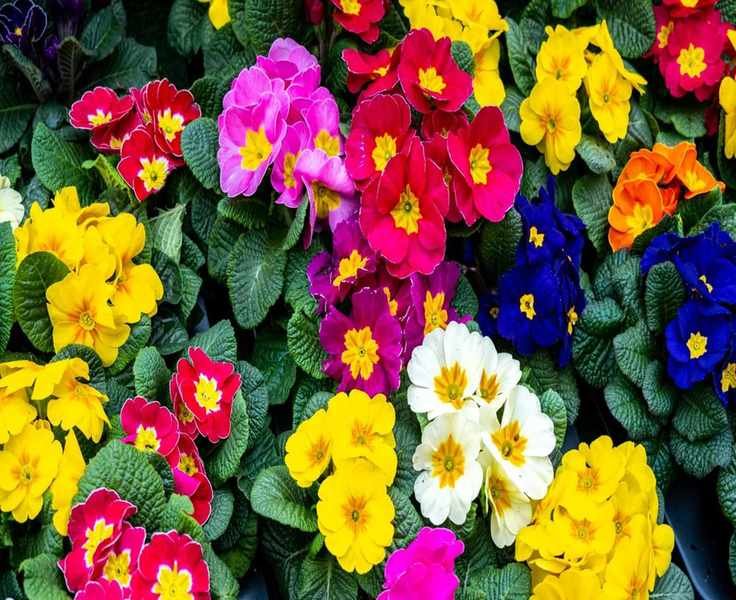
If you love a garden full of colorful blooms, you've likely experienced the delight of seeing those first spring flowers appear. Primroses, also known as primula, are among the earliest to blossom and a favorite in traditional gardens.
These dazzling perennials come in a variety of colors, ranging from sunny yellows to rich purples. Their lush, rosette-shaped foliage is a vibrant green and they are native to the UK.
They can thrive in various settings, whether in spring planters, hanging baskets, or raised beds.
Hardy in US hardiness zones 3-8, primroses bloom from late winter through spring. They're some of the first flowers to brighten up your garden.
While they're generally easy to grow, starting them can be a bit challenging. We've gathered expert advice to help you cultivate and care for primroses, ensuring your garden is vibrant all spring.

Growing Primroses Successfully
These beautiful blooms are perfect for adding color as winter fades. Here's how to successfully grow primroses for a fabulous spring garden.
Ideal Timing for Planting Primroses
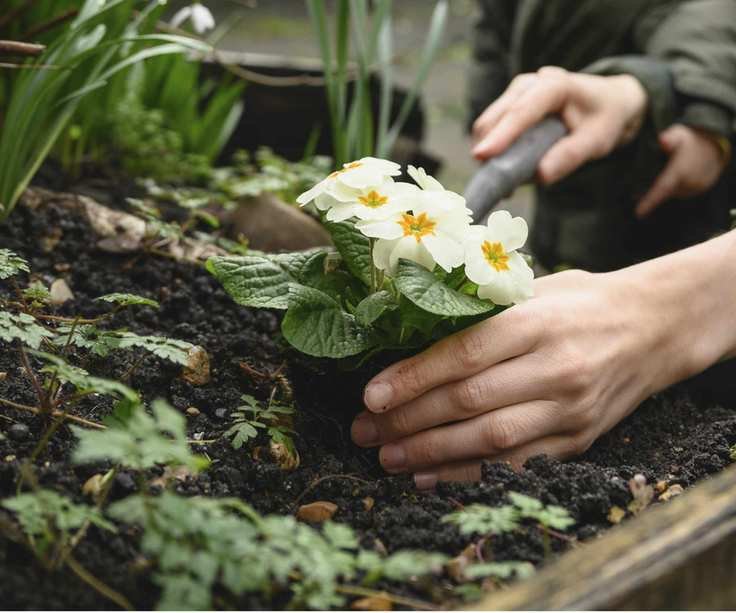
Starting primroses from seed can be tricky but is possible. Sow seeds in late winter, ideally from late January to early February, just before the growing season begins.
You can plant seeds in containers, garden beds, or use a seed tray like this seed starter tray from Amazon for convenience.
Whether you're sowing seeds indoors or outdoors, ensure you set a seed sowing schedule that promotes optimal germination conditions.
According to experts, primrose seeds need ample natural light and warmth to sprout effectively. A covered seedling tray placed outdoors can help maximize light exposure.
If you prefer to plant nursery-bought primroses, you can do so later in the year.
Generally, primroses can be planted after the last frost. For hardier types, fall planting is also effective. Choose your desired primrose colors to create a lively garden. Purchasing a variety of species opens up many color combinations.

Best Locations for Planting Primroses
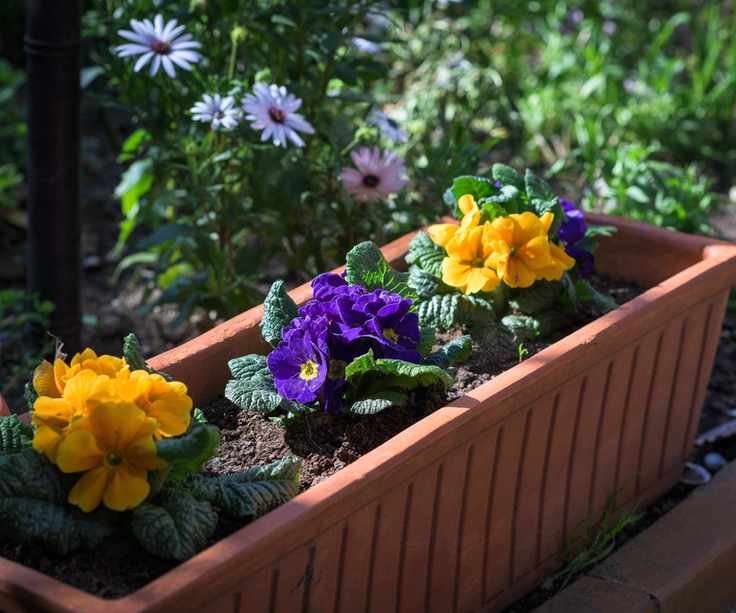
Primroses excel as spring flowers for shaded areas and can adapt to various planting spots.
They can serve as vibrant accents in hanging baskets or containers, and also as ground cover beneath trees.
When choosing a location, ensure the plants get enough light. While they tolerate shade, they thrive with good brightness.
According to experts, keeping a cool to moderate temperature, bright light, and consistent moisture is key to success.
Planting Primroses Correctly

After selecting the right spot for your primroses, avoiding direct sunlight is crucial.
Plant primroses about six inches deep to help their roots establish properly, promoting a healthy bloom.
Using clean gardening tools, like this trowel from Greendigs, can assist in planting.
For a fuller look, space plants around six to ten inches apart when aiming for a mass planting effect.
When growing from seed, they're ready for planting in the fall once true leaves develop.
Caring for Primroses
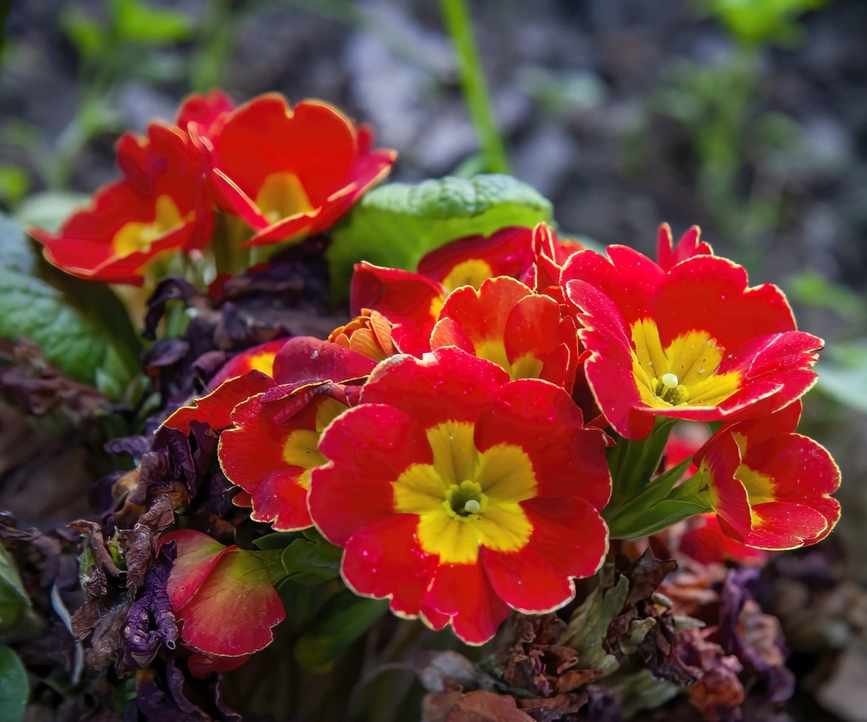
With your primroses planted, optimal care is essential to keep them blooming throughout spring.
Most primulas benefit from light doses of balanced fertilizer, typically added when new growth appears in spring.
Many products for flowers are available, such as this bloom plant food from Amazon, which can be incorporated during watering, using a watering can from Bloomscape.
Continue caring for your primroses during their dormant period in summer and fall to ensure they bloom again the following year.
Common Questions
How Fast Do Primroses Grow?
Many primrose varieties are quick growers. They often start blooming just a few months after planting from seed or tissue culture. Providing bright light, warmth, and moderate watering is crucial for those grown from seed.
Can Primroses Thrive Indoors?
Although primroses aren't commonly grown as indoor plants, it's possible with the right conditions.
Only certain types, such as Primula malacoides and Primula obconica, are suitable for indoor use and should be treated like a poinsettia, according to experts.
They require bright natural light, avoid direct sun, maintain an even moisture level, and protect from cold to thrive indoors.
Are Primroses Harmful to Pets?
Yes, primroses can be toxic to pets. Ingestion may lead to vomiting and other symptoms in cats and dogs.
Particularly, the striking Primula obconica can be harmful to pets and may cause rashes in some individuals.
Seeing the first blooms of primroses is a joy that marks the end of winter. They're simple to care for and, with proper attention, will flourish all spring. If you're on the lookout for additional early bloomers, consider these hardy flowers to enhance your garden's color.



