
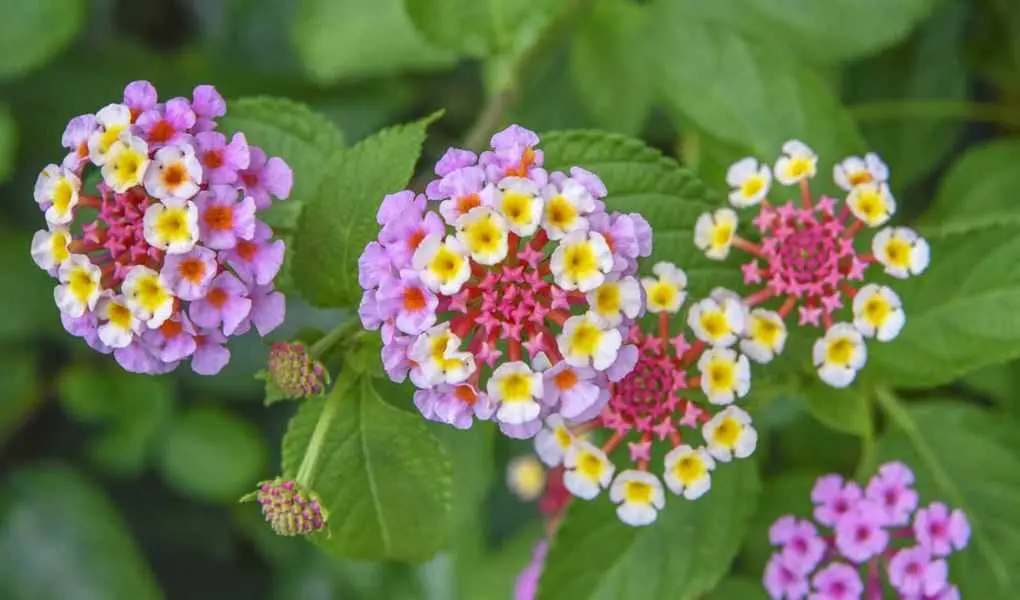
Lantana are vibrant, sun-loving plants perfect for borders or containers, delivering a splash of color from spring to fall. Depending on whether you choose annual or perennial varieties, pruning needs may vary.
While it's possible to let lantana grow without much interference, these plants can become overgrown. Regular pruning helps maintain their shape and encourages more blooms during the flowering season.
So, do you really need to prune lantana? The answer is yes, particularly for perennials which should be pruned at least once a year to remain healthy and compact. Both types benefit from some summer trimming to stay tidy.
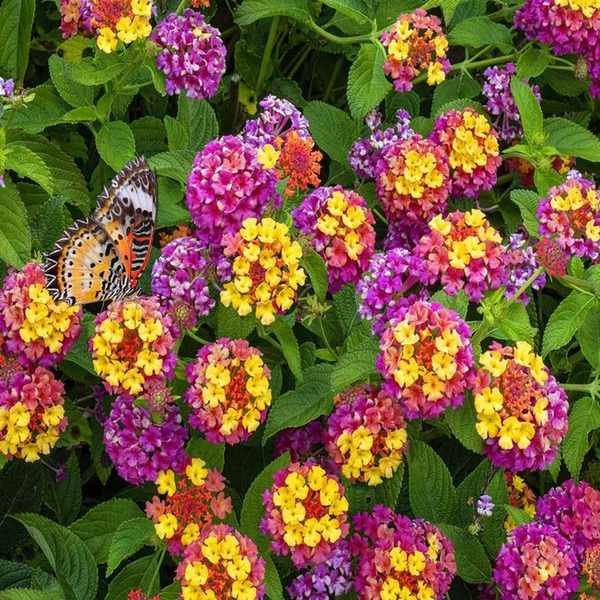
Trimming lantana encourages a more abundant blooming display.
When to Trim Lantana
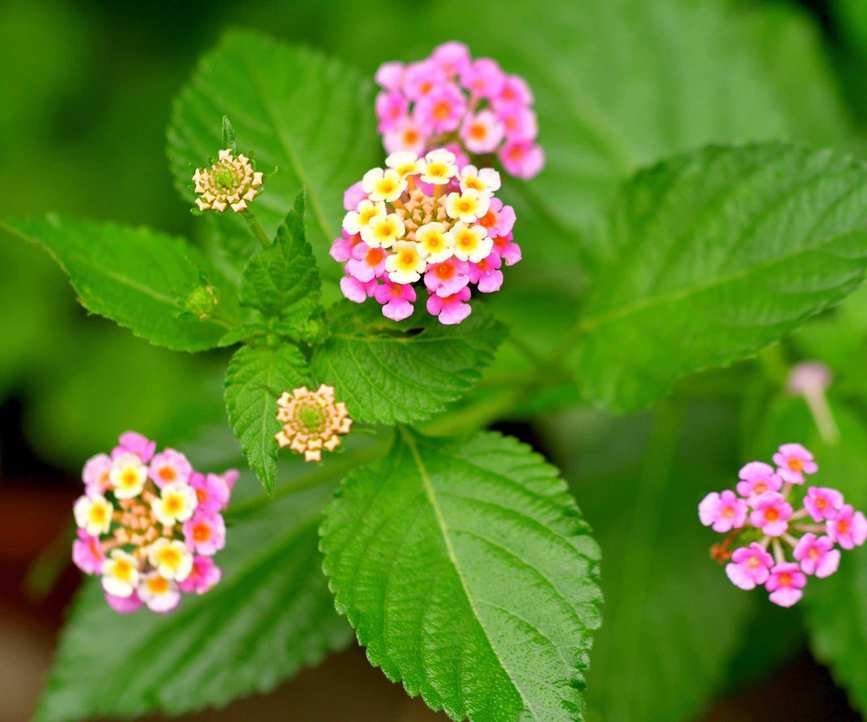
Lantana blooms in various shades, including pink, red, orange, and white.
Lantana thrive in flower beds or pots, providing long-lasting blooms from spring until frost. For annuals, the primary pruning task is deadheading to tidy them up and, for some varieties, prolong the blooming period.
Although deadheading isn't mandatory, it's generally beneficial. For instance, Lantana camara is categorized as an invasive species in certain states, and removing spent blooms helps prevent unwanted spreading. Many commercially available lantana varieties are sterile and won't produce viable seeds.
Perennial lantana needs more attention with pruning. Annual pruning keeps these plants healthy, ensuring they deliver a spectacular show of flowers each year.
Trim lantana back in late winter or early spring, after the last frost but before new growth begins. This yearly cut helps keep the plants compact and stimulates new growth for flower production.
Additional light pruning can be done throughout the growing season, especially in summer. This helps maintain a neat appearance and encourages flowering.
According to landscape expert Scott Seargeant, regular trimming can revitalize older perennial lantana. He suggests pruning in mid-summer if the plants appear overgrown or if foliage and flowers are sparse in the center.
While you can prune in fall or early winter, leaving old flower heads can provide food for wildlife and protect the crown during colder months.

How to Trim Lantana
As noted earlier, pruning lantana has different benefits in winter and summer. Always use sharp, clean shears to avoid damaging the plants and spreading disease. Aim for a 45-degree angle when making cuts.
For effective pruning, consider using high-quality pruning shears like the Felco F-2. They're durable, comfortable, and feature replaceable parts, making them a favorite among professional gardeners.
Winter Pruning Techniques

Lantana thrive in USDA hardiness zones 8-11.
Late winter or early spring is the best time to prune lantana heavily. Avoid pruning in fall to prevent winter damage from entering the cuts.
Trim stems back to about 6-12 inches from the ground, removing any damaged or diseased branches to keep the plant productive. Scott advises cutting dead stems back to where green tissue is visible.
Summer Pruning Techniques

Lantana thrive beautifully in sunny containers.
Lantana grows quickly and can benefit from light trimming throughout summer to maintain its appearance. Trim back long stems by about 1-3 inches for a neater look, and remove spent flowers and unattractive growth to enhance aesthetics.
In summer, Scott recommends using a mix of heading and thinning cuts. This technique helps control bushiness and size of the plant.
After pruning in summer, fertilizing with a water-soluble bloom booster, such as this flowering plant food available at Walmart, can help promote more blooms.
FAQs
How Can I Encourage More Blooms on Lantana?
Lantana thrives in full sun—at least six hours a day—and requires regular watering for a vibrant floral display. Deadheading the plant encourages it to focus energy on producing more flowers instead of seeds.
Should I Remove Seed Pods from Lantana?
Yes, it's advisable to remove seed pods as they form to keep the plant blooming. Though you may leave the pods to collect seeds, many hybrids are sterile and won't produce viable seeds. Additionally, seeds from different cultivars may not yield the same flowers as the parent plant.
Lantana is an excellent low-maintenance addition to any pollinator-friendly garden. Their bright blossoms attract bees, butterflies, and hummingbirds throughout the lengthy blooming season. If you're looking for an easy-to-grow plant that delights pollinators, lantana is a perfect choice.



