
Weeds often carry a reputation as the nemesis of gardeners. Having spent countless hours as a horticulturist battling these unwelcome plants, I've questioned whether this instinctive aversion is truly justified.
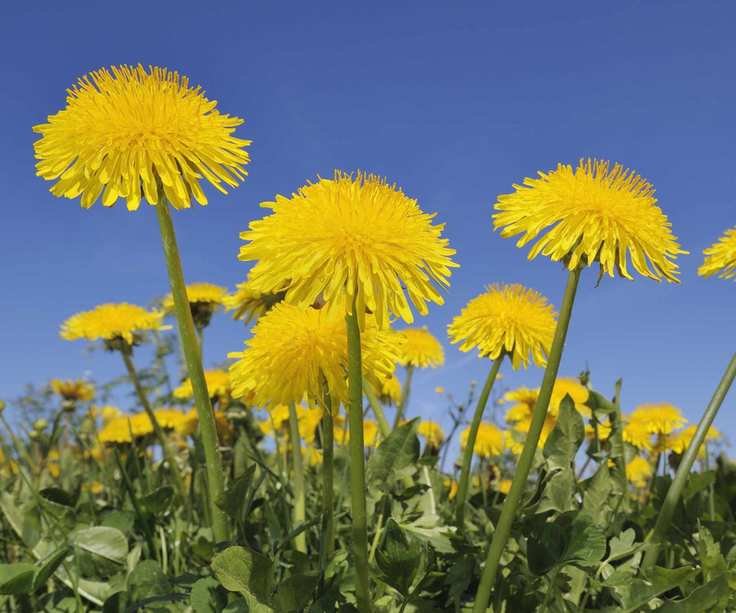
In essence, weeds are merely plants thriving in unintended spaces. Many possess significant ecological roles and even culinary or medicinal uses. For instance, dandelions, often labeled as lawn pests, are crucial for pollinators like bumblebees and butterflies, providing nourishment for them and supporting local ecosystems.
Instead of continuing a fruitless battle against weeds, why not reconsider our approach? Embracing a more harmonious coexistence with these plants can foster a healthier garden and benefit surrounding wildlife. If you're looking for ways to manage weeds, consider allowing some to flourish.
Isn't it time to rethink weeds?
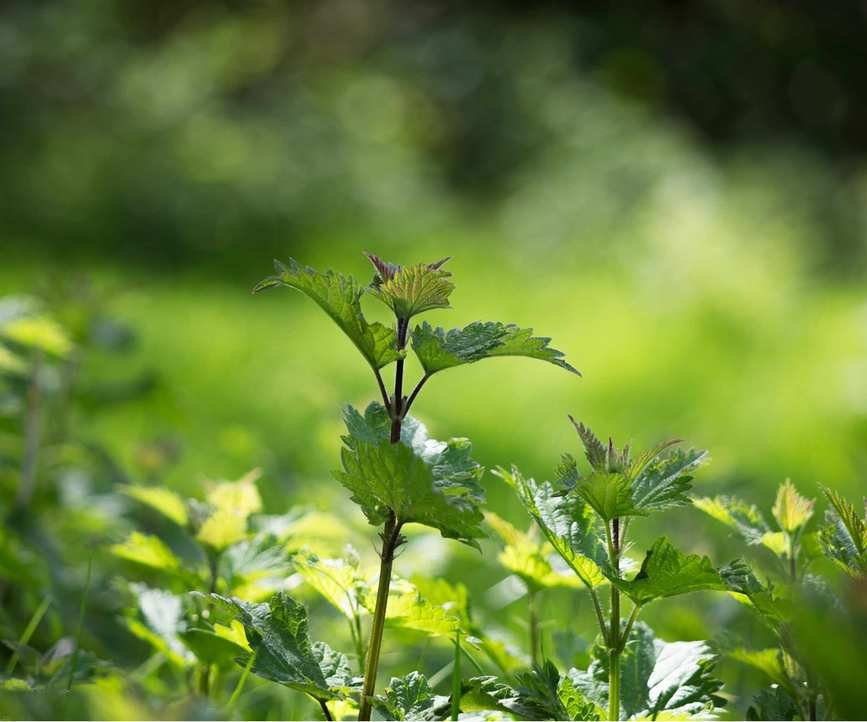
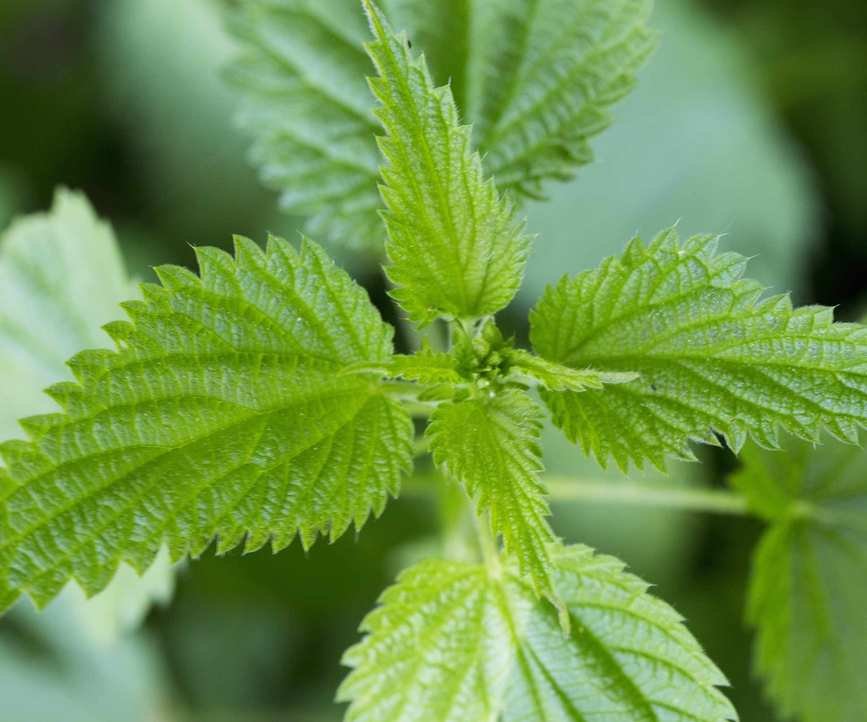
No matter your location or climate, you will encounter weeds in some form. From nettles and brambles to herb Robert (Geranium robertianum) and chickweed sprouting in pathways, these plants are often viewed as adversaries. But should they be?
Defining a weed
Generally, a weed is defined as any plant growing where it's not wanted. Picture clover peeking through gravel, creeping Charlie climbing a wall, or crabgrass invading flower beds. Weeds aren't limited to one family or genus; they can be any plant that appears unexpectedly.
Interestingly, plants that are prized in one context may be deemed weeds in another. Take goldenrod, for instance. It's celebrated in prairies for its role in supporting pollinators but viewed as an invader when it shows up in gardens.
Language shapes our perceptions. Rather than labeling these plants as foes, we could acknowledge them as pioneers that thrive in harsh conditions, making way for other species. Dandelions and nettles are often among the first to populate barren areas, enriching the soil and preparing it for more desirable plants. So, are dandelions a nuisance or vital contributors to our ecosystems?
Of course, not every plant is beneficial. As a gardener, I balance optimism with realism. Many invasive weeds like ground elder, kudzu, and hogweed can wreak havoc if left unchecked. If you're uncertain about a plant, consult the USDA Invasive Species list before deciding whether it deserves a spot in your garden.
That said, we could all use a bit more patience. Those dandelions might not be as problematic as we think. Maybe the nettles hiding under your hedge are more beneficial than harmful. While some garden sections need strict management, allowing a more natural and free approach in certain areas could yield surprising rewards for both your garden and the wildlife it nurtures.
The Benefits of Weeds
Many might already appreciate the advantages of flowering weeds for pollinators. These plants provide essential nectar for early-spring bees and butterflies. A 2022 UK study noted that the structure of flowering weeds draws a higher number of pollinator species compared to many common perennials and shrubs.
Beyond supporting wildlife, weeds also enhance soil health. Tap-rooted species, like dandelions, excel at nutrient extraction. Their long roots enable them to access minerals deep in the soil, preventing erosion and improving overall soil quality.
Some weeds act as natural fertilizers too. Plants like clover, chickweed, and henbit enrich the soil with nitrogen, boosting fertility in less-than-ideal conditions. These plants contribute quietly yet powerfully to a thriving garden.
Dandelion, chicory, and garnet stem seeds are available from Amazon.
Celebrating a Notable Weed
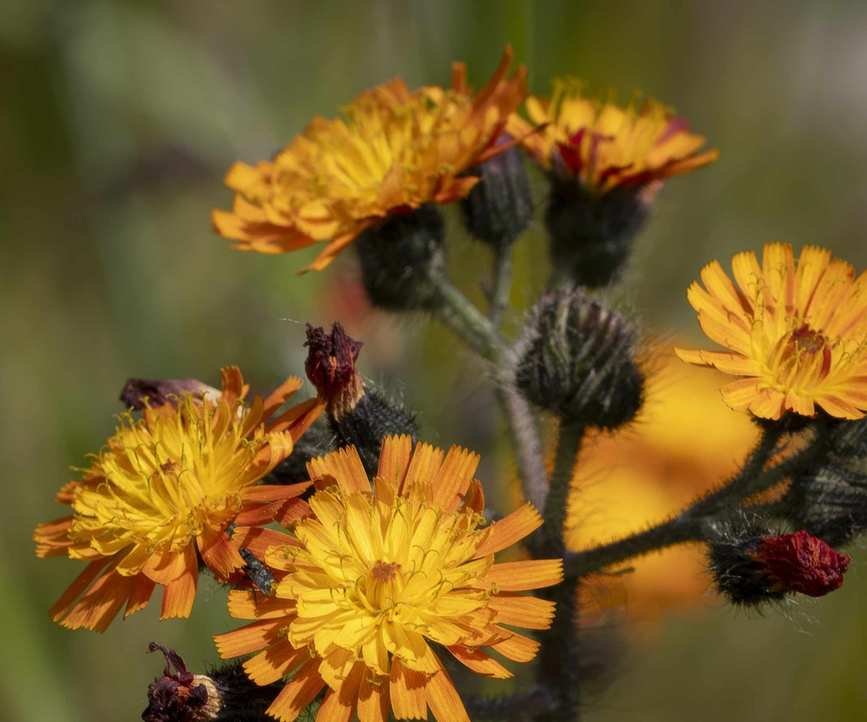
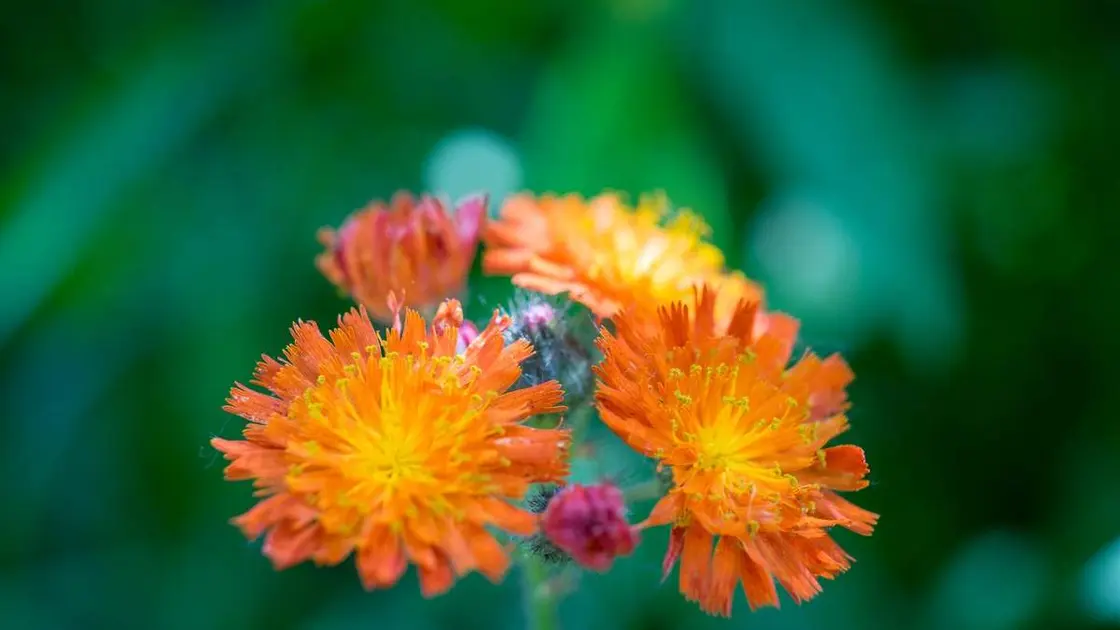
Some weeds deserve more acknowledgement. Consider Pilosella aurantiaca, known as orange hawkweed or the devil's paintbrush. Its vibrant blooms in deep umber hues are hard to overlook.
During my time at a garden museum in London, we planted devil's paintbrush in our dry garden, where its bright orange flowers contrasted beautifully against pebbles and blue forget-me-nots. Some admired the bold choice; others were less enthusiastic.
In some areas, however, this plant is deemed invasive. If you can cultivate it responsibly, perhaps in a pot, it can shine as a striking feature. Pairing it with yellow corydalis, another often-maligned plant, can transform a perceived nuisance into an enchanting display. Yellow corydalis seeds are available from Amazon.
Weeds in containers might seem unconventional, but with the right combinations, they can rival traditional flower displays in beauty. Plus, they're likely to thrive with minimal care.
Are Weeds Beneficial for Butterflies?
Absolutely! Many plants we label as weeds are excellent for butterfly gardens. Native milkweed is crucial for various butterfly species, while stinging nettles serve as vital food for caterpillars. Maintaining a wild area in your yard will certainly attract butterflies. Milkweed seeds are available from Amazon.
Weeds have numerous uses, too. You can create plant fertilizers with weeds like nettle or comfrey tea, which is high in nitrogen. Simply steeping stems in water for several weeks yields a potent feed ideal for garden crops.
Just a heads up, these weed teas can be quite pungent, so store them away from common sitting areas.



