
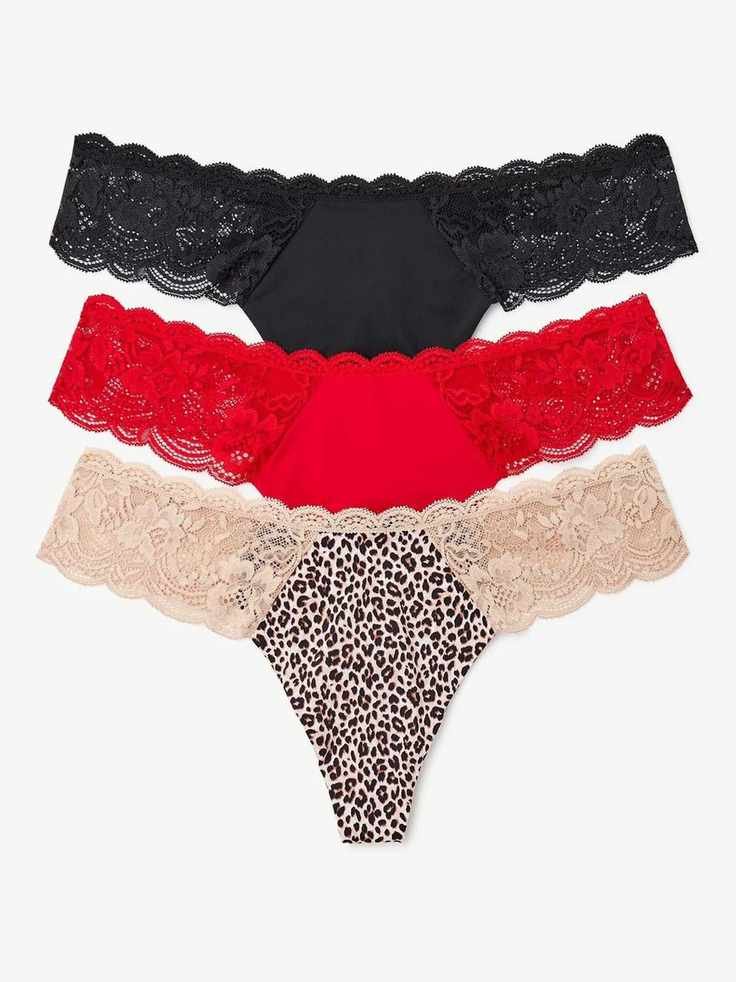
Deciding between a tanga and a thong can be tricky when browsing lingerie options. Both styles aim to eliminate panty lines while providing a sexier alternative to traditional underwear, but they have distinct characteristics. This overview highlights their differences, helping you choose the best fit for your body and style.
Choosing Between Tanga and Thong
A tanga offers a middle ground between traditional briefs and thongs. It features a fabric panel in the back that covers part of the butt, connected by side strings or narrow bands. In contrast, a thong has a minimal back panel, usually a thin strip that sits between the buttocks, exposing most of the rear.
Here’s a quick comparison:
Coverage: Tangas provide moderate coverage with a triangular back panel, while thongs offer minimal coverage with just a narrow strip.
Visibility under clothing: Thongs are virtually invisible under tight clothing like leggings, whereas tangas reduce panty lines but may show a slight outline under sheer fabrics.
Comfort for beginners: Tangas are often more comfortable for those accustomed to briefs, while thongs may feel unfamiliar initially but often become unnoticeable after wear.
Sexiness: Both styles are appealing—thongs are bold, while tangas strike a flirty balance.
Tangas are ideal for those new to cheeky underwear, providing a secure yet stylish option. For men, tanga designs offer support without sacrificing mobility, all while maintaining a sleek appearance under tailored clothing.
Understanding the Tanga Style
A tanga is a small brief with front and back panels connected by narrow straps. It reveals some cheek, delivering a cheeky look while offering more coverage than a thong.
Key features of tangas include:
Silhouette: A triangular or trapezoidal back panel, paired with slim bands at the hips that reveal the lower buttocks.
Women’s tangas: Typically mid-rise with a Brazilian-inspired back, available in various materials like lace, microfiber, and cotton. Brands often use this term for styles that fit between bikinis and thongs.
Men’s tanga underwear: Features a low-rise front with a supportive pouch and a narrow back that doesn’t cover the entire butt. Popular in European and Latin American markets.
Rise and leg opening: Generally low to mid-rise with high-cut leg openings for a flattering look under clothing.
Fabrics: Common options include microfiber for a seamless appearance, cotton for comfort, lace for lingerie, and modal for breathability.
Waistband: Often a narrow elastic or lace band that sits at or below the waist, sometimes featuring decorative elements.
Tangas can be practical staples in your underwear collection, balancing style and enough coverage for confidence throughout the day.
Understanding the Thong Style
Thongs are characterized by minimal back coverage, featuring a slender fabric piece that runs between the buttocks, revealing most of the cheeks. They use more fabric than a g-string but less than a tanga.
Key characteristics include:
Back Design: The rear is mostly cut away, leaving a thin strip of fabric that creates a V shape, often referred to as a “whale tail.”
Front Panel: A small triangular piece that covers the crotch, similar to a tanga front.
Waistband Styles: Range from standard elastic bands to wider options in high-waisted designs. Seamless thongs often utilize laser-cut edges for a smooth finish.
Rise: Available in low, mid, and high-waisted options, with high-rise thongs gaining popularity for their smoothing effect.
History: Originating as swimwear in South America, thongs became mainstream in the 1990s and are now a daily choice for many women.
Thong vs g-string: A g-string takes minimal coverage further than a thong, using a string for the back while maintaining a small triangular front. The v-string offers a middle ground, using thin fabric instead of a string.
Men’s thongs follow the same concept, providing minimal back coverage while adding structured support in the front, appealing for bold dressing and warm climates.
Tanga vs Thong: Comfort, Fit & Coverage
Fit and comfort highlight the key differences between tangas and thongs. Knowing how each style fits enables you to decide which should be part of your wardrobe.
Back Coverage: A tanga typically covers 40-60% of the buttocks, while a thong exposes most of the rear.
Side Straps: Tangas usually feature wider sides that distribute pressure evenly, while thongs may use narrower straps that can dig in if not fitted properly.
Comfortable Waistband: Both styles can range from thin strings to supportive bands, with fit depending on whether the waistband sits at your natural waist or rides up.
Beginner-Friendly: Tangas are generally easier for those transitioning from traditional underwear, while thongs may take some getting used to.
Daily Activities: Tangas tend to feel more secure during movement, while thongs may shift but often feel comfortable once adjusted.
What Matters Most: Proper sizing and soft fabrics significantly impact comfort. A poorly fitting tanga can be uncomfortable, while a well-sized thong can feel great.
If you're new to cheeky styles, consider starting with a well-fitted tanga in a soft fabric. Transitioning to a thong will be easier once you're comfortable.
When to Choose a Tanga vs a Thong
Neither option is universally superior; each serves specific purposes based on outfit and occasion. Think of them as tools in your wardrobe rather than competing choices.
When Tangas Work Best:
For everyday office wear under mid-weight trousers or jeans, where you want to minimize lines without going fully minimal.
Under summer dresses made of slightly thicker fabric that won’t expose seams.
Under gym shorts for rear coverage while allowing for high mobility.
During long travel days when extra back coverage feels more secure.
When Thongs Excel:
Under tight leggings, yoga pants, and activewear where panty lines would be visible.
With bodycon dresses, silk skirts, and other garments made of thin fabrics.
For special occasions like weddings or photoshoots where a seamless look is essential.
Nights out when you want that confident, sexy vibe under fitted clothing.
By Activity and Preference:
For men, tangas often provide support for workouts, while thongs feel cooler under slim-fitting trousers.
For women, seamless thongs in breathable fabrics are great for workouts, while lace tangas add a romantic touch for date nights.
Many people enjoy both styles in their rotation, choosing based on the day, outfit, and personal preference. Comfort differences often depend on what you wear over them, rather than the underwear itself.
Style Variations: Tangas and Thongs
“Tanga” and “thong” encompass various cuts, often overlapping with Brazilian and cheeky styles. Knowing these variations can help you shop wisely.
Common Tanga Variants:
Classic Tanga Brief: Offers more back coverage with a wide triangular panel, ideal for daily wear.
Brazilian Tanga: Features high-cut legs and a V-shaped back that shows more cheek.
Lace Tanga: Designed for special occasions, adorned with decorative lace.
Seamless Tanga: Made from bonded microfiber with laser-cut edges for invisibility under clothing.
Common Thong Styles:
Classic Thong: The standard style with a V-shaped back and a 1-2 cm wide fabric strip.
T back and V-back Thongs: Named for the shape they create at the waistband, T backs form a T, while V backs form a sharp V.
V String and G String: Ultra-minimal styles with a string back for maximum invisibility.
Cheeky Thong: A hybrid style between a thong and bikini, offering varying coverage.
Be aware that brands may label the same cut differently. Pay attention to design photos instead of relying solely on names.
Tanga vs Thong for Body Types, Fabrics & Hygiene
Body shape, fabric choice, and hygiene practices all play a role in which style feels best. Both tangas and thongs are suitable for various body types; fit and material are key.
Body Types:
Tangas often flatter fuller hips and round bottoms by framing curves with a triangular back panel.
Thongs emphasize the lower back and upper butt, appealing to those wanting to showcase their glutes.
For any body type, proper sizing is critical. An ill-fitting thong will dig in; a too-large tanga will bunch.
Fabrics: For the softest materials in clothing and home textiles, explore our soft fabric list.
Cotton or cotton-gusset options are ideal for daily wear due to their breathability.
Lace and mesh are beautiful but may not be suitable for all-day wear in hot conditions.
Microfiber and modal are great for workouts or hot climates due to quick-drying properties.
Hygiene Considerations:
Choosing the right size is essential to avoid chafing from tight elastic bands.
Change out of damp tangas or thongs post-gym to maintain comfort.
Seamless edges lessen irritation, making them a good choice for sensitive skin.
Caring for delicates properly—cool wash, lingerie bags, and air-drying—extends their lifespan.
Both tangas and thongs can be comfortable when fitted correctly, made from breathable materials, and changed frequently. The style you select is less critical than choosing the right fit for your needs.
Final Thoughts: Choosing Between Tanga and Thong
Tangas offer moderate coverage with a cheeky twist, while thongs provide minimal coverage for a barely-there feel. Here are some tips for making your choice:
Coverage Preference: Choose a tanga for more coverage and a thong for minimal fabric.
Outfit Type: Thongs are ideal under tight clothing; tangas suit a variety of outfits.
Activity Level: Tangas feel secure for long wear, while thongs excel for shorter activities.
Experience Level: For newcomers, a comfy tanga is a great start; seasoned wearers can explore different thong styles.
For your first purchase, consider a seamless cotton thong for invisibility or a mid-rise microfiber tanga for daily comfort. Treat these styles as options in your wardrobe toolkit, allowing you to mix and match based on your outfit and mood.



