
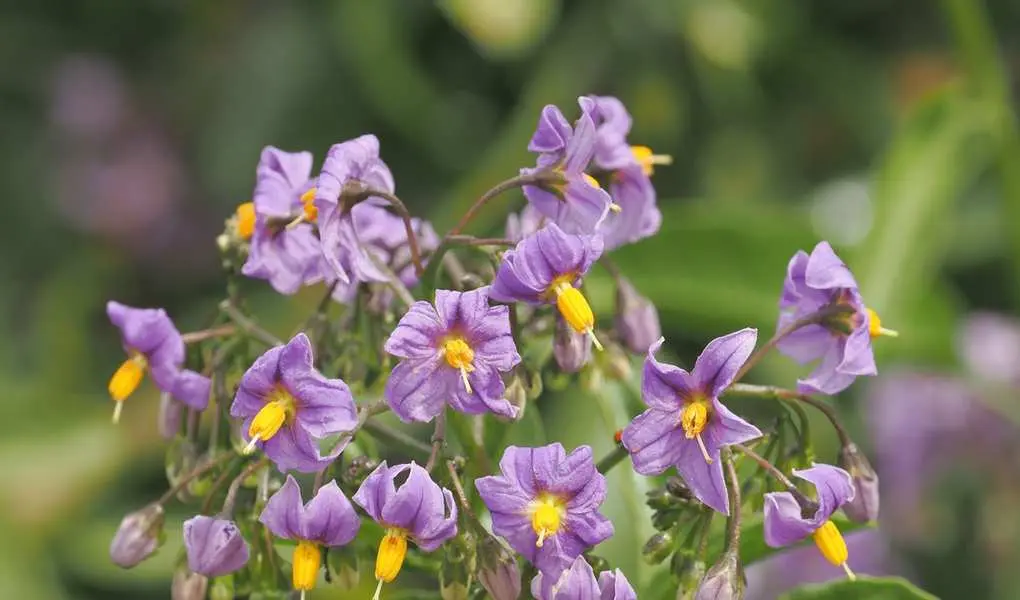
Climbing plants can elevate any garden, regardless of size. Whether you're working with a compact urban balcony or a spacious countryside landscape, incorporating a few rapid-growing, resilient climbers can enhance your greenery and create a vibrant backdrop.
Having spent years in the gardening industry, I've cultivated a keen appreciation for the beauty climbing plants can bring. From the sweet aroma of star jasmine to the vivid hues of Virginia creeper, these plants not only soften harsh landscapes but also add character to outdoor areas. After all, who wants to gaze at barren walls and empty fences?
Here are five of the easiest climbing vines to cultivate, featuring a selection of low-maintenance, beautiful options that cater to both newbies and seasoned gardeners alike.

Top Easy Climbing Vines
When selecting the ideal climbers for pots or garden borders, it's vital to assess what thrives best in your environment. Factors like climate, US hardiness zone, and the growth habits of your chosen species are essential to avoid setbacks. Many flowering vines prefer full sun, while some evergreens thrive in partial shade. With the right choices, your garden's vertical spaces can quickly become lush. Here are five of the simplest climbers to cultivate, complete with expert advice.
1. Creeping Fig
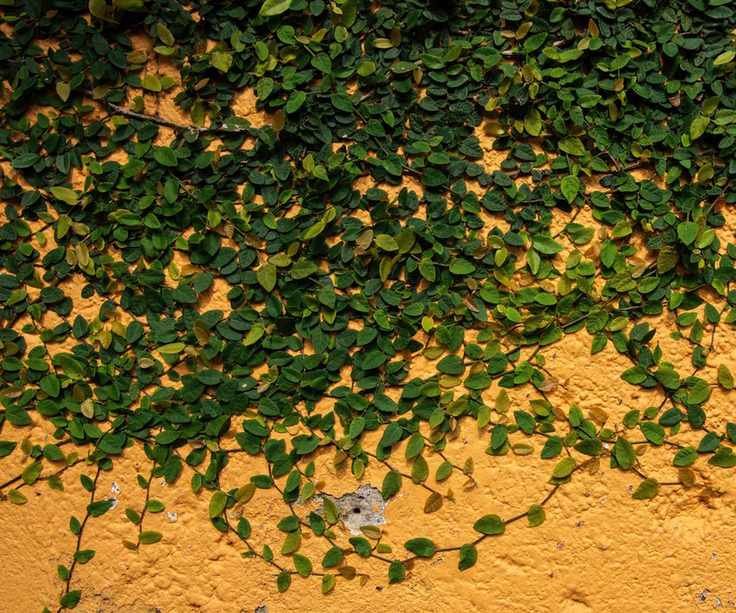
The creeping fig, or Ficus pumila, is a fantastic choice for covering bare walls. According to a nursery owner, this fast-growing vine thrives in various soil types and can reach heights of 10 to 15 feet, making it an excellent low-maintenance option.
Preferring partial to full shade, the creeping fig adapts well to many conditions. In cooler climates, it may lose some leaves in winter, but it remains evergreen in warmer regions, making it ideal for winter coverage.
Regular watering during dry spells promotes establishment, and pruning is essential to control its spread and maintain shape.
2. Star Jasmine
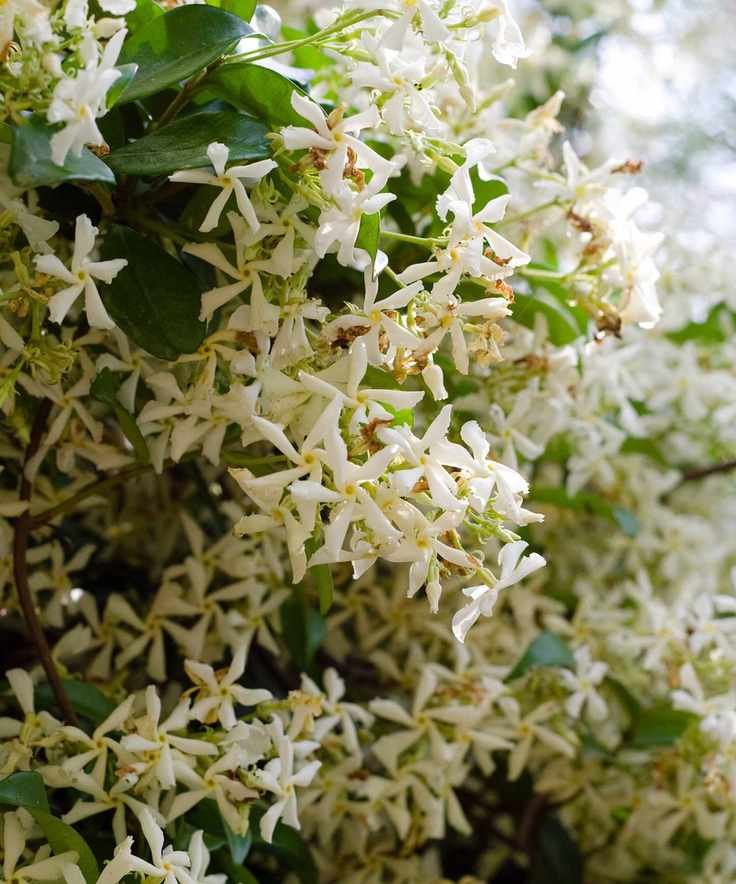
Star jasmine, or Trachelospermum jasminoides, is a beloved choice among gardeners. Known for its lush foliage and fragrant blooms in spring and summer, it can be cultivated from US hardiness zone 8 to zone 10.
This adaptable vine flourishes in various light and soil conditions. Be sure to provide a sturdy support structure for climbing, and regular pruning post-blooming helps to maintain its shape.
3. Chilean Potato Vine
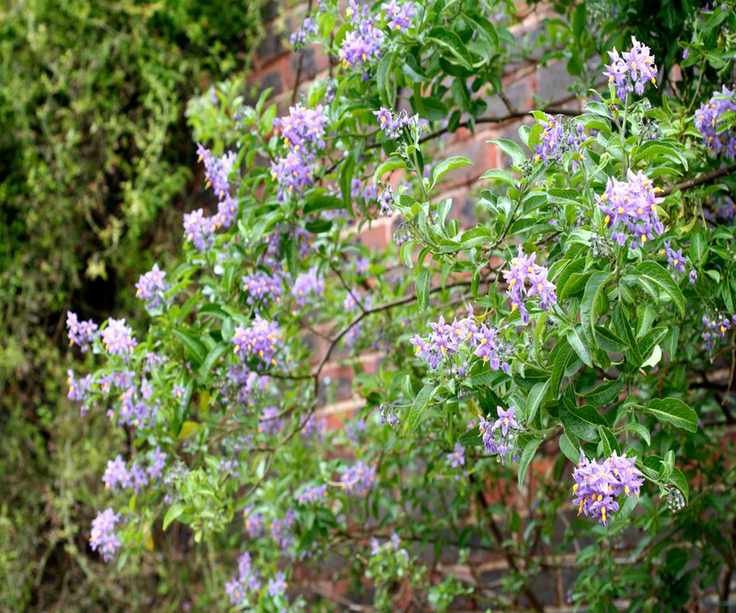
The Chilean potato vine, or Solanum crispum, is a low-effort climber often seen cascading over garden walls. It thrives in US hardiness zone 9 and above, preferring sunny spots and well-draining soil. If you're in a cooler area, consider growing it in a pot and bringing it indoors during winter.
This vine produces clusters of small purple-blue flowers with yellow centers throughout summer. Pruning after flowering, usually around August or September, encourages healthy growth.
Be cautious, as parts of the Chilean potato vine are toxic if ingested in large amounts, especially for pets and children.
4. Virginia Creeper
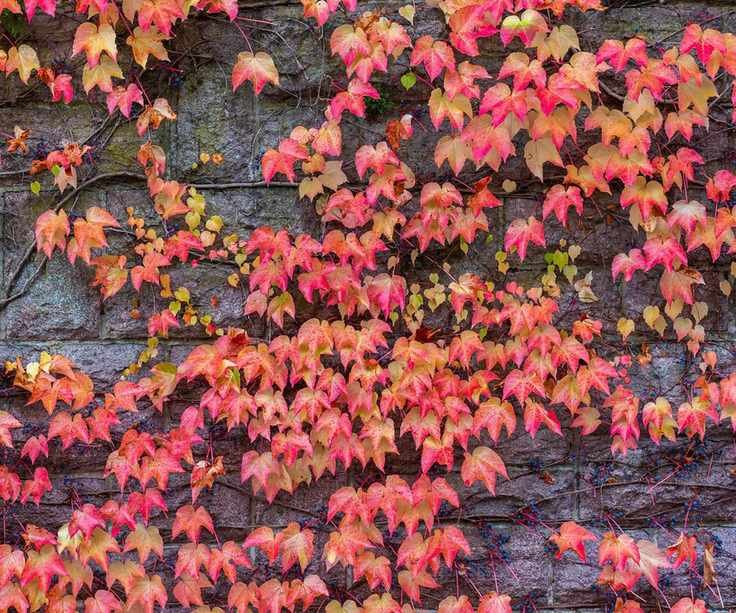
Virginia creeper, or Parthenocissus quinquefolia, is renowned for its stunning fall foliage. This climber displays vibrant crimson leaves from October, making it a compelling choice for covering walls.
It's adaptable, thriving from US hardiness zone 4 to zone 9, and can grow in both sun and shade. While it sheds leaves in winter, its structure still adds interest during the colder months.
Once established, it requires minimal upkeep, though annual pruning is advisable to control its growth and prevent potential damage to structures.
5. Passion Flower
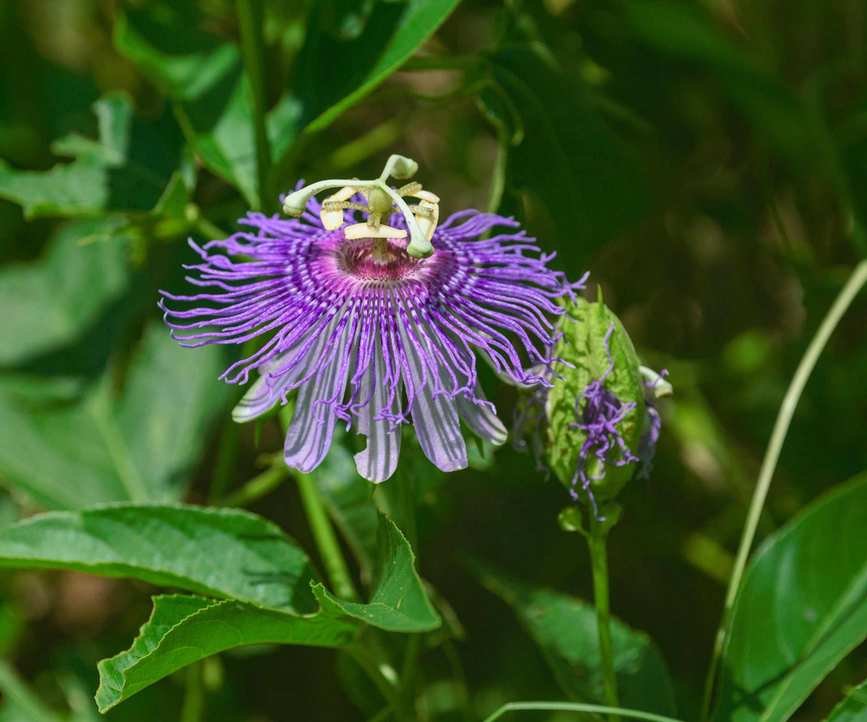
Thriving from US hardiness zones 6 to 10, passion flowers are striking climbers with numerous species and hybrids available. For cooler regions, the native Passiflora incarnata can even tolerate zone 5. Most passion flowers prefer full sun and well-draining soil, making them ideal for climbing on trellises or garden supports.
Be mindful that some species, including common passion flower, can be invasive. Growing in pots can help manage their spread.
For an interesting hybrid option, consider the 'Scarlet Flame' passion flower, known for its vibrant red petals.
Quick Tips for Container Climbers
If space is limited and you want to cultivate climbers in pots, choose flowering vines that offer color and impact. Passion flowers are a great option but need warmer climates to thrive. In cooler areas, consider the evergreen clematis, Clematis armandii, which provides year-round greenery and fragrant white flowers in spring.
For successful growth, ensure to tie in both new and old shoots before the colder months. Strong winds and heavy rain can damage stems, so secure plants to their supports to prevent any mishaps. I recommend using reusable Velcro ties, which are incredibly handy.
Looking for more easy plants to enhance your garden this year? Explore our guide on the simplest evergreen trees to cultivate for year-round color and structure.



