
What exactly is positive space in interior design, and why is it crucial for a room's overall design? Positive space refers to the areas occupied by various objects, materials, and furnishings, including your decor elements like furniture, art, and lighting. The way you utilize this space can greatly influence the ambiance of a room, making it feel either warm and inviting or sleek and minimalistic.
To understand positive space, it's essential to consider it alongside negative space, which encompasses the gaps and areas surrounding these objects. A thoughtful combination of both positive and negative space is key to achieving a balanced, visually appealing room.
Here, we'll explore how to effectively incorporate positive space into your designs.
Defining Positive Space in Interior Design
Recognizing positive space is a vital skill for interior designers, as it aids in crafting harmonious designs that avoid feeling overcrowded or too sparse.
'In interior design, positive and negative space coexist, and both are essential for a room's functionality,' explains Barrie Cutchie, a design director.
'Positive space encompasses the actual objects; for instance, in bathrooms, it includes the bath, toilet, sink, and lighting, while negative space refers to the empty areas that highlight those objects.'
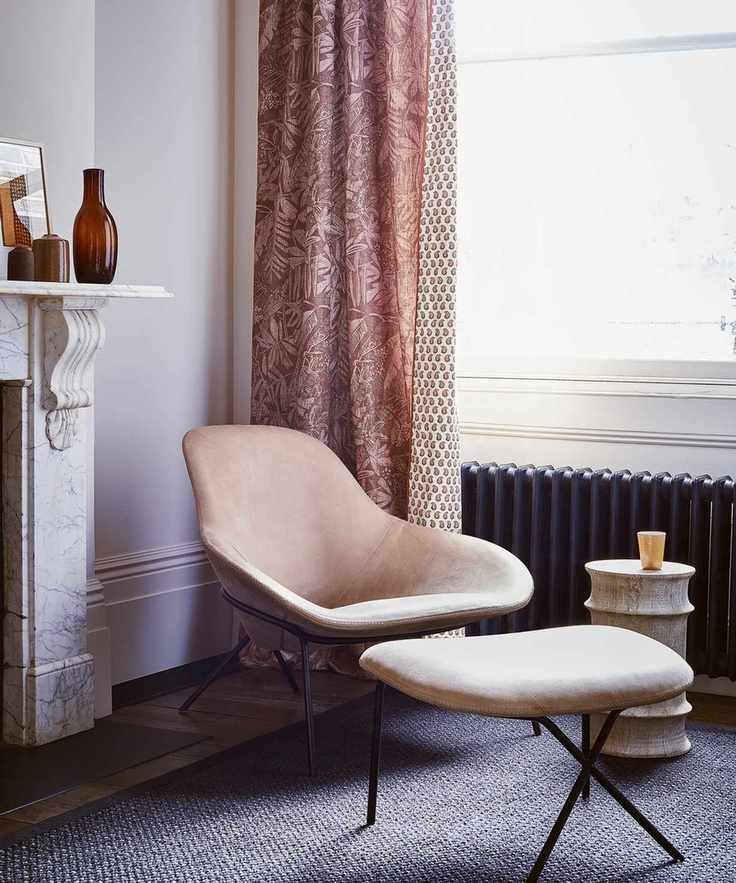
Utilizing positive space effectively means allowing your chosen pieces to stand out. For example, a beautifully shaped armchair requires negative space around it to showcase its curves; cramming it with other furniture or excessive decor diminishes its impact.
How to Utilize Positive Space in Interior Design
Finding the right balance between positive and negative space is crucial for achieving a well-proportioned room, ensuring it feels neither cluttered nor devoid of character.
When a room is filled to the brim with items occupying positive space, it can create a sense of chaos. Striking the right balance is essential for a visually appealing environment.
While positive space needs to be adequately filled for practical reasons (after all, everyone needs a bed!), it can also serve to make a bold statement or add texture with an eye-catching piece.
Incorporating texture in interior design – how professionals use it to enhance the look and feel of a room.
Here are five ways to effectively use positive space in your interiors.
1. Create a Cozy Modern Farmhouse Kitchen
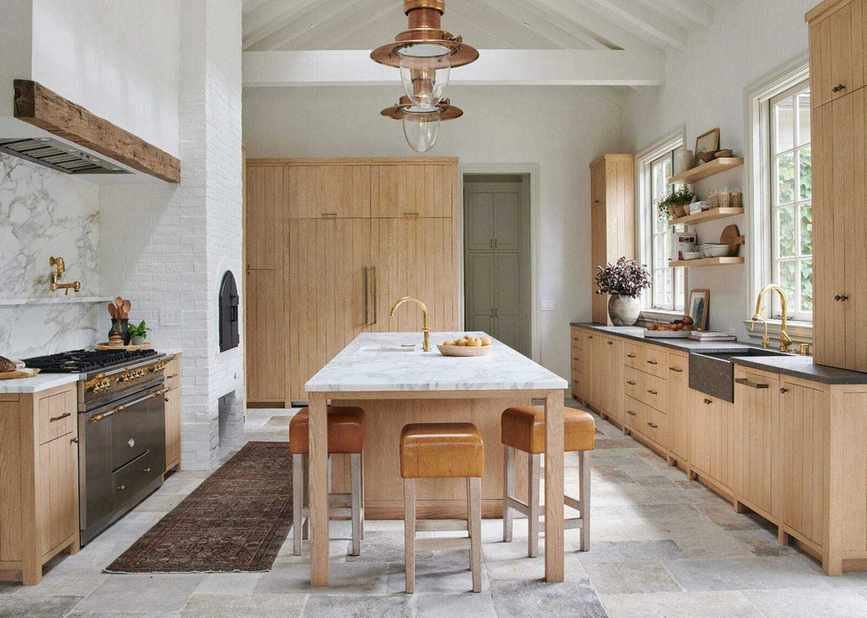
'Positive space consists of the areas taken up by objects, such as furniture and decorative elements,' state the experts at Frontier Designs. 'Modern farmhouse decor tends to maintain a balanced use of space, leaning slightly towards positive space to cultivate a warm, inviting atmosphere.'
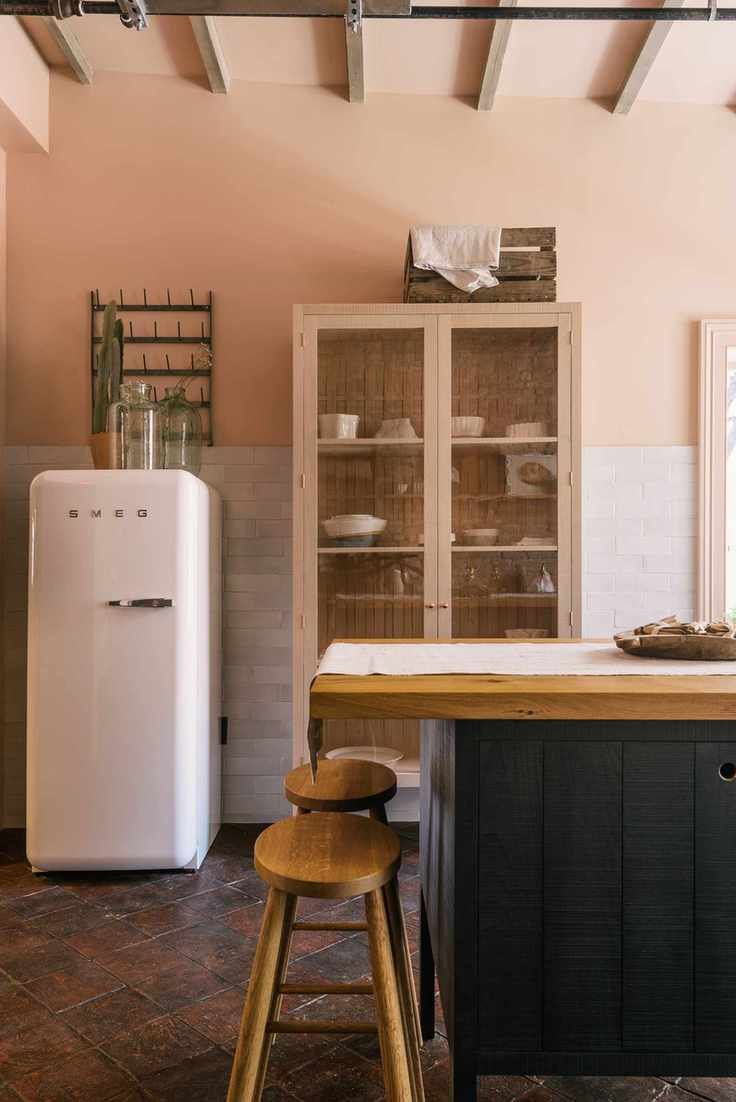
The rustic farmhouse-style kitchen island shown above exemplifies how positive space can contribute to a cozy, earth-toned feel while also serving as a dining table.
You can enhance the positive space in your kitchen with textured cabinets. The stunning Sebastian Cox kitchen by deVOL illustrates how a timber island and cabinetry, complemented by a Smeg fridge and wooden dresser, fill the space with functional yet organic textures. The careful placement leaves enough negative space to avoid clutter.
The dresser is just the right amount of filled with ceramics to create an appealing balance of character without overcrowding. A few decorative items, such as wooden boxes, trugs, and glass bottles, complete the look.
2. Use a Statement Piece for a Stunning Bathroom
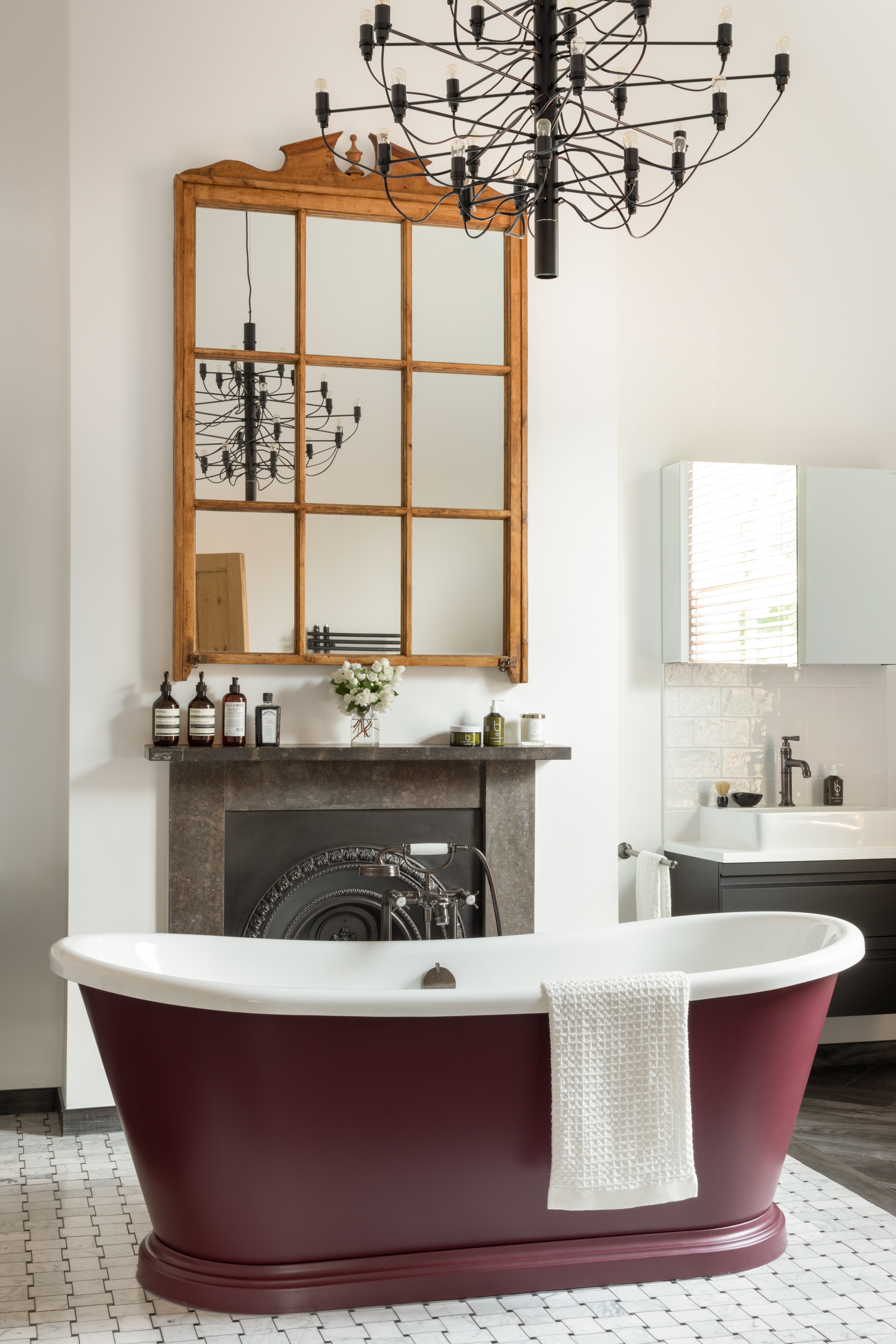
The bathroom is often a sanctuary for relaxation, and should exude a sense of luxury and tranquility. Positive space in this area typically comprises essential fixtures like the toilet and sink, but you can elevate the aesthetic by incorporating a stunning freestanding tub. Additionally, maintaining negative space for movement helps keep the room looking clean and uncluttered.
Barrie Cutchie emphasizes: 'In bathroom design, positive space could be a freestanding bath that serves as the room's focal point. To truly highlight the bath and enhance its impact, designers often leave space around it to draw attention to this standout feature.'
The above image also showcases how a statement chandelier can add a touch of grandeur without consuming too much positive floor space.
3. Infuse Color into Your Dining Room with Positive Space
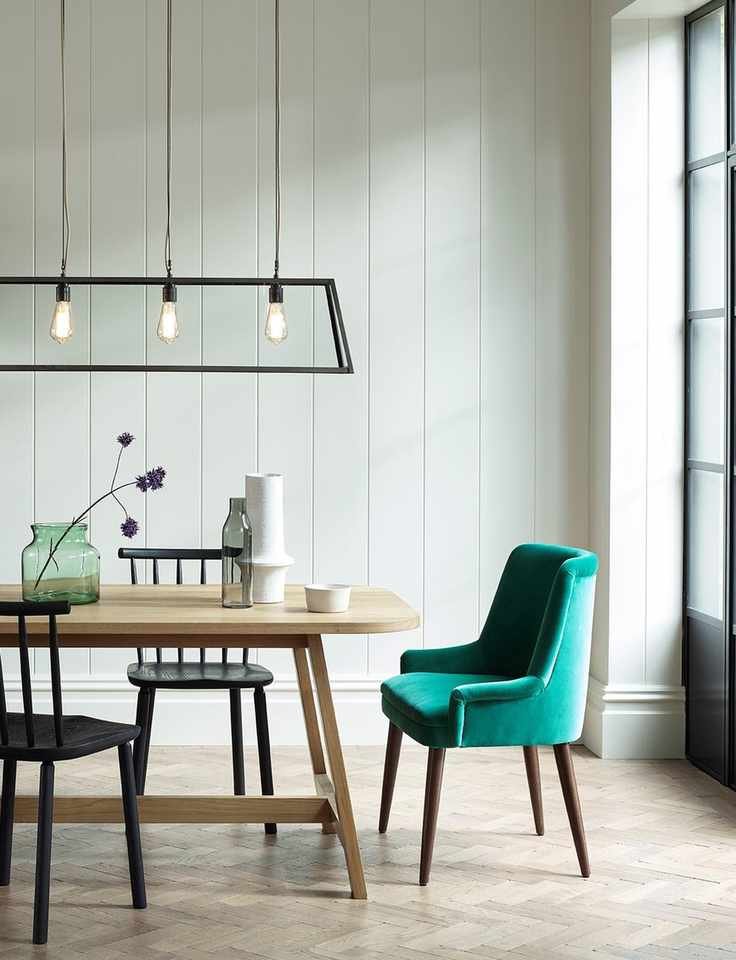
If you prefer not to cover the walls with bold colors, consider using positive space to introduce vibrant hues into your dining room. Whether through rich velvet dining chairs or thoughtfully placed decorative items, utilize positive space to bring life and energy to the area.
4. Curate a Contemporary Country Living Room
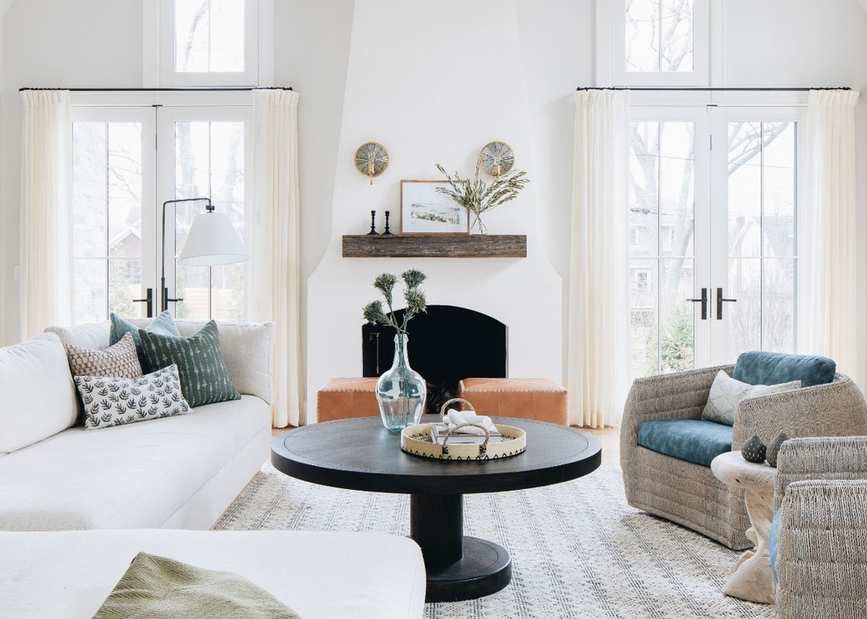
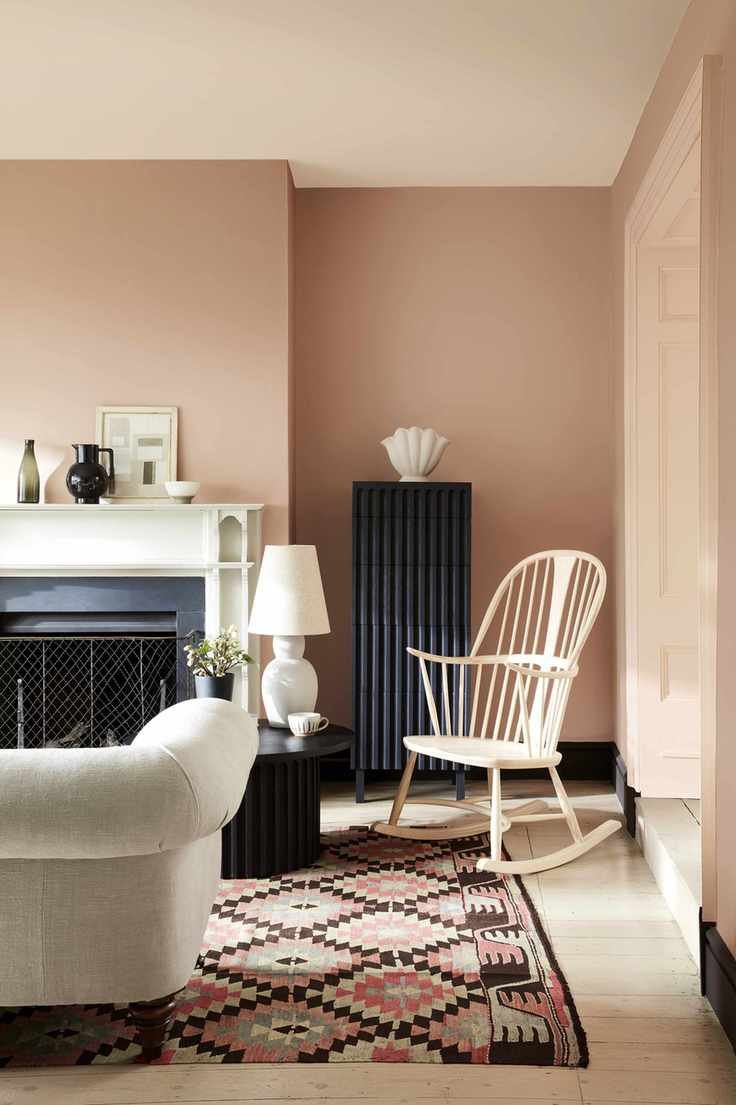
This living room showcases how positive space can be filled with carefully selected pieces to establish a cohesive design theme. The coffee table, in particular, is designed with ample negative space around it, allowing its unique form to shine.
See: Living room ideas – innovative ways to style living spaces.
5. Make a Bold Statement with Patterned Headboards in Your Bedroom

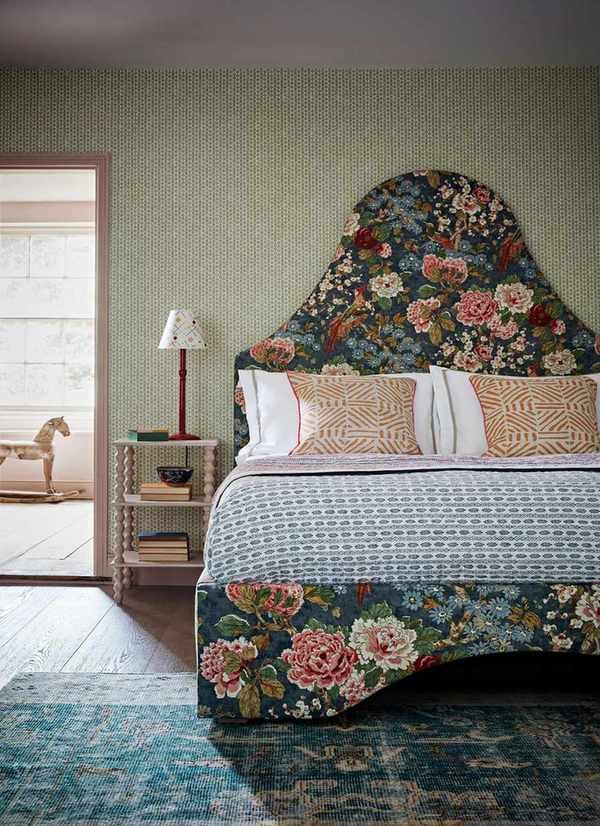
Take inspiration from Kit Kemp and fill positive space in your bedroom with a patterned headboard for an exciting and welcoming atmosphere. You can opt for bold floral designs or more subdued prints, like the charming Clemmie from Neptune.

How much negative space you maintain around the headboard is up to your preference, but if you'd like it to be the focal point, keeping the area relatively clear is advisable.



