

With a diverse selection of winter plants for pots and borders, you'll be surprised by the variety of colorful flowering options available to enliven your garden during the winter.
From aromatic flowering shrubs to classic bedding plants, you can curate a beautiful collection of colors and textures that brighten up the coldest days. Don't underestimate the potential of your winter pots to showcase stunning blooms.
Whether you prefer a striking single berry-laden shrub or a unique mix of vibrant flowers to craft your personalized palette, when you decide to plant a winter container, your choices are plentiful.
1. Pansies and Violas
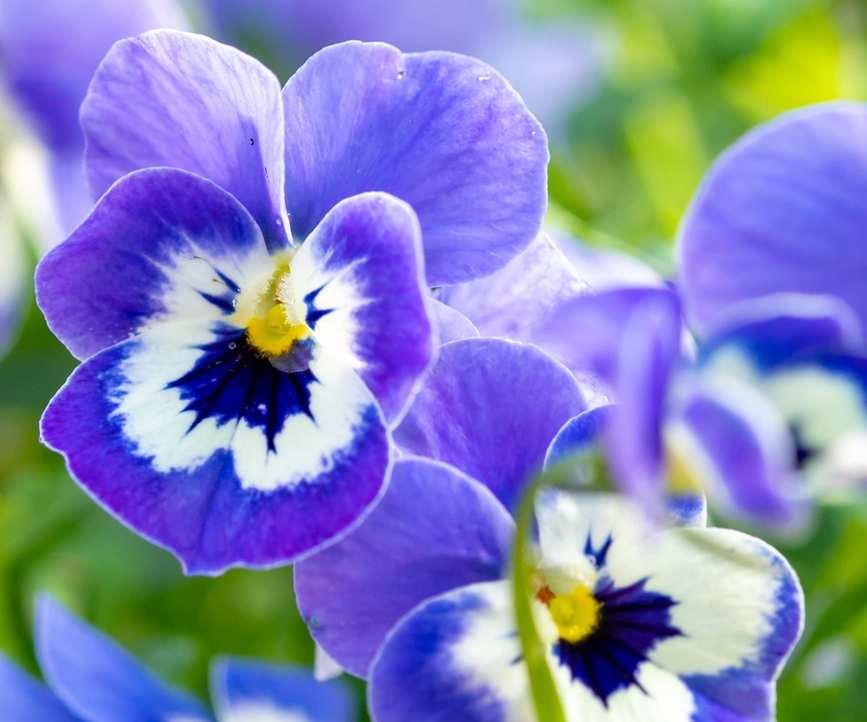
Violas and pansies are beloved choices for winter pots
Pansies and violas are easy-going, diverse, and long-lasting, ensuring a cheerful floral display throughout the cold season.
Opt for varieties labeled as 'winter-flowering' to ensure they flourish in chillier weather. They require minimal upkeep, primarily needing regular deadheading and moist compost—avoid letting them dry out completely as they are sensitive to drought.
Pansies are frost-hardy in USDA hardiness zones 6 through 10.
2. Heather

Winter heathers are resilient and vibrant, providing color and texture in late winter and early spring
Winter heather is a robust, long-blooming plant that forms attractive mounds in shades of pink and white, providing essential nectar for early pollinators emerging after winter.
Most heather varieties thrive in acidic conditions, so it's best to use ericaceous potting soil for your containers. However, varieties like Erica carnea, such as 'Springwood Pink', can tolerate more neutral soils and do well in a mix of multipurpose and ericaceous compost.
It is suitable for zones 7 to 9 and can withstand freezing temperatures.
3. Sweet Box
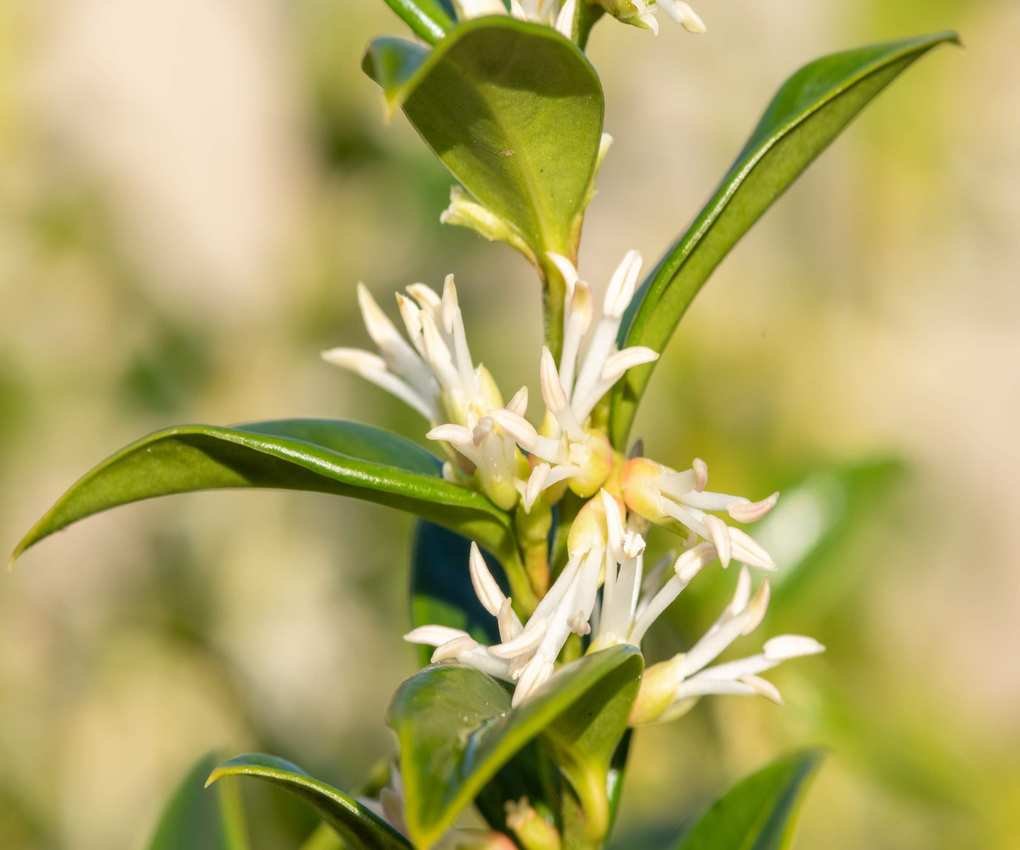
The sweet box (Sarcococca confusa) fills the winter air with delightful fragrance
We have a sweet box plant (Sarcococca confusa) by our front door, and during the winter months, its fragrant blossoms create a delightful scent as we pass by.
Recognized as one of the best winter flowers for fragrance, sweet box is perfectly suited for containers as long as it's planted in nutrient-rich potting soil that remains consistently moist.
This shrub produces clusters of small, delicate white flowers atop glossy evergreen leaves in winter, followed by black berries in the summer. Sweet box is low-maintenance and only requires the removal of dead shoots. It's hardy in zones 6-9.
4. Spring Bulbs

A pot of mixed Iris reticulata
Spring bulbs thrive in pots and will provide a much-needed burst of color to the late winter and early spring garden. Numerous fragrant bulbs can also be planted in the fall for a lovely early-year aroma.
To achieve optimal results, mix in grit or perlite with the potting soil to enhance drainage, as bulbs are susceptible to rot in overly wet conditions.
Consider creating a bulb lasagna by layering different sized bulbs such as tulips, daffodils, Iris reticulata, and anemones in the same pot to extend the flowering season.
Most spring bulbs are hardy in zones 3, zone 4, zone 5, and zones 6-8.
5. Skimmia Japonica
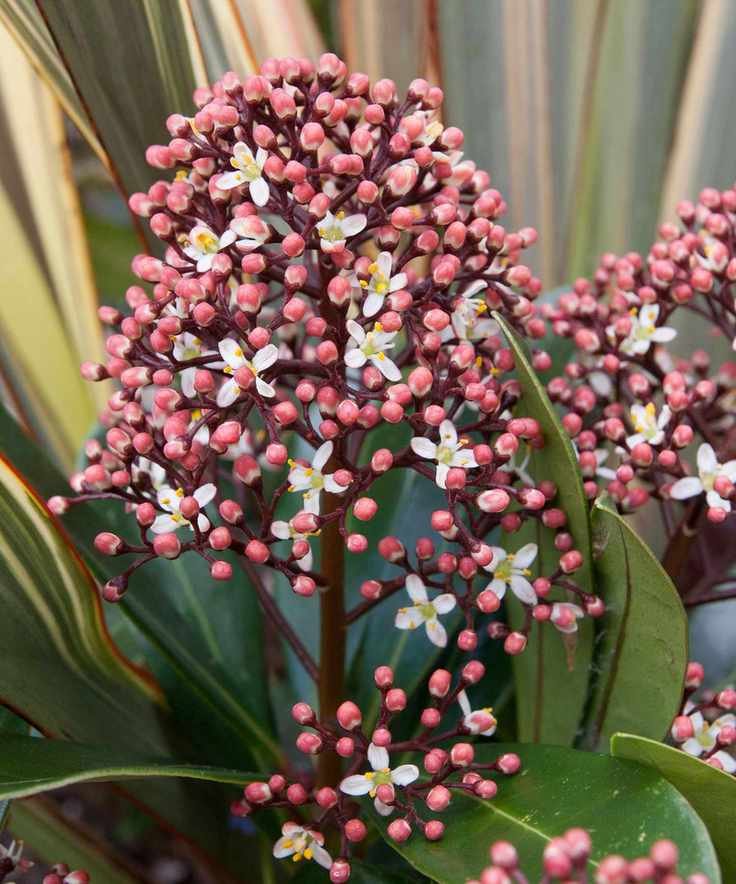
Skimmia japonica flourishes in pots and brightens shady areas
Japanese skimmia (Skimmia japonica) not only excels as a container shrub but also thrives in partial shade, making it ideal for brightening darker sections of the garden.
It features tidy, evergreen foliage and produces clusters of white flowers, followed by vibrant red berries in winter. To ensure berry production, pair male and female plants together.
Suitable for hardiness zones 7-9.
6. Daphne

Short varieties of Daphne provide beauty and fragrance in the winter garden
If you seek stunning blooms and intoxicating fragrance, look no further than daphne.
This lovely shrub bears white to light pink tubular flowers in spring or early winter in warmer locations, followed by small red berries.
Winter-flowering types that do well in containers include Daphne odora, which grows to about 4 feet tall and produces highly fragrant flowers in late winter and early spring (hardy in zones 7-9), and February daphne (D. mezereum), reaching 5 feet and yielding fragrant pink blooms from February to March (zones 4-7).
7. Hardy Cyclamen
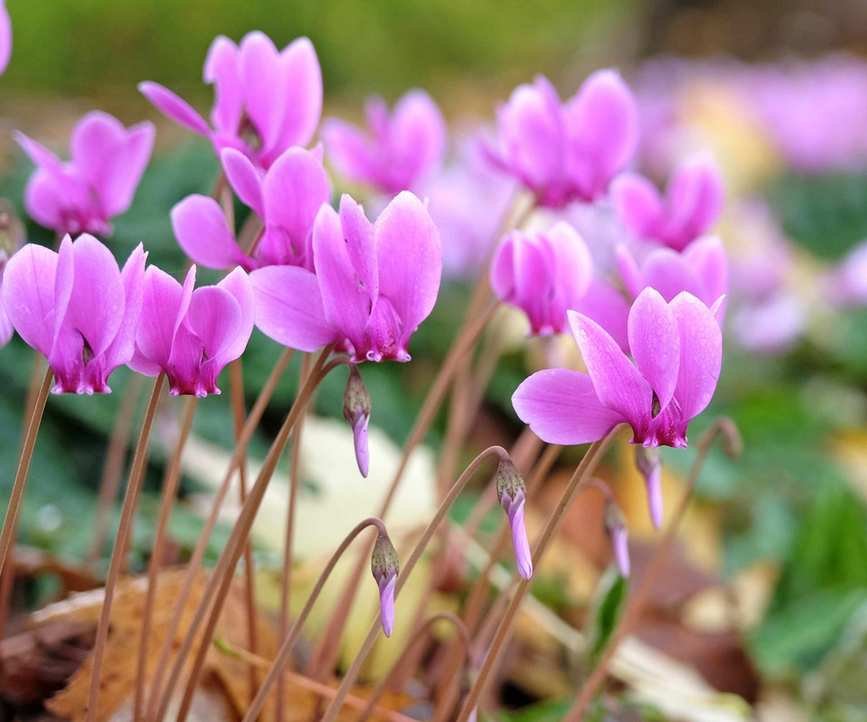
Delicate hardy cyclamen can brighten even the smallest winter pots
Charming cyclamen are my favorite choice for winter pots. There are many varieties available, but I always ensure to select the winter-hardy types, specifically Cyclamen coum or Cyclamen hederifolium.
Plant them at the same depth as they come in their pots and avoid waterlogging the containers, as this can harm the roots.
While the corms and roots start small, they can expand to the size of dinner plates, so you may need to divide them every few years to maintain their productivity and vibrancy.
Cyclamen coum is hardy in zones 5-9, while C. hederifolium thrives in zones 4-8.
8. Wintergreen

Gaultheria procumbens (wintergreen) features sweet white flowers and vibrant red berries
Low-growing wintergreen (Gaultheria procumbens) is one of the best shrubs with winter berries and thrives in pots.
Also known as checkerberry, this ground-hugging evergreen is suitable for hanging baskets and can later be moved to a shady area for groundcover.
It produces small white flowers followed by bright scarlet berries, and its aromatic, resilient leaves take on a charming red hue in winter. Always wear gloves when handling this plant, as it can cause skin irritation.
Gaultheria procumbens is hardy in zones 3-8.
9. Camellias
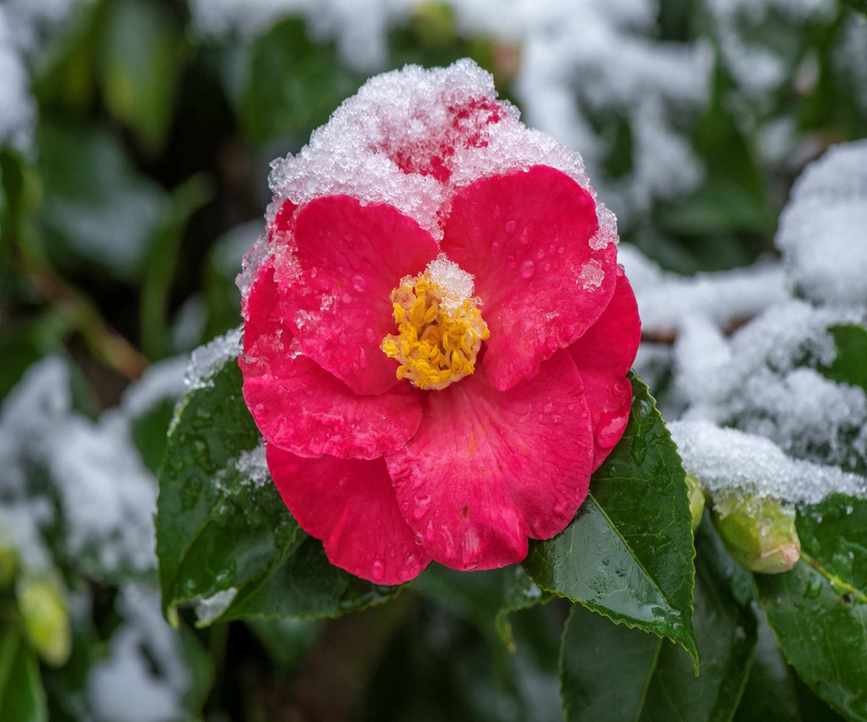
Camellias provide essential color in late winter but should be protected from early frosts
Numerous camellia varieties add vibrancy to the potted garden, with their glossy flowers blooming from fall through spring in shades of pink, red, and white, creating a stunning contrast against their evergreen leaves.
These plants are perfect for pot cultivation, but ensure you use ericaceous potting soil and water them with collected rainwater during dry spells. You'll need to repot camellias into fresh potting mix every 2-3 years as they outgrow their containers. Place them in a partially shaded location, as they can struggle in direct sunlight.
Be mindful of several camellia issues that may arise, and make sure to position them in a sheltered area, as early frosts can harm their buds and significantly affect blooming.
These plants are hardy in zones 7-9.
10. Hellebores

Hellebores, also known as Christmas roses, are among the most diverse and captivating plants for late winter
Hellebores, commonly referred to as Christmas or Lenten roses, are a visual delight. They come in various shades, from deep burgundy to pristine white, with many cultivars showcasing double blooms.
These flowers bloom from mid-winter to early spring and thrive in pots. They prefer rich, well-draining potting soil and do best in dappled shade.
They are hardy in zones 3-9.
FAQs
What type of pot should I use for winter flowering plants?
The type of pot you choose depends on how harsh your winter temperatures are. While terracotta pots look stylish, they can crack in freezing conditions—so-called 'frost-proof' terracotta isn't always foolproof.
More reliable materials for winter planting include stone, fiberglass, wood, and plastic—many modern plastic pots mimic other materials quite well.
How do I protect my pots from extreme cold in winter?
Plants in containers are more susceptible to freezing temperatures than those in the ground, as potting soil freezes more quickly than garden soil. This can lead to plants freezing to death, and when the thaw occurs, waterlogged potting soil may suffocate them as excess moisture displaces oxygen from the roots. Additionally, pots can crack as frozen soil expands.
You can safeguard pots and plants by wrapping them in fleece, such as a Dewitt Supreme freeze blanket from Amazon when severe cold is forecasted. If possible, cluster your pots together against a sheltered wall or move them into a frost-free greenhouse or porch. Always ensure that containers are elevated to allow excess rainwater and snowmelt to drain away.
Do I need to feed winter flowers in pots?
Many potting soils, such as Miracle-Gro potting mix from Amazon, come pre-fortified with fertilizer. If using multipurpose compost, I recommend adding granular fertilizer at the suggested rate to provide an initial boost.
This should nourish your plants for 4-6 weeks. If they continue to grow and bloom past this period, feed them every two weeks with a liquid tomato fertilizer like Farmer's Secret tomato booster, available from Amazon to encourage more blooms.
Winter flowering containers are a delightful way to introduce bright colors and interest to your seasonal garden. Place them on your front porch, perhaps with some fairy lights, to warmly welcome your guests during Thanksgiving and Christmas.



