
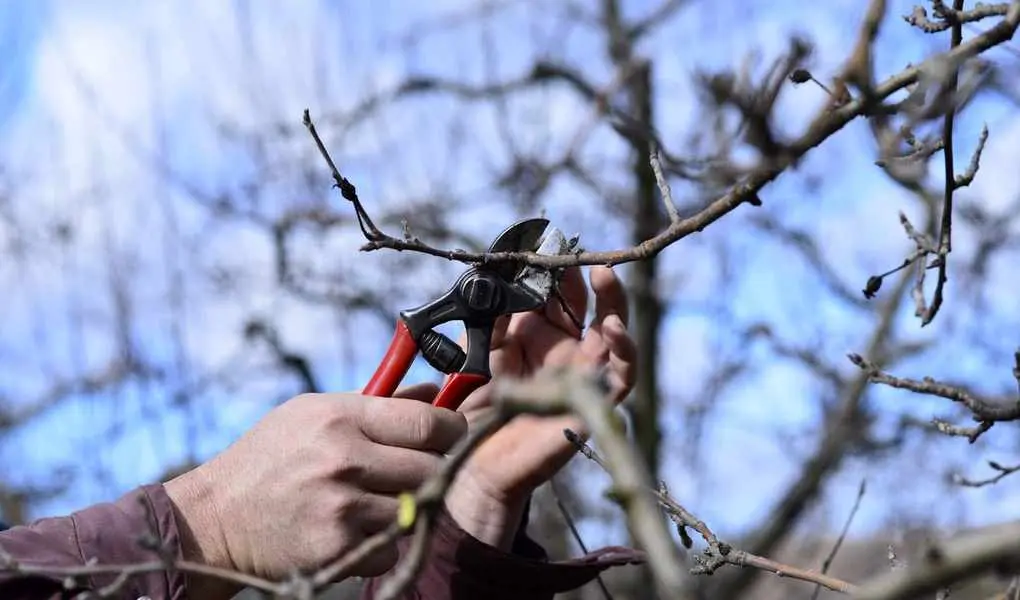
Many of the most popular fruit trees need an annual trim during winter to stay healthy and produce well. Apples and pears, common in home gardens, benefit greatly from winter pruning — but it's a job that requires care and know-how to get right.
Understanding when, how, and why to prune fruit trees helps ensure you cut correctly and avoid mistakes that could harm the tree's health.
Over years of working with fruit trees in orchards and walled gardens, I picked up several key steps and skills that made pruning easier.
The method and timing for pruning fruit trees can vary based on the type, age, and location of each tree. But all fruit trees benefit from pruning, and it pays to know a few pro tips before heading out with your tools this winter.
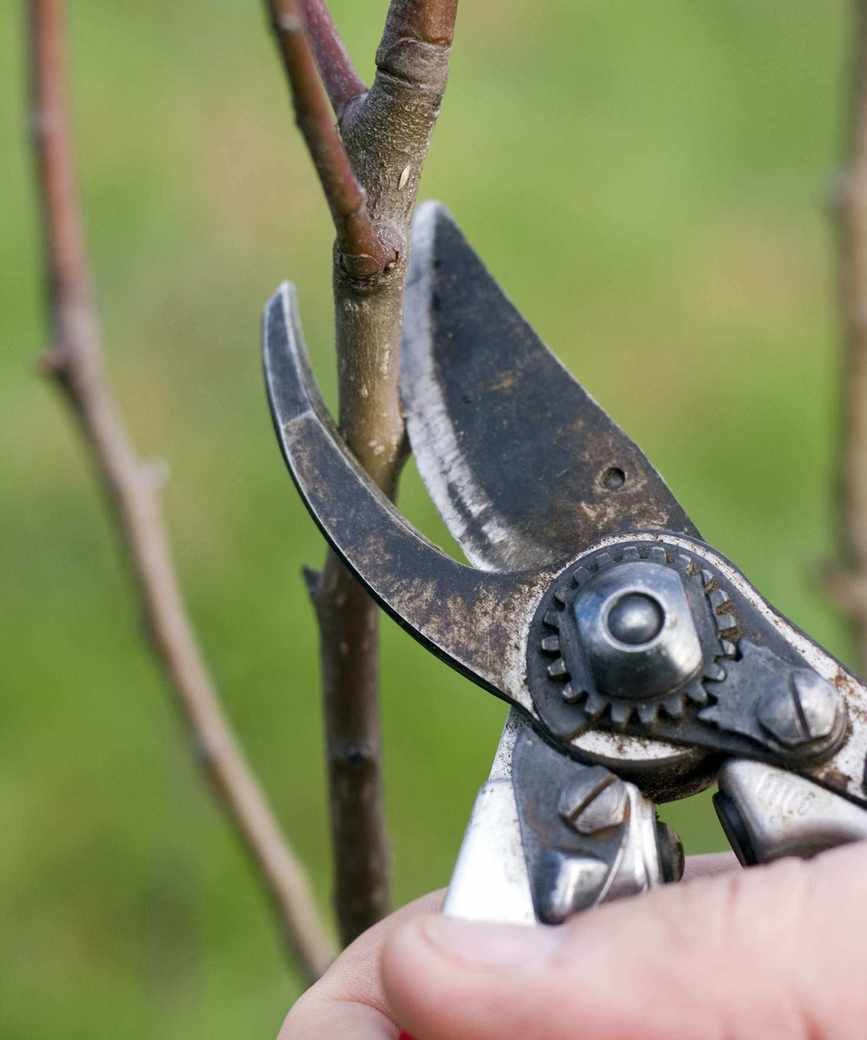
Sharp, clean cutting tools are essential for winter fruit tree pruning
5 Winter Pruning Tips for Fruit Trees
Safety should always come first when pruning fruit trees — or any trees. It protects both you and the tree. If your tree is very large or you're not confident pruning, consider hiring a professional arborist.
If you're pruning yourself, here are some pointers to help you succeed and avoid common fruit tree pruning mistakes that could damage your tree.
1. Time It Right
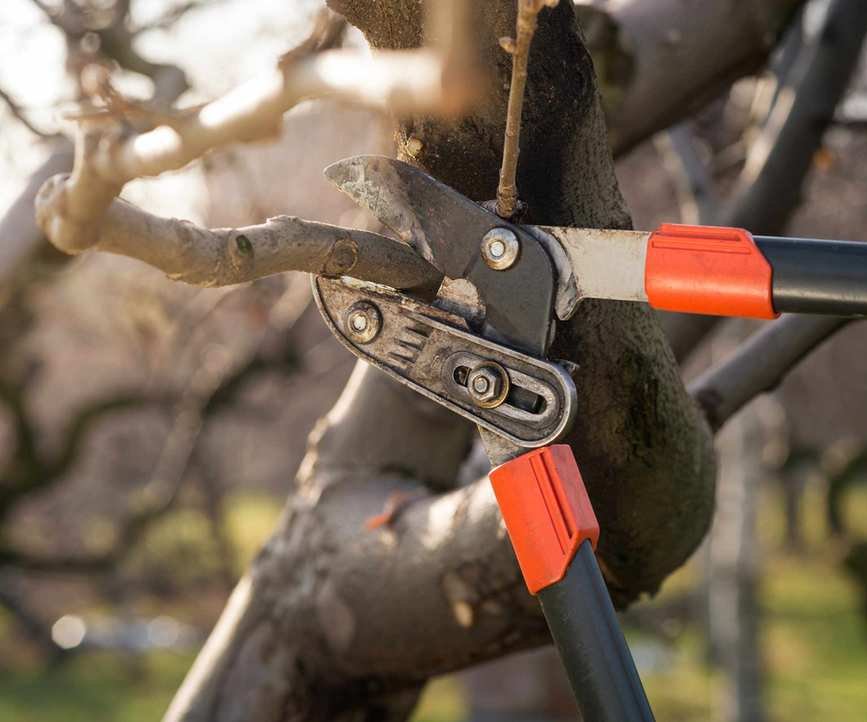
Always use the right tool for the branch size you're cutting
When pruning fruit trees, it's crucial to trim them at the right time of year — and not all fruit trees should be pruned at the same time.
A common pruning mistake is treating them all the same. Mid-to-late winter or very early spring is best for apple trees and pear trees, when they're fully dormant. But stone fruits like peaches and plums should be pruned in spring or summer.
Janet Melrose, a master gardener and co-author of The Prairie Gardener's Go-To Guide for Fruit, advises waiting until the 'really cold months' are behind you, depending on your US hardiness zone. This way, cold snaps won't harm the tree's healing and recovery after pruning.
On bad timing, she warns: 'The worst time to prune is late summer and fall when the trees are maturing fruit and then need to go into dormancy without hindrance.'
On the advantages of late winter and early spring pruning, she adds: 'Wounds heal fast in spring, with less chance of pathogens entering as the pollinators that may carry viruses are not yet out and about. Fungal fruiting bodies have not yet formed and bacteria are still dormant.'

Janet Melrose is a master gardener and the creator of Calgary's Cottage Gardener, which specializes in garden education, horticultural therapy, and sustainable local food systems. She is the co-author of 'The Prairie Gardener's Go-To Guide for Fruit'.
2. Use the Right Tools
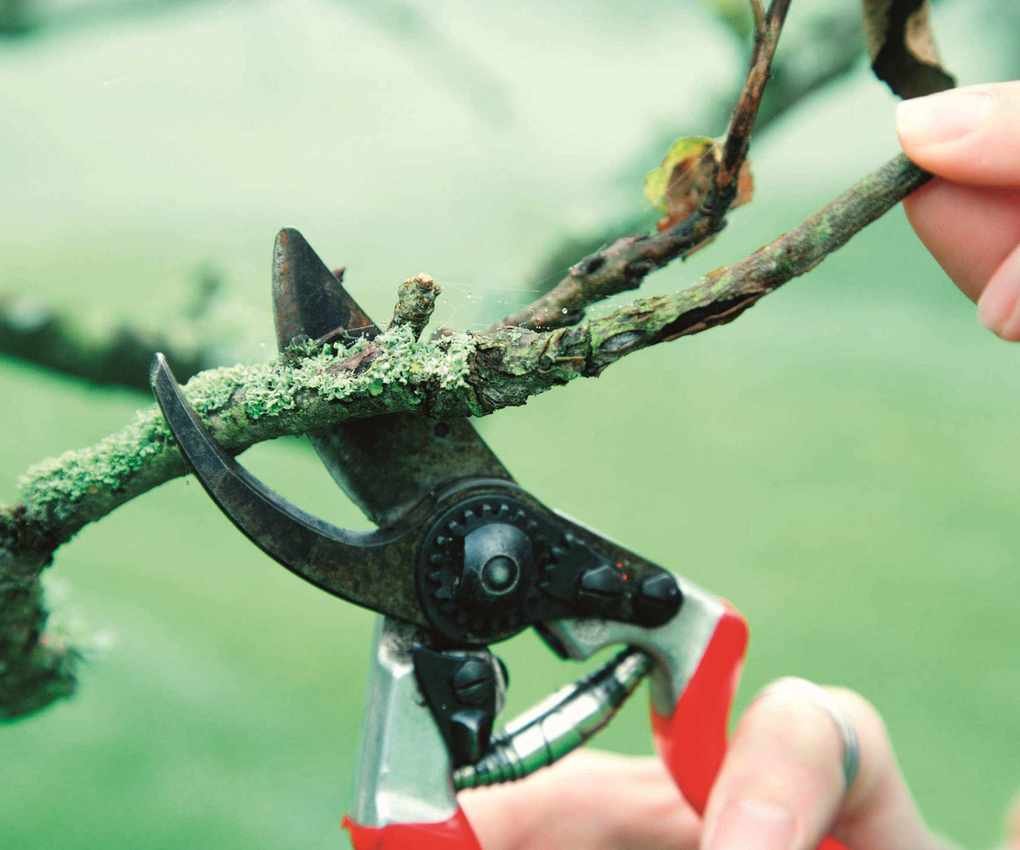
Apple trees should be pruned annually every winter
Good tools matter for pruning, and for fruit trees you'll likely need several different garden tools, each designed for specific tasks. Typical needs include:
- A pair of pruning shears for small branches
- Loppers for larger branches
- A pruning saw for the thickest branches
- A sturdy ladder for high branches — such as a tripod ladder, available at Amazon
- Gardening gloves and eye protection against branches and sawdust
All tools should be clean and sharp before pruning — this benefits both you and the tree.
Nadezhda Yaneva, a gardening specialist, says it's important to use the 'appropriate' tool for the branch diameter, adding: 'Make sure the blades are sharp; dull tools result in ugly pruning cuts and increase labour intensity.'
Blunt and rusty tools not only make ugly cuts, but those cuts take much longer to heal. This can leave the tree more vulnerable to pests and diseases.
It's also important to clean and disinfect tools between cuts, especially if trees show signs of disease. Regular sanitizing prevents spreading pathogens from tree to tree.
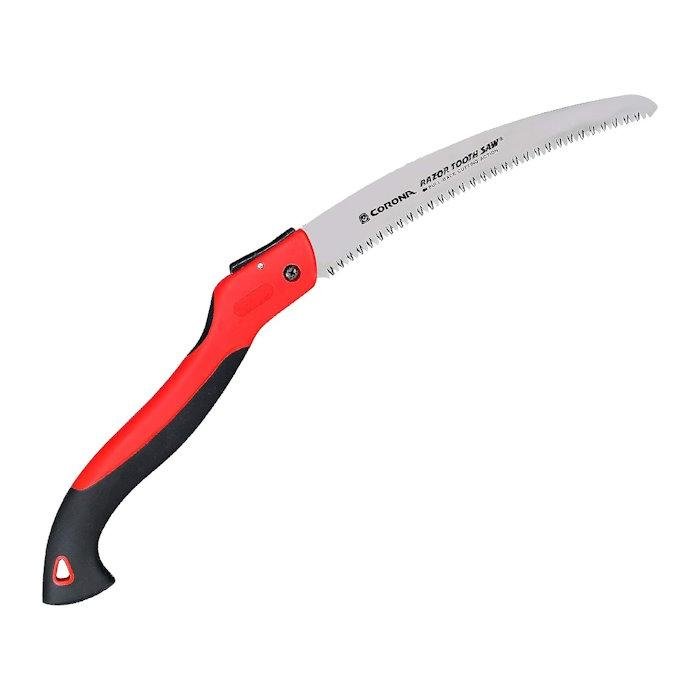
A practical folding pruning saw ideal for cutting trees. The 10-inch taper-ground blade with 3-sided sharpened teeth cuts branches up to 5 inches thick and folds away for compact storage.
3. Don't Rush
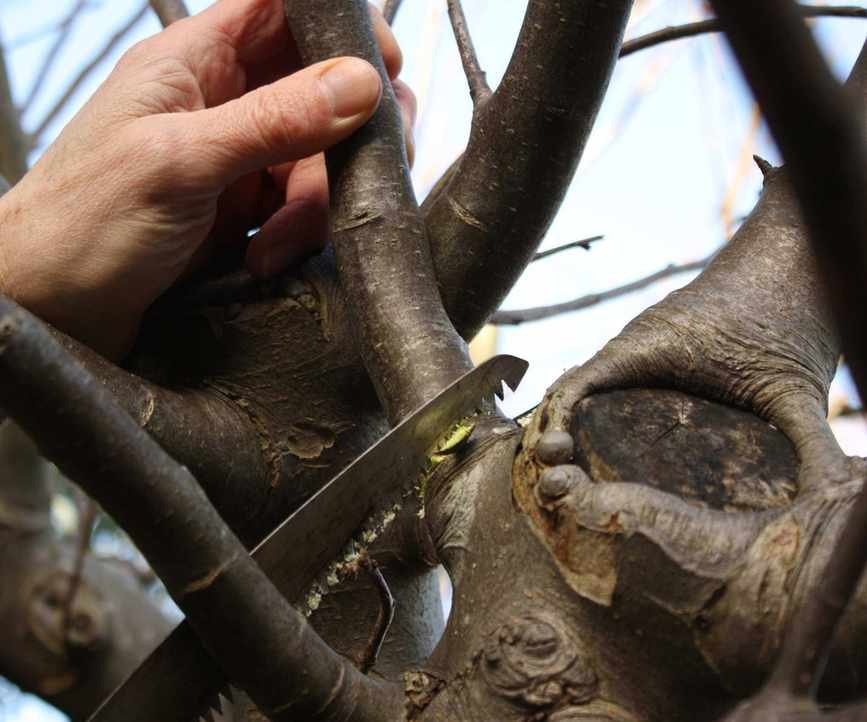
A pruning saw is used for the largest branches
Pruning shouldn't be rushed — it's a gradual process that takes time. Each cut should be considered and made for a reason. Rushing leads to poor branch selection and haphazard cuts.
'Start by assessing the tree's overall structure; a well-pruned tree should have an open canopy that allows sunlight to penetrate all branches. When selecting branches to prune, consider their age, health, and position,' says Lindsey Hyland from Urban Organic Yield. 'Regular inspection and maintenance will keep your fruit trees in excellent shape, ensuring a bountiful harvest.'
Each tree needs individual assessment, and the pruning approach should be tailored based on size and type. The approach also varies if the tree is freestanding or trained, like an espalier apple tree.
Taking regular steps back while pruning is recommended — it gives you a chance to look at the tree and reassess your next cuts.

From outdoor food gardens to container planting, aquaculture, and hydroponics, Lindsey is an expert in a range of topics and passionate about teaching gardening basics.
4. Know Your Goals
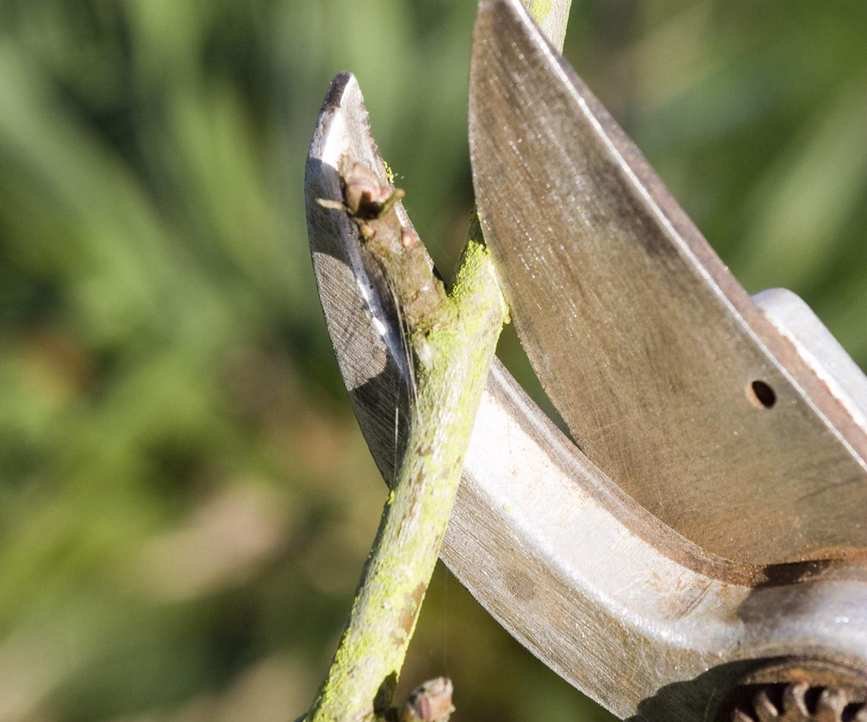
Every pruning cut should be made with purpose
Identifying the right branches to prune means understanding why you're pruning — whether for shape, growth, health, or fruit production. Doing research beforehand helps clarify what you hope to achieve.
For established fruit trees, the goal is to maintain health and boost cropping. Pruning often includes thinning the canopy to let in more light and air, and removing branches growing downward or into the center.
Evan Torchio, CEO and Founder of Tree Menders, recommends starting by removing any dead, diseased, or damaged branches to promote the tree's health.
'Then, thin out areas where branches are crowded to enhance sunlight penetration and airflow – both essential for fruit growth,' adds Evan. 'However, be cautious not to over-prune; removing more than a quarter of the branches can stress the tree.'
Removing water shoots and suckers is also important — these vigorous shoots take energy from the rest of the tree but won't produce fruit. Removing them redirects that energy into buds, blossom, and fruit.
While it's easy to get carried away, as Evan mentioned, you need restraint. The one-third pruning rule recommends removing no more than a third of any material — a vital rule for all pruning.

Evan Torchio is the CEO and Founder of Tree Menders. He holds a bachelor's degree in Forestry and has hands-on tree work experience.
5. Make Precise Cuts
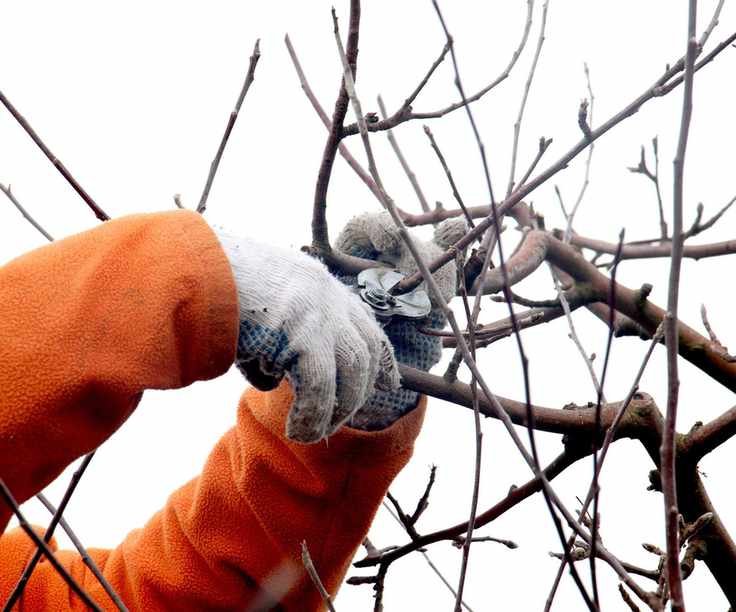
Thinning congested areas lets air and light into the tree's center
Precise cutting is crucial for maintaining fruit tree health. Messy or poorly placed cuts can cause die-back and increase disease risk.
Cuts should be as close to the branch collar as possible — where the branch meets the main trunk. Cutting close to the collar avoids leaving stubs, which can lead to dieback that affects the trunk.
When pruning large branches, it's best to do it in stages to avoid damaging the trunk. Janet Melrose recommends starting with a partial cut on the bottom of the branch about 12 inches from the collar.
'About two inches outside that first tiny cut, you can cut the branch all the way through. Approach the cut from the top of the branch this time, not the bottom. The branch will fall,' adds Janet.
'You are now left with a long stick still affixed to the tree, and you don't want that. Make the final cut just outside the branch collar. This cut must be made from the top of the branch. Be extremely careful with this cut so you don't nick the trunk, but also bear in mind that you don't want to leave a short stub.'
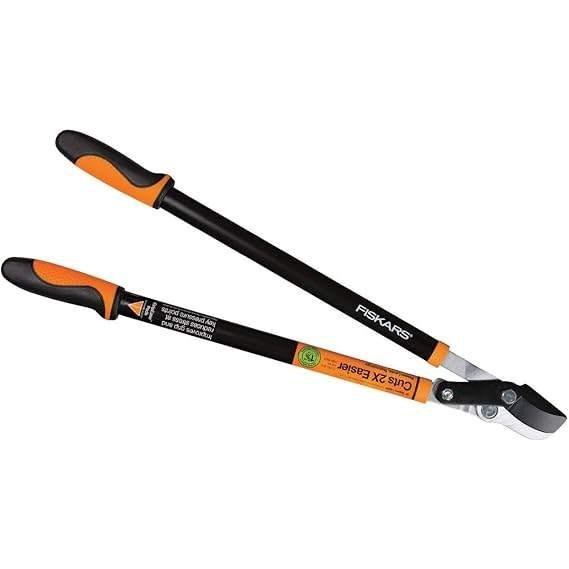
These loppers cut through branches up to 1.75" thick. The hardened stainless steel blades have a non-stick coating for smooth, clean cuts, and the power-lever technology multiplies leverage to make cutting two times easier.
FAQs
Which fruit trees should be pruned in winter?
Apple, pear, and medlar trees should be pruned in winter during dormancy. Stone fruit trees like peach, plum, apricot, and cherry should be pruned in summer to protect them from serious fungal diseases like silver leaf.
Can I prune plum trees in winter?
Winter is not the time for pruning plum trees. Like other Prunus species, plum trees are highly susceptible to silver leaf disease. This fungal issue enters through pruning cuts and is very active in fall and winter. The best time to prune plum trees is during summer.
Pruning fruit trees should always be on your winter gardening checklist, especially if you have fast-growing fruit trees in your backyard on vigorous rootstocks. While they provide structure and tasty fruit quickly, they can also get too large if not trimmed annually.



