
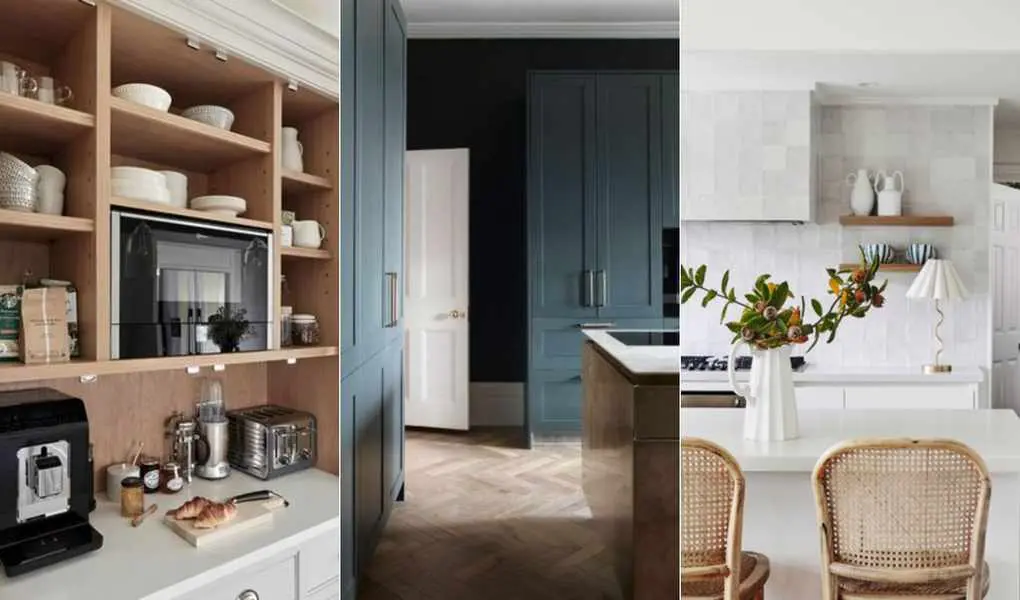
Kitchens, often bustling with activity, can quickly become cluttered visually. This disarray can create a chaotic impression and reveal poor organization. Fortunately, there are straightforward techniques to restore order and visual balance in your kitchen, making it both functional and inviting.
Visual clutter can be daunting; it detracts from your kitchen's efficiency and complicates cleaning. Moreover, it can contribute to a stressful environment. Thus, managing visual clutter is essential for fostering a more pleasant cooking space.
Here, we share expert-backed methods to organize your kitchen effectively, hide unsightly items, and employ innovative storage solutions and routines for decluttering.
Strategies for Reducing Visual Clutter in the Kitchen
Before organizing, assess and categorize your kitchen items based on their usage frequency.
First, identify which items truly belong in your kitchen and which could be stored elsewhere. By clearing out non-essentials, you'll create more space for the items you frequently use.
Next, sort the remaining items into categories based on how often they are utilized. This will guide your storage decisions.
These preliminary steps will help you evaluate your storage needs while considering the most efficient kitchen layout to prevent future clutter.
1. Use Open Shelving Wisely
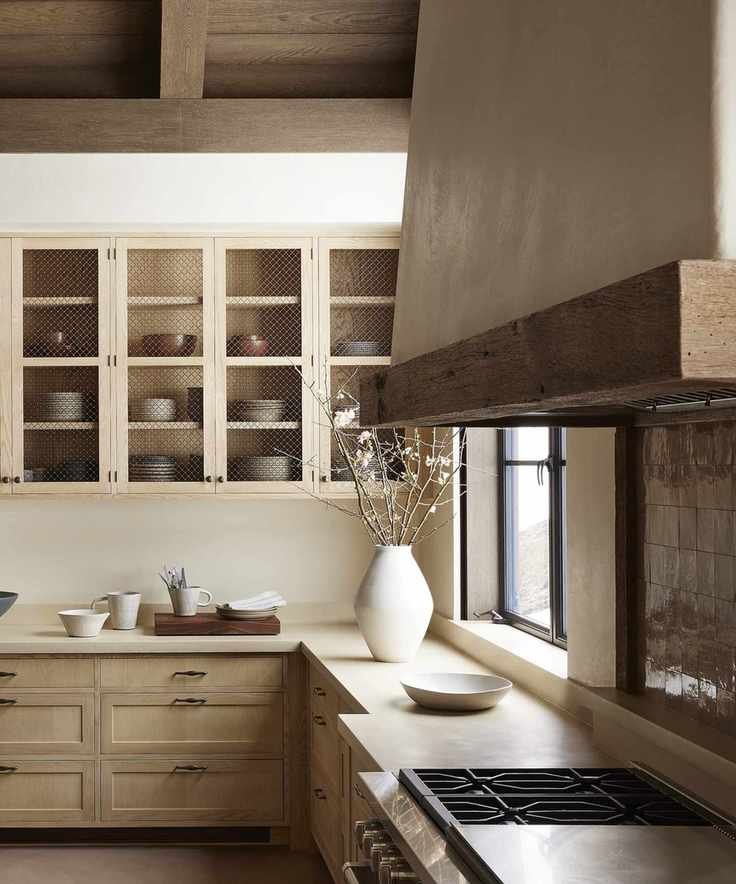
Open shelving can enhance a sense of space, but if not curated, it may lead to visual clutter.
'A touch of open shelving can be effective, breaking up cabinetry and creating an airy feel. However, excessive open storage can overwhelm the eye and make the kitchen feel chaotic,' states Caroline Winkler, a professional organizer.
If your kitchen relies heavily on open shelves, balance it with closed storage to ease the pressure of maintaining a perfect display. Focus on storing only items that are frequently used or that enhance your kitchen's aesthetic appeal.
Employing the Japanese organizing technique known as 'Ma' encourages intentional use of space by incorporating negative space around objects, creating an uncluttered and visually pleasing arrangement.
2. Simplify Your Decor
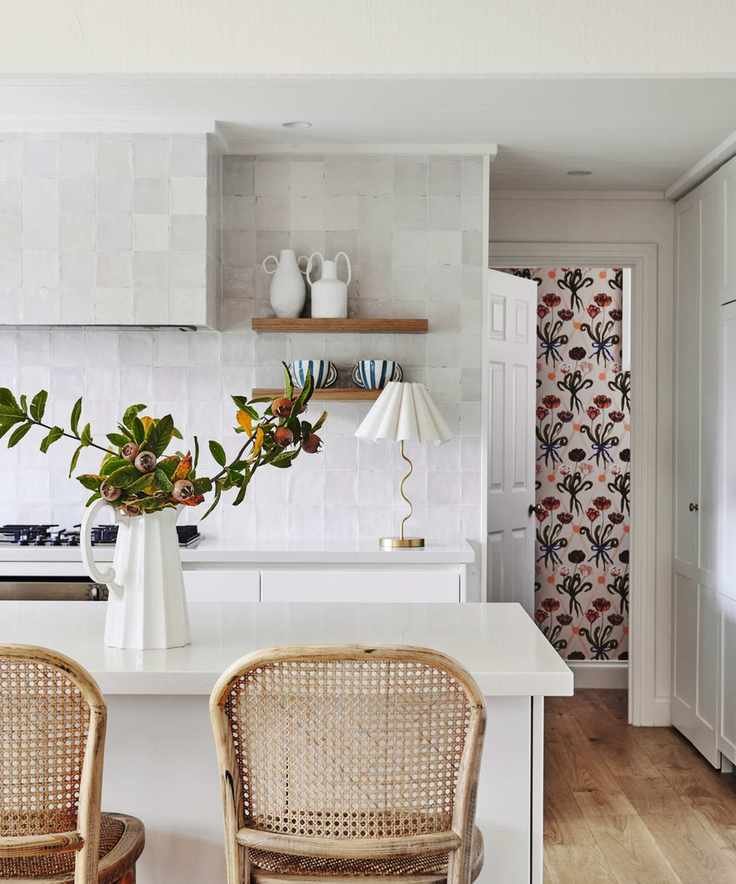
While minimalism isn't mandatory, a streamlined decor can enhance your kitchen's look, minimizing overcrowding and simplifying cleaning tasks.
Choose minimalist cabinetry, countertops, and fixtures with clean lines. Incorporate a few standout pieces that align with your kitchen's color scheme and style without overwhelming the space.
If your style leans toward maximalism, balance it by selecting light, neutral tones for your kitchen's paint, cabinets, and countertops. This will generate an airy feel and diminish clutter's visual weight.
3. Select and Store Appliances Thoughtfully

Kitchen appliances can sometimes detract from your kitchen's appeal. While convenient on countertops, they can add to a cluttered appearance.
Be strategic in choosing appliances and explore creative storage solutions to maintain aesthetic appeal. Here's how:
- 'Choose multi-functional appliances to minimize countertop clutter,' advises Karina Toner, a cleaning expert. For instance, a blender that also functions as a food processor saves space.
- Dianna Scarpa, Head Designer at a home staging company, suggests: 'Blend appliances seamlessly into your kitchen's design for a cohesive look.'
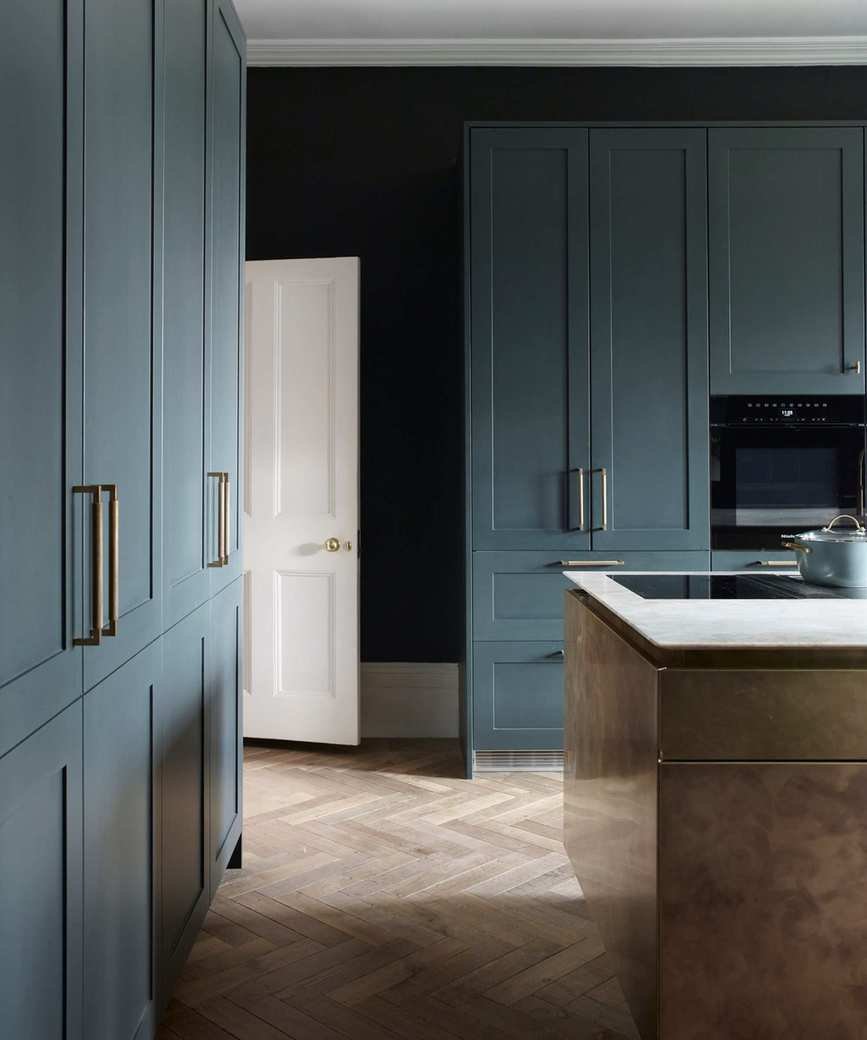
- Hiding appliances behind cabinet doors can reduce visual clutter, allowing other design elements to shine. Built-in refrigerators and ovens can create a unified flow.
- 'Keep countertops clear by stowing away appliances not used daily in cabinets or closets,' advises Toner. An appliance garage can effectively conceal items like an air fryer.
- Consider using an appliance slider, like this Beauvallon sliding tray from Amazon for easy access to frequently used items, keeping them handy yet out of sight.
4. Implement Organizational Systems for Closed Storage
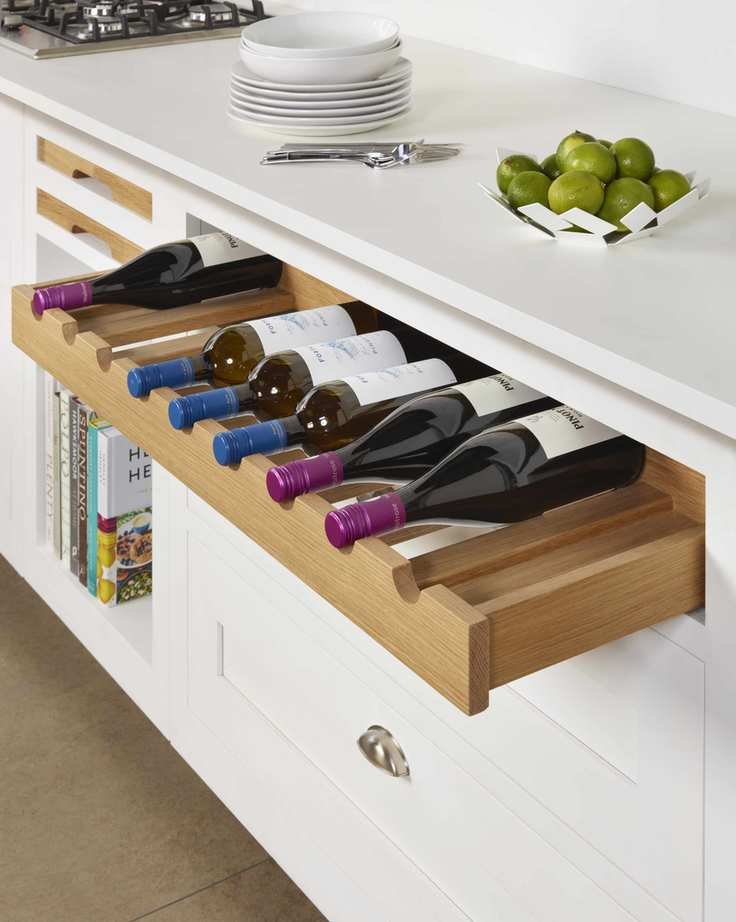
When items are visible and easily accessible, it discourages clutter. Consider adding pull-out shelves or lazy susans in cabinets to maximize storage and accessibility.
'Use storage baskets, drawer dividers, over-the-door organizers, stackable shelves, and magnetic spice racks to maintain order, preventing countertops from becoming catch-all zones,' suggests Ana Coddington, an interior designer.
'Though these solutions may require an initial investment, they can significantly lessen visual clutter and enhance your kitchen's functionality.'
2-Tier Stainless Steel Lazy Susan
This Lazy Susan is ideal for busy kitchens. Its rustproof stainless steel design is suitable for humid areas.
Royal Craft Wood Expandable Drawer Organizer
$33.97
The Home Edit Storage Bins (2pcs)
$33.96
Clear plastic bins simplify categorizing items, whether displayed or stored in a pantry, aiding in reducing mess.
5. Opt for Uniform Kitchen Items

'For open shelves, maintain a simple and consistent color palette,' advises Ashish Agarwal, founder of a lifestyle site. 'Switch to uniform storage containers for pantry items, which can significantly cut down on visual clutter, resulting in a polished and organized look. Clear containers also allow for easy content identification.'
Additionally, consider coordinating your dishware. Matching plates, bowls, and mugs can create a cohesive appearance, making it easier to store items openly without creating a cluttered effect.
The Home Edit 2 Piece Bamboo Organizers
$17.96
Mason Stoneware Canisters
Was $19.50 - $79.50, now $15.50 - $63.50
VTOPMART Glass Canister Set
$18.99
6. Regularly Declutter and Organize
'Declutter as often as necessary,' advises Coddington. 'Kitchens can easily become dumping grounds for mail, keys, and other items that don't belong in the space. These can accumulate quickly, adding to visual clutter.
'To avoid this, designate a day each week for decluttering, removing unnecessary items that have built up. This practice will help keep your kitchen tidy and organized.
Consider these additional tips for organizing your kitchen:
- Adopt the one in, one out rule: For every new item you bring into your kitchen, remove an old or unused one,' suggests Coddington. This prevents overcrowding while encouraging regular evaluation of kitchen items.
- Only allow kitchen-appropriate items: Small appliances, dishware, and cooking supplies should be the only items in this space. Everything else needs its designated spot elsewhere in your home, advises Macie Kreutzer, a professional organizer.
- Keep only daily-use items on the countertops: This may include the coffeemaker or toaster oven. Other items should be stored in closed cabinets or drawers.
Consider establishing a nightly 'kitchen reset' routine where you return everything to its proper place, wipe down surfaces, and prepare the kitchen for the next day.



