
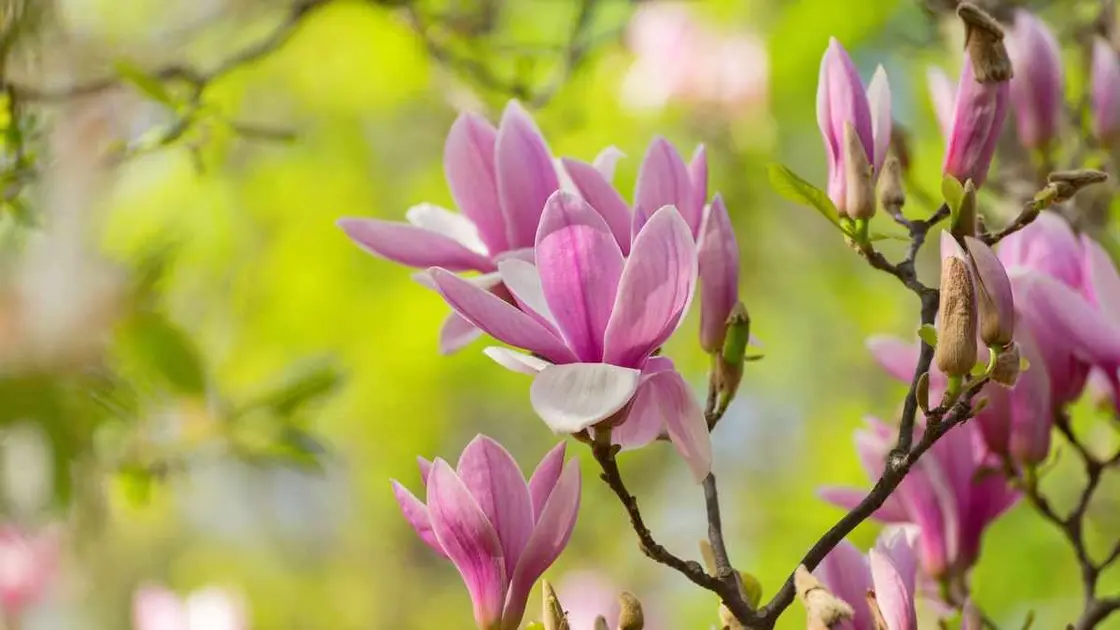
No matter if your home's design is traditional or modern, trees can provide essential structure, framing your yard beautifully and enhancing your planting layout for an appealing look.
Choosing the right tree can introduce an element of luxury, whether through vibrant blooms, striking berries, or richly colored autumn foliage. A well-placed tree can also serve as a stunning focal point, especially when illuminated at night, creating a warm and inviting ambiance.
Opting for low-maintenance varieties that remain attractive year-round is key. Therefore, we consulted designers and tree specialists to compile a list of 8 exceptional low-maintenance trees that can effortlessly infuse elegance into your garden.
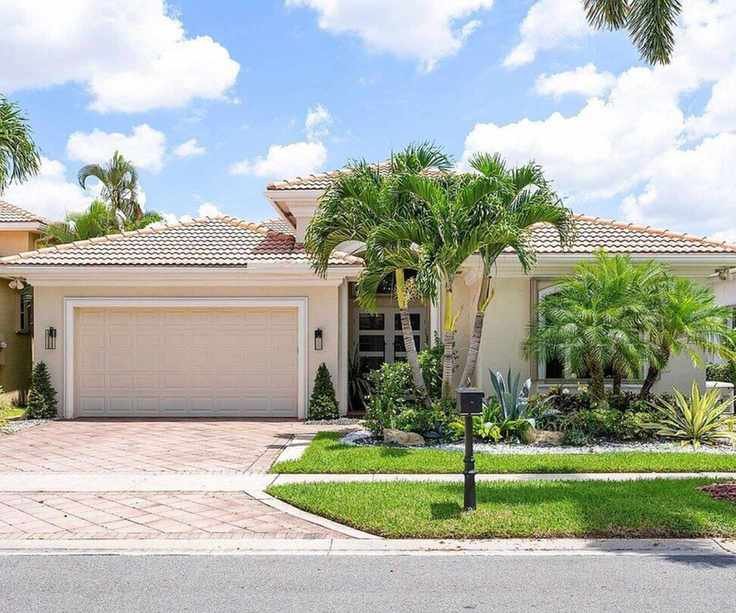
Christmas palm, Paradise palm, and Areca palm create a stunning focal point in this small Boca Raton front yard.
8 Effortless Trees to Enhance Your Yard
If you're seeking tree planting inspiration for your low-maintenance front yard, backyard, or side yard, you'll want to select trees that are visually appealing.
This list covers a variety of options, from flowering trees and evergreens to those that showcase vibrant fall foliage or a tropical flair, especially for warmer climates.
1. Flowering Dogwood

Flowering dogwoods serve as exquisite feature trees.
Hardiness: USDA zones 4-9
Height: 15-25ft
Flowering dogwood trees are favored for their stunning spring blooms (either white or pink) and striking red foliage in the fall. They thrive in full sun or partial shade, are easy to grow, and require minimal upkeep, all of which you can learn about in our dogwood care guide.
These trees boast a naturally appealing shape and require little pruning, making them one of the top low-maintenance choices. Their elegant structure adds curb appeal and beauty to your landscape.
Flowering dogwood (Cornus Florida) is native from Maine to Florida and adapts well in these regions while benefiting the local ecosystem. Cornus Kousa dogwood, originally from East Asia, has adapted well in some U.S. areas, is non-invasive, and harmonizes with surrounding biodiversity.
Consider the 'Cherokee Brave', available from Nature Hills, which blooms earlier than many dogwoods, bringing life to your garden after winter.
'This variety is sure to become a prized piece in your garden,' say experts from Nature Hills. 'Position it on a raised mound to make it the highlight of your front yard or shade your entryway. Aligning them along your driveway will certainly impress your neighbors.'
2. Bismarck Palm
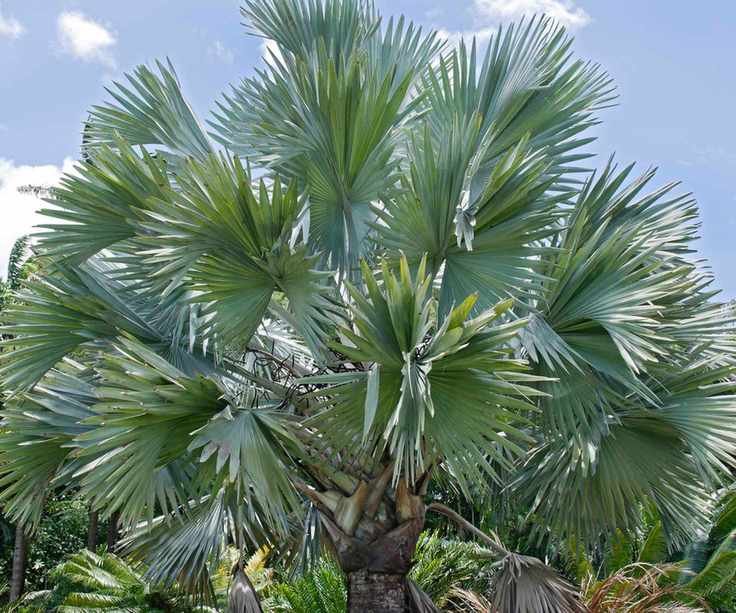
The lush leaves of the Bismarck palm evoke a tropical ambiance.
Hardiness: USDA zones 9-11
Height: 30-60ft
If space allows, the Bismarck palm can impart an elegant tropical resort feel to your property. Whether you plant a solitary palm for a striking presence or flank a wide path with one on each side, it adds a statement to your front yard landscaping.
'The visually captivating steel-blue to gray-green fronds of the Bismarck palm are beautifully symmetrical, complementing any tropical, Mediterranean, or modern home,' states gardening expert Fern Berg, founder of Tree Vitalize.
'With minimal soil requirements and excellent heat tolerance, the Bismarck palm is a superb low-maintenance choice,' she continues. 'Once established, it's even drought-resistant. For optimal appearance, simply prune any dead or damaged fronds and apply a palm fertilizer in the spring.'
Keep in mind that the Bismarck palm thrives only in USDA zones 9-11 and is not suitable for small yards.
'The impressive texture and color along with its eventual height make this species a striking addition in any landscape, but it can dominate smaller residential areas,' advises Timothy K Broschat, professor emeritus of environmental horticulture at Fort Lauderdale Research and Education Center in Davie, Florida.

Fern Berg is the founder of Tree Vitalize, where she manages over 100 native and exotic fruit, nut, and ornamental trees. Her expertise includes maintaining a diverse vegetable garden, flower gardens, and caring for a variety of indoor plants, with a focus on biodynamic farming and sustainable practices.
3. Italian Cypress

Italian cypress trees add elegant verticality to landscaping.
Hardiness: USDA zones 7-11
Height: up to 60ft
This charming evergreen tree is a top choice for those wishing to enhance their yard's elegance while keeping maintenance low. The Italian cypress stands out for its narrow shape, providing vertical interest to your landscaping.
'These quick-growing trees maintain their slender profile, creating sophisticated green columns along your home and driveway,' explains Fern Berg.
'They only spread to about 5 feet in width, making them perfect for tight spaces and requiring pruning only if you wish to manage their height.' In cooler climates, growth may be limited, but regular trimming can help maintain your desired size.
Landscape designers frequently incorporate Italian cypress to add height and drama to gardens, either as a standout feature or as a backdrop for vibrant shrubs. This tree fits well with Mediterranean, French country, Moroccan, contemporary, and traditional-style homes.
Additionally, this remarkable tree is deer-resistant, drought-tolerant, and adaptable to a variety of soil conditions.
4. Magnolia
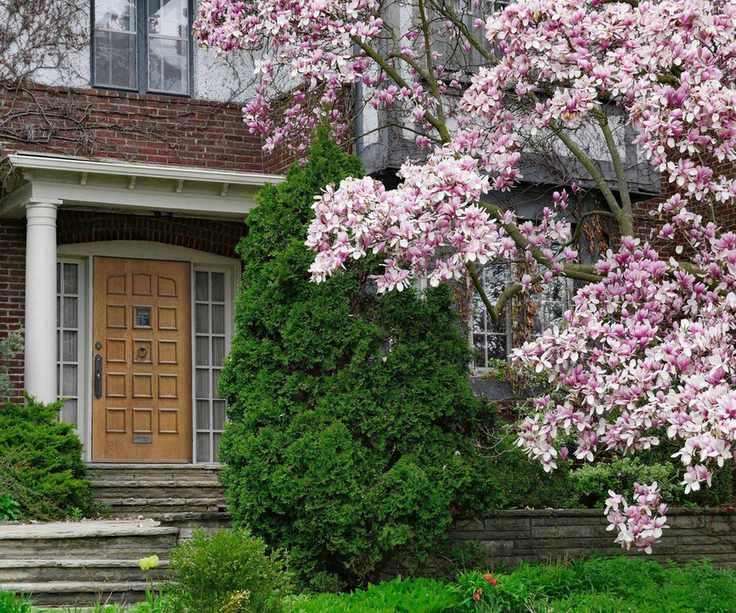
Magnolia trees make a grand statement with their stunning blooms.
Hardiness: USDA zones 2-7
Height: 15-60ft
These magnificent ornamental trees are renowned for their large, fragrant white or pink flowers that exude luxury. They thrive in full sun or partial shade and prefer sheltered spots.
To learn more about growing and caring for a magnolia tree, remember that only light pruning is necessary to remove dead or unsightly branches.
Choosing the right magnolia variety can be a challenge. If you live in colder regions, consider the semi-evergreen star magnolia, hardy in USDA zones 4-8, adaptable, and a slow-growing, broad-spreading small tree.
For warmer climates (USDA zones 7-9), the Southern magnolia offers glossy evergreen leaves, large beautiful flowers, and a graceful form, making it a versatile choice for various soils and exposures.
5. Japanese Maple (Acer palmatum)

Introducing a Japanese maple can elevate your yard's appeal.
Hardiness: USDA zones 5-8, with some hardier varieties available
Height: 5-25ft
'Selecting the right tree can significantly enhance your outdoor areas,' suggests Jing Ju, founder and design director of JUJU Studio in New York.
'I highly recommend the Japanese maple for adding a touch of luxury. It can be a stunning centerpiece in your front yard or an eye-catching container plant on your porch or patio. Its elegance and impressive visual impact are unmatched in landscape design.'
The vibrant foliage of Japanese maple trees (commonly called acers) offers stunning color, making them a top choice for fall displays. These trees are generally easy to care for, and pruning is often unnecessary as they naturally maintain a beautiful shape.
'Their compact size makes them perfect for small yards,' adds Jing. 'They require minimal care while offering exceptional visual appeal, making them ideal for those seeking an upscale look without the hassle.'

Jing Ju is the founder of JUJU Studio, a spatial design practice based in New York that creates both temporary and permanent spaces aimed at delivering immersive experiences. She also serves as the senior designer for Global Creative Visual Merchandising at Tiffany & Co., demonstrating her ability to blend sculpture and architecture into functional yet stunning designs.
6. Crape Myrtle

The crape myrtle adds vibrant beauty to any landscape.
Hardiness: USDA zones 7-9
Height: 3-30ft
These stunning flowering trees are especially popular in southern states as front yard specimens. They also attract wildlife, with butterflies, bees, and hummingbirds drawn to their blooms.
The crape myrtle is easy to grow and requires little attention. Even if you are outside zone 7, you can still cultivate crape myrtles in containers and bring them indoors during colder months.
'A lengthy period of showy summer blooms, appealing fall leaves, and drought resistance make crape myrtles a favorite choice for both formal and casual landscapes,' according to the Florida Cooperative Extension Service, part of the University of Florida's Institute of Food and Agricultural Sciences. 'They are highly recommended for urban and suburban settings.'
These trees produce crinkled blooms in white, pink, lavender, red, or purple shades from early summer into fall, depending on the variety and climate. Some even emit a delightful fragrance reminiscent of myrtle, enhancing your yard's sensory appeal.
7. Ivory Silk Lilac Tree
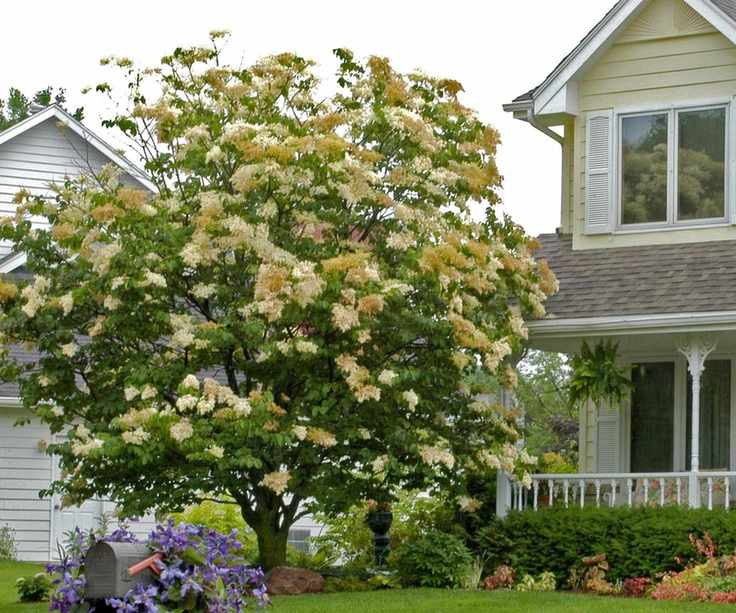
The compact Ivory Silk lilac tree is a striking ornamental choice.
Hardiness: USDA zones 3-7
Height: 20-25ft
The ivory silk lilac, a cultivar of Syringa reticulata, also known as the Japanese lilac tree, is a fantastic option if you're looking for an ornamental tree that adds charm without demanding much care. Keeping the lower branches trimmed will help maintain its attractive shape.
This remarkable low-maintenance tree is recognized for its spectacular, elegant blooms.
'This tree's most notable feature is its fragrant, creamy white flowers that bloom in upright clusters up to 12 inches long in late spring to early summer,' the experts at Missouri Botanical Garden explain. 'In autumn, the reddish-brown bark on younger branches becomes increasingly attractive as it ages to gray.'
This tree is also appealing to pollinators, especially if you're interested in attracting hummingbirds to your garden, as they adore its fragrant flowers. Additionally, it blooms later than other lilac types, extending the lilac season in your landscape. You can find the ivory silk lilac tree at Nature Hills.
8. Amelanchier
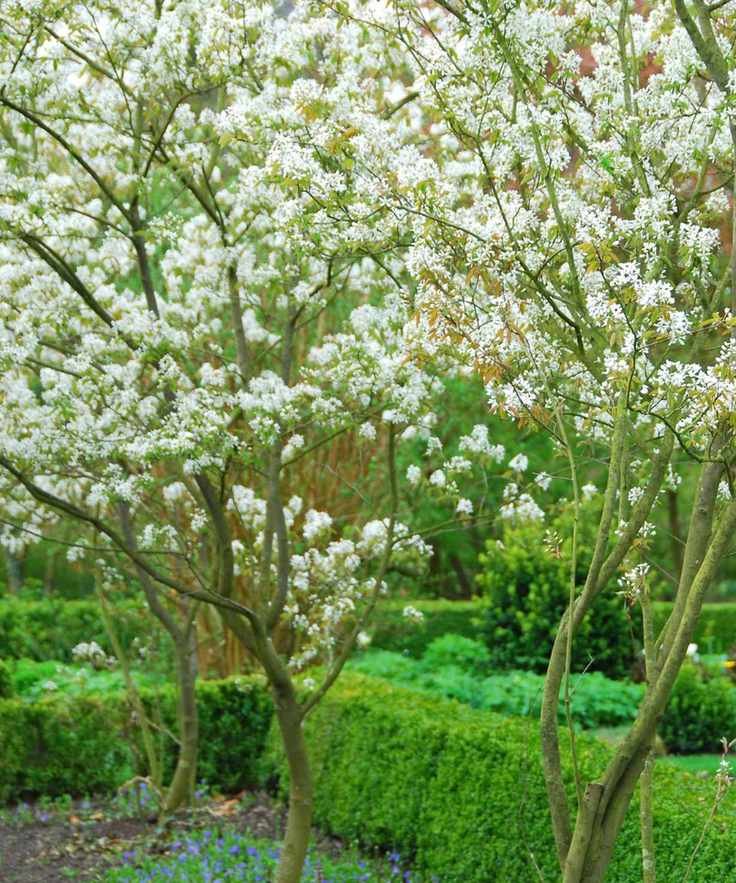
Amelanchier, also known as shadbush, is a stunning addition to any landscape.
Hardiness: USDA zones 2-7
Height: 15-35ft, with dwarf varieties available
Amelanchier trees are favored by landscape designers for their multi-stemmed trunks, which look spectacular illuminated at night. These trees are also excellent for smaller urban gardens. If space is tight, consider the dwarf variety of Amelanchier spicata, which reaches 3-5ft tall and can be stylishly placed in a large container on your porch, making them one of the best decorative plants for your entrance.
Beyond adding seasonal charm with spring blossoms, a lush summer canopy, and vibrant red-purple fall foliage, amelanchier trees are also great for wildlife. Most species are native to North America.
This low-maintenance tree is incredibly easy to care for, requiring little watering aside from the initial planting or during extended dry spells. Fertilizing once a year is sufficient, and they naturally shape beautifully without excessive pruning.
It's undeniable that well-kept topiary adds a touch of luxury to any garden. Picture the manicured gardens of grand Tuscan estates or English manor homes adorned with elegant evergreens. For those keen on embracing the latest topiary trends, you could even experiment with shaping your own trees.
However, keep in mind that maintaining clipped evergreens requires commitment, as regular pruning will be necessary to keep them looking pristine. If you're willing to invest the time, these top choices for low-maintenance trees will undoubtedly enhance your landscape.



