
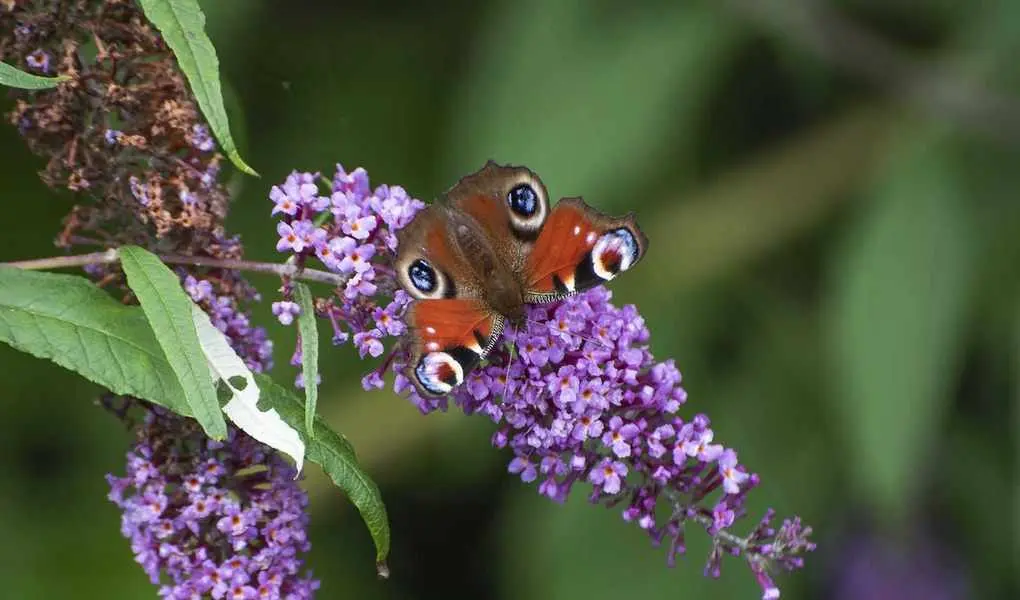
Seeing butterflies flutter in your garden is a delightful experience. If you've noticed a lack of these enchanting visitors as spring blossoms, don't worry.
These stunning insects need minimal persuasion to grace your garden, and there's one standout plant that will do the trick: the butterfly bush, known scientifically as buddleia.
This evergreen shrub isn't just a favorite among butterflies; it also draws in bees, orioles, and hummingbirds. With its vibrant blooms, now is the ideal moment to plant one of these beauties. You can find a bicolor butterfly bush from Nature Hills or a striking purple butterfly bush from Fast Growing Trees.
Benefits of Adding Buddleia to Your Garden
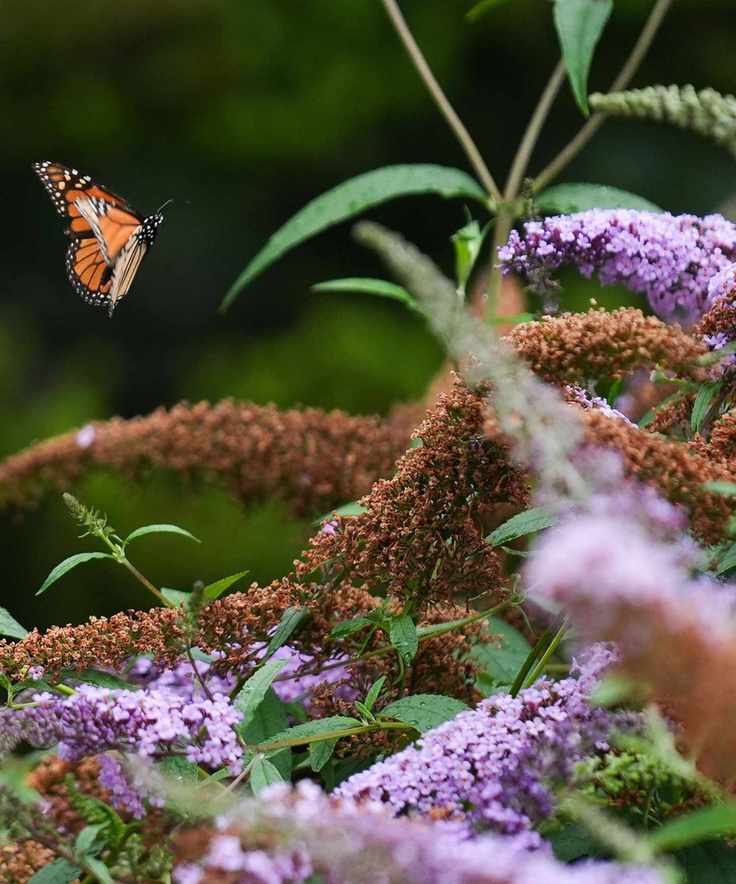
Blooming from late summer to fall, the butterfly bush is among the fastest-growing shrubs to plant now, especially for those looking to support pollinators.
It's no wonder buddleia is dubbed the 'butterfly bush': its nectar-rich, cone-shaped flowers provide a perfect feeding spot for butterflies.
Colorful and aromatic, this shrub attracts butterflies effortlessly. It's also a great option for a wildlife garden, luring various pollinators and beneficial insects, which can attract birds as well.
Keep in mind, buddleia can be classified as an invasive plant in areas like the Pacific Northwest, Pennsylvania, and North Carolina. It can overwhelm sunny spots and outcompete native plants.
Before planting, check the US Invasive Plant Atlas or consult your local extension office to see if there are restrictions on this plant.
Regularly deadheading and pruning will help manage growth and control seed spread.
Conversely, many gardeners appreciate buddleia's vigorous growth, making it ideal for the back of flower beds or spots needing extra privacy.
When maintaining your shrub, consider when and how to prune buddleia. Larger varieties typically need annual pruning, while smaller ones should be trimmed to keep their shape.
Pruning encourages robust growth and more blooms, crucial for attracting pollinators.
Spring is the perfect season to tackle this task; you can use pruning loppers (like these available at The Home Depot) or shears (found on Amazon) for the job.
Consider getting long, scratch-resistant gardening gloves, such as this pair from Walmart.
Alternative Plants for Butterfly Gardens
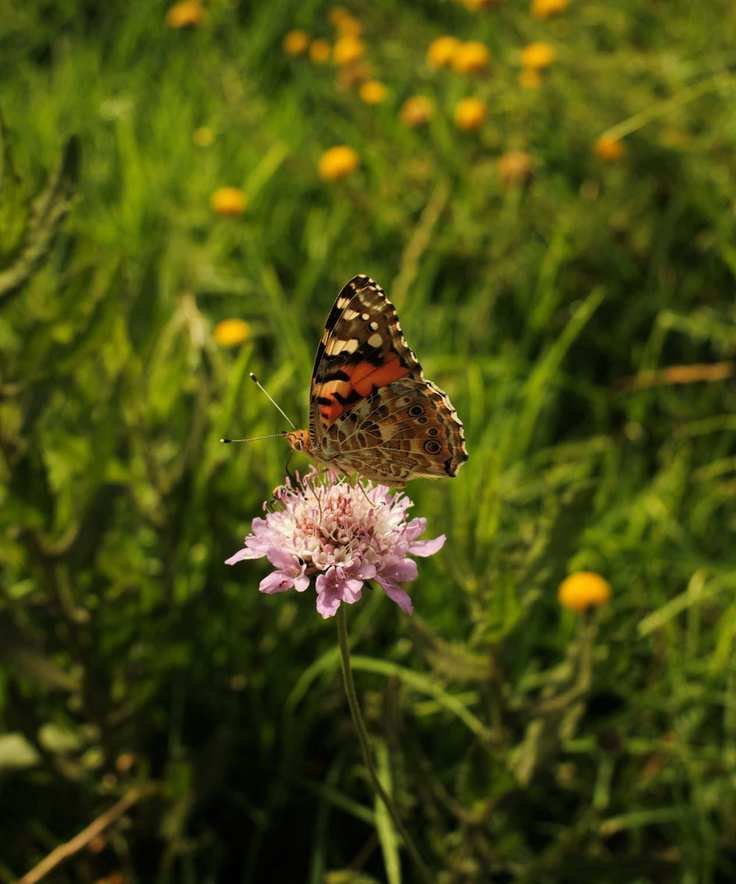
If you're unsure about planting a fast-growing shrub like buddleia, there are many other butterfly-friendly options available.
The most effective butterfly gardens include a mix of plants, ensuring butterflies and pollinators have a consistent nectar and pollen supply year-round.
Options like lavender and milkweed are fantastic for summer, while zinnias and asters bloom well into fall.
Explore lavender plants from Fast Growing Trees or vibrant zinnia plants from Burpee. To create the perfect butterfly habitat, consider a wooden 'pollinating palace' (available at Walmart).
Importantly, butterflies need fresh water too, so a butterfly feeder from Amazon or a decorative watering station (also from Amazon) can help keep pollinators hydrated, including bees and hummingbirds.
If you're managing a city garden, creating a butterfly-friendly balcony or border will be quick and rewarding.



