
Clutter not only creates visual chaos but also negatively influences both physical and mental health. It can lead to increased stress, anxiety, sleep disturbances, and hindered concentration, often more than one might expect.
Fortunately, implementing a few straightforward strategies can quickly enhance your mood and overall well-being.
Experts in psychology and wellness share insights on how clutter could be affecting your health and recommend effective ways to declutter.
Understanding Clutter's Effects on Mental and Physical Health
There are various psychological factors that contribute to clutter accumulation; as clutter builds, it often creates a cycle that exacerbates disorganization and impacts health.
Research, including a 2010 study, indicates that those who view their homes as cluttered have higher cortisol levels throughout the day, particularly among women.
This is just one of the many factors that may heighten stress. From decision fatigue to added mental burdens, these effects shouldn't be overlooked.
Elika Dadsetan-Foley, a mental health practitioner and educator, notes that clutter symptoms can manifest in various ways, either physically or mentally.
Elika states, 'Clutter can create a sense of visual and cognitive overload. Many clients express feeling perpetually anxious or unable to unwind at home—not due to immediate crises but because their systems are always on alert.
'A disorganized environment continually signals incomplete tasks, which can heighten anxiety, diminish concentration, and disturb sleep patterns. For those dealing with depression or burnout, clutter can intensify feelings of being overwhelmed or stuck.
'For individuals with chronic health issues, neurodivergence, or fatigue, clutter can lead to increased physical demands,' she adds. 'Navigating through cluttered spaces requires more energy and can worsen sensory overload, pain, or fatigue. Over time, this can accumulate and complicate health issues.'
Adopting adaptive cleaning techniques while managing health challenges and minimizing triggers during decluttering can assist in making progress gradually.
Quick and Simple Solutions
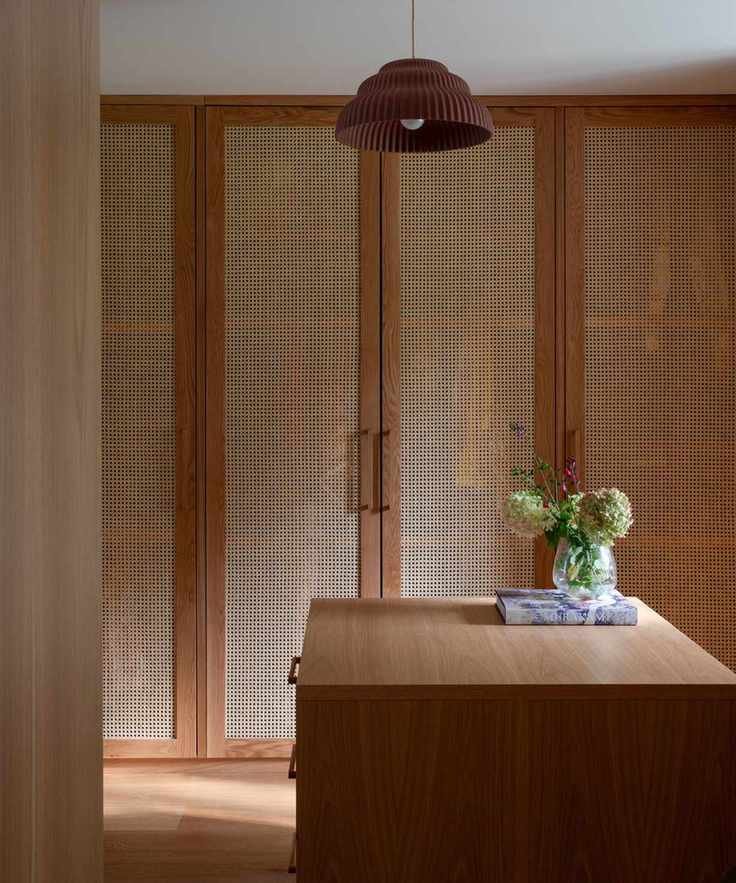
Starting with small tasks can lead to significant changes.
While the vision of a tidy space is appealing, the adverse effects of mess can feel daunting. To begin decluttering when feeling overwhelmed, focus on small steps.
Elika suggests the following strategies for organizing your space effectively:
- Minimize visual distractions: Aim for progress, not perfection. Focus on clearing one visible area—like a bedside table or counter—rather than an entire room. These manageable tasks can help reduce stress and improve sleep and focus.
- Establish low-demand areas: Create a clutter-free zone in your home where you can unwind without tasks looming over you. This is particularly beneficial for those managing chronic health conditions.
- Align organization with capability: Many clients struggle with organization systems that don't suit their energy or mental load. Using open bins and visible storage with fewer steps is often more effective, especially during stressful times.
The ultimate aim in combating clutter creep and regaining control is to maintain motivation. Smaller tasks can create important momentum, according to organizer Ashley Win, founder of Outstanding Organizers.
'When a home feels overwhelming, people often shut down, leading to a backlog of chores. The best way to break this cycle is to set achievable goals. Rather than aiming to be fully organized, I advise clients to focus on resetting one surface or category at a time. Each small accomplishment builds motivation.'
After achieving some minor successes, you might feel inspired to try approaches like the Domino decluttering method, Sunday Butterfly method, or the Desire Path method.
Our Decluttering Library offers a variety of tested methods for streamlining tasks, sorted by time, energy, and specific challenges.
Recommended Products
 Nine million copies sold
The Life-Changing Magic of Tidying Up
This popular book by professional organizer Marie Kondo is filled with insights on decluttering and finding joy in what you keep, all in an accessible format under 200 pages.
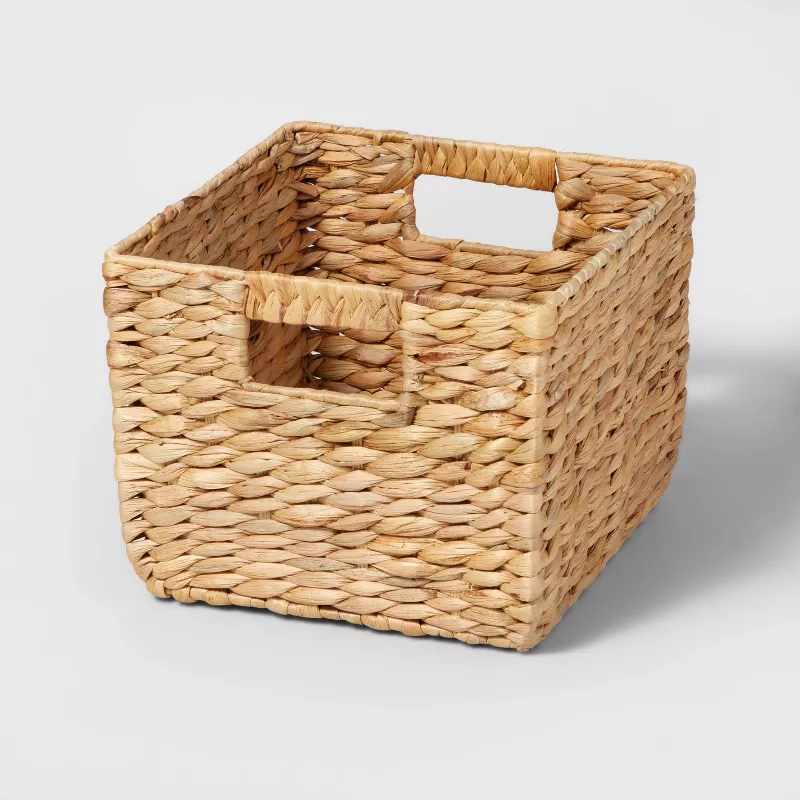 Two sizes
Small Woven Water Hyacinth Milk Crate
These handwoven baskets, measuring 8x10x11 inches, are perfect for drop zones, shelves, and cabinets, making tidying up a breeze.
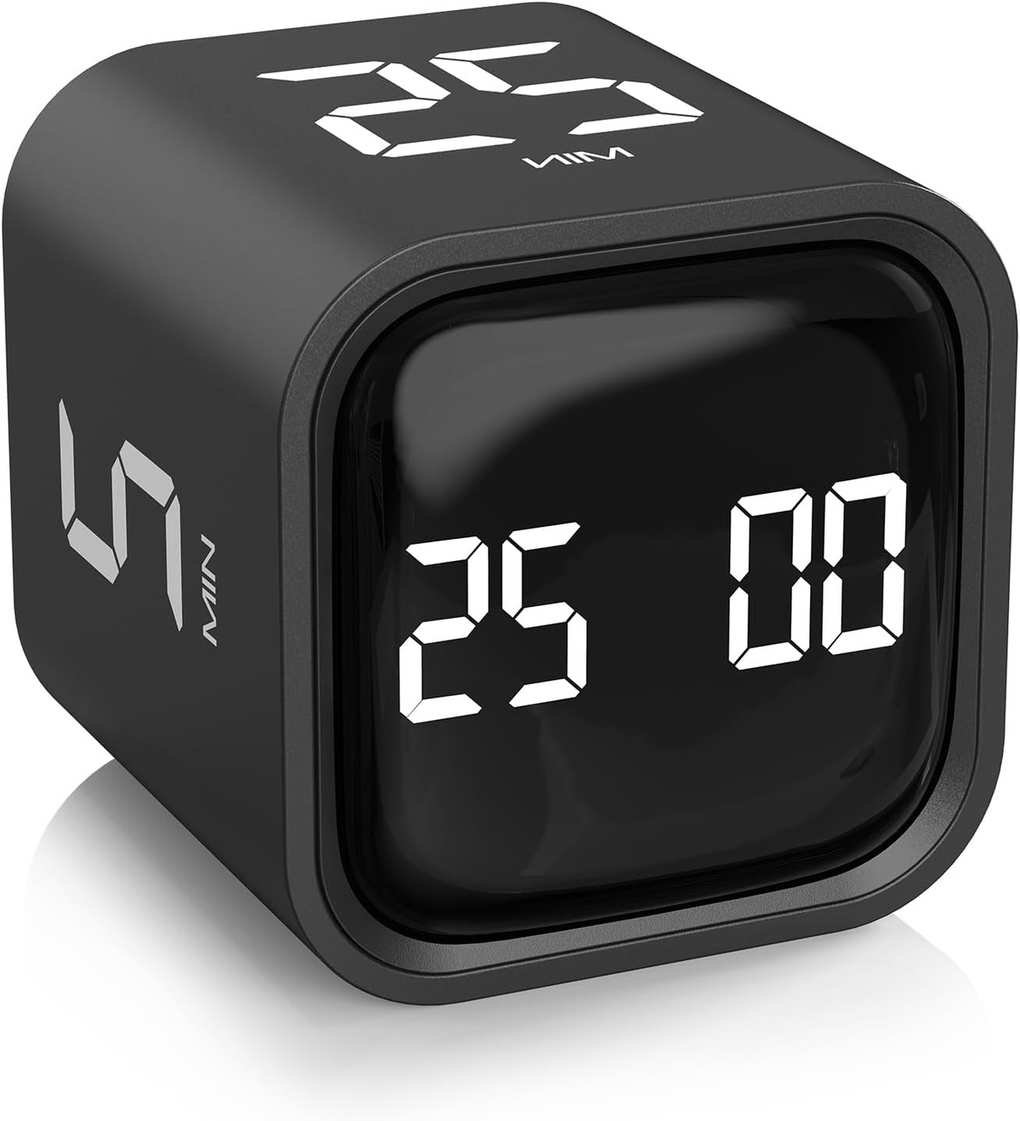 Break tasks up
The Rotating Pomodoro Timer
This timer utilizes the Pomodoro Technique, a time-management method that divides work into focused 25-minute intervals, followed by five-minute breaks to help manage overwhelming tasks.
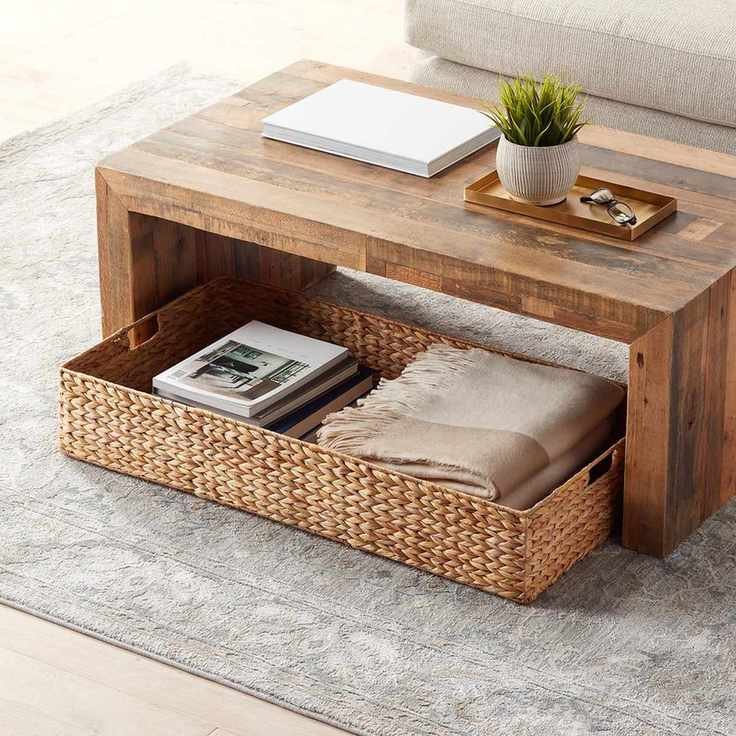 For easy storage
Water Hyacinth Coffee Table/Under Bed Bin
This stylish, low-profile bin is perfect for storage underneath beds, tables, and sofas, keeping essentials handy while avoiding clutter.
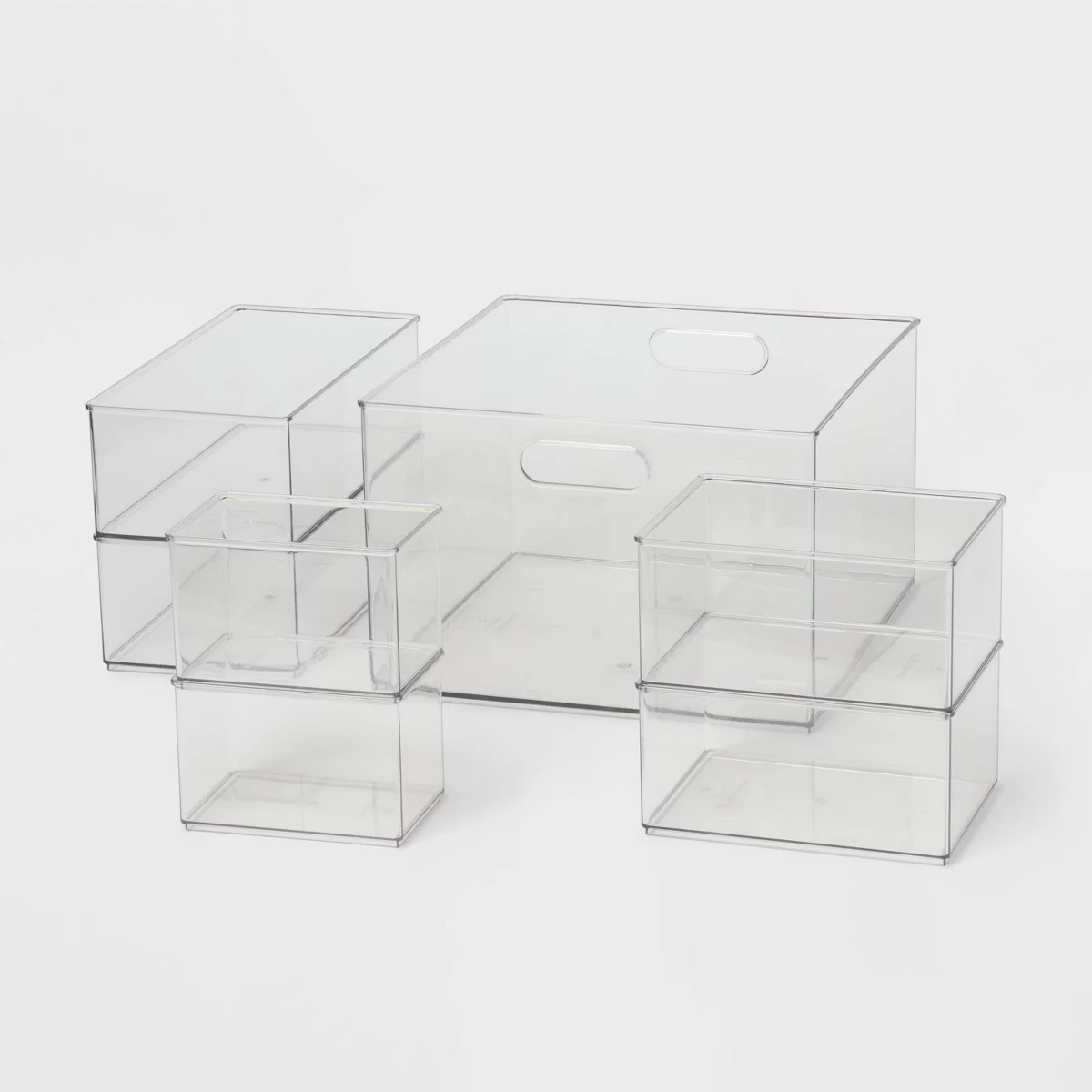 Keep things accessible
All Purpose Clear Combination Storage Set
This set features four container sizes that fit into a larger bin with handles. Its transparency allows for easy visibility and organization.
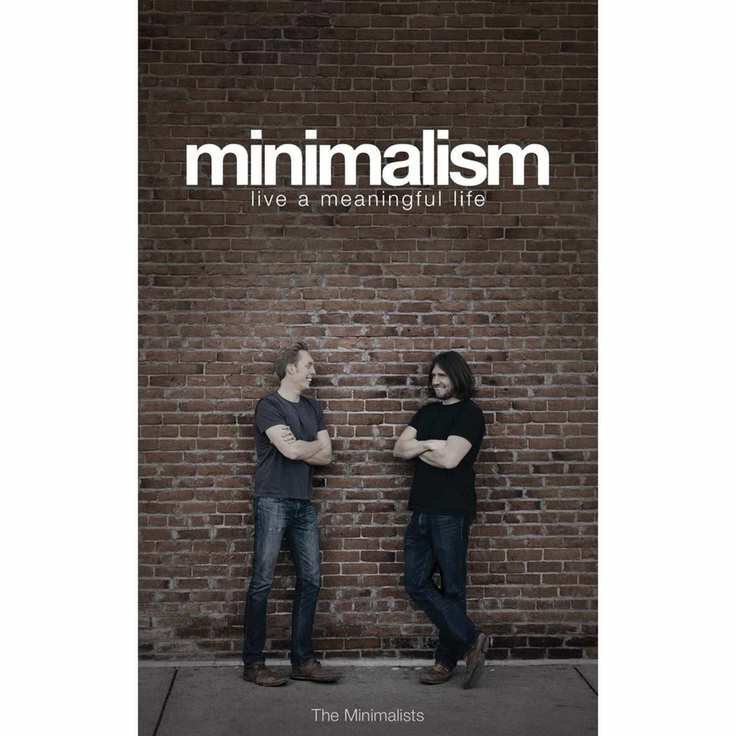 Editor's pick
Minimalism: Live a Meaningful Life
This book by Joshua Fields Millburn and Ryan Nicodemus shares their journey to happiness through minimalism, rejecting conventional ideas of success.
Expert Insights

Elika Dadsetan-Foley is a seasoned social worker and mental health expert with over 15 years of experience in trauma and well-being, supporting individuals and communities through various life challenges.

Ashley is the founder of Outstanding Organizers, helping families simplify their lives by creating effective organizing systems and leading workshops on decluttering and time management.
After decluttering, remember to take a moment to relax with the STOP method to avoid feeling overwhelmed.