
The space beneath your kitchen sink often turns into a cluttered mess filled with cleaning supplies. With pipes and waste lines taking up room, it's crucial to manage this area wisely.
Disorganization can hinder functionality. If you've ever opened that cabinet only to be bombarded by bottles and sponges, it's time for a refresh, say experienced organizers.
Streamlining and organizing cleaning supplies is essential for creating a cleaning command center that simplifies your chores rather than complicates them.
Reasons to Declutter Under the Kitchen Sink
To organize the area effectively, begin with decluttering to clear out excess supplies and tools that occupy unnecessary space.
Clutter, including duplicates and items you no longer use, not only consumes storage but also complicates keeping your cleaning supplies clean.
A clearer space allows for easier detection of leaks or mold, especially since the area is dark and prone to moisture from spills or leaks.
1. Choose All-Purpose Cleaners

While some surfaces require specific cleaners, a multi-purpose antibacterial spray is often sufficient for most tasks.
Julie Peak, a professional organizer, emphasizes, 'Using multi-purpose cleaners can eliminate the need for numerous products. Opt for versatile cleaners that work on countertops, floors, and appliances.'
'White vinegar is a fantastic choice as cleaning with vinegar serves as a natural disinfectant and easily cuts through grime. Discard any single-use items that aren't essential.'
Instead of keeping multiple sprays, consider using Method's Antibacterial All Purpose Spray trio from Amazon.
Always check if the product contains citric acid, which is effective for cleaning but can damage natural stones and porous materials, so avoid using it on those surfaces.
2. Eliminate Duplicate Products

Cleaning supplies are among the items to avoid duplicates of. They not only take up precious space but also complicate your cleaning routine.
Julie Peak advises, 'Be mindful of quantity. Keep only what you need for current use and avoid excess stock. This keeps the area organized and accessible.'
For duplicate items, consider combining half-used bottles into one. Unused products can be donated to friends or family. For items you can't let go of, set an underconsumption challenge to use them up before purchasing new ones.
3. Sort Items by Category

A useful decluttering rule is to group similar items together to simplify the sorting process.
Carol Appelbaum, founder of Luxury Pro Organizer, advises, 'Start by emptying the area to see what you have. Group items like multi-purpose sprays, dishwashing supplies, and specialty cleaners separately.'
As you sort, check expiration dates and discard anything that's outdated. If you haven't needed that old bottle of polish in years, it's time to say goodbye! Be honest about what you regularly use and eliminate the rest.
Punteha van Terheyden, head of organization, suggests, 'I use plastic baskets that fit three to a shelf under my sink for grouping supplies, labeling them for easy access.'
This method keeps things organized and helps prevent buying duplicates while keeping track of low supplies.
4. Get Rid of 'Just in Case' Items

We often hold onto items 'just in case' we might need them later, which is a common reason clutter accumulates.
Julie Peak suggests avoiding items with uncertain futures. 'If you haven't used it in the past six months or it lacks a clear purpose, let it go.'
Often, these items can benefit someone else.
Adopt this simple rule: if you didn't realize you had it, it's time to get rid of it.
5. Be Strict with Your Cleaning Tools

It's not just the cleaning supplies that clutter your space. Our essential cleaning tools can also be culprits, especially if you tend to buy specialized products that serve limited functions.
Carol Appelbaum emphasizes the need to be ruthless with your tools.
'Take a moment to assess your cleaning tools. Discard grimy sponges, worn rags, and aged brushes. Only keep tools you use frequently. Retain one or two microfiber cloths instead of frayed dish rags, freeing up valuable space under the sink.'
6. Dispose of Expired Products
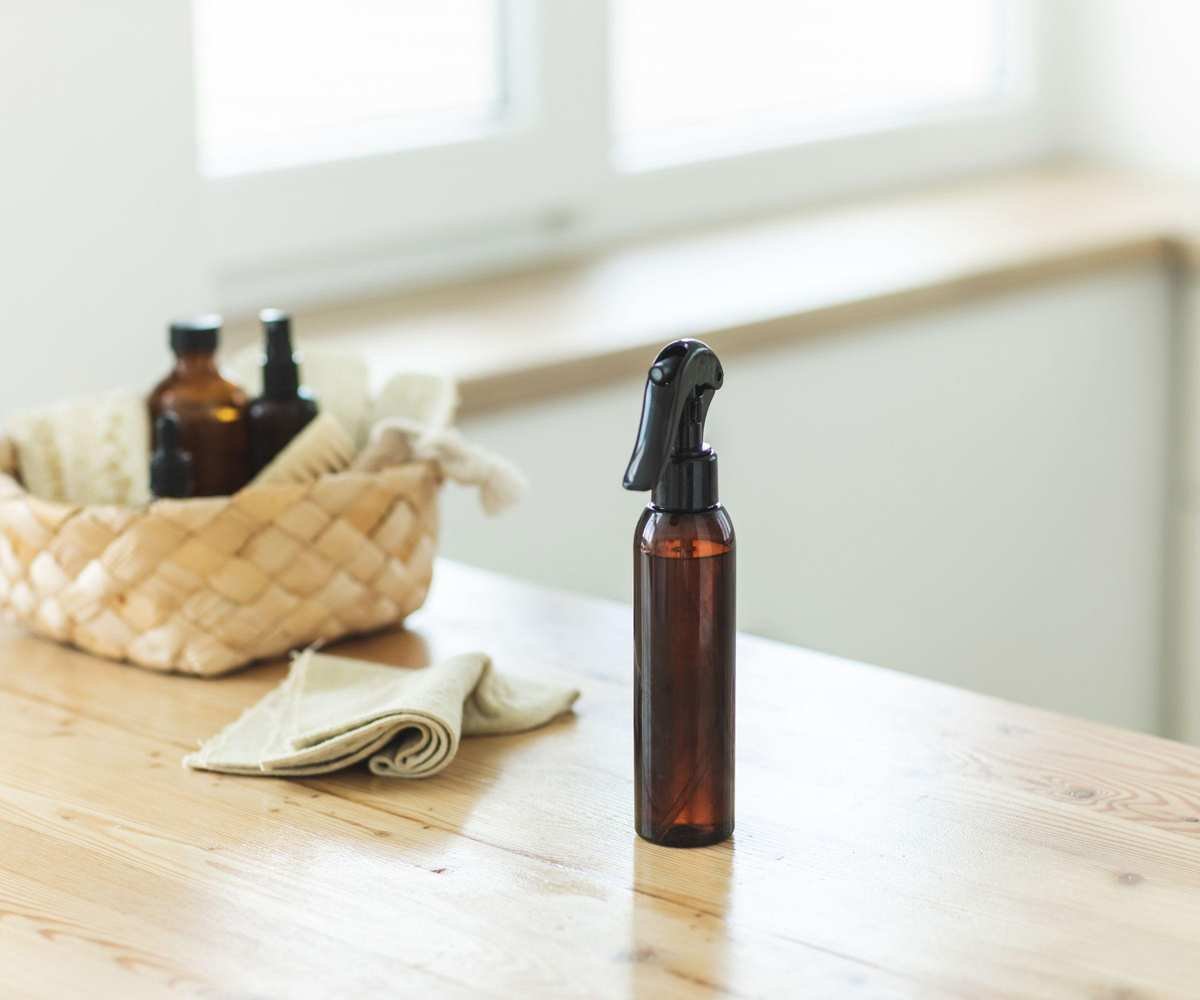
We don't usually think about expiration dates with cleaning supplies, but like food, they can lose effectiveness over time. For instance, old disinfectants may not work effectively, potentially leading to health issues.
Lisa Welch, a design expert, advises, 'To declutter under the sink, start by emptying everything. Check expiration dates and keep only the items you use regularly.'
When selecting cleaning supplies, opt for products certified safe by EWG or EPA Safer Choice to ensure a clean and healthy home.
Organizational Tools to Consider
Once you've decluttered, invest in organizational tools to maintain functionality.
 Four colors
Sorbus 2 Tier Under Sink Organizers
These organizers feature smooth glide drawers and sturdy metal legs with rubber protectors, making it easy to access your cleaning supplies.
 Ideal for small spaces
Honey-Can-Do Kitchen Storage Organizer with Drawers
Maximize your vertical space with this sturdy two-tier under-cabinet organizer featuring pull-out drawers for easy access.
 Five colors
Cella 3-Tier Cabinet Shelf Organizer
For smaller collections of cleaning supplies, a shelf riser helps you see everything at a glance, making quick clean-ups easier and preventing forgotten products.
With your sink area decluttered, reorganize your storage ideas. Carol Appelbaum suggests, 'Before placing items back, clean the bottoms of the products you're keeping. This keeps the area fresh.'
Find appropriate containers to house scrubbing tools and sponges, keeping damp items organized and accessible. Use additional bins to group similar items, like dishwashing supplies in one caddy and multi-purpose cleaners in another.
'This simple practice can greatly enhance the usability and efficiency of your newly organized space,' Carol remarks.
Finish by adding a natural deodorizer to combat musty odors.