
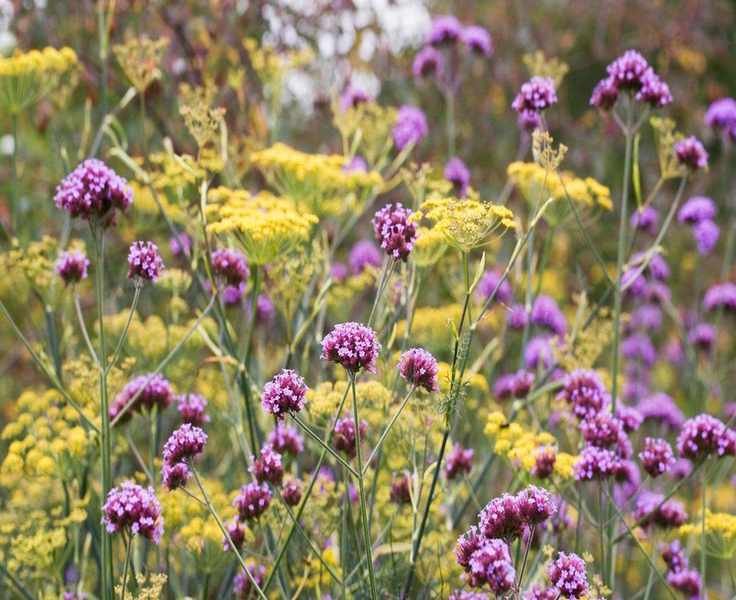
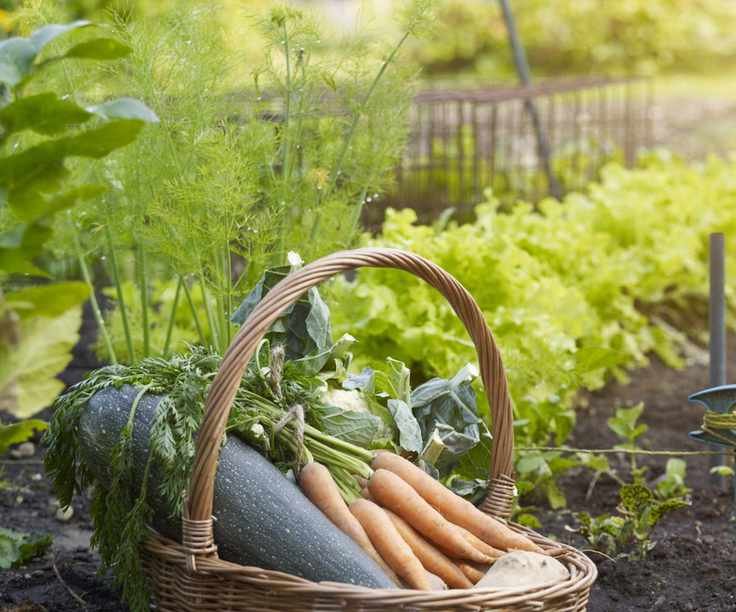
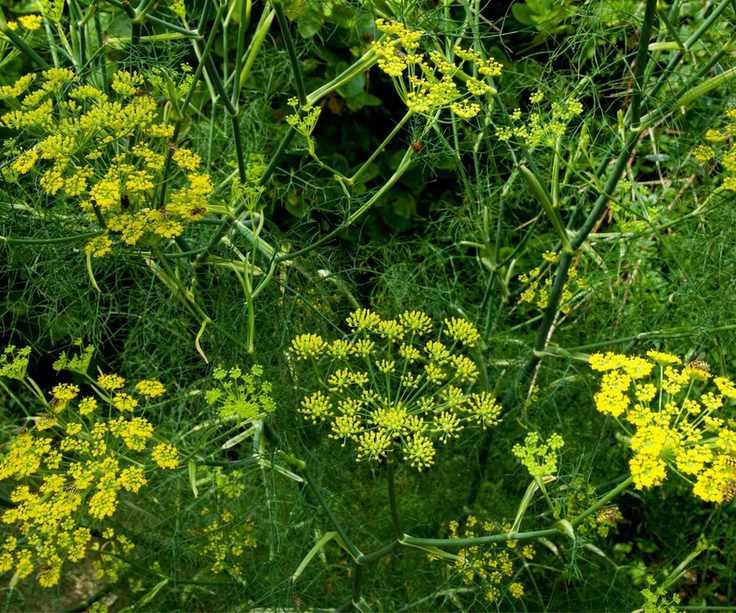
Edimentals are gaining popularity, but they're not a new, engineered category of plants. Simply put, edimentals are decorative plants that are also edible. Picture fennel with its delicate leaves and golden flowers, or rhubarb boasting striking pink-red stalks alongside lush foliage that is just as appealing as it is flavorful.
As gardening trends increasingly focus on sustainability and multi-functionality, choosing edimentals over standard bedding plants becomes more compelling. Why opt for ordinary petunias, pansies, or begonias when you can enhance your borders with plants that provide both beauty and a homegrown harvest?
Let's reconsider how we approach our spring and summer gardens. I'm here to help you weigh edimentals against traditional bedding plants as you plan your planting list for the coming season.
Are Edimentals the Future of Bedding Plants?
Edimentals thrive in various climates around the globe, including numerous native species from North America. Plants like verbenas, coneflowers, bearberries, and lingonberries are both ornamental and edible, making them worthy additions to your outdoor space.
1. Edimentals vs. Traditional Bedding Plants: What's Different?
For many years, bedding plants have been the staple choice for spring and summer gardens. Think vibrant red geraniums, purple pansies, or bright yellow petunias, which are easily accessible, budget-friendly, and create an immediate visual impact.
Once a hallmark of Victorian gardens, characterized by neat rows and floral displays, bedding plants have waned in popularity, giving way to more natural and wild gardening styles.
Even if you lack the time or resources to create intricate planting patterns reminiscent of grand estates, many still turn to fast-growing annuals for that burst of color.
Consider gazanias and gerberas, which hail from South Africa. These plants flourish in borders from May until the first frost arrives, but they are ultimately temporary. While they add vibrant colors, they are disposable.
Edimentals, however, serve a dual purpose. They infuse your garden with beauty while yielding edible flowers, leaves, or fruits that enhance your culinary endeavors.
Many edimentals, like herbs and perennial vegetables, are worth the investment, returning season after season. Plants such as rosemary, lemon verbena, and lavender not only offer year-round texture and fragrance but also elevate your cooking. In compact spaces, especially urban gardens, it's essential for every plant to have a purpose, and edimentals certainly deliver.
Lemon verbena stands out as an ideal edimental to include in your flower borders. With its delightful fragrance and flavor, why not cultivate your own tea leaves?
2. Why Choose Edimentals Over Bedding Plants?
Swapping traditional bedding plants for edimentals boasts numerous advantages, particularly in terms of environmental impact. Conventional bedding plant production demands substantial water, heat, and artificial light, consuming significant energy resources. Additionally, many growers still utilize peat-based compost, and when you factor in transportation and plastic packaging, the carbon footprint becomes concerning.
While edimentals aren't completely eco-friendly, their longevity is a key differentiator. Many are perennials, returning year after year, which minimizes the need for continual replanting and conserves time, money, and resources over time.
There's certainly room for both bedding plants and edimentals in most flower bed ideas. However, swapping out your busy Lizzies and lobelias for productive perennial crops that are visually appealing and flavorful can reduce your carbon footprint and possibly save you money. Who wouldn't appreciate that?
3. Transitioning from Bedding Plants to Edimentals
If you're ready to transition from traditional bedding plants to edimentals, starting is simpler than you might think.
Begin by selecting plants that suit your climate and soil type. If you live in hot, humid areas like Austin or Houston, located in US hardiness zone 9, consider Mediterranean aromatic herbs. Fennel and lemongrass are unique choices to experiment with, along with reliable herbs like rosemary and sage that thrive in the summer heat. Adding these herbs instead of annuals will introduce a lasting sensory aspect to your garden.
If you're in cooler regions, such as US hardiness zone 5 or lower, mint is a hardy option that tolerates wet conditions. Try this pineapple mint, which is available from Burpee, for its distinctive flavor and attractive foliage. Keep in mind that mint can spread vigorously, so consider growing it in containers.
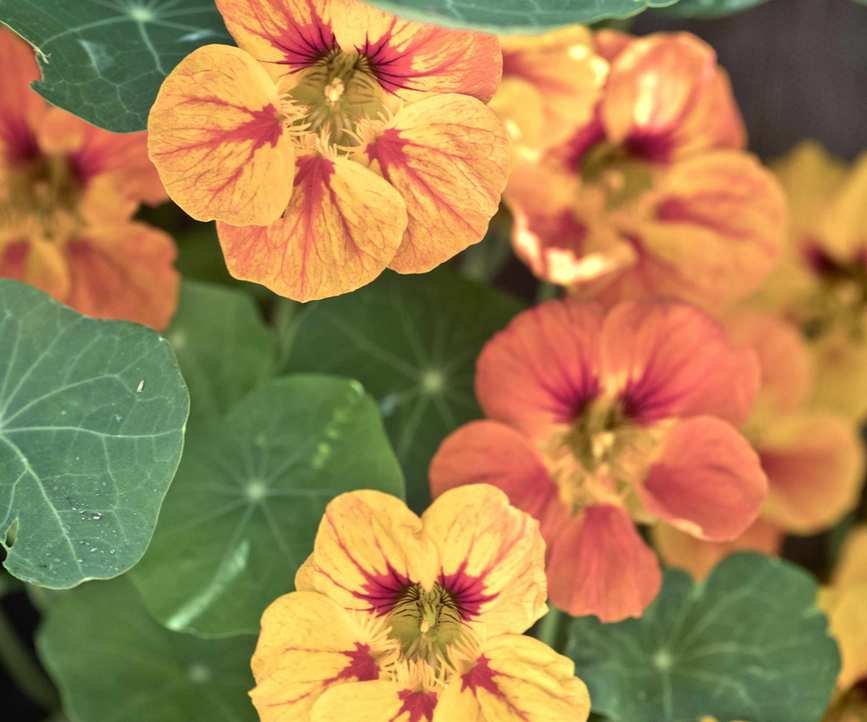
For the front of borders, consider edible flowers like nasturtiums or calendula. You can easily direct sow seeds in early spring. By summer, you'll be enjoying these tasty additions. Try this orange 'Oktoberfest' calendula for a striking display, with seeds available from Burpee. Though they are annuals, starting them from seed is a cost-effective and resource-efficient way to introduce edimentals to your garden.
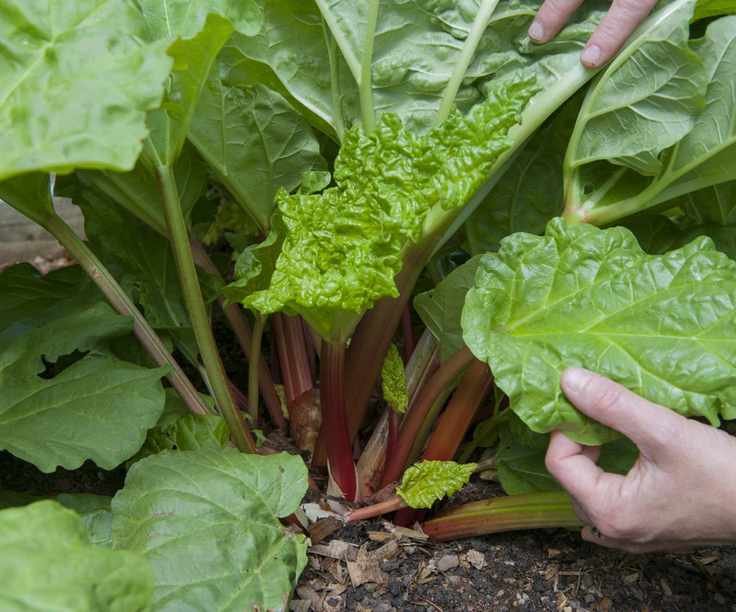
Also, consider adding perennial crops like kale, rhubarb, and artichokes that will produce year after year. While mixing salad and vegetable crops into flower borders may seem unconventional, these leafy plants can stand up to traditional ornamental foliage like hostas and ferns.
Finally, biennials like parsnips and carrots work well as edimentals in borders. During my time working at a private estate in South Wales, we often integrated parsnips among large flower beds. Their bright umbel-like flowers can rival many flowering plants, attracting pollinators in the process.
You can even regrow parsnips and carrots from kitchen scraps. Simply save the tops (with a bit of root attached) and place them in water. In a few days, new roots will appear. After a couple of weeks, transplant them into your flower bed. While this method won't yield additional vegetables, you'll still enjoy stunning architectural foliage and blooms in the upcoming season.
These durable leather gardening gloves will protect your hands while planting and maintaining your garden.
Indulge in a bountiful harvest of sweet strawberries right in your yard. These plants can act as perennials in zones 5 to 9.
If you're gearing up for some digging, this tool is essential for planting your edimentals in flower borders.
FAQs
What Edimentals Are Suitable for Small Yards Instead of Bedding Plants?
If space is limited, such as on a balcony, edimentals are your best bet for a compact, attractive, and functional garden. Many can thrive in containers or window boxes, including lavenders and coneflowers. For a statement piece, consider one large shrub like a bay or olive tree. Additionally, utilize vertical spaces with trailing plants like strawberries or tomatoes.
For novice gardeners, herbs are an excellent choice for low-maintenance edimental borders. Many popular options are among the easiest herbs to cultivate. So why not introduce oregano or thyme to your plot? In just a few months, your yard will be alive with wonderful scents.



