
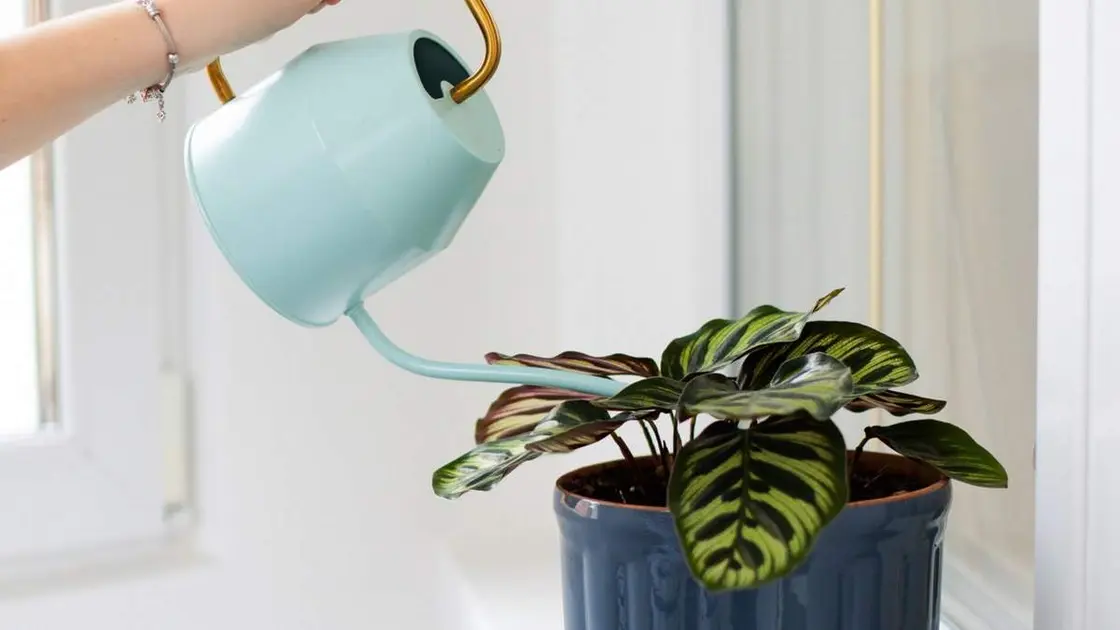
As a dedicated calathea enthusiast, I've learned the ins and outs of watering these beautiful plants. Calatheas can be quite demanding, making them unsuitable for those seeking a more low-maintenance option, as they tend to react dramatically to improper care.
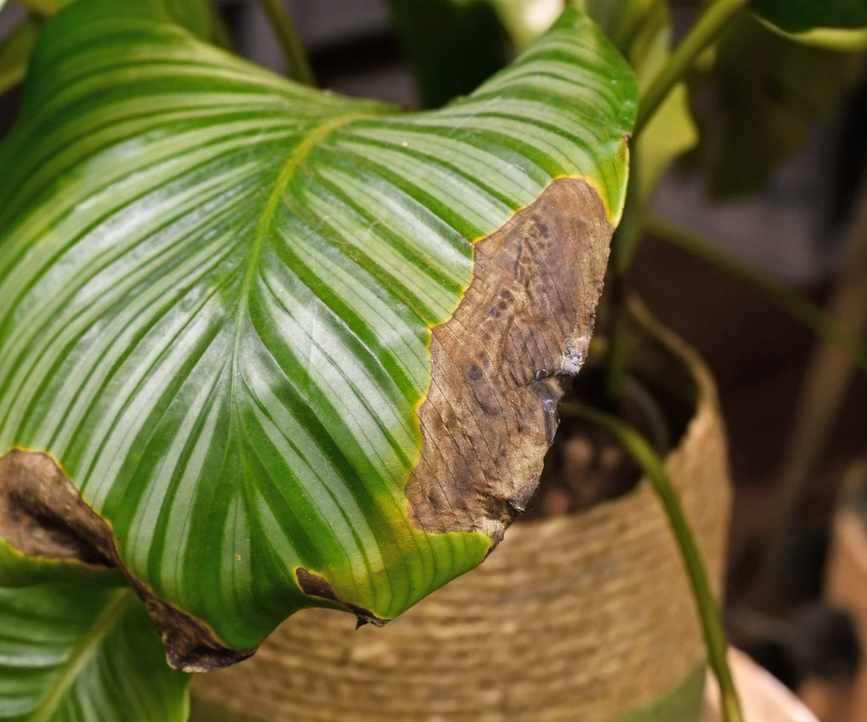
When I first began my journey with calatheas, I quickly noticed that the leaves would curl if they received either too much or too little water. Additionally, brown spots would form on their stunning patterned leaves, detracting from their striking beauty.
It takes some experimentation and understanding of their native habitat to successfully care for these plants. Fortunately, we consulted with experts to uncover how to effectively water calatheas and identify the common errors you should avoid.

Common Watering Mistakes with Calatheas
More often than not, improper watering is the primary cause of houseplant demise. It ranks among the most frequent mistakes indoor gardeners make, but it can be easily corrected by replicating the calathea's natural environment.
Calatheas thrive in tropical climates, typically growing on the forest floor in Central and South America, where they enjoy high humidity and moisture retention.
Many plant lovers struggle to find the right balance between allowing their calathea to dry out sufficiently without letting it become fully dry.
Vladan Nikolic, a houseplant expert and founder of Mr. Houseplant, highlights several signs that indicate your calathea may be overwatered or underwatered:
- Leaf curling
- Yellowing or browning leaves
- Crispy leaves
- Mushy stems and roots
Don't fret; our expert guide to correctly watering calatheas will ensure you keep yours flourishing, allowing you to appreciate its eye-catching foliage for much longer.

Vladan Nikolic is a houseplant specialist with more than a decade of experience. He founded the houseplant care blog Mr. Houseplant and has a strong social media presence, boasting over 500,000 followers.
Effective Watering Techniques for Calatheas

Before reaching for your watering can, inspect your calathea's soil. Various factors influence when your calathea needs watering, so it's not advisable to follow a strict schedule for these more challenging plants.
'The specific watering frequency varies based on environmental factors like humidity, light, and temperature,' explains Vladan.
To assess your soil's moisture, use your finger to check how dry it is. 'When watering a calathea, aim to let about 50% of the soil dry out between waterings,' says Paris Lalicata, head of plant education at The Sill.
Watering your calathea while the soil is still too wet can lead to root rot, which may be fatal for your plant. You can utilize tools like this plant water meter from Amazon to monitor the moisture levels in the soil.

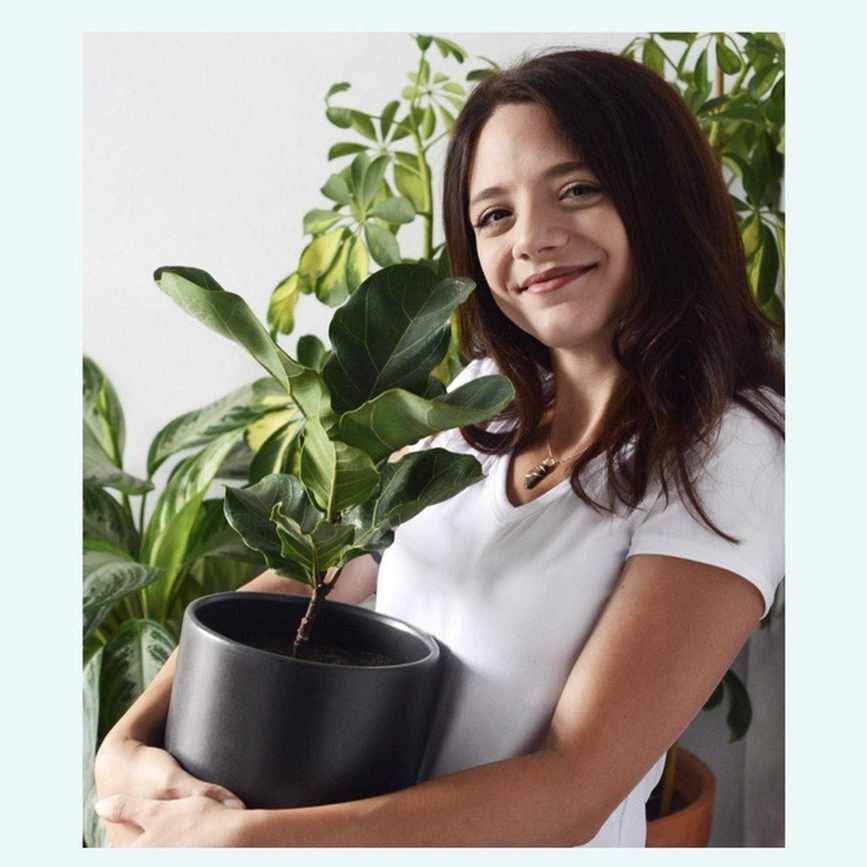
Paris has been with The Sill for five years, where she oversees Plant Education. She is a self-taught plant expert with over a decade of experience in houseplant care and is working towards becoming a certified sustainable gardener. With an indoor garden of over 200 plants, she is dedicated to making plant care accessible for new plant parents.
Once you're sure that your calathea has dried out enough, but not completely, you can begin watering.
"Water the entire surface of the soil thoroughly and avoid splashing the leaves," advises Vladan. Soaking the leaves of calatheas can damage their foliage, affecting the appearance of their unique patterns.
A pot with drainage holes, like this ceramic container from Amazon, is ideal for finicky plants like calatheas because it allows excess water to drain away.
'Never let your calathea sit in a saucer filled with water, as this can cause root rot and fungal infections. Ensure all excess water drains out and empty the saucer,' warns Vladan.
'Calatheas are sensitive to tap water chemicals such as fluoride and chlorine, so it's best to use distilled or rainwater for watering,' he adds.
Stylish Watering Cans for Your Collection
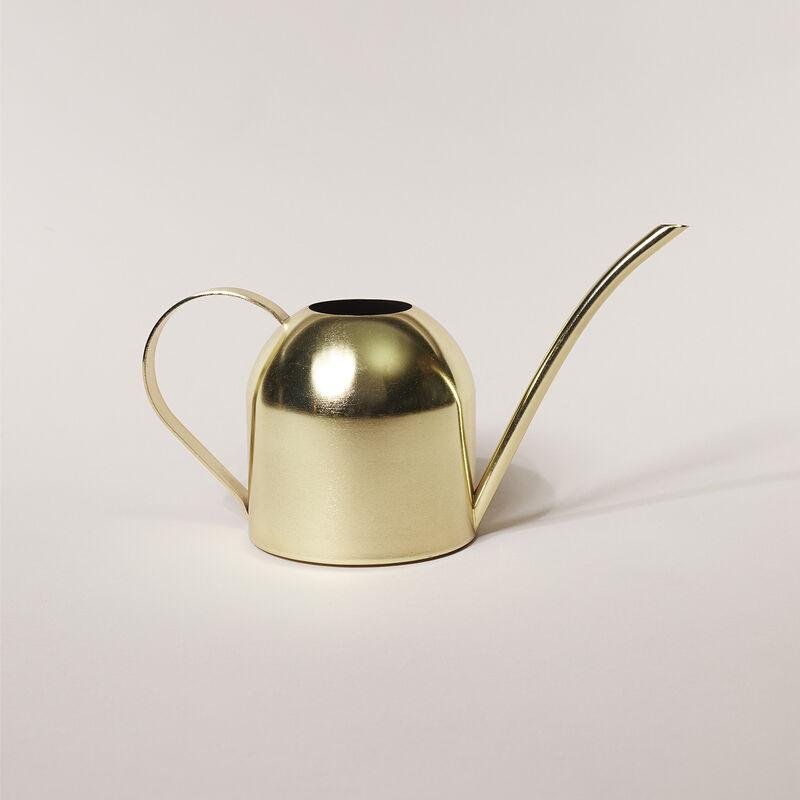
Add a touch of elegance to your indoor gardening with this gold watering can. Its slender handle and spout make it perfect for houseplant care.
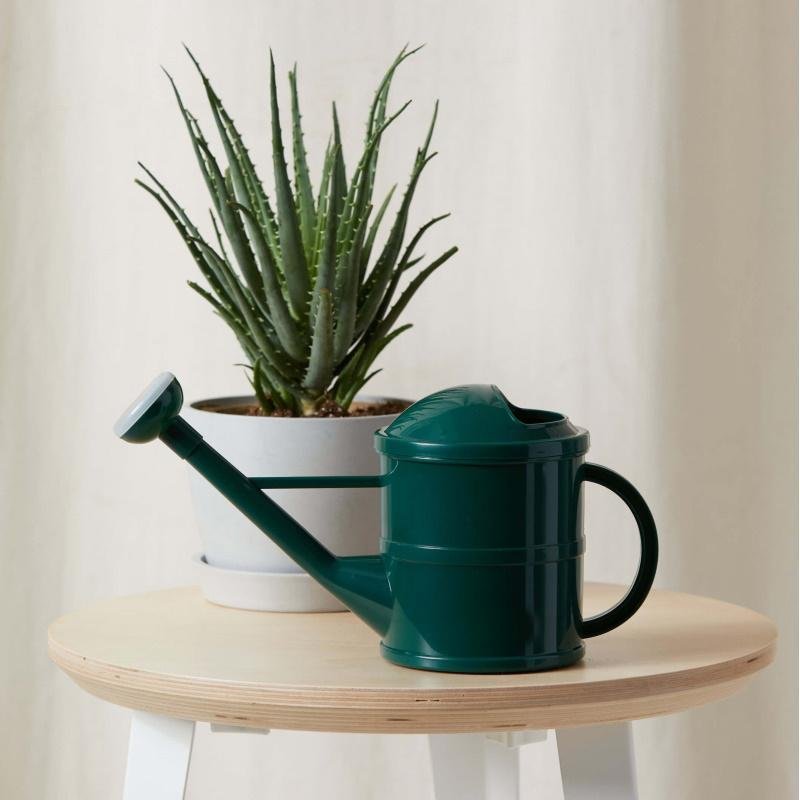
This attractive dark green watering can holds 1.5 liters and is made from 100% recyclable plastic. Its removable rainfall head adds versatility.
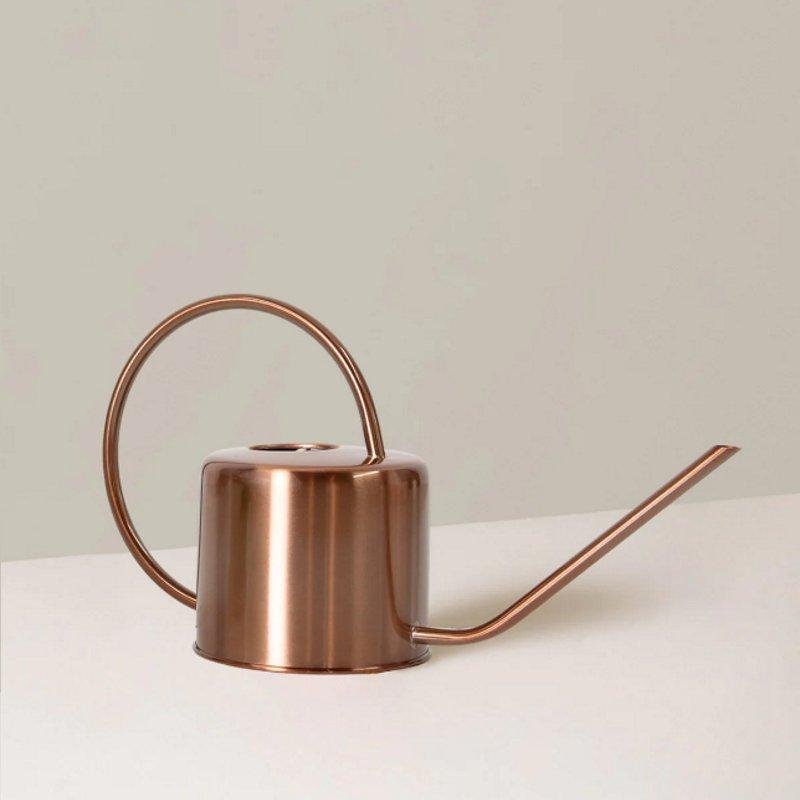
This 1-liter metal watering can is rust-resistant and handcrafted. Its narrow spout makes it easy to reach those tricky spots while watering your plants.
Frequently Asked Questions
Is misting beneficial for my calathea?
Calathea plants thrive in the humid forests of Central and South America, so they do well in high humidity. Misting is one way to boost humidity levels for your plants, and your calathea will appreciate regular misting. However, be cautious not to oversaturate the leaves, as this can cause damage. It's best to mist lightly and avoid holding the mister too close.
Does my calathea require fertilizer?
Calatheas are particular about watering and do not respond well to over-fertilization. If you choose to fertilize, do so sparingly, and avoid fertilizing during the winter months when the plant is not actively growing to minimize the risk of root rot. Fertilize during the warmer months only.
'To remove any salt or mineral buildup from fertilizers that could harm the roots, periodically flush the soil with distilled water,' recommends Vladan Nikolic.
Improper watering is frequently the culprit behind houseplant issues, especially for calatheas, which can be notoriously challenging to maintain. However, their stunning foliage makes them a worthwhile addition to your indoor plant collection. You can even propagate calatheas to expand your collection of these striking indoor plants.



