
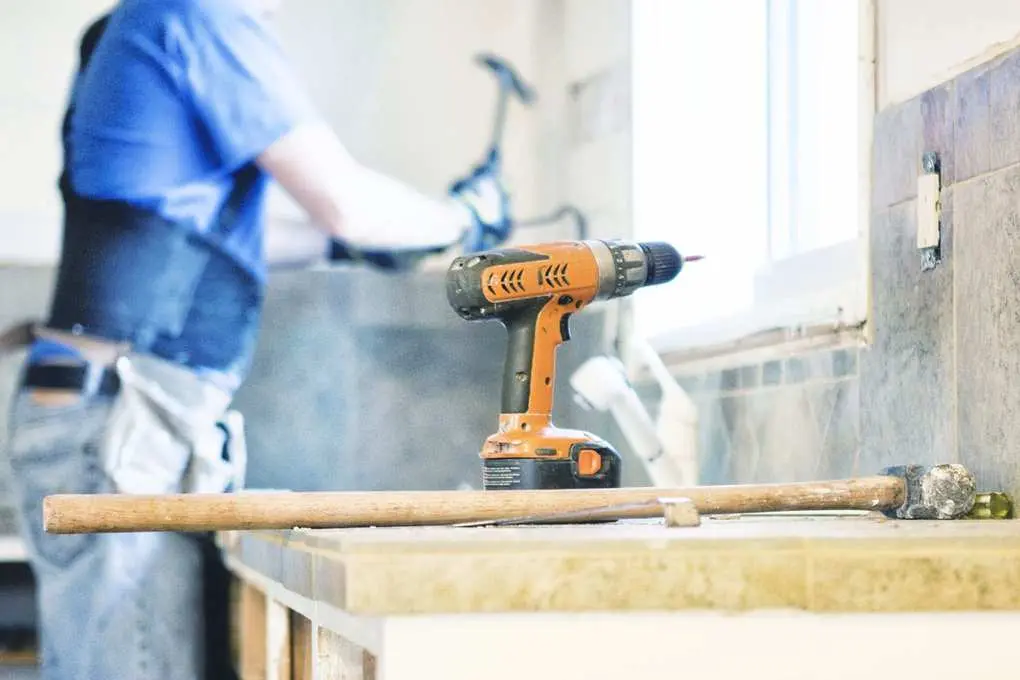
Removing kitchen cabinets can be a straightforward DIY task that not only saves you money but also reduces the time contractors spend in your home.
Whether you're planning to install a new kitchen or simply want to refresh your space, you might prefer to handle the removal yourself. This process doesn't require extensive skills, and if you're looking to paint your cabinets, you can easily take off the doors and drawer fronts first.
Begin by preparing the area: empty all cabinets of crockery, pots, pans, utensils, cutlery, glassware, and food items from both wall and base units, as well as any pantries and pull-out shelves. The removal of kitchen cabinets is usually quite simple, and you can often detach them without causing damage to the walls.
According to Ryan McDonough, an interior design expert, 'Removing kitchen cabinets isn't overly complicated, but some aspects require a bit of finesse. Doors can be unscrewed from their hinges, and internal shelves typically rest on pegs, making them easy to lift off. For drawers, you might need to maneuver around the drawer-stop mechanism, but they usually slide right out. Metal or plastic brackets often secure the cabinets together and keep the worktops in place, and these can be unscrewed with the appropriate screwdriver.'
'However, built-in appliances complicate matters. For cabinets housing sinks or gas and electric appliances, it's crucial to disconnect these safely first. You might be able to turn off the water supply yourself and cap the pipes, but it's best to call a gas engineer or qualified electrician for ovens and hobs.'
Below, we outline the fundamental steps for removing kitchen cabinets.
Steps to Remove Kitchen Cabinets and Drawers
If you're planning to install new kitchen cabinets, you'll need to remove the existing ones first. Once you've emptied the cabinets and drawers, you're ready to start.
1. Unscrew the Hinges of Cabinet Doors
Before you begin, always prioritize safety. Wear protective goggles, a mask, gloves, and old clothes that can get dirty.
The first step involves unscrewing the door hinges. If there's a release clip, it can facilitate the process; otherwise, have someone hold the cabinet door while you unscrew the hinges.
2. Detach Drawer Fronts
For drawer fronts, lift them from their runners, ensuring you check for any securing clips that might need to be released first.
3. Take Out Base Units
Base units typically have fixings at the back and screws connecting them to adjacent cabinets. After removing these, carefully pull the cabinets out.
4. Remove Wall Cabinets
Wall cabinets require a bit more effort due to their weight. Start by loosening the screws on the brackets on each side and removing any screws that connect the cabinets together in the center. Then, lift the cabinet up and out of the bracket. Having someone assist you can make this much easier. Some cabinets are directly attached to the wall, so one person should hold the cabinet while the other unscrews it.
Scott Peterson, director of HKUK, adds, 'Before you begin the removal process, consider what's above the cabinet. Countertops must be supported by the cabinets or end panels on either side of the one you are taking down. Cabinets are usually screwed together, with approximately four screws on each side. Don't forget to check hidden areas behind hinge plates and shelves. Base cabinets are generally screwed to the wall, while wall units are often hung from brackets, allowing them to lift off once unscrewed from adjacent units.'
5. How to Disconnect Appliances
Some cabinets may have hard-wired appliances. In this case, always enlist a professional electrician or gas engineer to safely disconnect them.
Once the appliances are removed, you can proceed with taking out the cabinet they were housed in.
6. How to Remove the Kitchen Sink
For sink removal, it's advisable to consult a plumber if you're unsure about handling the water connections. Turn off the water supply, keep the pipes upright to avoid spills, and disassemble any fixings under the sink before cutting the sealant that attaches it to the countertop.
7. How to Remove Countertops
Countertops are usually secured from beneath. Look for screws or bolts holding them in place and remove these carefully, ideally with assistance. If adhesive is used, you'll need to pry it away with a scraper. Once loosened, lift the countertop away from the cabinets.
Looeeze emphasizes, 'When handling heavy items like countertops, use the proper tools, proceed slowly, and don't hesitate to ask for help. Countertops are heavy and delicate, especially around cutouts where the material may be weakened. Never attempt to lift a countertop with just two people at opposite ends; it can lead to accidents.'
8. How to Remove Backsplash Tiles
If there are tiles on the wall above the countertop, you may need to remove the bottom row before tackling the countertop. Use a hammer and bolster if you don't need to preserve the tiles, but remember to wear protective goggles and gloves.
Can I Remove Kitchen Cabinets by Myself?
Yes, you can undertake the removal of kitchen cabinets on your own, although it's advisable to have a friend assist you. Always assess the installation to gauge the difficulty of the task. For instance, if the cabinets are attached with glue and nails instead of screws, it will be significantly harder to detach them without damaging the cabinetry.
Looeeze Grossman, founder of The Used Kitchen Company, notes, 'Many people underestimate the complexity of kitchen removal. It's only when they try it that they realize it's not as simple as it looks. You'll need to unscrew cabinets from their hinges using a drill for efficiency. Be sure to keep track of the screws, labeling which ones belong to each cabinet or drawer. Taping them to the back of their respective units can help.'
How Long Does It Take to Remove Kitchen Cabinets?
Plan for at least two days to remove kitchen cabinets, especially if two people are working in an average-sized kitchen. Larger kitchens will take longer, and the installation type can also impact the time needed: cabinetry secured with glue and nails will be more challenging to remove than those simply screwed together.
What Should I Do with Removed Kitchen Cabinets?
Removing kitchen cabinets not only prepares the area for new installations but can also provide an opportunity to sell them, allowing you to recoup some costs. You can sell them privately or through specialized companies.
Alternatively, consider using the cabinets in a mudroom or laundry room. Refinishing or staining kitchen cabinets can give wooden versions a fresh look, or you can paint them for a new aesthetic.



