
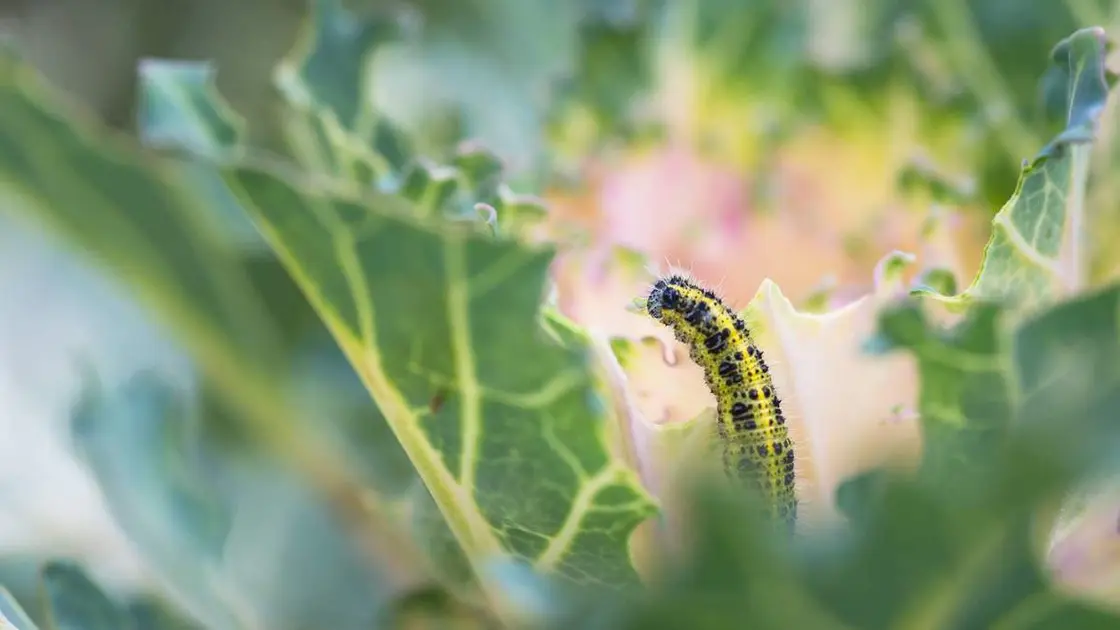
Caterpillars can be a significant nuisance in vegetable gardens, particularly fond of plants like brassicas. Their rapid reproduction can lead to widespread leaf damage as they munch through foliage.
Like many other gardeners, I have faced caterpillar issues and learned how to tackle these pests over the years. Fortunately, there are straightforward control measures you can take to safeguard your plants.
Even if you notice signs of caterpillar damage, there are organic methods available to eliminate them and preserve your vegetables.
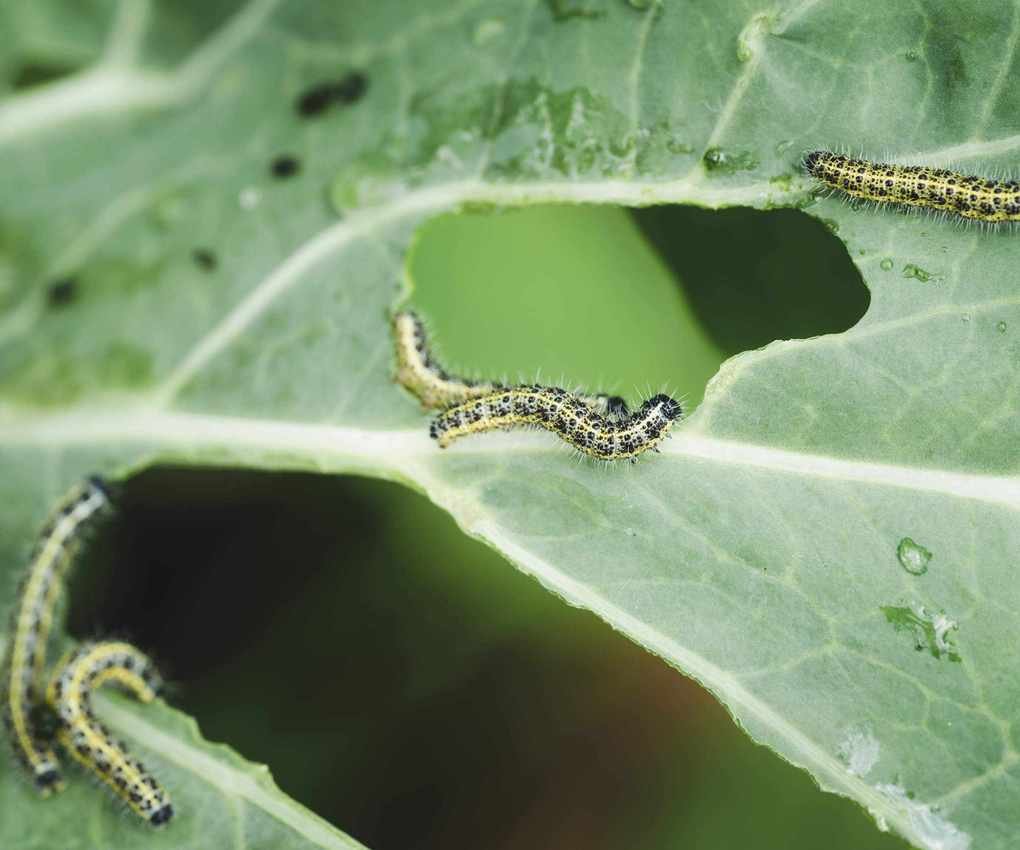
Unchecked caterpillars can wreak havoc in your vegetable garden.
Understanding Caterpillars
Caterpillars are the juvenile form of butterflies and moths. In gardens, the most prevalent types include cabbage worms, which eventually transform into cabbage white butterflies, and cabbage loopers.
These pests are especially drawn to Brassica family plants, such as cabbages, kale, Brussels sprouts, and cauliflower. The female moth lays hundreds of eggs on your vegetable plants, initiating a caterpillar infestation.
The larvae feed voraciously for about two weeks before pupating and emerging as moths, continuing the cycle.
Identifying Caterpillar Damage
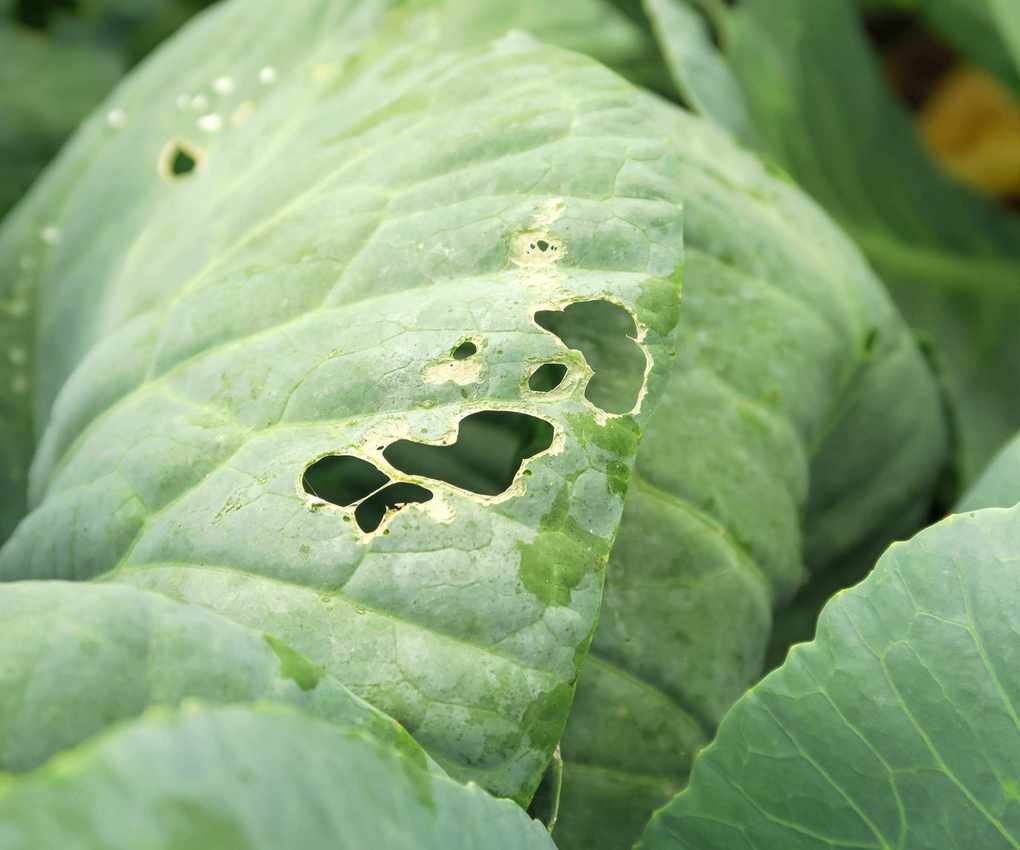
Look for holes in leaves as a sign of caterpillar activity.
The most apparent evidence of caterpillar damage is on plant leaves. Their insatiable appetites result in irregular holes formed by their chewing. Although small, caterpillars can rapidly destroy a plant's leaves.
Watch for chewed edges or holes in the leaves. In severe infestations, entire leaves may be missing. At the first signs of damage, check the undersides of leaves, as this is where young caterpillars and clusters of yellow eggs often hide.
Preventing Caterpillars in Your Garden
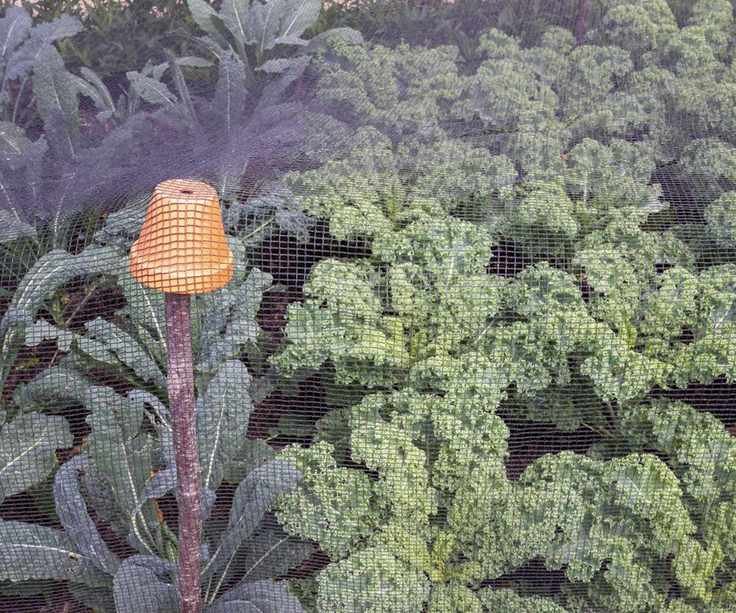
Using insect netting is an effective way to keep caterpillars away from your crops.
The easiest way to deter caterpillars from your valuable vegetable plants is to cover them. Using physical barriers to protect Brassica plants is a highly effective method I've employed in my own gardens.
Materials like garden fleece, floating row covers, or fine insect netting work well and should be set up immediately after planting seeds or transplanting seedlings. It's best to elevate the covering using hoops to keep it off the plants; otherwise, moths may lay eggs through the netting if the foliage touches it.
'Cover the entire area with fine mesh netting secured with landscape pins or clamps, ensuring there are no gaps,' says Crystal Jarvis from Lettuce Grow Something. 'The small holes allow air, sunlight, and water in while keeping moths out. You can pull back the mesh when necessary for maintenance or harvesting, but it should remain throughout the growing season.'
This method not only guards against caterpillars but also protects plants from harsh weather. Since Brassica plants do not require blooming for pollination, covering them won't hinder pollinators.

Crystal Jarvis is the owner and garden consultant at Lettuce Grow Something. She specializes in designing beautiful raised bed kitchens for gardeners of all levels, both locally in Austin, TX, and virtually worldwide.
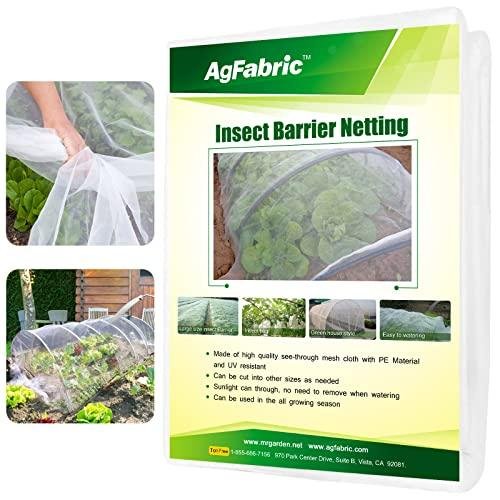
Garden Insect Netting
This insect netting protects vegetables, flowers, and fruits from birds and insects while allowing water, air, and sunlight to penetrate.
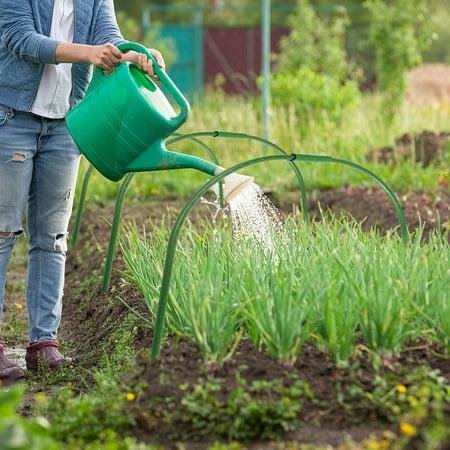
Garden Hoops Bracket Kit
This kit includes 12 straight tubes, 12 curved tubes, and 18 connecting rods to create a supportive tunnel for vegetables that can hold various coverings, including mesh netting.
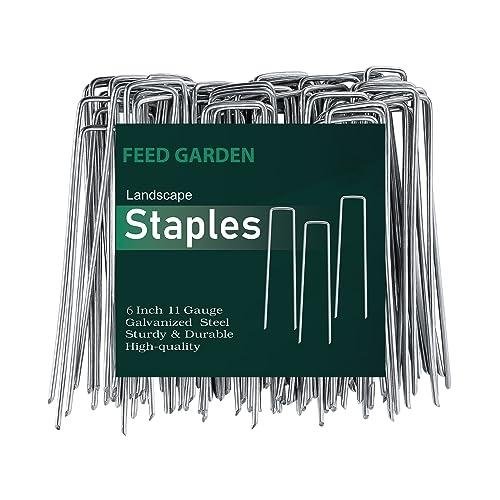
Landscape Staples
This pack of 50 heavy-duty staples measures 6 inches long and can secure various garden objects, including insect netting.
Eliminating Caterpillars from Your Garden
Even with insect netting in place, I still encounter pesky caterpillars. They may find gaps or enter while I'm tending to the plants.
Once you notice signs of caterpillar damage, prompt action is essential as they reproduce rapidly. While chemical treatments exist, they are typically not recommended for edible plants.
Natural, non-toxic methods are always preferable for dealing with caterpillars — and fortunately, several effective options are available.
Hand-Picking Caterpillars
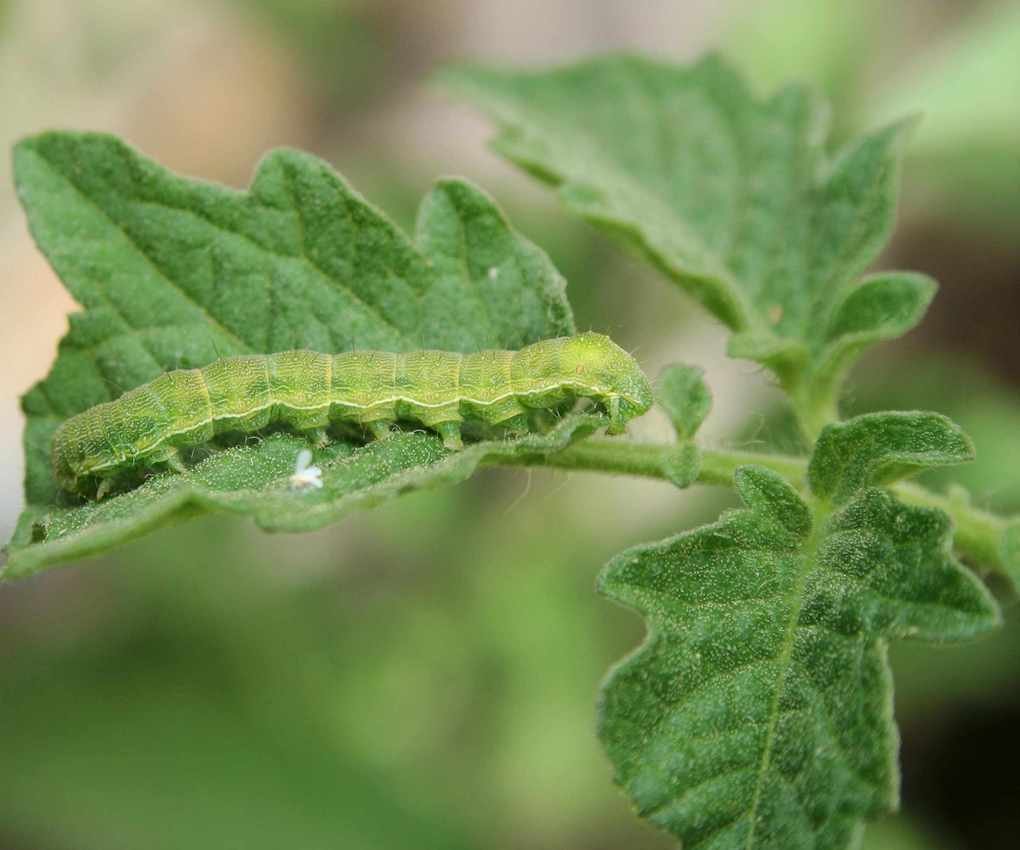
Regular checks and removal can keep caterpillars at bay.
The simplest approach to handling caterpillars is to remain vigilant and remove them by hand. When you see any signs of trouble, put on gloves and inspect the plants, especially the undersides of leaves, to remove any caterpillars you find.
'While hand-picking, keep a container filled with water and a few drops of dish soap nearby,' suggests Susan Mulvihill, author of 'The Vegetable Garden Pest Handbook'. 'Drop the caterpillars into the water; the soap will break the surface tension, preventing them from escaping.'
Continue to check the plants regularly, scrutinizing between leaves and in any potential hiding spots to remove any caterpillars you see.

Susan Mulvihill is the author of 'The Vegetable Garden Problem Solver Handbook' and 'The Vegetable Garden Pest Handbook'. She tends to her garden on 5 acres in Spokane, Washington, and has been writing gardening columns for nearly two decades.
Applying Organic Sprays

Sprays can effectively eliminate caterpillars in your garden.
Organic insecticides containing Bt (Bacillus thuringiensis kurstaki) are effective against caterpillars. This naturally occurring bacterium can be sprayed onto plants and will kill caterpillars once ingested, without harming humans, bees, or other beneficial insects.
'Apply it to the leaves where caterpillars are present,' says Crystal Jarvis. 'Spray in the evening, as Bt degrades in sunlight. Reapply weekly, especially after rain, which can wash it off.'
Another option is to use neem oil spray, which can suffocate caterpillars and prevent them from damaging your plants.
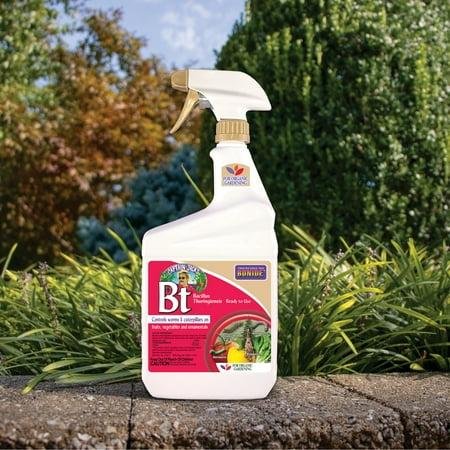
Bt Thuricide Spray
This ready-to-use spray is designed for organic gardening and controls destructive caterpillars and worms in vegetable and flower gardens.
Creating a Homemade Spray
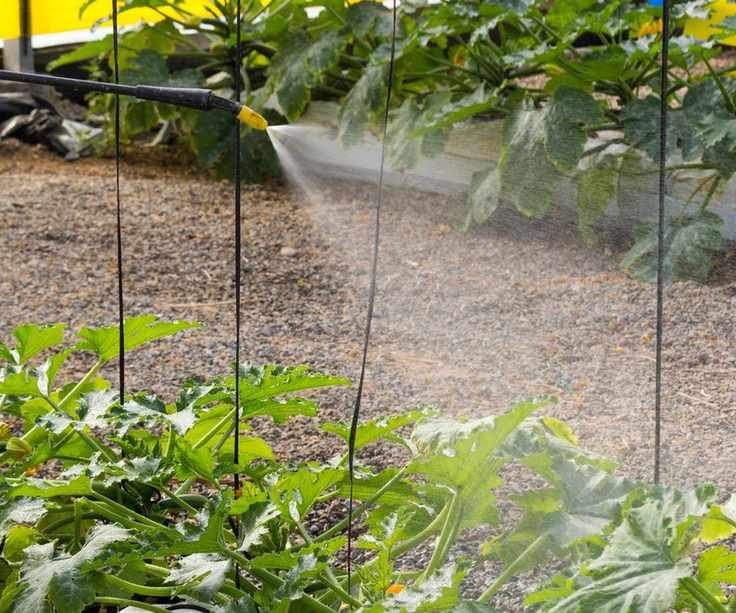
Homemade sprays with strong scents can deter caterpillars.
You can make a simple homemade spray by combining a few tablespoons of vinegar with a gallon of water, applying it wherever you've spotted caterpillar damage.
Alternatively, blend finely chopped chili peppers and crushed garlic with a teaspoon of liquid dish soap, allowing the mixture to sit for two days before spraying it on your plants.
Utilizing Companion Planting
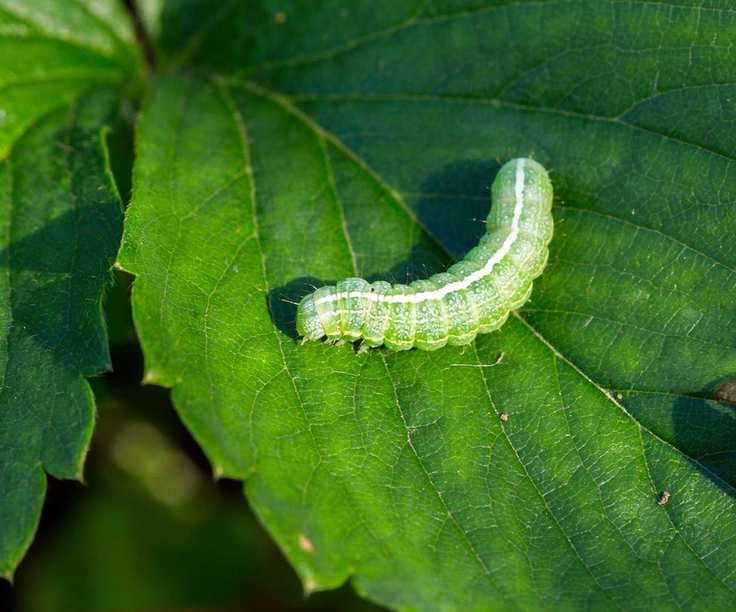
Encouraging birds and predators can help control caterpillar populations.
Companion planting serves as a natural approach to managing caterpillars, offering three key benefits for your vegetable garden.
First, planting aromatic herbs can deter moths and prevent them from laying eggs. Second, flowers and other companion plants can attract birds and beneficial insects that feed on caterpillars.
Lastly, using plants like nasturtiums as trap plants can lure caterpillars away from your valuable vegetables.
Frequently Asked Questions
What do caterpillars dislike the most?
Caterpillars have a strong aversion to intense smells. They tend to avoid aromatic herbs like lavender, rosemary, peppermint, and sage, making these excellent companion plants to deter them. Their sensitivity to strong scents also makes sprays containing vinegar, garlic, and pepper effective for repelling them.
Does soapy water kill caterpillars?
According to Crystal Jarvis, spraying soapy water on caterpillars won't significantly harm them. While using soapy water as a homemade spray may not eliminate caterpillars, she does recommend bringing a bowl of soapy water to the garden to dispose of any you find.
Caterpillars don't only target vegetables; gypsy moth caterpillars can also damage various trees, including oak, apple, birch, and willow. Learn how to manage these pests in our guide on how to get rid of gypsy moth caterpillars in your garden.



