
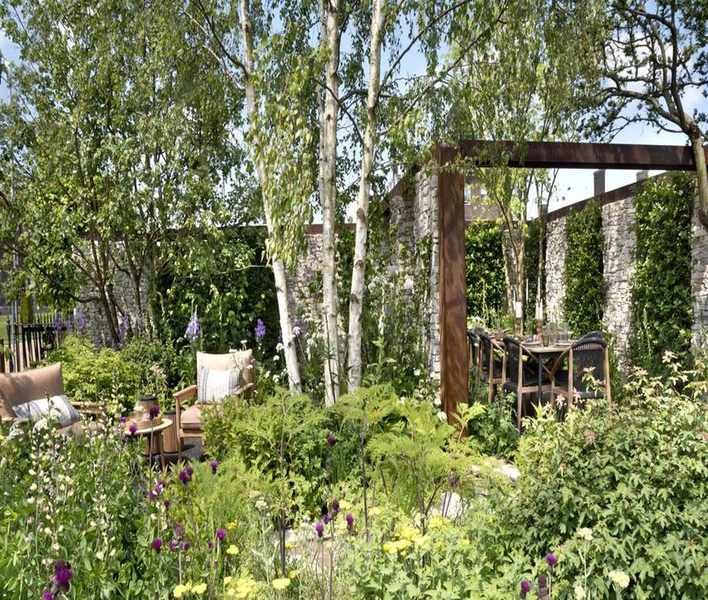
As the new year unfolds, you might be curious about the future of garden design. One notable trend gaining traction is soft modernism, which prioritizes a relaxed aesthetic with a focus on natural planting.
This style contrasts sharply with the rigidity of minimalist gardens, which often feature stark lines and limited colors. Instead, soft modernism embraces a more organic feel, combining modern elements with softer, wilder plantings. Discover how to bring this inviting look to your outdoor space.
Framework for Soft Modernism
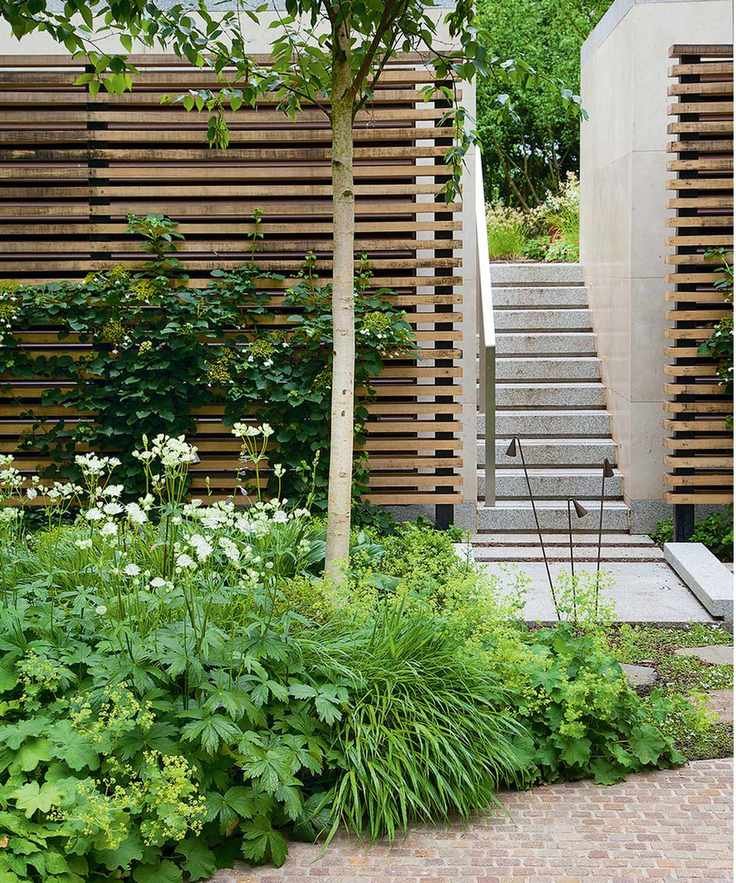
Similar to minimalist gardens, soft modernism incorporates geometric shapes and bold lines, while infusing a gentler touch through its plant choices. Key shapes like squares, rectangles, and circles form the basis of the design, created with paving, terraces, hedges, and raised beds.
While materials like Corten steel and concrete remain popular, incorporating timber adds warmth and a softer touch.
Color Schemes in Soft Modernism
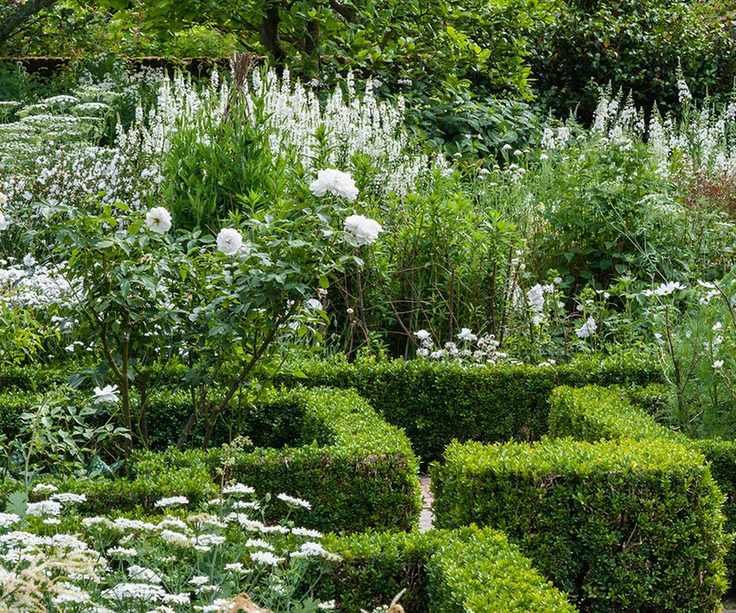
In minimalist gardens, the color palette is often restrictive, focusing primarily on greens with minimal accents. A prime example is the white garden at Sissinghurst.
Soft modernism, however, seeks to create a more vibrant atmosphere with natural planting and a broader, yet curated, color palette. This style emphasizes loose grasses and a variety of ecological perennials to add subtle color.
Choosing Grasses for Soft Modernism
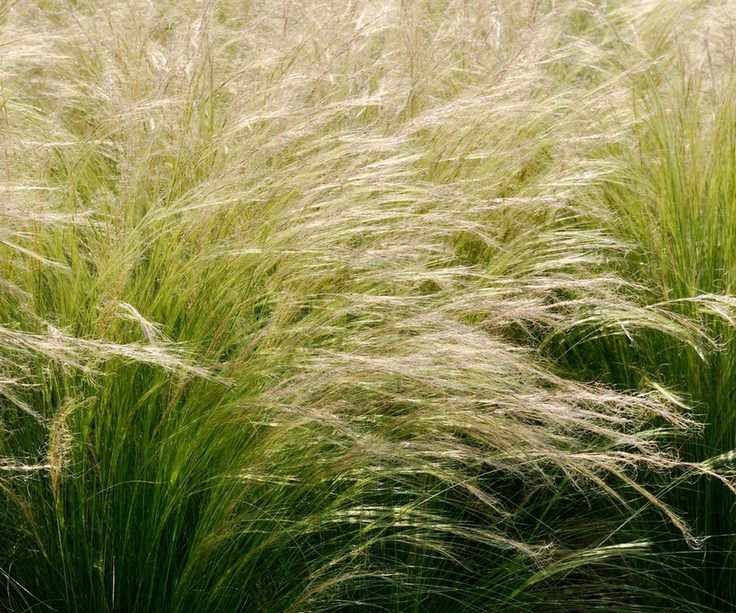
Unlike traditional minimalist gardens, soft modernism celebrates diversity in plant selection and texture. Ornamental grasses, with their flowing blades and textured seed heads, are perfect for adding softness along hard edges or pathways.
For instance, Miscanthus and Stipa are excellent choices, available in various sizes. Miscanthus sinensis 'Morning Light' grows to 4-5 feet, offering height and structure with its graceful green and white foliage. This grass is suitable for USDA zones 5-9 and can be found at Nature Hills.
For a compact option, Stipa tenuissima, or Mexican feather grass, reaches about 2 feet and offers a graceful, low-maintenance addition to the garden. Hardy in zones 6-10, it flourishes in full sun and well-drained soil. You can find Mexican Feather Grass at Garden Goods Direct.
For shaded areas, consider Japanese forest grass (Hakonechloa macra), known for its lush green foliage that transitions to a yellow-tan in fall. Hardy to USDA zone 4, this grass is perfect for ground cover and looks stunning cascading over borders. Japanese forest grass can be found on Amazon.
Perennials for Soft Modernism

To achieve seasonal color and a natural look, opt for flowing perennials. The High Line in New York City showcases soft planting beautifully, thanks to designer Piet Oudolf.
For inspiration on native plants, check out The Gardener's Guide to Prairie Plants by Neil Diboll and Hilary Cox.
Throughout my gardening career, I've come to favor certain perennials for their reliability and texture. These include Salvia, Verbena, Perovskia, and Lavandula, which provide seasonal interest while keeping the color palette minimal.
Upright spikes of purple blooms from Salvia nemorosa add structure amidst softer plantings. This perennial, thriving in zones 4-9, attracts pollinators. You can Salvia nemorosa 'Caradonna' available at Nature Hills.
Verbena bonariensis, known for its elegant stature and vibrant color, produces clusters of mauve flowers on slender stems. Thriving in full sun and zones 7-11, it's a favorite in various garden styles, from cottage gardens to rock gardens. You can purchase Verbena bonariensis from Burpee.
One of the most resilient perennials, Russian sage (Salvia yangii or Perovskia atriplicifolia) complements soft modernist gardens perfectly. Hardy in US zones 4-9, it showcases silvery foliage and striking lavender-blue flowers. Pruning in early spring maintains its sculptural interest through winter. Russian sage can be found at Nature Hills.
Creating Layers in Soft Modernism
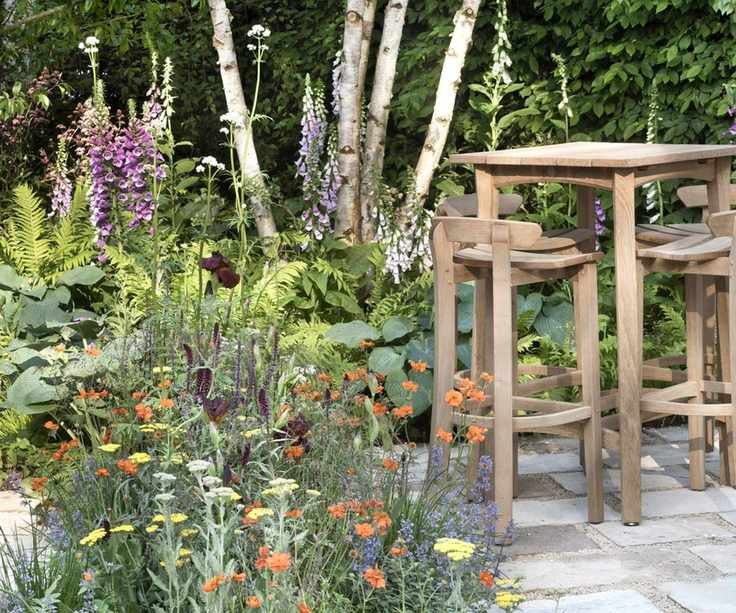
Incorporating layered soft planting alongside geometric hardscaping enhances the garden's depth and ecological benefits. A matrix of ground cover, taller perennials, and anchoring trees or hedges can create visual interest while softening hard edges.
If natural environments inspire you, explore more on naturalistic planting techniques and learn how carefully curated plant drifts can create a soft, appealing garden style.



