
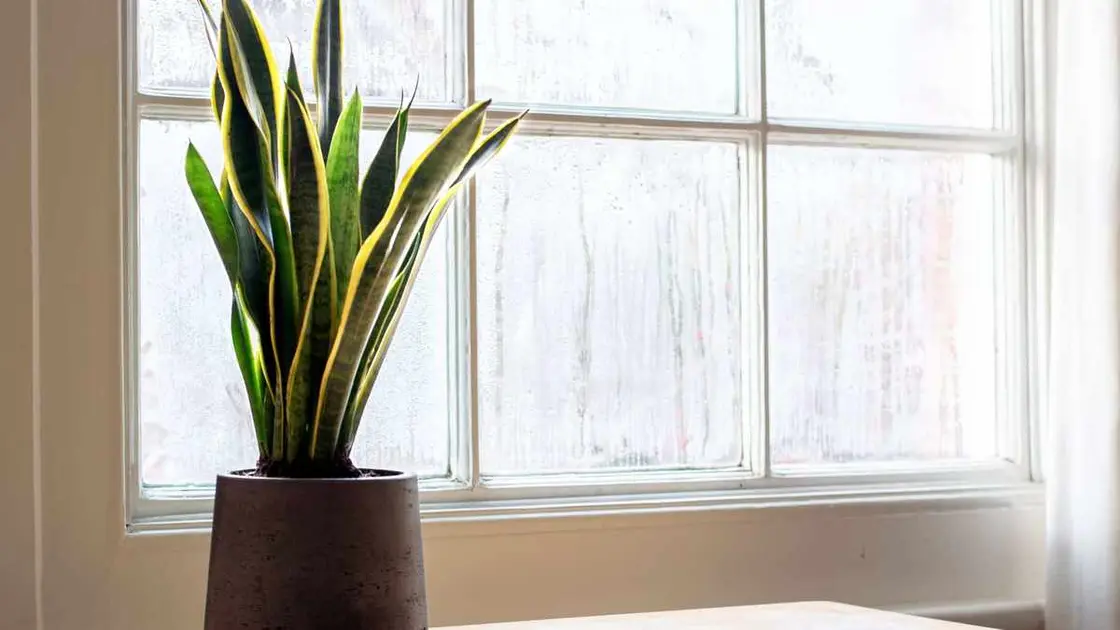
Snake plants are valued for their resilience in different settings, but they aren’t invincible.
If you’re wondering why your snake plant is turning yellow, this easy-care indoor plant might need some attention. Fortunately, it’s still possible to rescue the remaining green leaves.
Officially known as Dracaena trifasciata, snake plants are among the top plants for bedrooms. They not only enhance the decor but also improve air quality by filtering out toxins while you sleep. Plus, they rank as one of the best plants to deter snakes. It’s also possible to propagate them. Despite these benefits, snake plants have their limits.
Let’s explore the reasons behind your snake plant’s yellowing leaves and how to rejuvenate them.

Why Is My Snake Plant Turning Yellow?
Yellowing leaves on a snake plant can be attributed to one or more of the following issues.
1. Watering Practices
Understanding how to water snake plants properly is essential, as overwatering is often the culprit.
“Snake plants can thrive for weeks without water,” says horticulturist Brody Hall. “While this makes them ideal for low-maintenance gardeners, they are prone to overwatering.” He advises watering every two weeks or when the soil is about 50% dry.
Chris Chan from Garden Bench Top echoes Brody’s advice. “Like succulents, snake plants prefer their soil to dry out between waterings. Constantly wet soil can cause the leaves to yellow due to water stress,” he explains.
2. Inadequate Drainage
Poor drainage is another critical factor in caring for succulents, including snake plants. This issue typically arises from pots lacking sufficient drainage holes, leading to root rot and yellow leaves.
Brody suggests, “If you suspect drainage issues, re-pot your snake plant in a well-draining mix, such as this one available on Amazon or switch to a pot with more drainage holes.”
If you notice root rot, trim away the damaged roots before replanting in fresh soil.
3. Excessive Sunlight
This low-light indoor plant does best in shaded areas, so yellowing leaves could indicate too much direct sunlight.
“Continuous exposure to bright light can cause leaf burn, leading to browning edges,” Chris warns. He suggests relocating your snake plant to a spot with ample indirect light to encourage healthy new growth.
How Can You Revive a Yellowing Snake Plant?
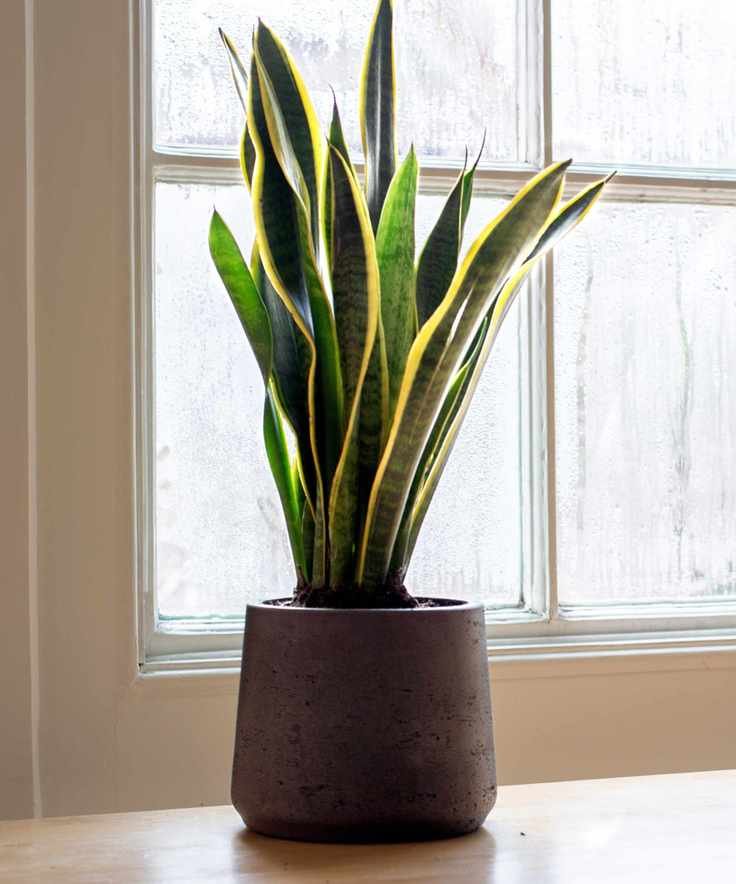
Reviving your snake plant depends on the underlying issue. As Brody notes, only water every two weeks, and ensure proper drainage with the right soil. “Choose a pot with at least two to three drainage holes for excess water to escape,” suggests Emily Jones, founder of Tomato Mentor.
Additionally, maintain a suitable temperature range of 60-90˚F (15-32˚C) and avoid placing the plant in direct sunlight.
Can Yellow Snake Plant Leaves Recover Their Green Color?
Unfortunately, once a leaf turns yellow, it cannot revert to green.
“Chlorophyll gives leaves their green hue. When a leaf loses chlorophyll, the plant discards it and absorbs leftover nutrients,” Emily explains. However, you can still nurse the remaining healthy parts of your plant back to vibrant health by following the care tips outlined above.



