
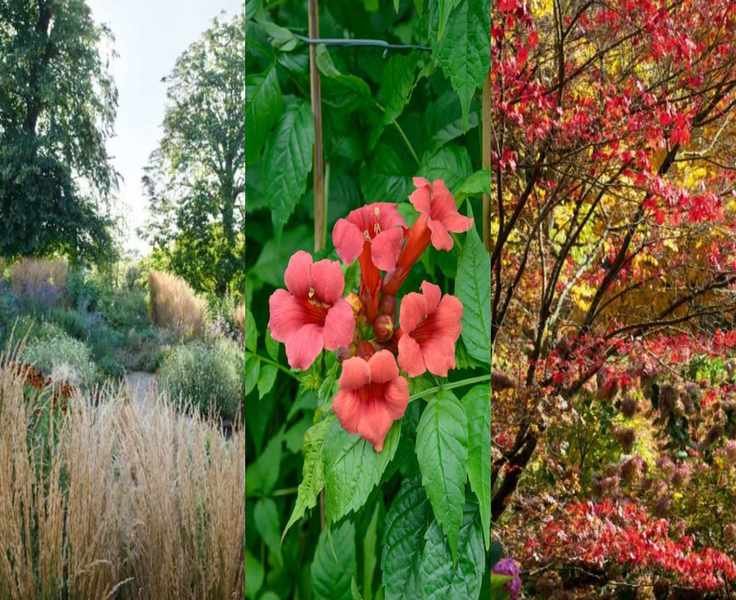
Planning your fall garden is key to maintaining a colorful landscape through the end of the year. If your yard shines in spring and summer, it can continue to dazzle in the fall with the right choices.
Many trees, shrubs, and plants showcase stunning autumn hues. From the finest fall trees, like striking Japanese maples flaunting vibrant reds, oranges, and purples, to fall flowers such as bold dahlias and elegant ornamental grasses, there are late-season gems for every part of your garden.
Don't forget fall planter ideas and hanging basket plants. Swap out fading late summer blooms for sculptural evergreens like box, bay, and laurel, along with berry-laden varieties such as snowberry, skimmia, hypericum, and callicarpa with its striking purple fruit. Add fall flowering bulbs like cyclamen, colchicum, and nerines to create vibrant splashes of color. Many climbing plants, too, offer a dazzling display of foliage, fruit, and flowers during the season.
This guide outlines when to plant a fall garden for optimal results.
Timing for a Fall Garden
As days shorten and temperatures drop, your garden can remain inspiring. Understanding when to plant is crucial for selecting the right plants to achieve spectacular fall color.
Adding Trees in Fall
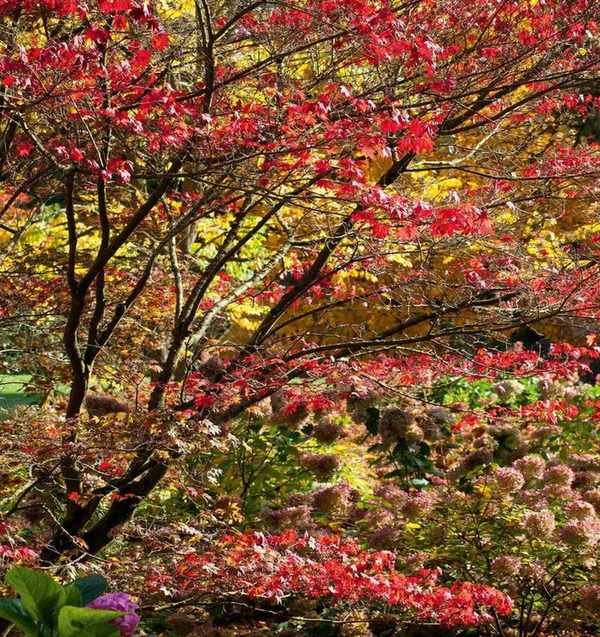
Incorporating trees into your garden adds height, color, and texture, particularly in autumn. Choose native or ornamental trees for their vibrant leaves, textured bark, or ripe fruit, or opt for evergreens that provide structure as other plants fade.
When selecting a tree, it's vital to consider what thrives in your climate and environment. Emily Olson, a Senior Manager at American Forests, advises planting native species, as they adapt better to local conditions and provide essential habitats for wildlife. Tools like the Audubon Native Plant Database can help identify suitable tree species.
When to plant trees is often debated. Depending on your hardiness zone, the best times are generally spring or fall. While spring planting promotes root growth, fall allows roots to establish in warm, moist soil before winter. Ultimately, your local climate and care level will dictate the best timing.
For container trees, as long as temperatures remain above freezing and soil isn't soggy, they'll thrive. Research your chosen variety's needs for compost, positioning, and drainage to ensure proper growth.
Shrubs for Fall Planting
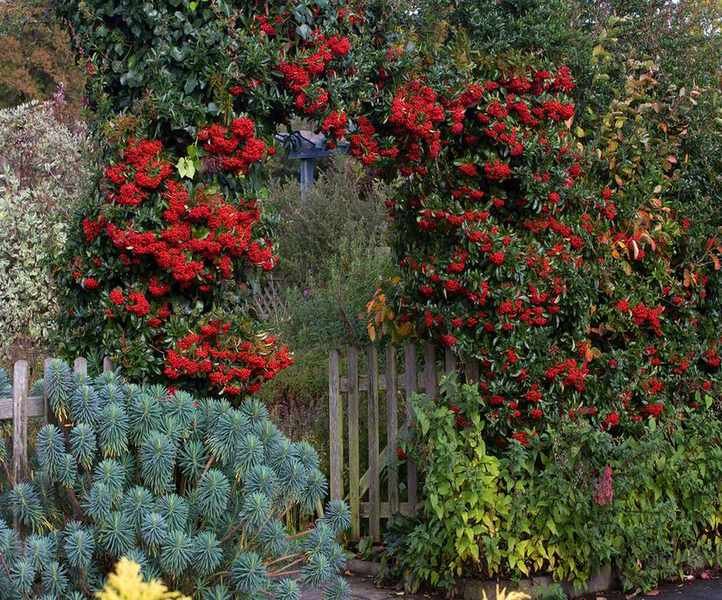
Shrubs enhance your garden's diversity, particularly in fall. Varieties like osmanthus, with fragrant white blooms in October, and euonymus, showcasing fiery foliage, add depth to borders. Pyracantha, with its bright berries, also attracts pollinators.
Knowing when to plant shrubs varies by climate. Stefan German from Direct Native Plants suggests that while planting can occur year-round, the dormant season—late fall through early spring—is best. Planting in fall allows shrubs to strengthen their root systems over winter.
Annuals for Fall Color
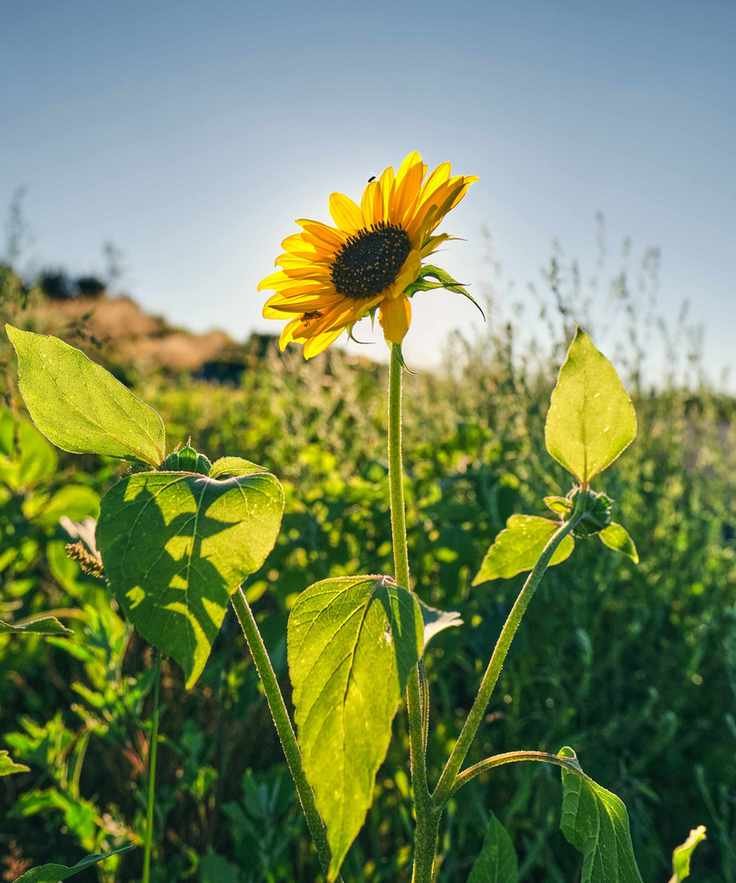
Annuals bring brilliant color and cheer to any garden. Perfect for filling gaps left by fading perennials, they are affordable and ideal for pots, window boxes, and hanging baskets.
Garden designer Rebecca Smith advocates for sunflowers and recommends varieties like Claret and Ruby Sunset. Cheerful pansies, violas, striking crotons, and colorful flowering kales are also excellent choices.
You can grow annuals from seed started in spring or purchase them for immediate planting in summer and fall.
Perennials for Fall Planting
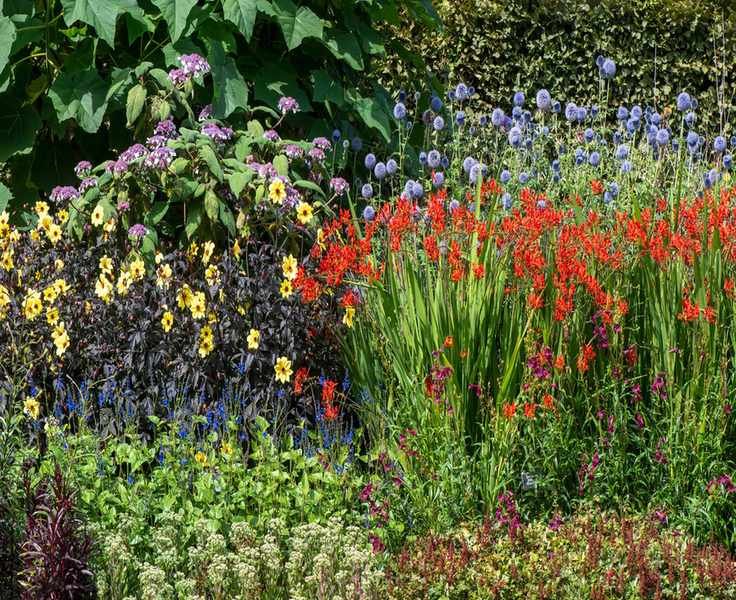
Perennials, which bloom year after year, are the backbone of any garden. Many varieties thrive in fall. Tom Brown, Head Gardener at West Dean Gardens, suggests looking for standout performers in the daisy family for vibrant fall color.
Rudbeckia 'Goldsturm' is a reliable choice, while Tithonia 'Torch' adds a vibrant touch to borders. Consider heleniums, solidagos, and crocosmias for fiery fall accents.
While perennials can be planted in warmer months, spring and fall offer more favorable conditions. They require regular watering while establishing but need minimal care in the long run.
Ornamental Grasses in Fall
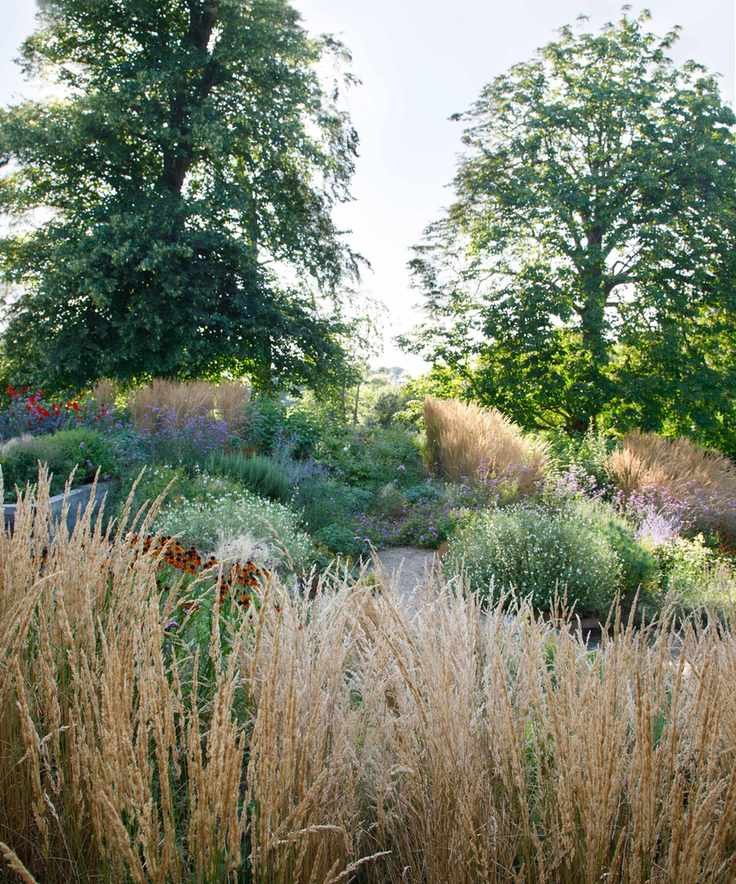
Ornamental grasses, though often underappreciated, can enhance a fall garden with their unique textures and soothing movement. They thrive in sunny, well-drained spots, exhibiting soft purples, parchment tones, and deep russets.
Åsa Gregers-Warg, Head Gardener at Beth Chatto, recommends planting varieties like Stipa pseudoichu and Calamagrostis x acutiflora 'Karl Foerster' alongside late bloomers like hylotelephium and asters for autumn interest.
According to plant experts from the RHS, fall is an excellent time to plant grasses. They thrive in cooler climates, starting growth in late winter and blooming before mid-summer.
Climbers for Fall Display
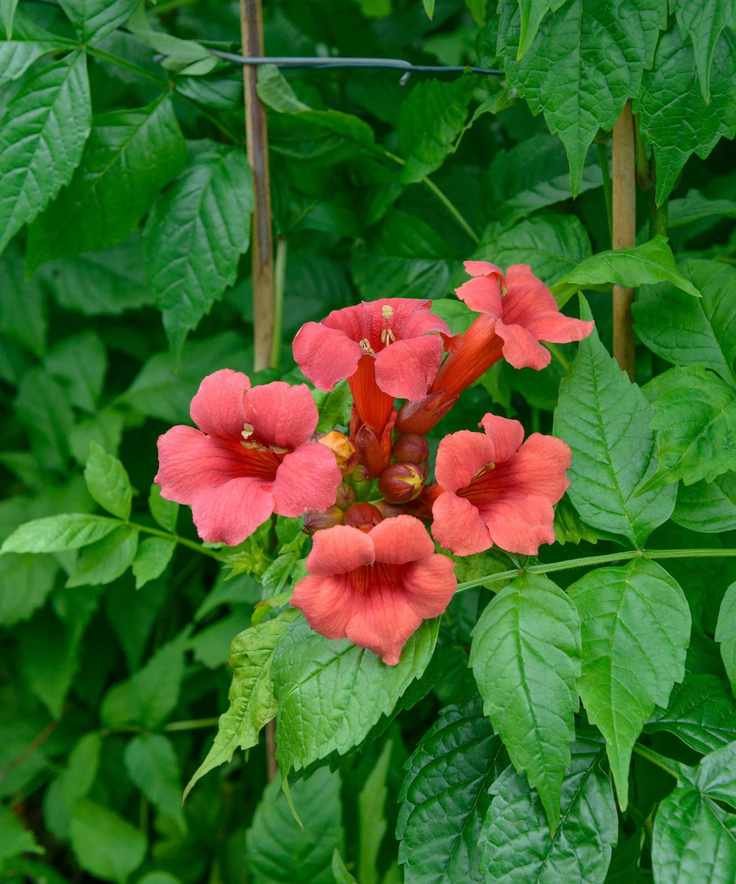
Climbing plants are perfect for adding height to walls, obelisks, and structures, offering lovely fall displays with rich foliage, blooms, and fruits.
Chris Cocks from Taylors Clematis recommends Clematis species, which bloom from July to October, providing beautiful trumpet-shaped flowers. Easy to grow in sun or partial shade, varieties like Princess Diana and Princess Kate are popular choices.
Fast-growing options like Golden hop and the vibrant Trumpet vine are also excellent, as is Boston ivy with its self-clinging crimson leaves. Plant climbers in the growing season, avoiding extreme heat and drought.
Hedging in Fall
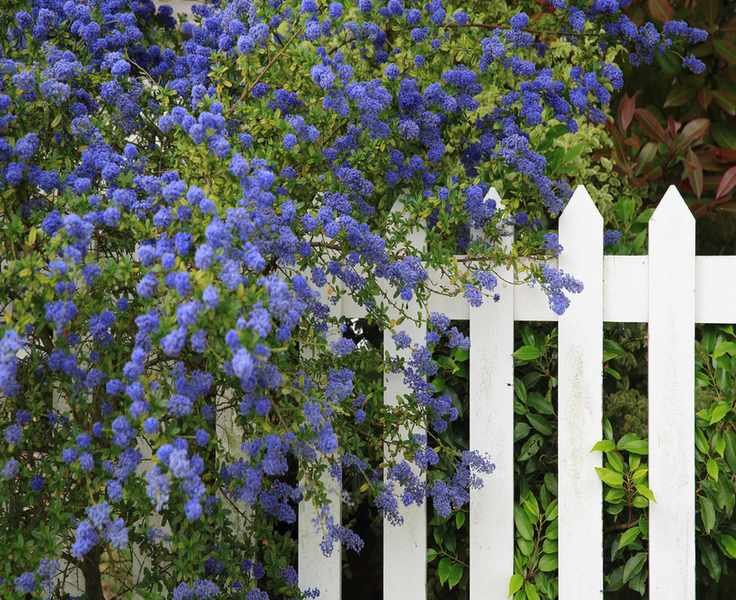
Choosing the right time to plant hedges is as critical as the species selected. Most hedges thrive when planted dormant, from fall through spring, as long as the ground isn't frozen. Water them well, especially during the first couple of years.
For vibrant fall color, consider species like Californian lilac, purple and green beech, dogwoods, and euonymus, known for its striking burgundy foliage.
Hedges not only provide privacy and noise reduction but also create habitats for birds and wildlife, supporting biodiversity. A mixed-species hedge enhances your garden's appeal.
Incorporate both fast-growing and native species, and encourage climbing plants like dog roses and clematis for added seasonal interest.
Evergreen Shrubs and Trees
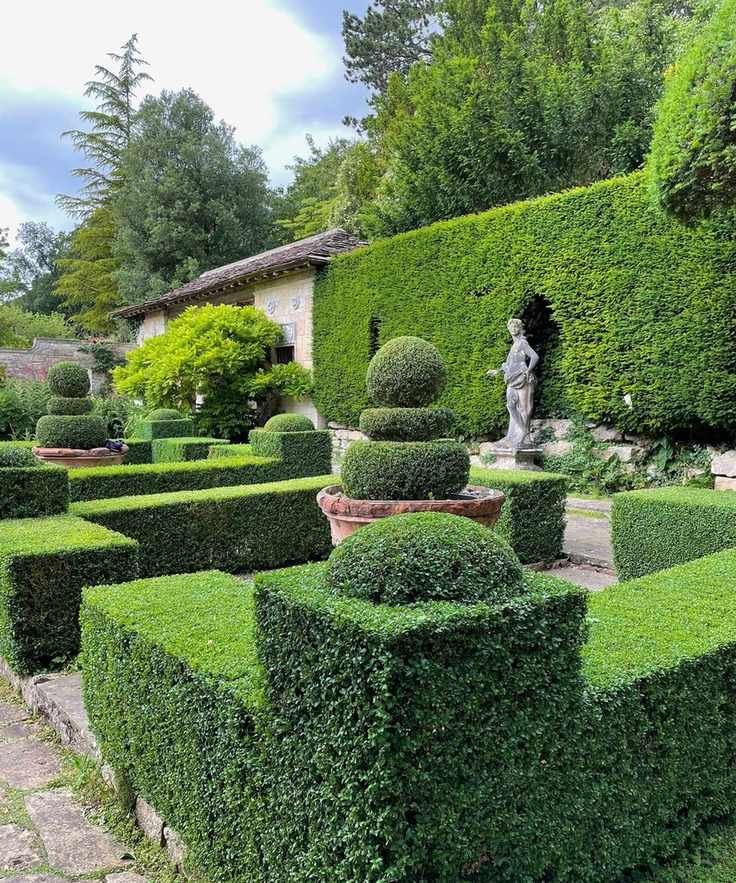
While not the first choice for fall gardens, evergreen shrubs and trees provide essential structure and visibility for other seasonal plants.
These plants fill gaps and obscure less appealing views, serving as a backbone for your garden. They create a consistent framework during seasonal transitions, ideal for topiary and providing year-round structure.
Rainer Schubert, Managing Director at Burgon & Ball, notes that native evergreens like yew, box, and privet are classic choices. Avoid planting during drought, floods, or extreme cold.
Fall Flowering Bulbs
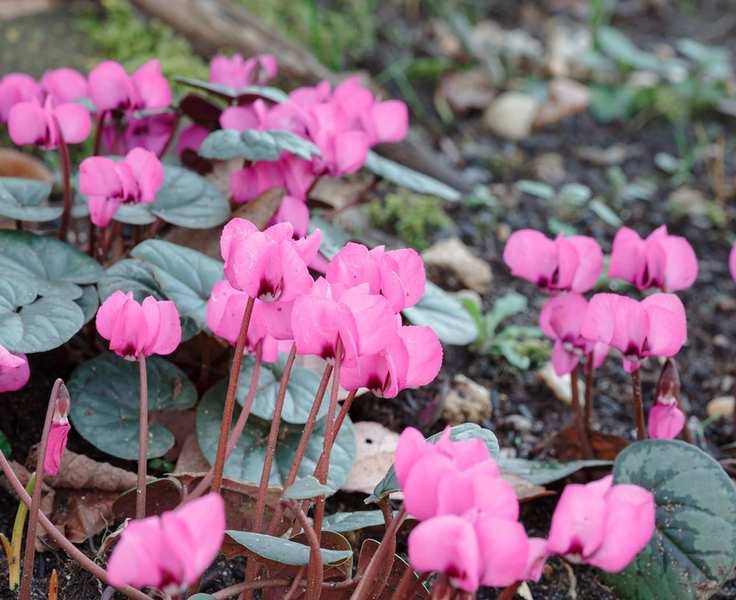
Planting bulbs in fall can yield spring color, but fall planting also offers spectacular autumn blooms.
Fall flowering bulbs like cyclamen, nerines, and colchicums can transform borders and containers with stunning color. Planting in clumps creates a striking visual impact, and if happy in their spot, they'll multiply year after year.
Plan ahead for fall flowering varieties by planting in spring, either in the ground or in containers for a last-minute bloom.
Incorporating Elements in a Fall Garden
Don't forget that vibrant fruits and produce add beauty to your fall garden, too.
Colorful squash, gourds, and pumpkins brighten up vegetable patches and borders. Meanwhile, apples, pears, plums, and damsons hang like jewels, complementing the last of the vibrant tomatoes, corn, and beets.
Impactful Plants for Fall
Chrysanthemums, sedums, and crocosmia provide bold colors, while late-blooming daisies like asters, helenium, and rudbeckia are highlights of the season.
Not all fall favorites have showy flowers; grasses add elegance with their golden plumes, and Echinacea's dark seed heads stand out through frost.
When to Stop Planting Fall Vegetables
Successfully planting late crops depends on your location and the timing of the first frosts. Check your USDA hardiness zone for guidance on which plants can survive through winter.



