Every year, the arrival of spring bulbs, with their bright colors and soft petals, brings a wave of joy. These flowers aren't just for gardens; they can transform your home into a springtime haven.
While daffodils hold a special place in my heart, tulips are my top pick for spring blooms. I recently learned that they can be grown indoors, much like forcing hyacinths or paperwhites. It's a delightful way to embrace the season!

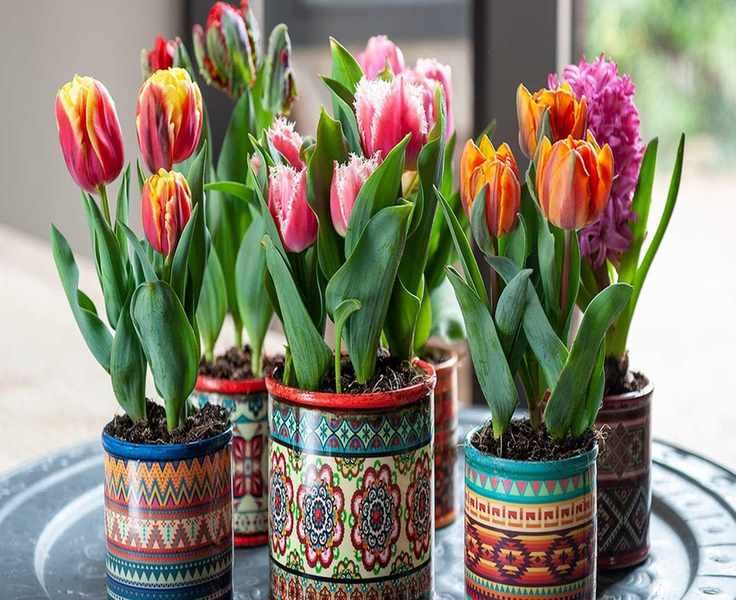
Indoor bulbs bring a cheerful vibe to any space
Forcing Tulips Indoors
Brighten your home this spring by forcing these stunning bulbs.

A minimalist yet graceful arrangement
Preparing Tulips for Indoor Planting
Some bulbs come ready for forcing, meaning they've been pre-chilled. However, you may need to prepare tulips yourself.
'Tulips need 14-16 weeks of chilling to grow and bloom properly,' says a horticulture expert.
To chill them, store the bulbs in a cool, dry, dark place. This could be a sheltered outdoor area where temperatures stay below 50°F during the day but won't freeze. Alternatively, use your refrigerator if you live in a warmer region.
Place them in a paper bag with vermiculite, sawdust, or kitty litter to absorb moisture. Keep them away from fruits and vegetables, which emit ethylene gases that can spoil the bulbs.
Once chilled, the bulbs can be planted.
You can also pre-plant the bulbs and then chill them. 'If you choose this method, check them weekly,' the expert advises. 'While regular watering isn't essential, the soil should remain slightly damp. A misting bottle works well to provide moisture without overdoing it.' If mold appears, it's generally okay, but avoid watering until the soil dries out.

Steps to Plant Tulips Indoors
Follow these expert steps to force tulip bulbs indoors:
- 'Choose firm, high-quality bulbs,' recommends a gardening specialist. Look for varieties like 'Apricot Beauty', 'Christmas Marvel', or 'Golden Apeldoorn', and steer clear of any that show damage.
- Complete the chilling process as outlined above. If pre-chilling in pots, follow the planting steps first.
- Select a container that's 6-12 inches wide and shallow. Use well-draining potting soil and fill the container to about 3-4 inches from the top.
- 'Position the bulbs with the pointed end facing up, covering them with soil while leaving the tips exposed,' continues the expert. You can fit several bulbs in each pot, but ensure they have about an inch of space around them.
- 'Water the bulbs after planting to settle the soil properly.'
- Once the bulbs are pre-chilled (or after chilling planted bulbs), place the pots in a location that maintains 55-65°F for 2-3 weeks. This acclimation helps prevent shock.
- After acclimating, transfer the potted bulbs to a sunny, warm area. They will require more frequent watering as they grow.

Caring for Indoor Tulips
'As the shoots grow, water them every 2-3 days, keeping the soil consistently moist,' suggests a horticulture professional. 'Adding a diluted balanced fertilizer can also encourage blooming.'
Keep tulips away from central heating and cold drafts.
It's recommended to only force bulbs for one growing season. 'Bulbs planted outside their natural conditions use a lot of energy and should be discarded after one year.'
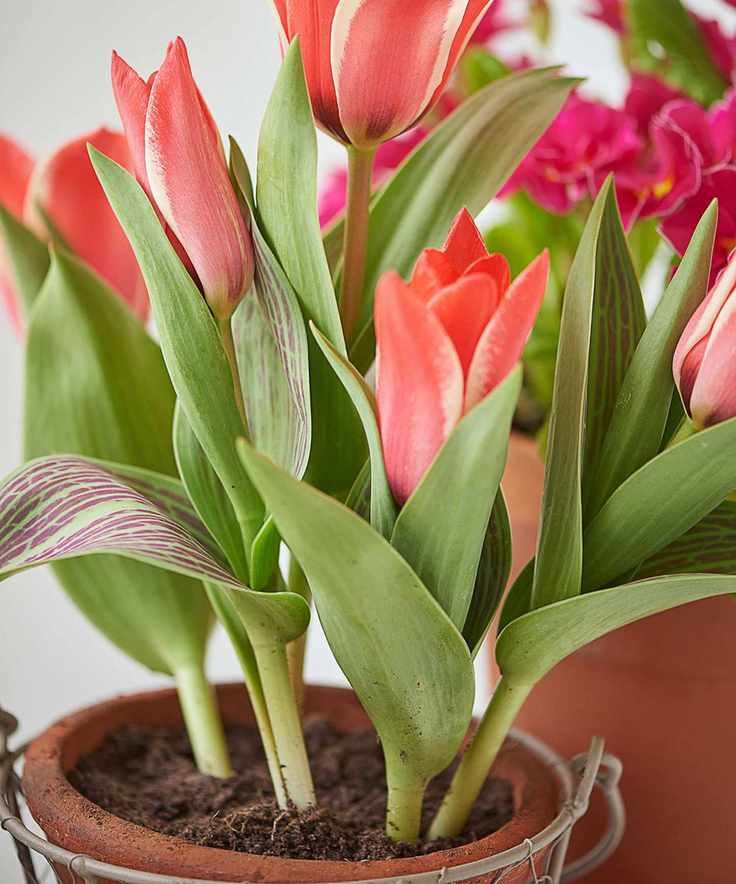
Regular watering supports healthy growth, but avoid soggy soil
FAQs
When will indoor tulips bloom?
Once the tulips are moved to a bright, warm area, they should bloom within about a month.
'The chilling period is critical, so plan accordingly,' says the gardening expert.
Can tulip bulbs grow without soil?
Forcing vases are available that allow you to watch roots develop. This method can also be used for tulips.
Follow the same steps as planting in soil: chill, keep cool for a few weeks, then move to a brighter, warmer location. Ensure the bulbs only touch the water with their roots.
While waiting for spring, there are many ways to brighten your home with blooms. By timing it right, you can plant amaryllis for Christmas, or consider adding indoor cyclamen and Christmas cactuses for a beautiful winter display.