
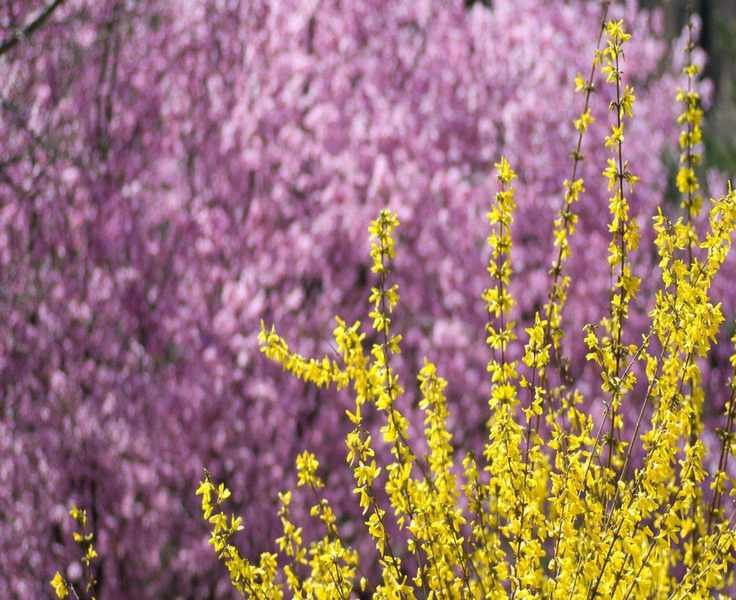
Forsythia is a deciduous shrub celebrated for its vibrant yellow flowers that bloom in late winter and early spring. This hardy plant belongs to the olive family, Oleaceae, and hails from East Asia.
This adaptable shrub thrives in various soil types and climates, making it a favorite among gardeners everywhere.
Known for its rapid growth, forsythia can add 2-4 feet annually, as stated by Fern Berg, a gardening expert. While some pruning is necessary, its vigorous growth allows forsythia to serve beautifully as a hedge, especially in compact spaces where you want a burst of floral cheer.
Fern notes that forsythia will shower your yard with brilliant yellow blossoms, ushering in spring and delighting both gardeners and early-season pollinators.
Planting forsythia at the front of your home can create a welcoming display for both wildlife and visitors as the growing season begins.
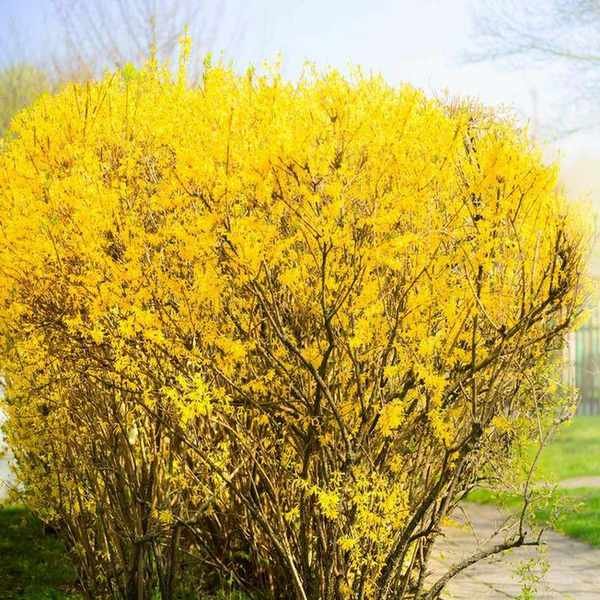
Growing Forsythia
Forsythia is a flexible shrub that can serve as a focal point, hedge, or border plant in your garden.
Considerations for Growing Forsythia
This shrub is notably hardy, flourishing in US hardiness zones 5-8, with some varieties even enduring zones 3-4, according to Fern. However, certain types may struggle with extended cold, so choose wisely based on your locale.
While forsythia does have a subtle fragrance, it may not be as pronounced as that of other winter and spring bloomers like daphne or viburnum. Still, the arching branches adorned with golden flowers more than make up for it.
Once established, forsythia requires minimal care apart from annual pruning to maintain its shape. Be mindful of placement, as some varieties can grow as tall as 8-10 feet, making them suitable for the back of borders or as part of a hedge.
Forsythia thrives in full sun, so selecting a sunny spot is crucial for abundant blooms. While it can tolerate partial shade, insufficient sunlight may lead to leggy growth, as the plant stretches for light.
When choosing a forsythia variety, consider where you want to plant. Smaller types, like Forsythia 'Spring Baby', reach just 2-3 feet tall, while larger options like Forsythia 'Lynwood Gold' can grow to 8-10 feet. Always select the most suitable variety for your garden's conditions.
Spring Planting Combinations
The blossoms of your forsythia will typically linger on the stems for about two weeks before fading. Pairing it with other early spring flowering shrubs can enhance your landscape and complement its bright yellow blooms.
For instance, the white flowers of a flowering cherry tree beautifully contrast with forsythia's golden hues. Many magnolia varieties, like Magnolia stellata 'Royal Star', also pair nicely, adding star-shaped blooms to the mix.
After forsythia blooms fade, the shrub develops lush green leaves that provide an attractive backdrop for your other plantings throughout summer.
Forsythia intermedia 'Lynwood Gold' is a stunning addition to landscapes. In early spring, this shrub bursts forth with brilliant yellow flowers that illuminate your garden for an extended period.
Best Practices for Growing Forsythia
- Soil: Forsythias are adaptable to most garden soils, but it's best to avoid overly wet areas. Aim for well-draining soil, as advised by Alex Kantor. You can plant them in early spring or mid-fall, depending on your hardiness zone. Adding organic mulch around the base can help retain moisture and suppress weeds.
- Light: This shrub favors sunny spots. Alex recommends selecting a location that receives full sunlight to maximize flowering potential.
- Water: After planting, ensure deep watering to establish roots. Forsythia has moderate water needs, so keep the soil moist but avoid waterlogging, especially in hotter climates.
- Fertilization: While forsythia aren't heavy feeders, applying a balanced slow-release fertilizer every two to three months during the growing season can support healthy growth.
- Pruning: It's ideal to prune forsythia after flowering. Wait for the yellow blooms to fade and the leaves to emerge. Pruning at this time encourages the development of next year's buds. Remember, forsythia blooms on old wood, so summer pruning can reduce future flowers.
- Container Growing: Container growing can be a great option for those with limited space. Ensure you place the container in a sunny location and keep the soil moist without overwatering.
Frequently Asked Questions
Can I plant forsythia in partial shade?
Yes, forsythia can tolerate some shade, but it thrives best with around six hours of sunlight daily. More sunlight leads to better blooms, while less may result in fewer flowers.
When should I prune forsythia?
Prune forsythia in spring, just after the flowers fade. Delaying beyond mid-spring risks removing the mature wood that produces blooms the next year. Annual pruning is crucial for maintaining a compact and vibrant shrub.
Forsythia is a fantastic shrub that lights up your garden each spring. Consider pairing it with other spring-flowering plants, like viburnum or magnolia, to enhance interest in your yard during this vibrant season.
For further details on forsythia care, reach out to info@savinghunt.com.



