
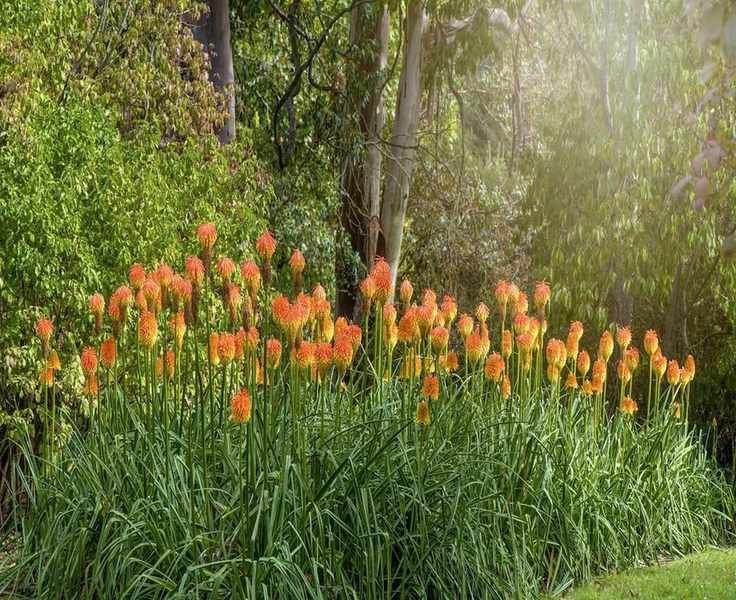
Red hot pokers, also known as Kniphofia, are striking perennials that blend beauty with ease of care. Their tough nature and stunning appearance make them a fantastic choice for any garden.
This plant hails from the eastern regions of South Africa and flourishes in sunny spots. With bright tubular flowers forming clusters atop tall spikes, red hot pokers add a pop of color, especially if you love shades of red, orange, or yellow.
If you're aiming to cultivate one of the finest perennials for a vivid garden, understanding how to grow red hot poker plants is essential. Here's what you need to know to achieve success.
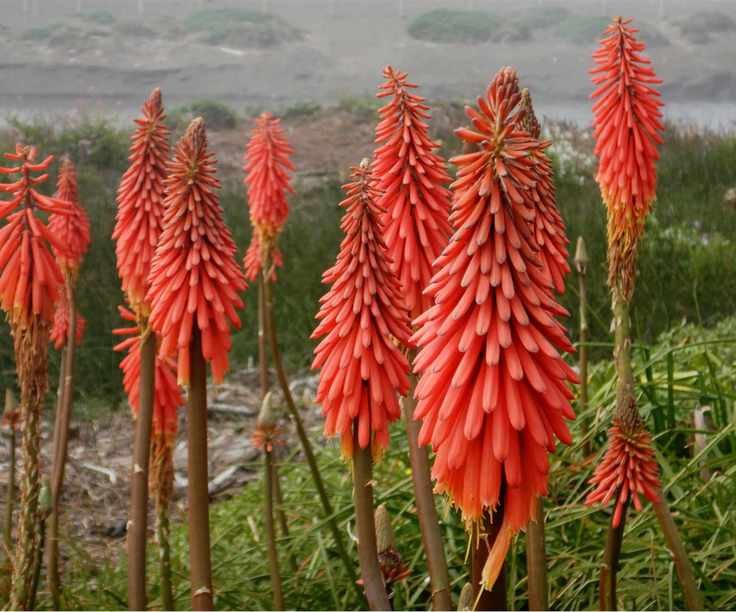
Growing Red Hot Poker
Red hot pokers rank among the top tall perennials, delivering vivid vertical elements to your borders. With over 70 species and various hybrids available, you're sure to find the right match for your garden's style.
Growing Conditions for Red Hot Poker Plants
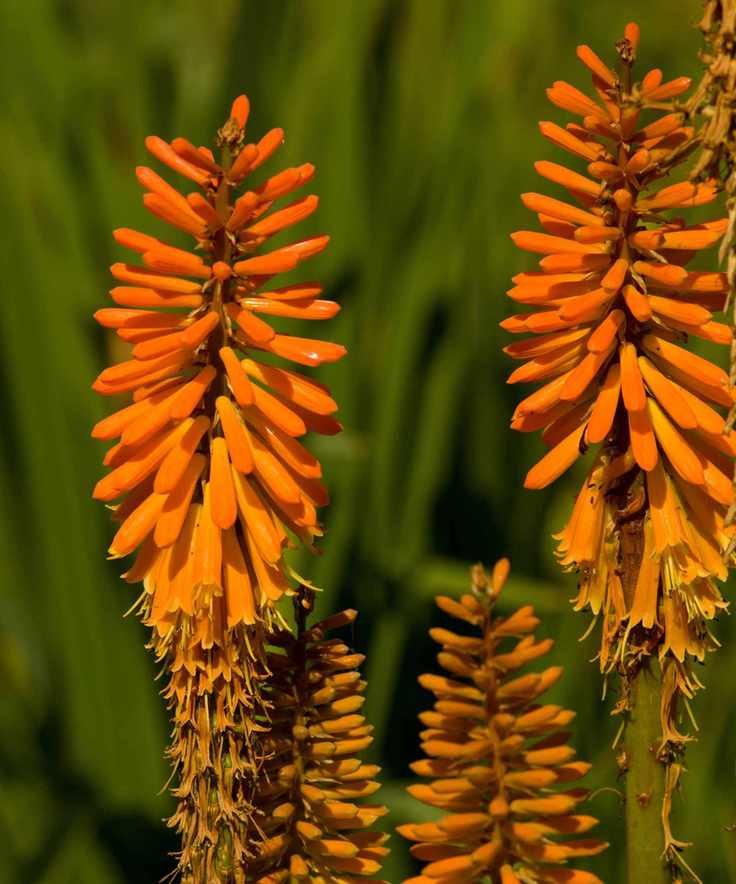
According to plant expert Tabar Gifford, 'Red hot pokers thrive in US hardiness zones 5 to 9.' These plants prefer sunny environments with well-drained soil. They're more drought-resistant than tolerant of waterlogged conditions, so it's wise to avoid planting them in damp or clay-heavy areas.
'Their tubular flowers bloom in red, orange, yellow, or white, typically from summer to early fall,' Tabar notes. 'These perennials are fantastic for attracting hummingbirds, providing a constant nectar source that pollinators love.'
The best time to plant red hot pokers is in early spring, around April or May, allowing them time to establish before the summer heat. Enrich the planting area with potting soil or mulch for optimal growth.
When planting, gently loosen the roots and place the root ball at the same depth as in its pot. Firm the soil with your foot, then follow up with deep watering.
Order live Kniphofia plants from Amazon.

Tabar specializes in customer experience and partnerships, and is also a Master Gardener with a passion for plants and nature.
Care Tips for Red Hot Pokers
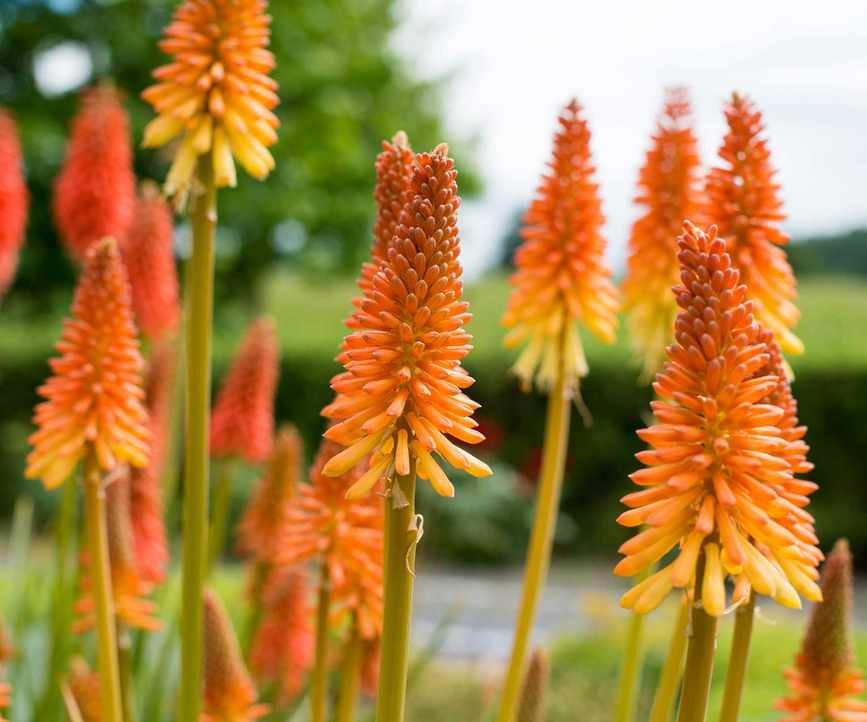
Soil: Red hot pokers thrive in extremely dry conditions and prefer free-draining soils lightly mixed with compost. While they can adapt to various soils, they're particularly vulnerable to waterlogged conditions.
Light: Plant these perennials in full sun, ideally receiving six or more hours of direct sunlight daily. They can handle some shade, especially in warmer areas like Florida or Texas, but maximize sun exposure in cooler northern regions.
Fertilizing: These plants flourish in sandy, nutrient-poor soils. Regular feeding isn't typically necessary; instead, annual mulching will maintain soil health and provide essential nutrients.
Pruning: You can prune red hot poker stems after flowering in the fall or wait until late winter, before new shoots emerge. Leaving stems through winter can add visual interest, but be cautious if cutting back in late winter to avoid harming new growth.
Winterizing: In colder areas, like US hardiness zone 5, protect the crown using cut stems or homemade mulch. Covering the crown helps prevent rot and ensures the plants return in spring.
Toxicity: Kniphofia spp. are typically non-toxic to pets and children.
These durable touchscreen gardening gloves are perfect for tough jobs, including planting red hot pokers in your yard.
This 'Orange Blaze' red hot poker variety produces stunning flowers that will attract pollinators.
Equipped with a long, sharp blade, this hori hori knife is ideal for planting small clumps of red hot poker.
Common Questions
Are red hot pokers invasive?
Red hot pokers can be vigorous and may spread quickly via rhizomes, making them invasive in some states, such as California and Oregon. For guidance on suitable plants in your area, consult your local government office.
Can I grow red hot pokers in a small yard?
Yes, you can grow red hot pokers in limited spaces, but be mindful of their vigorous growth. 'In smaller areas, consider growing red hot pokers in pots,' suggests Tabar. 'Use a deep, large pot with well-draining soil and place it in full sun to ensure healthy growth.'
Dwarf varieties, like Kniphofia pauciflora, with delicate red and yellow flowers, are excellent for smaller gardens or container growing.
Generally, red hot pokers are pest-resistant, but you may notice minor damage to the flowers from nectar-seeking bees. This is normal and poses no threat to the plants.
Consider pairing red hot pokers with cheerful blooms like yellow heleniums, pink canna lilies, or umber rudbeckias for a vibrant garden display. For more pairing ideas, check out our guide on harmonious perennials that will brighten your garden this year.


