

Verbena plants are a vibrant choice for any garden. Their colorful blooms flourish from spring until the first frost, making them perfect for flower beds and landscaped yards.
Originating from the Americas, verbena has been cultivated in diverse regions globally. Today, you'll find numerous species and varieties available, cherished by gardeners for their performance and ease of propagation from seed.
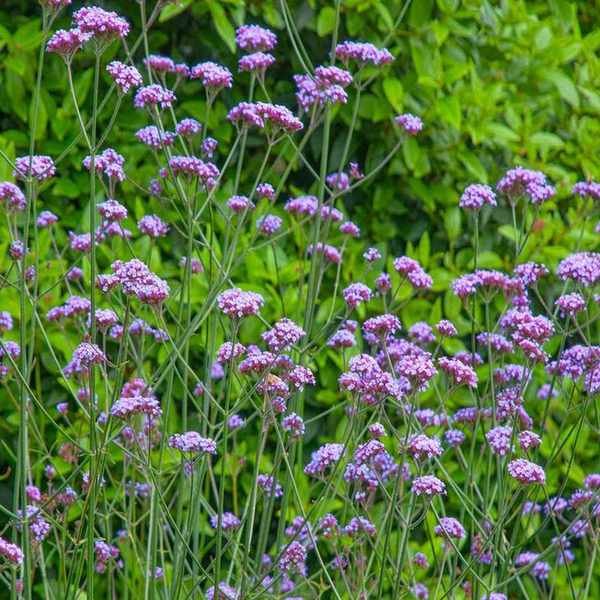
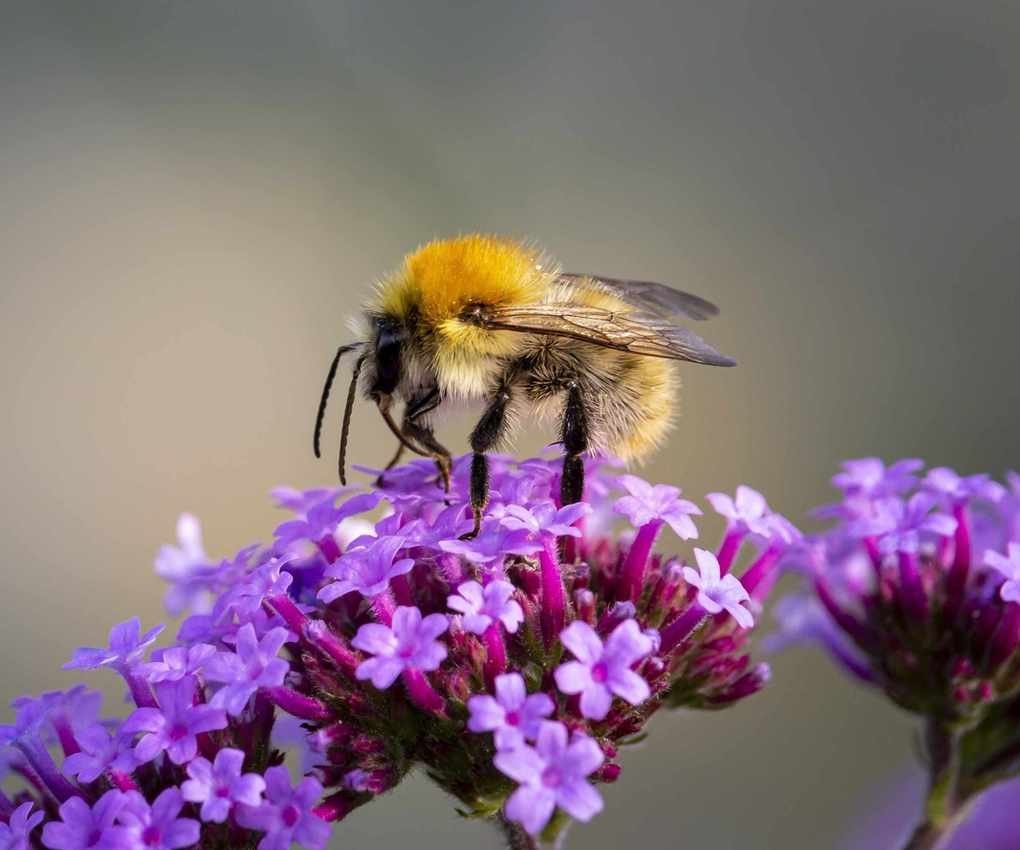
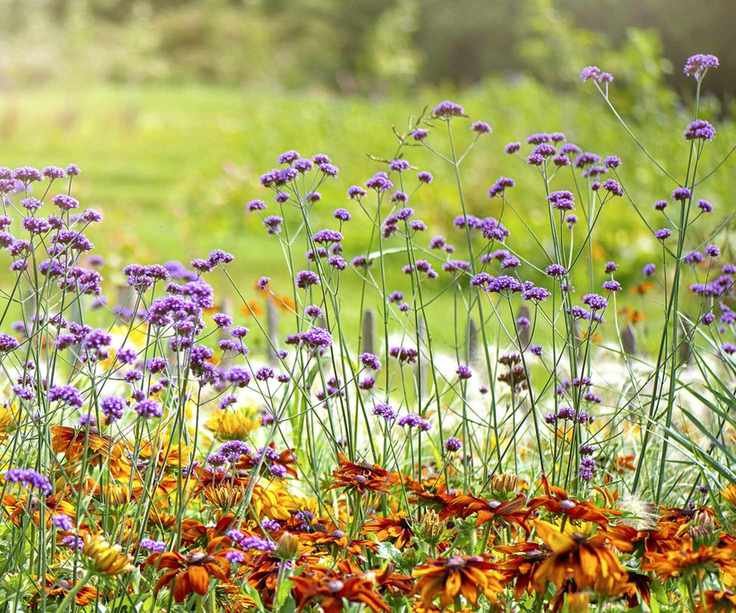
A notable species is Verbena bonariensis, featured in the images here. This tall, slender plant can reach heights of up to 6 feet, adorned with clusters of purple flowers that are rich in pollen, eventually producing seeds for birds in the autumn.
These plants thrive in full sun and prefer well-draining, moderately fertile soil. By adhering to a few straightforward guidelines, your verbena will reward you with a spectacular display of colorful blossoms that draw in birds, butterflies, and other pollinators, enriching your garden or backyard.
Steps for Growing Verbena
Verbena ranks among the best fast-growing flowers to cultivate in your yard. Most verbena types are simple to grow, and by following a few essential rules, this low-maintenance plant will offer blooms from spring through fall.
Recommended Verbena Species and Varieties
Most verbena species and varieties thrive in US hardiness zones 8-11. For regions outside this range, many gardeners treat verbena as an annual, knowing that the plant won't survive winter's chill. This decision will depend on your specific location and the variety you choose.
'There are over two hundred species of verbena,' states Ali McEnhill, a plant expert and owner of a nursery in the Hudson Valley.
'As a grower in New York, I'm fond of our native Verbena hastata, commonly known as blue vervain,' Ali shares. 'Its coarse foliage supports tall spikes of purple-blue flowers, which are favored by pollinators. This North American native flourishes in moist meadows, along streambanks, and in fields.'
'This resilient native perennial is exceptionally cold hardy, enduring temperatures down to -40°F,' Ali adds, thriving in colder climates like zone 5, where Ali gardens. This species is favored for its hardiness and is easily found in garden centers, such as this Blue Vervain from Nature Hills.
Verbena bonariensis, shown above, prefers US hardiness zones 7-10. 'The deep lilac flowers bloom on tall, wiry stems,' Ali notes, 'and it's a joy to see the purple blooms swaying in the breeze, often covered in pollinators.'
Choosing the right plant for the right location is essential. By following this straightforward guideline, your selections are much more likely to flourish. Your plants will thrive, and you'll enjoy the beauty of your flourishing garden.

Ali is a self-proclaimed plant enthusiast, gardener, and propagator, running a plant nursery on an old dairy farm in New York's picturesque Hudson Valley. Ali specializes in hardy perennials, trees, and shrubs that flourish in cold climates.
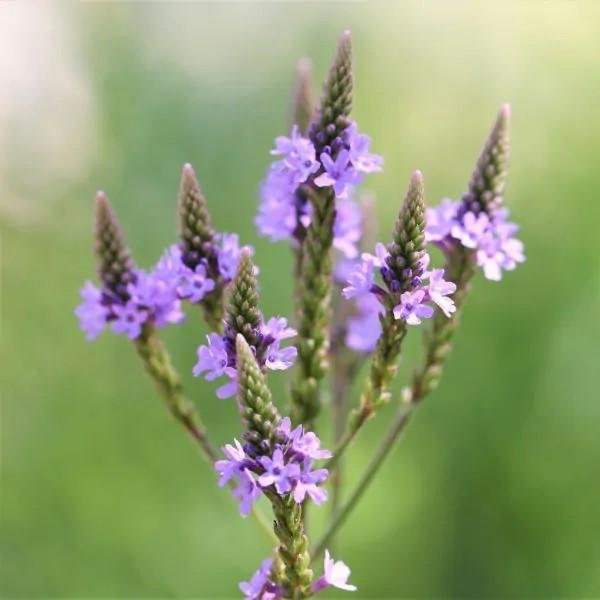
Verbena hastata, or blue vervain, is a beloved hardy perennial. These native biennials are excellent for adding a splash of blue or lavender to your garden, and pollinators love them.
Guidelines for Growing Verbena
- Soil: Verbena plants thrive best in 'well-drained soil,' advises Jason Reeves, horticulturist at the University of Tennessee Gardens, Jackson. For extra nutrients, consider incorporating organic matter when planting your verbena, using a product like this Organic Planting Mix from Nature Hills.
- Light: While this varies among different species, most verbenas are sun-loving, 'preferring six or more hours of sunlight daily,' Jason notes. Though verbena plants can manage in partial shade, flowering will be significantly reduced in such conditions.
- Watering: Most verbenas 'are drought tolerant once established in the ground,' explains Jason, especially those that are native. If grown in pots, they will require regular watering, particularly during hot summer months. It's advisable to monitor your plants to determine watering needs during their first year until they are well-established.
- Fertilizing: Generally, verbenas do not need fertilization and will derive what they require from the soil. Annual mulching can help enrich the soil. If you opt to use fertilizer to enhance plant health and flowering, an all-purpose feed applied monthly during the growing season will suffice.
- Care: Throughout the summer, verbenas can 'benefit from regular deadheading, especially if grown in containers,' Jason suggests. If planted in the ground, it's better to let this native plant grow naturally. In fall, the spent flowers develop attractive seedheads, providing color and texture useful for cut and dried flower arrangements, as well as attracting wildlife.
- Additional notes: You can prune verbenas during the growing season to extend their flowering period. It's advisable to trim them back after the first blooming cycle, typically around mid-spring, reducing their size by about a third. Within a few weeks, you'll enjoy many verbena blooms again. This can be repeated later in the summer. Trim back to ground level once a year in early spring, just before new growth begins. This practice helps protect the plant, especially in colder regions prone to snow during winter.
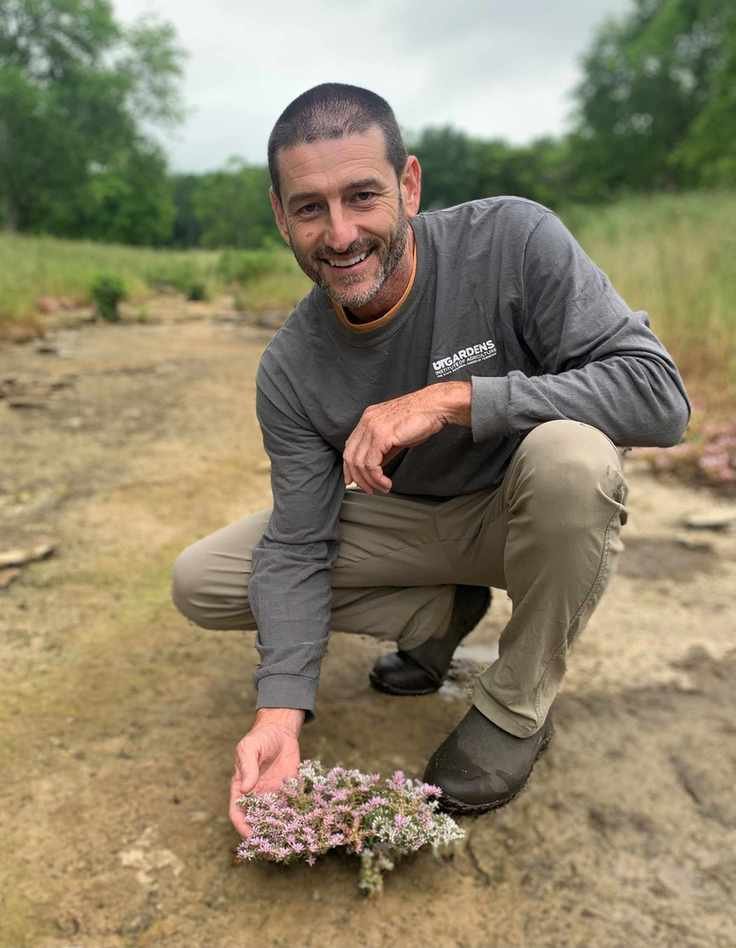
Jason Reeves is a horticulturist at the University of Tennessee Gardens, Jackson. The mission of the UT Gardens is to foster an appreciation for plants through horticultural displays, educational programs, and research.
Frequently Asked Questions
When is the Best Time to Plant Verbena?
Verbena can be planted outdoors in your garden once the risk of frost has passed, generally in mid-spring. If you want to try propagating, verbena seeds can be sown indoors starting in February, then moved outdoors to a cold frame in mid-spring before transplanting into the garden a few weeks later, ensuring protection from cold and windy conditions.
Incorporating native plants like verbena into your yard will enhance the appeal and interest of your flower beds. Consider also planting native grasses to complement your flowering plants throughout spring and summer.


