

If your jade plant is drooping, it's signaling distress. Ignoring this can lead to serious issues for your plant.
To resolve the problem, it's essential to understand jade plant care basics. Making appropriate care adjustments can help revive your succulent swiftly. Below are common reasons for drooping and expert advice on how to address them.
1. Underwatering
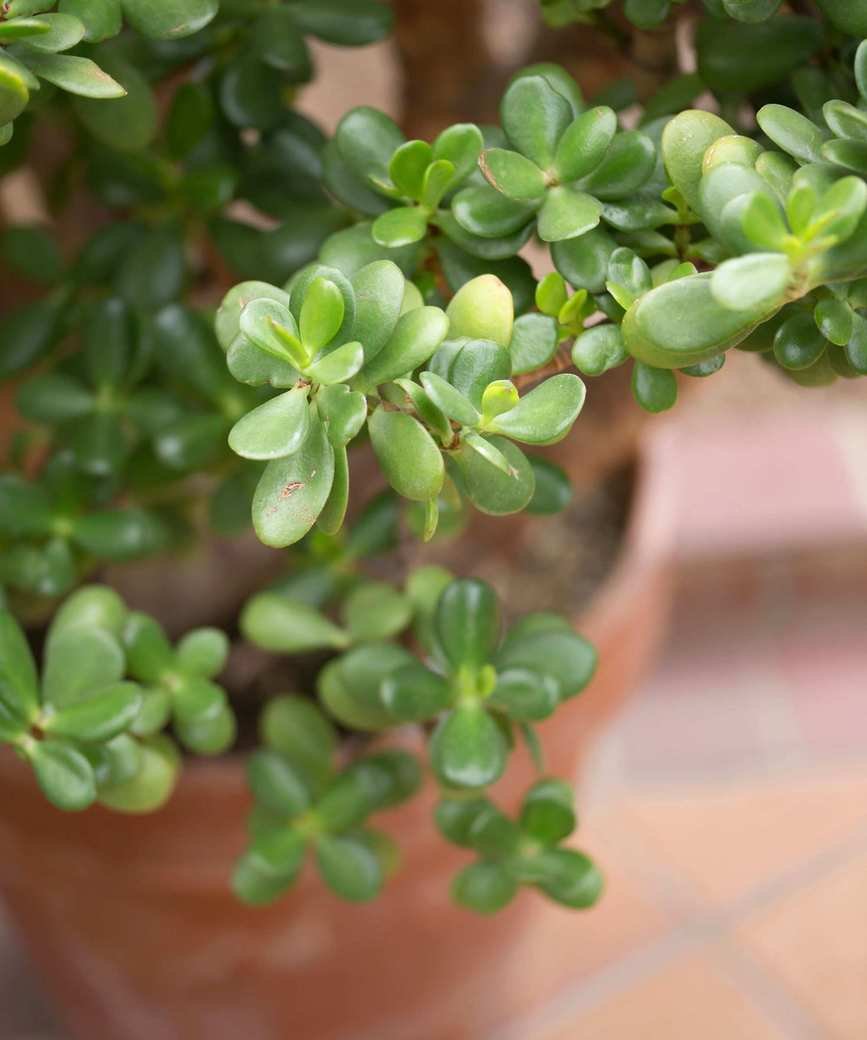
According to a horticulturist, drooping in jade plants often indicates a water issue. When roots can't access enough moisture, it leads to wilting. Jade plants, being succulents, store water in their thick leaves and stems. If you see soft or wrinkled leaves, it's typically a sign of inadequate moisture.
To remedy shriveled leaves, adjust your watering schedule until they regain their firmness. Check the soil moisture by inserting your finger about an inch deep; if it feels dry, it's time to water. However, be cautious, as overwatering can lead to root rot. It's important to water correctly: deeply but less often, ensuring the soil dries out between waterings. Generally, a biweekly watering schedule works, with reduced frequency in winter.
2. Overwatering and Poor Drainage
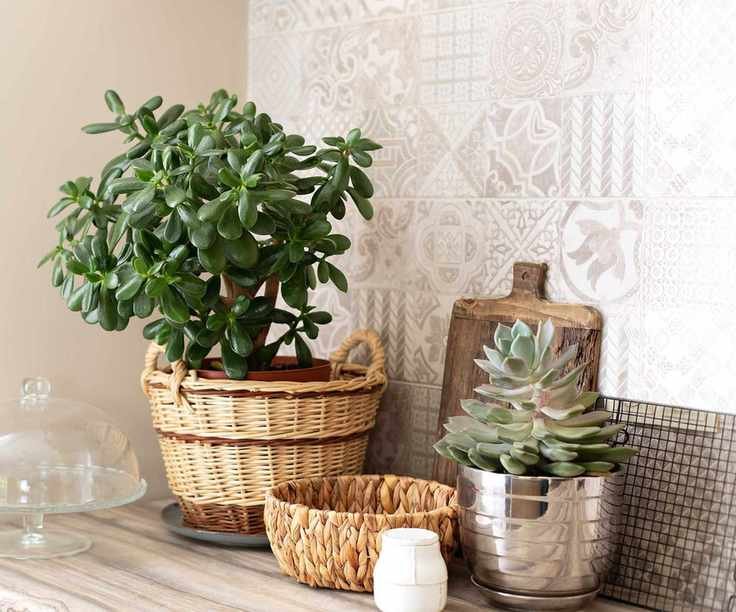
While drooping can suggest a lack of water, it can also be a result of overwatering. If jade plants receive too much water, their roots may suffocate from lack of oxygen, leading to root rot. This condition limits their ability to absorb moisture.
Watering every two to three weeks during the growing season is ideal, but only when the top inch of soil is dry. In winter, cut back to monthly watering. A weekly misting can help maintain moisture without saturating the roots.
To avoid overwatering, ensure your pot has adequate drainage. Watering from the bottom, by placing the pot in water, allows for gradual moisture absorption, minimizing soggy soil. Opt for a well-draining soil mix, like one designed for succulents, including sand and perlite.
3. Lack of Light

Jade plants thrive in bright light, as they are native to sunny regions. Insufficient light can lead to leggy growth and drooping as the plant stretches for sunlight. If your plant appears leggy, it's time to move it to a brighter area.
While jade plants tolerate direct sunlight, too much can scorch their leaves. Ideally, they need four to six hours of bright, indirect sunlight daily. A sunny windowsill with filtered light works well. Consider using window films to protect from intense rays while allowing sufficient light.
4. Nutrient Deficiency
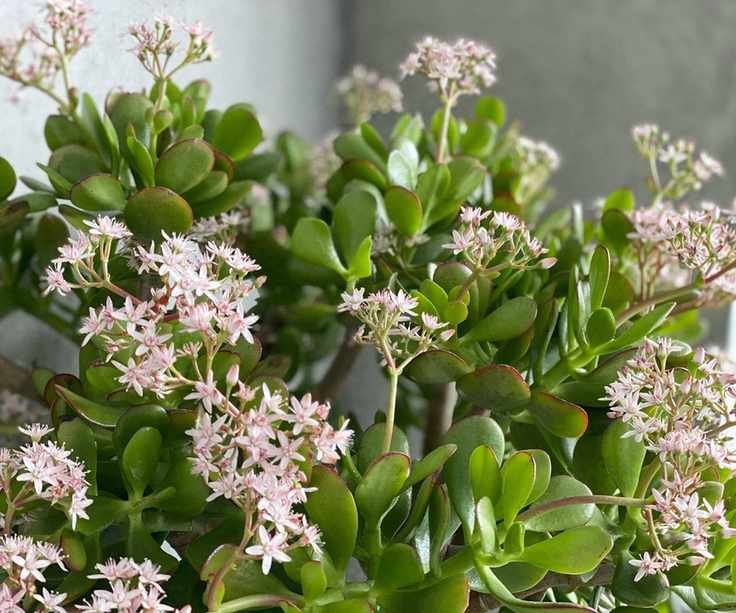
Though jade plants are generally low-maintenance, they can suffer from nutrient deficiencies, particularly nitrogen, potassium, or phosphorus. This can lead to poor growth and drooping leaves.
To prevent deficiencies, apply a diluted water-soluble fertilizer once a month during the growing season (spring and summer). This fertilizer has received positive reviews and can help boost your plant's health.
5. Overfertilization

Over-fertilizing can also lead to drooping. Excess fertilizer salts can hinder the roots from absorbing moisture, causing stress.
During winter, it's essential to reduce or cease fertilization, as jade plants need fewer nutrients while dormant. Proper timing and amounts of fertilizer will help avoid these issues.
6. Temperature Extremes
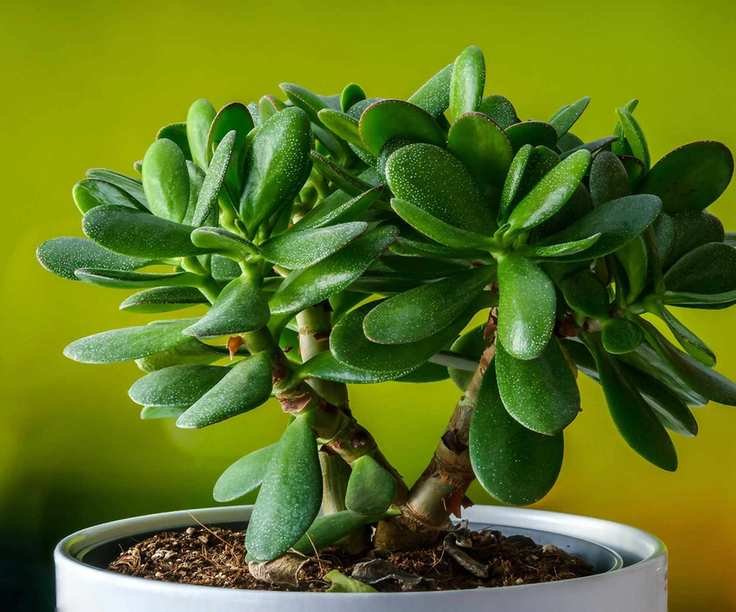
Extreme temperatures can cause jade plants to droop. They prefer a comfortable range of 65°F to 75°F. Prolonged exposure to temperatures below 50°F can result in cold stress, leading to wilting.
Conversely, temperatures above 80°F can cause rapid moisture loss, leading to droopy leaves. Ensure your plant is positioned away from cold drafts or heat sources. If needed, consider using a heat mat designed for plants during cold spells to maintain stable temperatures.
7. Root-Bound Stress
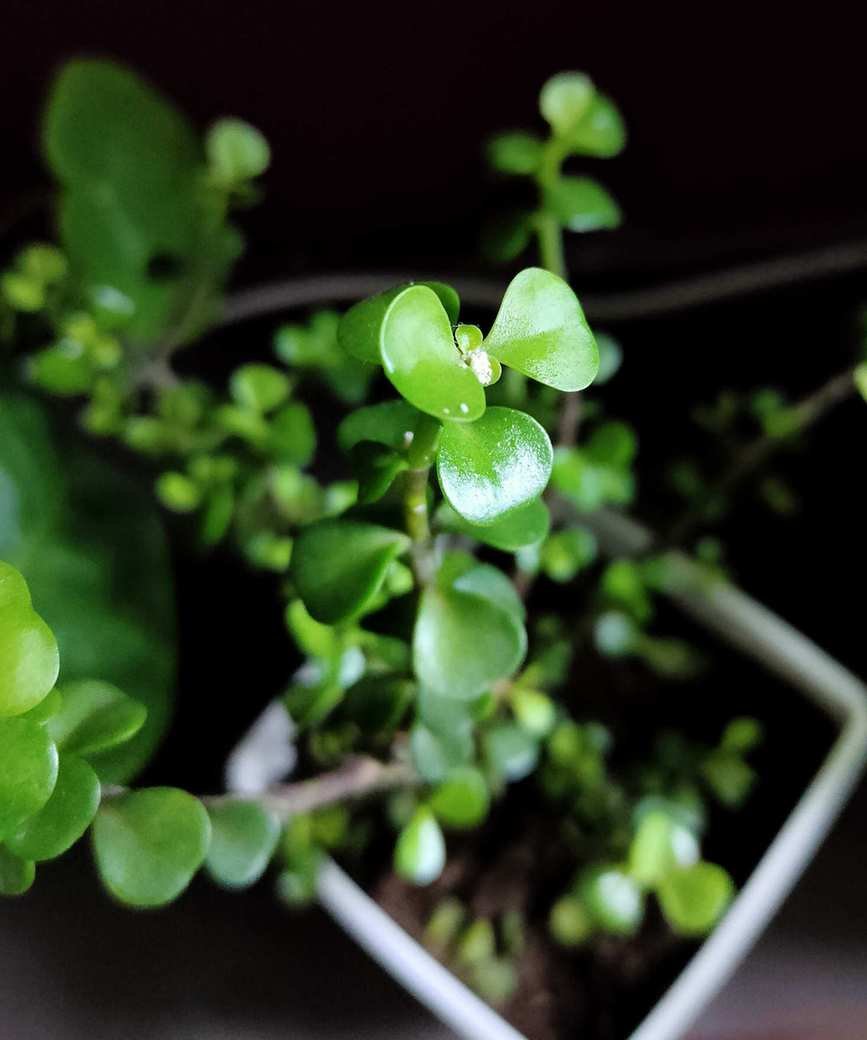
Jade plants can become root-bound if they've been in the same pot for years. This condition can lead to drooping as roots struggle for space. Repotting can temporarily cause drooping due to stress from the change.
Learning proper repotting techniques can help alleviate this stress. Although some drooping may occur during the transition, following the right methods will promote healthy growth.
If you notice pests on your jade plant, they could also contribute to drooping and decline. Common pests include aphids, mealy bugs, spider mites, and scale bugs. Using neem oil can effectively manage these infestations without harming your plant.



