

Muscadine grapes are a unique North American variety that has been grown for generations. These vines flourish in warm, humid environments, producing fruits in various delightful shades, including light bronze, dark purple, and black.
It's no surprise that muscadine vines prefer a sunny, hot location to thrive and yield their sweet and tangy fruits. While growing grape vines can be quite rewarding, they need regular pruning and training each season to maintain their health and ensure a bountiful harvest.
During my time as a kitchen gardener, I cared for several grape vines that thrived indoors in a greenhouse due to the cooler climate in northern England. Trained to climb the structure, these vines consistently provided a generous harvest each year.

Muscadine grapes yield abundant crops once established.
What is the best way to grow muscadine grapes?
Muscadine grapes are native to the southern United States and are well-suited for warmer US hardiness zones. They struggle in colder northern gardens and perform optimally in zones 7-10. Let's explore how to grow muscadine grapes effectively with expert insights on planting and caring for these climbing plants.
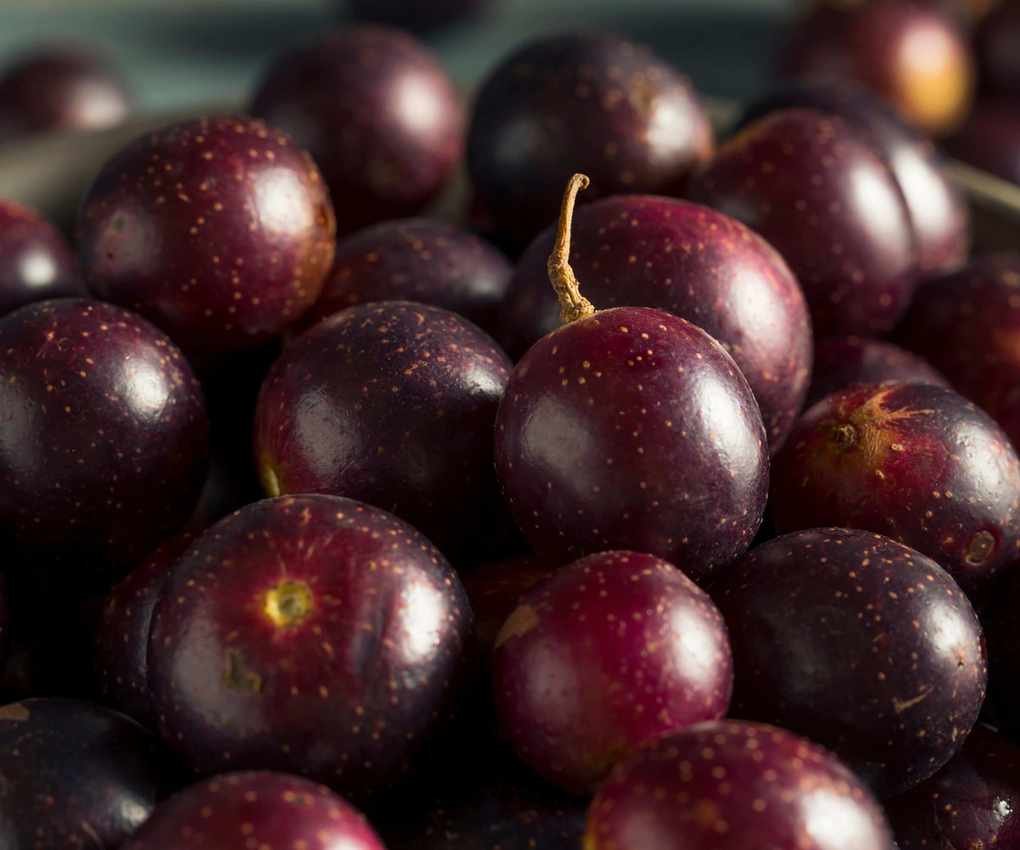
Many muscadine grape varieties turn dark when ripe.
Growing Muscadine Grape Vines
If you're considering adding muscadine grapes to your backyard, there are numerous varieties available—over 100, in fact! It's essential to do some research beforehand. Some are self-fertile and can pollinate themselves, making them suitable for smaller spaces, while others require another vine for cross-pollination. You can purchase muscadine grape plants from nurseries or retailers, or propagate them through cuttings, layering, or seeds.
Check out available muscadine grape vines at Fast Growing Trees
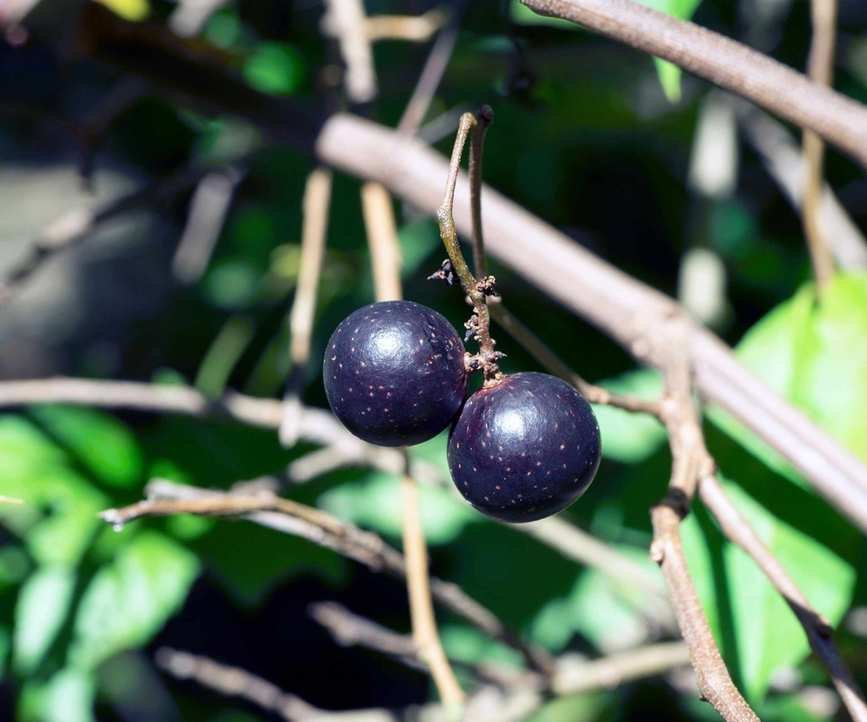
Ripe muscadine grapes can appear nearly black.
Planting Muscadine Grape Vines
Choosing the right planting location is crucial for successful grape vines and a fruitful harvest. Muscadine grapes can thrive outdoors in the warm climates of southern hardiness zones, although they are also excellent candidates for greenhouses. These vines require warmth and do not tolerate cold conditions; they dislike temperatures below 5°F.
Lindsey Chastain, the founder of the gardening blog The Waddle and Cluck, emphasizes that muscadine grapes need 'full sun exposure.' She recommends at least 6-8 hours of direct sunlight each day. While dappled shade is acceptable, too much shade will hinder fruit production.
Excessive shade not only decreases fruit yield but also leads the vines to aggressively seek more light, potentially overtaking other plants in the process.
Lindsey further advises that muscadine grapes prefer sandy, well-drained soils. If your soil is heavy clay, amend it with compost or organic matter to enhance drainage. The ideal pH for growing these grapes is between 5.5 and 6.5.
The best time to plant muscadine grapes is once the risk of frost has passed. Typically, these plants are sold bare root and should be planted in late winter or early spring, whereas container-grown plants can be planted year-round but may require extra watering if planted in summer rather than spring.
Muscadine grape vines are climbing plants that can eventually reach heights of 40-60 feet and widths of 20 feet. They need support structures, often a trellis attached to a wall or fence. It's best to have the support in place before planting the vine. Other options for supporting climbing plants include an arbor or pergola.
When planting, dig a large hole approximately one foot away from the intended support structure. Ensure the top of the roots is one to two inches below the soil surface, then pack soil around the roots firmly and water them well. Consider applying mulch around the plant using compost or leaf mulch to retain moisture and suppress weeds.

Lindsey began her gardening journey in 2005 when her first son was born, starting with a small window herb garden. Over time, she expanded to potted vegetables, and now she and her husband enjoy gardening on their homestead.
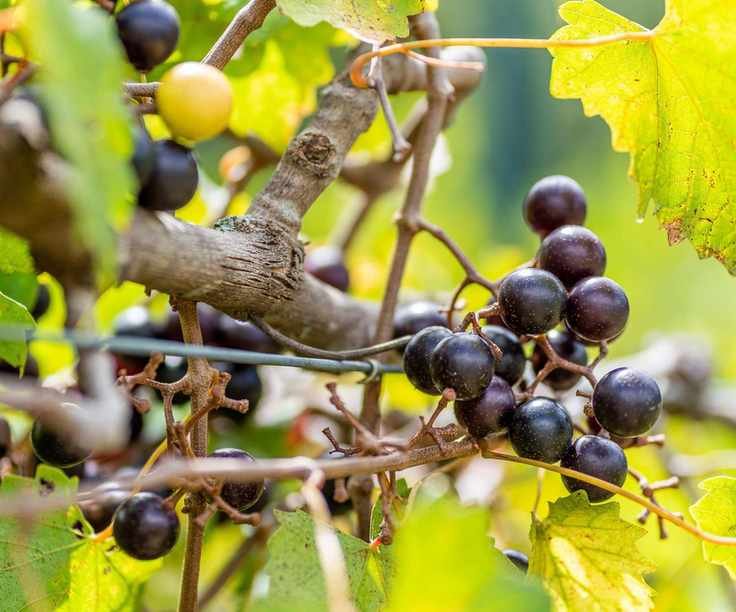
Muscadine grapes require training to grow on a trellis or structure.
Care Tips for Muscadine Vines
Proper pruning and training are essential tasks for maintaining muscadine grape vines. After planting, trim the vine back to one strong stem, training it to the trellis using twine or soft ties; avoid using wire as it can harm the vines.
Gardening expert Steve Bradley warns that untrained grape vines can quickly become a tangled mess, resulting in low fruit yield and vulnerability to pests and diseases. He emphasizes that consistent pruning and training keep the vine manageable and promote healthy fruit production.
Steve explains that grapes form fruit on new growth that appears in spring and summer, often reaching several meters in length. To achieve the best results, limit the number of fruit bunches to produce high-quality, large grapes. Training the main stems horizontally can encourage fruiting while controlling growth vigor.
Common training methods include growing vines as a cordon—attaching one or multiple main trunks to a framework, from which new fruiting shoots grow—or maintaining a single permanent stem with fruiting arms that are replaced each year.
When pruning grape vines, Ward Dilmore, founder of Petrus Landscaping, recommends pruning during the dormant season to remove dead or diseased wood and shape the vine. Retain only the strongest canes while removing weak, broken, or diseased wood.
Annual pruning ensures new fruiting wood develops. Cut the shoots back each winter, aiming for one side shoot every six inches along the main stem. Plan for one fruit bunch to grow on each shoot, trimming it back to two leaves past the cluster once it sets in summer.
Newly planted muscadine grapes require regular watering to establish, ideally once a week. Once the vines mature, they become drought-tolerant. Reduce watering during colder months and avoid waterlogged soil, as muscadine grapes dislike sitting in wet conditions. While additional fertilizer is not necessary at planting, applying a balanced fertilizer in late winter or early spring each subsequent year is beneficial.
Grapes may face pests like aphids and Japanese beetles, and outdoor vines might need protection from birds that damage the harvest. Fungal issues, such as downy mildew and powdery mildew, can affect the vines, which can be managed with fungicidal treatments, such as this Multi-Purpose Fungicide Concentrate available at Walmart.

Steve has authored or co-authored over 40 practical gardening books. He has served as a Gardening Correspondent for a national newspaper since 2002, responding to numerous reader inquiries each year. He also contributes a weekly column to Amateur Gardening magazine.
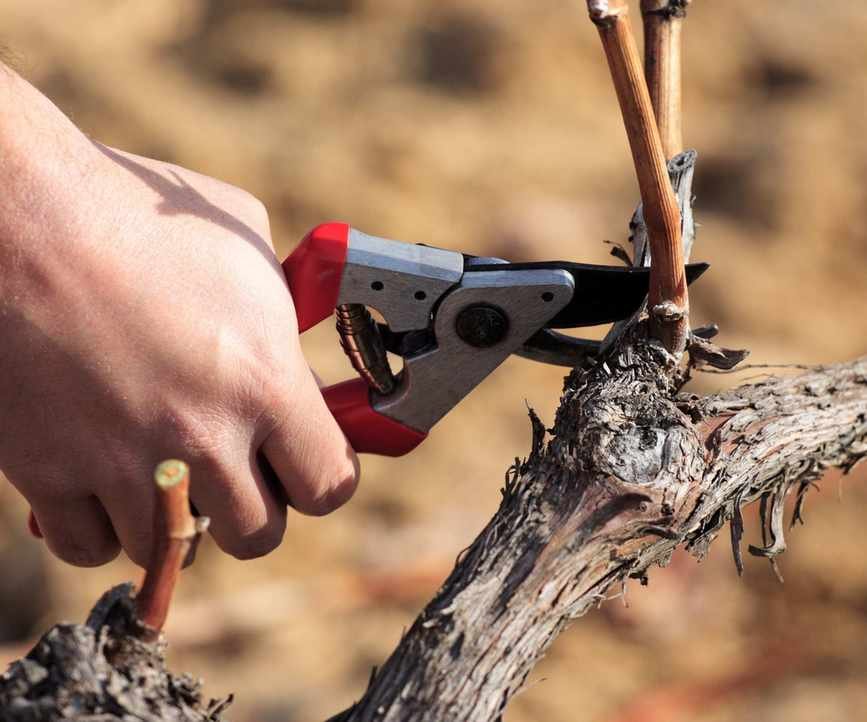
Annual pruning of muscadine grapes is crucial for their health.
Propagating Muscadines from Cuttings
Taking cuttings is an effective way to propagate muscadine grape plants. This method involves using softwood cuttings, ideally taken during the summer growing season. Always use clean, sharp pruning shears for cuttings to avoid risking rot or disease from dirty tools.
Take a cutting approximately six inches long, removing leaves from the lower half. Trim the bottom to a node and dip the cut end in rooting hormone, available on Amazon, then place it in a pot filled with compost. Cover the pot with a plastic bag to maintain moisture, but avoid placing it in direct sunlight. Roots should develop over the course of two months.
Muscadine grapes can also be propagated through layering. To do this, bend a lower stem and bury it in the soil. Once roots have formed, you can dig it up and plant it in a new location.
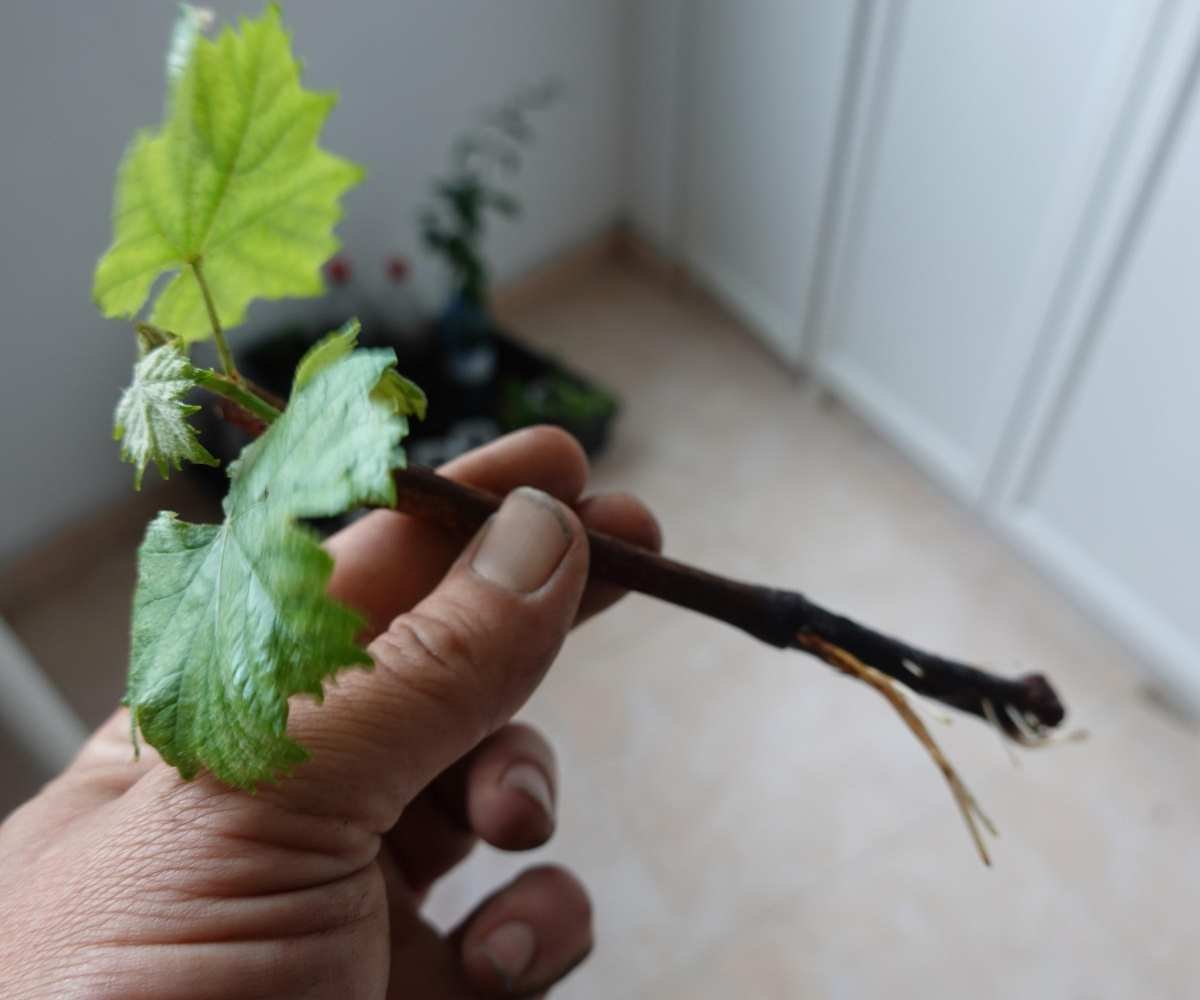
Muscadine grapes can be successfully propagated from cuttings.
Growing Muscadine Grapes from Seed
You can grow new grape plants from seeds taken from harvested fruits. First, separate the seeds from the flesh, then refrigerate them for three to four months. After this, sow them about half an inch deep in a pot with seed sowing compost, ensuring they stay moist in a sunny spot.
Once the seedlings can be handled, pot them up into larger containers until they are ready to be transplanted into the garden. Germination can take a couple of months, and it may take up to a year for the seedlings to grow large enough for their final planting.
Frequently Asked Questions
How long does it take for muscadine grapes to grow?
Patience is essential when growing muscadine grapes, as it can take several years from planting a vine to achieving a significant harvest. The duration will depend on the plant's initial size; larger container-grown plants typically produce fruit more quickly after planting.
Experienced gardener and author John Negus notes that grape vines generally take three years to bear fruit, and many newly planted vines may still be establishing themselves in their second year, fruiting in their third.
Muscadine vines from rooted cuttings may also take three years to produce fruit, whereas those grown from seeds can take up to six years. However, your patience will be rewarded, as muscadine vines become highly productive once established, with vigorous growth of 3-4 feet each season.

John has been a garden journalist for over 50 years and authored four gardening books, giving numerous talks on horticulture.
Growing any type of grape requires regular training and pruning, but the effort is worthwhile. Whether you enjoy the fruit fresh off the vine or transform it into homemade wine, juice, or jelly, the rewards are plentiful.



