
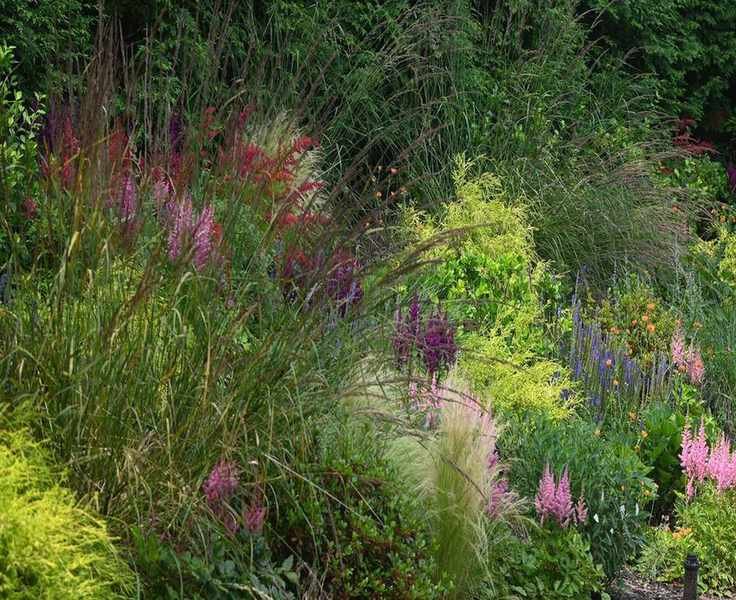
Mosaic planting is gaining popularity among gardening enthusiasts, particularly those who appreciate natural landscape designs. Set to be a prominent trend in 2026, this method emphasizes intentional arrangements rather than merely scattering wildflower seeds.
This approach addresses the common pitfalls of rewilding, where generic wildflower seed packs may not thrive in specific environments. These mixes can lead to overgrown patches dominated by a single species, resulting in a less appealing garden.
Instead of random seed scattering, mosaic planting focuses on thoughtfully selected grasses and perennials. To explore this trend, we consulted with leading landscape designers.
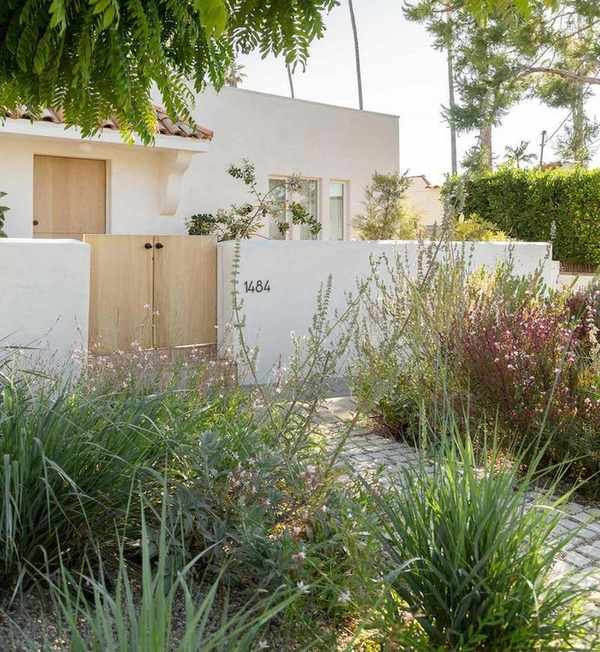
Mosaic planting creates a naturalistic appearance in your garden.
Understanding Mosaic Planting
This trend draws inspiration from the naturalistic designs seen in notable landscapes such as the High Line in New York and the Lurie Garden in Chicago. These locations exemplify self-seeded landscapes that showcase effective naturalistic planting.
Landscape designer Piet Oudolf has transformed the American meadow concept, creating perennial gardens that feature a diverse mix of flowers, grasses, and shrubs, resulting in a harmonious mosaic.
While these gardens may appear to have sprung up naturally, they are actually meticulously designed with plants arranged in swathes to ensure year-round visual interest.
Home gardeners can adopt Oudolf's design principles to create their own smaller mosaic gardens, achieving the meadow effect without the chaos of random seed scattering.
"To achieve the mosaic effect, plant in drifts," suggests landscape architect Laura Janney. "A drift consists of a cluster of the same plant type, creating a flowing aesthetic across the garden like a Monet painting." If space is limited, she recommends using single large perennials rather than multiple smaller plants.
"The High Line style thrives in larger areas, but you can incorporate mosaic elements in smaller beds too, so don't worry about limited space," Laura adds.

Caroline Ervin specializes in landscape design and has been crafting beautiful gardens for over 20 years. Based in Washington, DC, she combines her extensive travel experience with a passion for creating unique outdoor spaces.

Laura Janney is a celebrated landscape architect and CEO of The Inspired Garden Masterclass. Recognized for her innovative designs, she believes that gardens should be vibrant sanctuaries that nourish the spirit.
Why Mosaic Planting is Popular
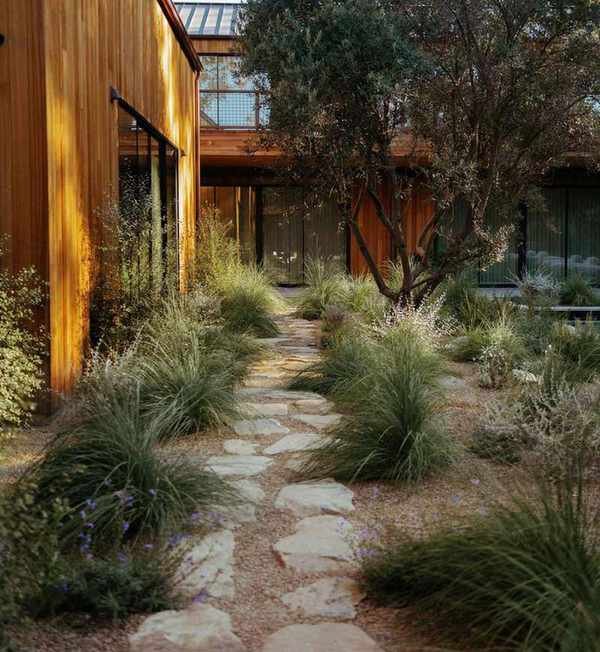
Mosaic planting works beautifully with ornamental grasses.
"This design aesthetic feels organically formed, as if nature crafted it without human intervention," shares Molly Sedlacek, founder of ORCA, a landscape design studio. "Using plants and natural materials authentically reconnects us to the earth."
To achieve a four-season garden, start with a variety of blooming plants for seasonal color, interspersed with ornamental grasses that provide texture alongside more vibrant plants. Correct spacing and layout are essential for a cohesive design.
The trend embraces softer, more spontaneous landscaping, moving away from rigid shapes and straight lines.
"Clients increasingly desire more naturalistic landscapes," Laura notes. "Mosaic planting aligns perfectly with this shift towards nature-inspired designs, leaving behind the overly manicured look."

Molly Sedlacek founded ORCA, where she blends her passion for outdoor design with her community's support, creating stunning landscapes from her unique vision.
Achieving the Mosaic Planting Aesthetic

Repetition enhances the visual appeal of mosaic planting.
Mosaic planting gains visual impact through grouping plants in odd numbers such as three or five. This creates repetition for visual cohesion and guides the eye through the garden.
Begin by listing your chosen plants and sketching a simple layout, ensuring that plants are spaced according to their mature sizes.
"The form and structure of each plant are as crucial as their flower color," Caroline advises. "Consider varying leaf shapes, sizes, and heights to add depth to your design."
Opt for native plants or cultivars suited to your climate to ensure a thriving garden. Matching plants' sunlight and water needs is vital.
Choosing Perennials and Grasses
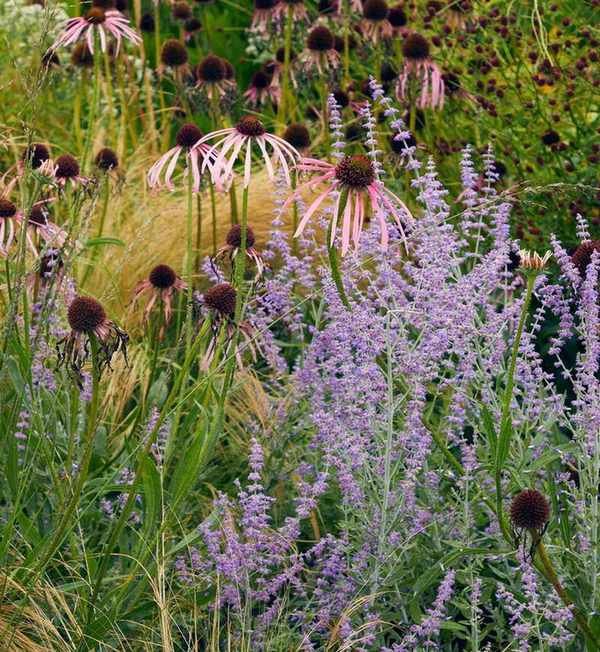
A Piet Oudolf design at Hauser & Wirth in Somerset, England.
For perennials in mosaic planting, Laura Janney recommends:
- Bachelor Button: Charming blue blooms.
- Coreopsis: Delicate, daisy-like flowers.
- Yarrow: Flat blooms with striking texture.
- Coneflower: Versatile flowers that provide vibrant color and seed heads.
- Agastache: Tall stems with delightful fragrance.
- Catmint: Low mounds adorned with tiny purple blooms.
- Russian Sage: Soft, lacy foliage.
- Astilbe: Bold feathery plumes for visual impact.
- Geum: Bright mid-spring color.
Laura also suggests the following ornamental grasses for mosaic planting:
- Calamagrostis 'Karl Foerster': Tall, elegant blooms that shift color throughout the seasons.
- Pink Muhly: Wispy blooms resembling pink clouds.
- Mexican Feather: Fine, soft foliage that glimmers in sunlight.
Creating Structure in Mosaic Planting
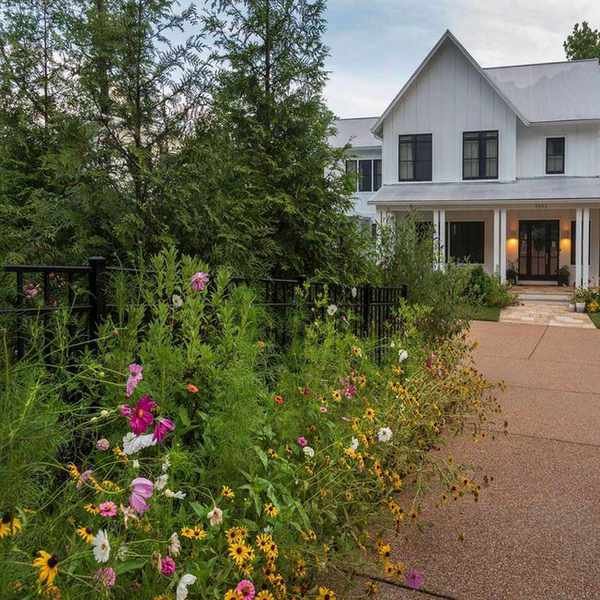
Use evergreen shrubs and tall foliage for added structure.
Incorporate structure into your mosaic planting with clusters of evergreen shrubs or perennials.
"Layer plants of varying heights for visual interest," Caroline recommends. "Taller grasses can provide structure in winter, while shrubs with unique bark enhance the design. Oudolf's gardens typically consist of 70% structural elements and 30% seasonal fillers."
Remember, brown is a color too. Including perennials and grasses that stand tall through winter adds beauty and texture. Early frost on dormant plants like Echinacea creates stunning winter scenes.
Meandering garden paths can also enhance the mosaic planting, offering delightful views throughout the garden.



