
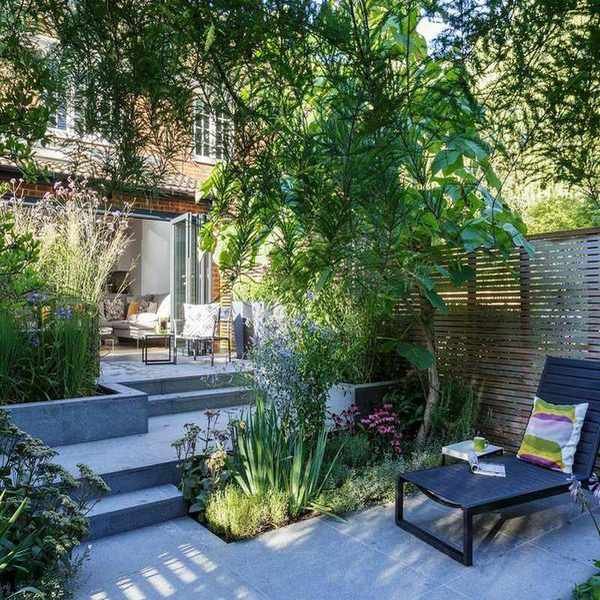
Wondering how to plan a small garden? With a little creativity and smart design, even the tiniest outdoor areas can pack a punch. A well-thought-out garden brings beauty and function, rivaling larger spaces.
Defining a small garden may vary among homeowners, but most of us deal with less space than desired. Fortunately, numerous creative garden concepts exist to make the most of limited areas. Plus, small gardens typically demand less maintenance, saving time and effort.
When aiming to create your dream garden, consider how to personalize your outdoor space without making it feel crowded. Incorporating bold features, vertical gardening—especially in courtyards—and clever design can enhance your small garden's appeal.
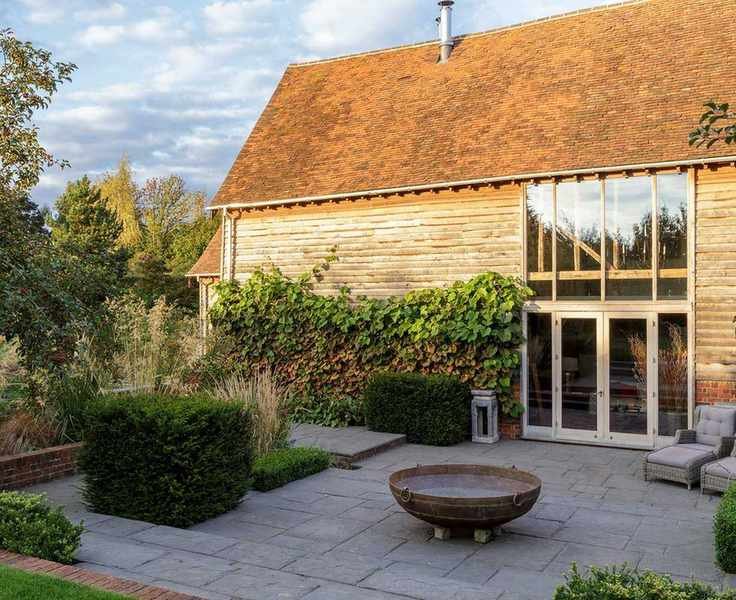
Photography/Mark Bolton
Planning Your Small Garden
1. Find Inspiration for Your Style
Thorough research is essential for transforming your small garden into an attractive, practical space that looks good year-round.
Visit public gardens and open spaces to gather ideas. Events like the Chelsea Flower Show and RHS Hampton Court Palace Flower Show showcase expertly designed small gardens, offering plenty of inspiration.
Once you've settled on a garden style—be it a quaint cottage, urban balcony, or family-friendly space—create a mood board to play with plant types, paint colors, and furniture options.
2. Assess and Measure Your Plot
Whether starting from scratch or redesigning an existing space, outline your small garden layout with a list of desired features and potential challenges to address. Do you need a private seating area or a dining spot? Can you fit a pergola to separate the lawn from the patio? Consider drainage issues and ways to make your space appear wider.
Next, measure your garden and evaluate its potential. Observe sun patterns and anticipate how your garden might change with the seasons. Think about how plants will mature over time.
3. Choose Your Layout Ideas
Depending on your garden's dimensions, establishing a unique layout is crucial. Most successful gardens fit into three basic shapes: circular, diagonal, or rectangular, which can be tailored with plantings to create a personalized touch.
Formal designs feature straight lines and symmetry, while informal gardens lean toward softer, curvy shapes.
4. Sketch Your Ideas
To avoid costly mistakes, draft your garden design on paper before making any changes. Create a scaled sketch and add your ideas using cutouts that you can rearrange. Alternatively, use an online garden planner to visualize your space digitally.
5. Establish Beautiful Boundaries
Small gardens are often enclosed by walls or fences, so careful planning of hard landscaping is essential. Consider implementing small garden decking ideas to create a smooth finish.
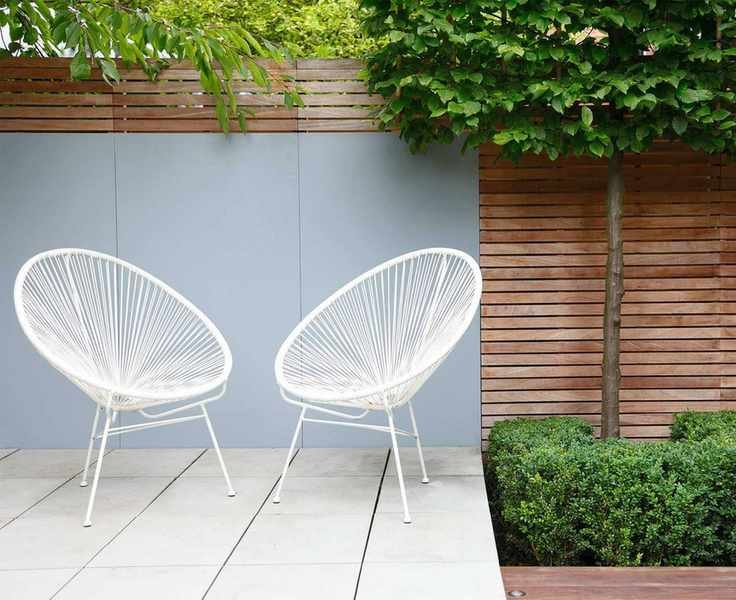
If your view beyond the garden is appealing, let the boundary enhance that outlook. Low fencing can open up the view and create the illusion of a larger space. Opt for traditional picket or modern slatted fencing to allow light to filter through, and consider painting wooden features in vibrant colors to make the greenery pop.
Structures like arches, pergolas, and trellises can add height and privacy.
6. Develop a Planting Plan
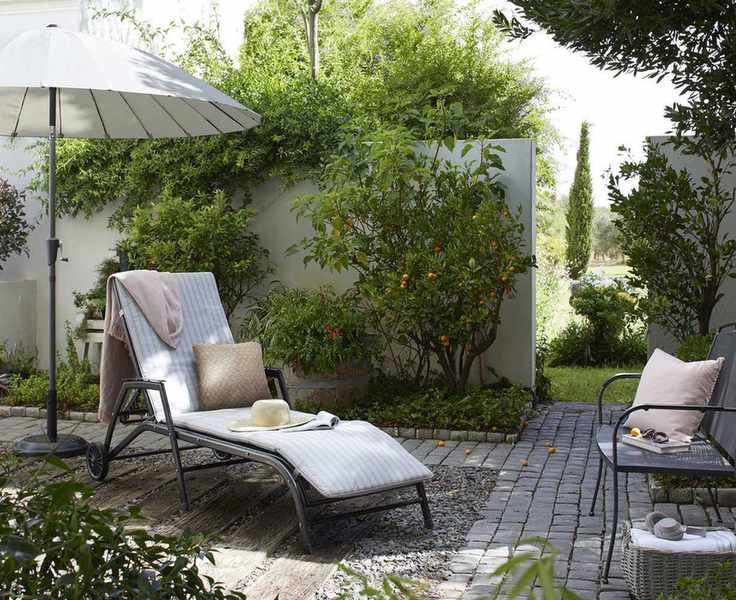
While hardscapes provide structure, your planting choices will introduce character and softness. Allow plants to transition naturally from the borders into the garden, preventing a boxed-in feel.
Research plants' height, spread, and soil needs before purchasing. Stick to a cohesive color palette and select one or two complementary shades, incorporating them into painted furniture or outdoor textiles.
Designing Your Small Garden
In our busy lives, gardens serve as extensions of our homes, regardless of size. To accommodate relaxation and outdoor dining, choose versatile furniture that can be moved easily, especially for roof gardens.
Consider focusing on a central feature or destination, such as a tree, water element, or seating area, to offer a unique perspective when enjoying your space.
Making Your Small Garden Look Inviting
Get creative with optical illusions to enhance your space. These tricks can make a small garden appear larger or more densely planted. Use mirrors to reflect light, or opt for tall plants and climbing flowers to draw the eye upward.
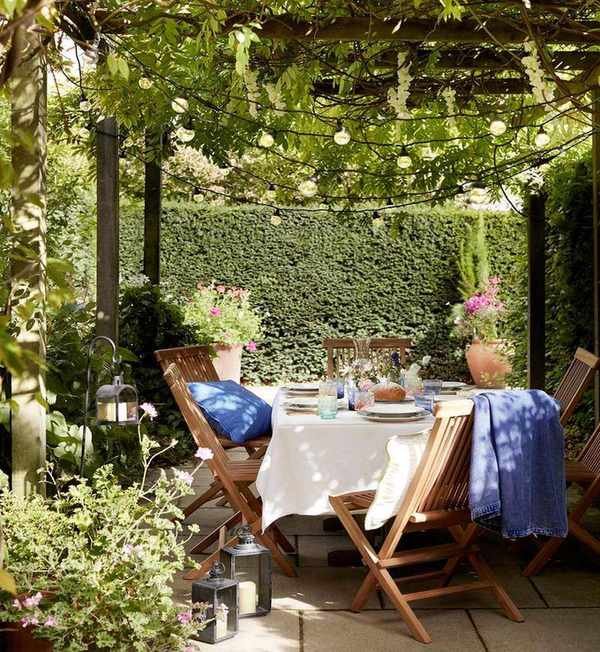
Enhance the atmosphere of your retreat by incorporating stylish outdoor lighting, such as string lights draped across a pergola. Well-placed lighting not only beautifies but also transforms the outdoor vibe.
One designer suggests that small gardens are perfect for layering lighting, as you won't need extensive installations to create a magical ambiance. Consider hanging festoon lights or wrapping trees in fairy lights, and place tea lights around for a cozy glow.
Best Plants for a Small Garden
Embrace the philosophy of less is more when planning your garden. Instead of overcrowding, focus on a few impactful elements, like a couple of space-efficient trees in large pots or a vibrant living wall to introduce height and color.
As one expert notes, a single large pot creates more impact than several smaller ones, preventing clutter. Larger containers can house multiple plants, allowing you to mix flowers and herbs that complement each other.
For a striking display, consider resilient plants that offer bold colors and forms. Mix shrubs such as vitex, hydrangea, or cornus for an appealing getaway. Smaller flowering plants like bidens, tagetes, coreopsis, or crocosmia can provide splashes of color.
Opt for narrow trees, such as taxus baccata fastigiata robusta or ornamental cherry amanogawa, to draw the eye skyward, enhancing your garden's sense of space.



