

Hot days can be enjoyable, but extreme heat can stress your lawn significantly. Maintaining vibrant grass becomes challenging under such conditions, making it essential to know how to prepare and safeguard it.
While standard summer care is vital for healthy grass, heatwaves require extra attention. Landscape contractor Sara Bendrick points out that higher temperatures can lead to rapid moisture loss from both grass and soil. 'Extended heat stresses the turf, causing it to go dormant and turn brown to conserve resources,' she explains. 'This not only impacts the lawn's look but also increases vulnerability to weeds, pests, and diseases.'
Fortunately, there are effective strategies to nurture and protect grass in dry, hot conditions. Below are expert recommendations on what actions to take and what to avoid, including helpful watering advice.
Prepare Your Lawn Ahead of the Heatwave

Don't cut your grass too short before a heatwave.
When a heatwave approaches, you can take steps to prepare your lawn. Sara suggests watering it deeply a few days prior to the heat, as this encourages deeper root growth and enhances drought resistance.
However, skip fertilizing. While it might seem beneficial, new growth requires more water, which is limited during extreme heat.
Adjust your mowing practices as well. Before a heatwave, Matthew Koch, a lawn specialist from ScottsMiracle-Gro, advises maintaining grass at its maximum height to bolster drought and heat tolerance. Sara adds that leaving grass clippings on the lawn can help retain moisture naturally.
Ensure Your Lawn Stays Hydrated
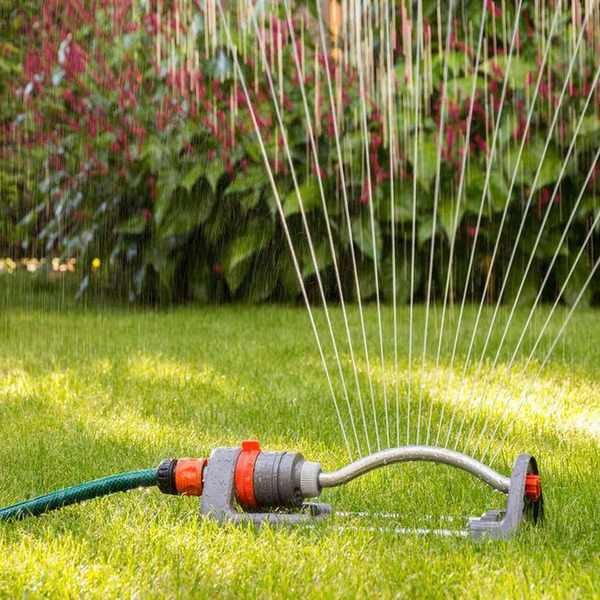
Watering at specific times can benefit your lawn.
It's crucial not to overlook hydration during hot weather. Ryan Walts from Lawn Squad notes that under normal conditions, watering every other day for 20 to 30 minutes per section is usually adequate.
However, during heat or drought, daily watering may be necessary, with cycles lasting 45 to 60 minutes per area.
Brandon Seymour, owner of a lawn treatment service in Florida, advises using your judgment: 'If the turf appears gray or if footprints are visible, it likely needs water.'
To check soil moisture, probe 4 to 6 inches down. If it's dry, it's time to water again.
Timing is also vital. 'Watering early in the morning (between 4 a.m. and 9 a.m.) is optimal as it's cooler, leading to less evaporation and better absorption,' Sara points out. This practice helps the grass dry out during the day, reducing fungal disease risk.
'Consider smart irrigation systems or programmable timers to maintain consistent early-morning watering, even on busy days or while away,' she adds. For larger properties, drip or subsurface irrigation can enhance water efficiency in drought conditions.
 Amazon's Choice
Rainpoint Programmable Water Timer for Garden Hose
This top-rated timer allows you to set the start time, duration, and frequency of watering, making lawn care simpler during hot spells.
Melnor Turbo Oscillating Sprinkler
Featuring 20 nozzles, this sprinkler can cover up to 4,500 sq ft. It easily adjusts the area you want to irrigate, allowing you to focus on specific patches rather than soaking the entire lawn.
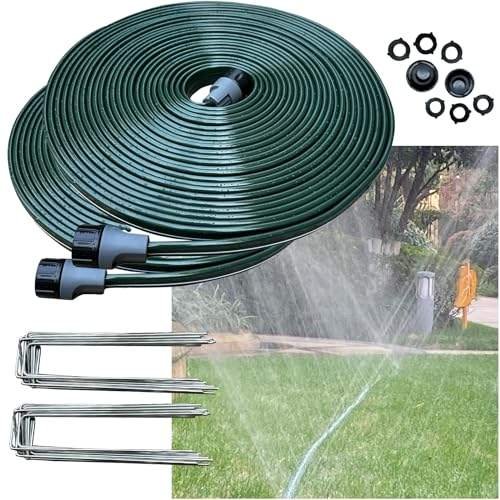 Most versatile
Watoo Flat Sprinkler Hose
This lightweight hose is ideal for lawn watering, as it's portable and delivers a gentle spray. It also works well for other areas of your yard.
Additional Strategies for Lawn Protection During Heatwaves

Avoid excessive foot traffic on your lawn in hot weather.
When facing soaring temperatures, resist the urge to mow too short. Dethatching or aerating should be avoided as well; 'these disturb the soil and roots when the lawn needs stability,' warns Sara.
Brandon also advises against using any fertilizers or herbicides that may harm your grass. 'Many products have temperature restrictions, so be cautious on warmer days,' he says.
Though it might seem ideal to enjoy your lawn during a heatwave, minimize foot or vehicle traffic. Ryan explains that repeated pressure can damage delicate plant parts and lead to soil compaction, which limits water, air, and nutrient flow essential for grass roots.
Top tip: 'Using temporary shade cloths can help protect sensitive areas from direct sunlight,' suggests Sara.
Grass Variety Considerations
Are some grass types better suited for heat?
When selecting grass seed, consider your climate. Sara notes that cool-season grasses like fescue and bluegrass tend to go dormant, while warm-season types like Bermuda manage heat better but still require protective measures.
How can you assist your lawn's recovery post-heatwave?
Hopefully, your lawn will endure the hottest weeks without damage. If it appears a bit worn, give it time to recover.
Sara recommends resisting the temptation to fertilize or force recovery immediately. 'Focus on gradual healing: resume regular watering, consider overseeding thin areas, and support root health before encouraging new growth.'
With these strategies in hand, you're better equipped to handle rising temperatures. If hot weather is common in your area, it may be worthwhile to explore drought-tolerant landscaping options. Xeriscaping and incorporating drought-resistant plants can create stunning designs with significantly less maintenance.



