Considering mulching your lawn with grass clippings? This practice can significantly boost your lawn's health and simplify your maintenance routine.
Mulching involves placing natural materials on the soil surface to minimize weeds, nourish the earth, and retain moisture. It's a natural way to enrich the soil and foster plant growth, while also reducing tedious tasks like weeding and watering.
If you're interested in adding this to your lawn care habits, we've gathered insights from specialists who highlight its numerous advantages.
Advantages of Using Grass Clippings for Mulching
Grass thrives on nutrients, making clippings an excellent mulch option as they decompose, providing food for the soil and supporting earthworms.
'Using grass clippings as mulch is a fantastic way to conserve energy and resources while maintaining your lawn,' states Susan Brandt, co-founder of a gardening resource. 'It can also lower water consumption and suppress weeds, while enhancing soil structure for healthier grass over time.'
John Thomas, who runs a lawn care blog, concurs: 'Applying grass clippings is one of the easiest and most economical methods to enrich soil quality. As they decompose, these clippings add vital nutrients, improve soil health, and decrease reliance on chemical fertilizers.'
To ensure effective mulching, John advises, 'Make sure your mower finely chops the clippings. Avoid leaving large clumps, as they can harm your lawn.'
If your mower doesn't have a mulching feature, you can either bag the clippings or spread them directly back onto the lawn.
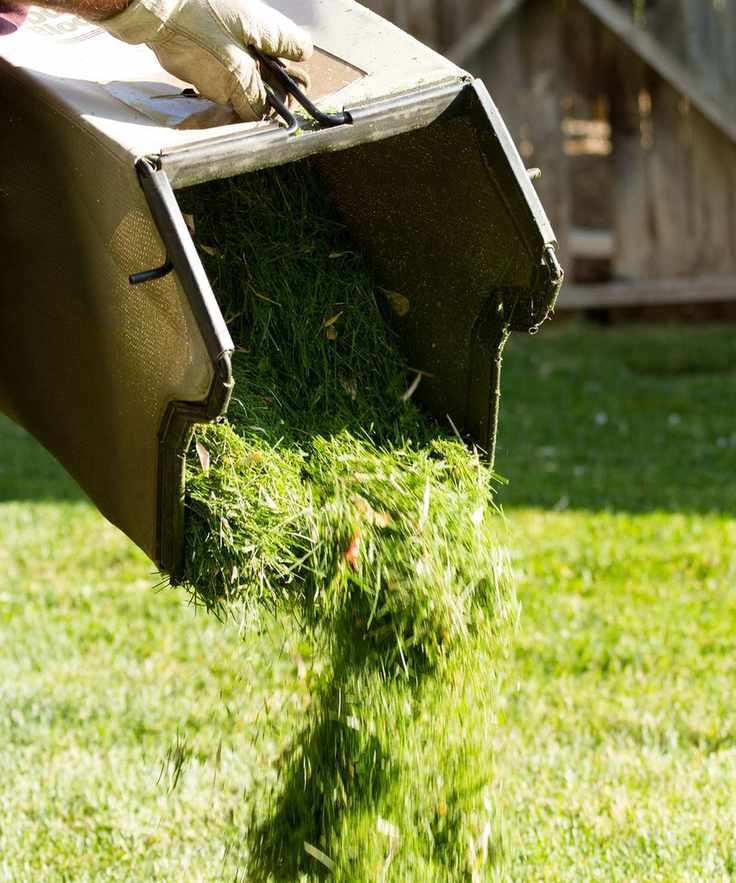
Incorporating grass clippings into your lawn boosts soil quality.
Possible Drawbacks
While grass clippings are rich in nutrients, a few precautions are necessary when mulching.
Mowing wet grass can create clumps that block sunlight, leading to poor conditions for the plants beneath and risking rot. For best results, mow when the grass is dry, and if it's damp, rake the clippings to separate them and allow them to dry.
'Using grass clippings can be cost-effective and beneficial for the soil,' notes Lina Cowley, a gardening expert. 'However, be cautious of risks like spreading weeds and diseases.'
Before mowing, ensure to remove stubborn weeds such as bindweed or dandelions, as mower blades can fragment roots and facilitate their spread.
'Consider the grass type, sunlight exposure, and other environmental factors that could influence the effectiveness of mulched clippings,' adds Susan Brandt.
Moreover, a thick layer of clippings can trap moisture and heat, which may hinder airflow, creating conditions ripe for fungal infections and lawn diseases. If untreated, these can manifest as unsightly yellow or brown patches.
Optimal Season for Grass Clipping Mulching
Using clippings as mulch is an excellent method to reinstate nutrients, but it's best applied during the peak growing season. Grass requires time to recover from dormancy before it can benefit from fertilization.
Stop mulching by mid-fall to avoid frost damage since fallen clippings can insulate the grass, preventing it from entering natural hibernation and exposing it to cold stress.
Common Questions
Should I bag or mulch grass clippings?
If you're mowing during the peak growing season, regularly mowing and leaving a fine mulch of clippings is advisable.
Reece L from a gardening site states, 'Mulching with grass clippings is a great way to provide nutrients and minimize waste. Use a mulching mower and cut frequently to ensure clippings are small enough for quick decomposition. Avoid leaving large clumps, as they can smother the grass and create patchy areas.'
By following a few simple guidelines, mulching your lawn with grass clippings can offer numerous benefits.
It can enhance soil nutrients, leading to a greener, thicker lawn while reducing the time spent weeding. Utilizing grass clippings is a smart strategy for lawn care.