Hummingbirds, tiny wonders found across North, Central, and South America, captivate us with their beauty. These birds are frequent visitors to backyards, buzzing around nectar-filled flowers and showcasing their speed and agility. Their presence indicates a healthy garden environment that attracts native species.
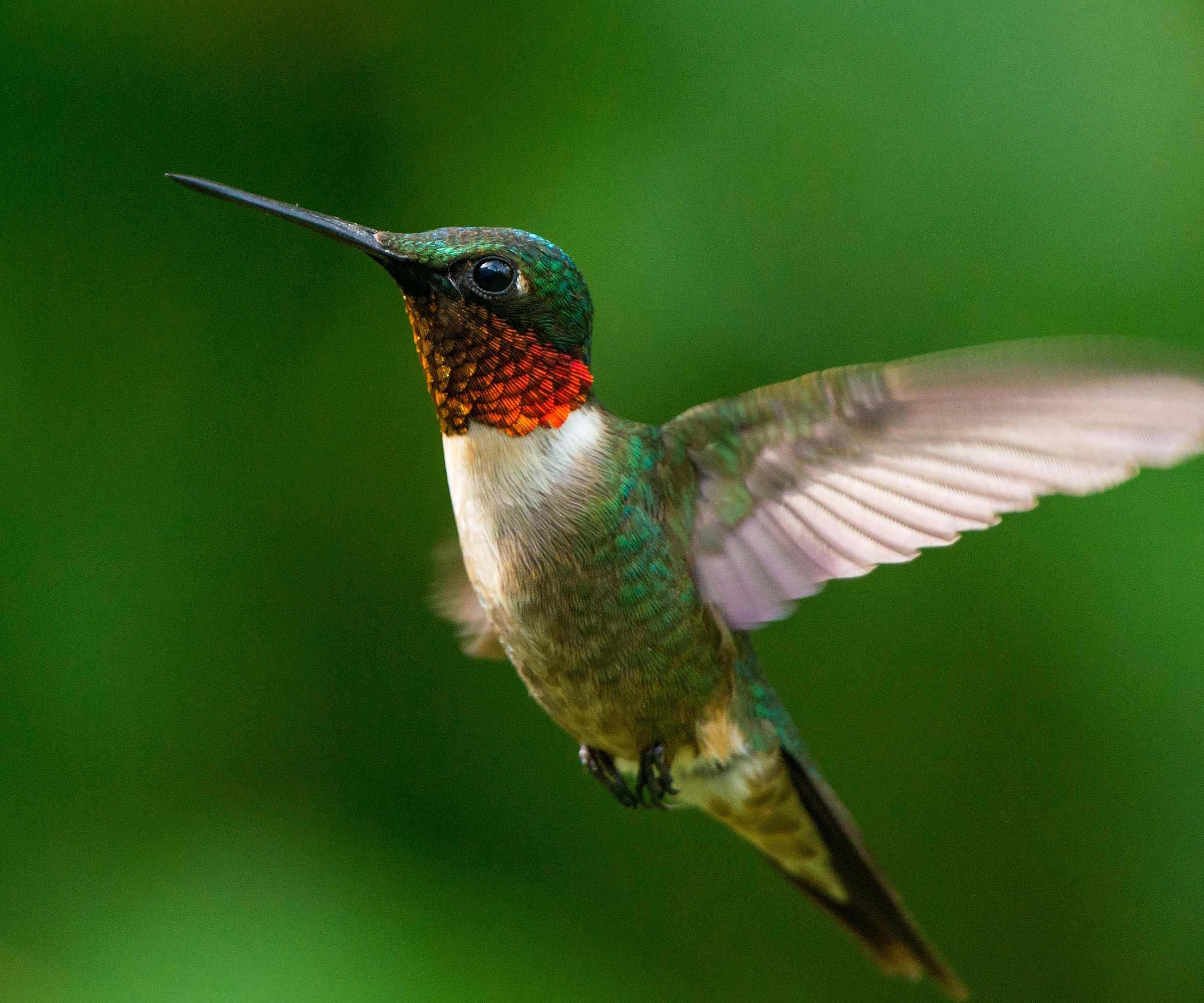
As summer wanes, many hummingbird species from the U.S. begin their southward migration to escape the cold winter. This journey can span up to 4,000 miles from Alaska to Mexico. A notable example, the ruby-throated hummingbird, Archilochus colubris, weighs less than 3 grams but can cover 500 miles in less than a day, proving that size isn’t everything.
Despite their charm, over 191 hummingbird species are experiencing population declines. Fortunately, you can support these birds during migration with a few easy steps. If you're seeking wildlife garden ideas, these tips will significantly benefit all birds, including those migrating warblers.
Ways to Support Hummingbird Migration
During late summer, hummingbird migration takes place across the U.S., making it possible to spot these colorful pollinators on their journey south.
In northern regions, like Alaska and Michigan, this migration occurs earlier than in southern areas such as California or Florida, where some hummingbirds may even choose to winter.
Most hummingbirds remain in warmer climates until spring, returning when temperatures rise. Depending on your location, you may not see them again until April or May.
There are roughly 15 native hummingbird species that migrate annually between the U.S. and Central America. The U.S. Fish and Wildlife Service emphasizes the necessity for these birds to have adequate food supplies along their route. Here are some expert tips on how to help.
1. Preserve Flower Stems
Hummingbirds require energy for their migration, capable of reaching speeds up to 30 mph. They need to feed continuously, with species like the ruby-throated hummingbird visiting over 1,000 flowers daily. Thus, providing ample flowers is essential.
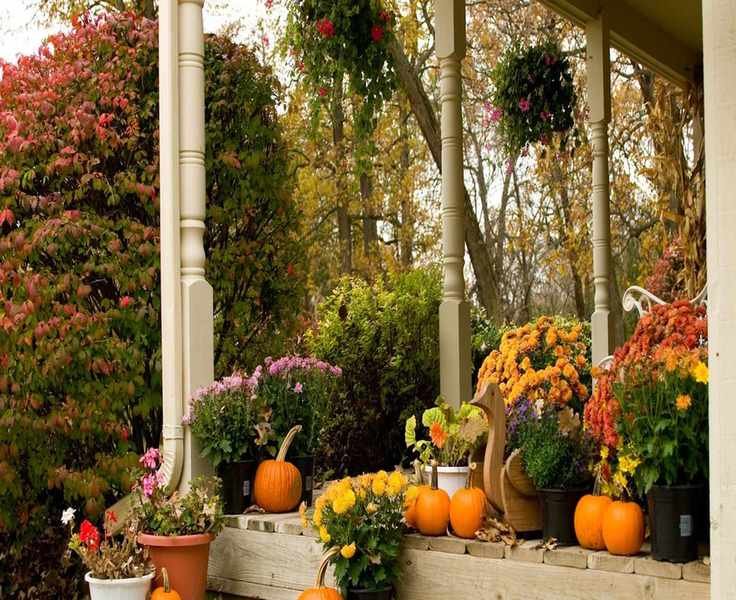
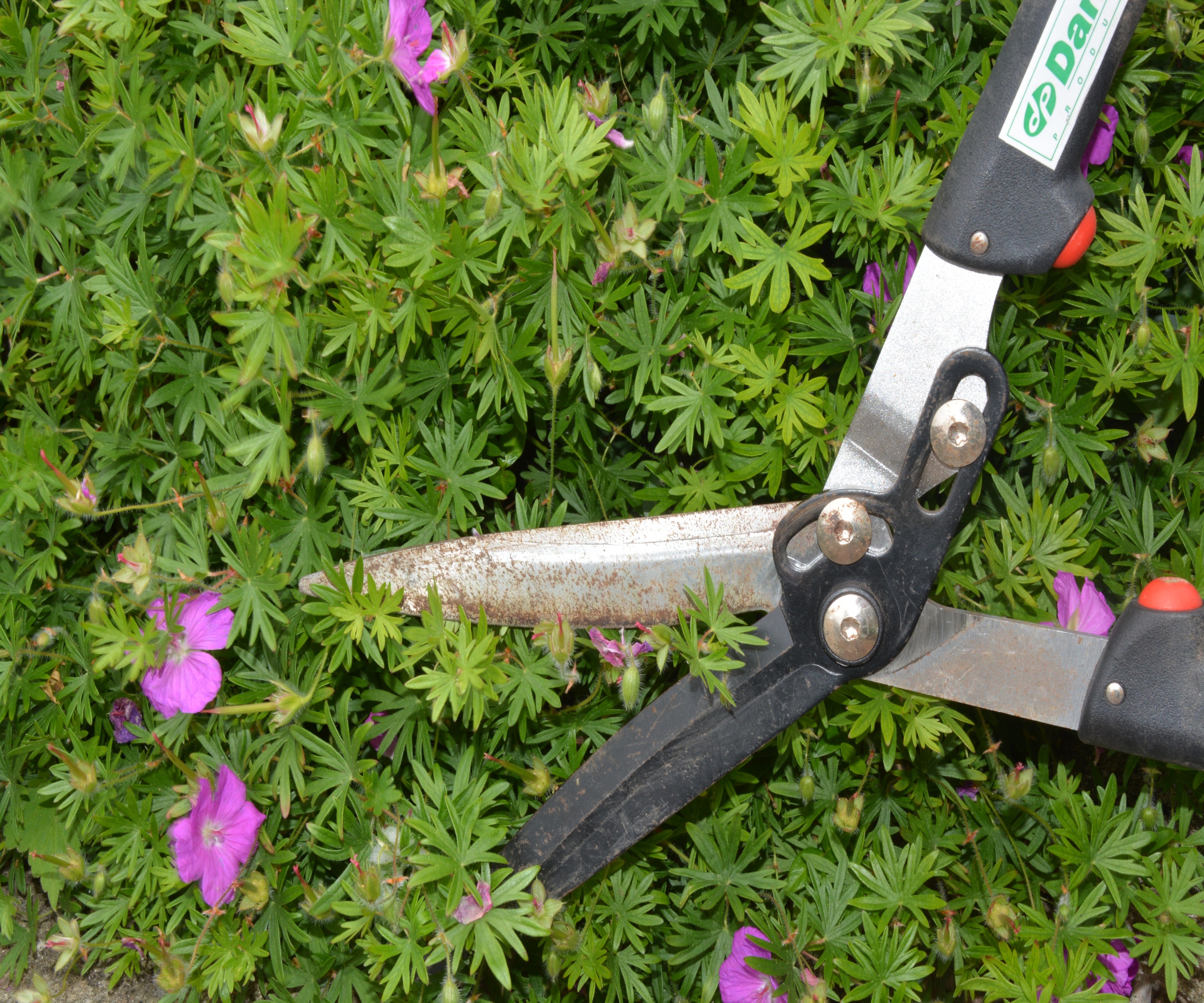
“We can assist migrating hummingbirds by growing plenty of native flowers and leaving flower stems intact late into the season,” says Reese Robbins, a gardening expert. “Plant late-blooming, nectar-rich perennials like salvia, bee balm, and trumpet vine to offer them plenty of feeding options.”
“Avoid using chemicals or pesticides on your plants, as insects are a crucial protein source for hummingbirds,” Reese adds. Native black-eyed susan live plants are available from Amazon, providing a nutritious snack for passing hummingbirds.
“There are numerous native flowers that attract hummingbirds,” says wildlife expert Melissa Lackey. “In Florida, they enjoy nectar from flame vine, fire bush, or the firecracker plant. Just be sure to leave blooms and stems until fall.”
“Fill your garden with red tubular flowers, and migrating hummingbirds will be drawn to them,” Melissa advises. Another attractive option is vibrant lantana plants, available to order from Amazon.
A recent study from the University of Wyoming highlighted the significance of native plants, noting that many hummingbird species are specialists that rely on specific flowering plants. Therefore, cultivating native plants in our gardens is essential.
2. Offer Water and Nectar

Consider adding one or two hummingbird perches in your yard. These provide a safe resting spot for visiting hummingbirds where they can observe their surroundings.
“Hummingbirds need breaks during migration,” Reese Robbins explains. “Safe perch options are available, like these hummingbird swings from Amazon.”
“Also, having a couple of hummingbird feeders is beneficial,” Reese suggests. “Ensure feeders are clean and filled with fresh sugar water (1 part sugar to 4 parts water) to provide essential energy for the birds during their journey.” You can also purchase hummingbird nectar online from Amazon.
Lastly, maintain a water source in your yard. “A shallow birdbath is excellent, keeping hummingbirds hydrated and cool during their travels. Remember to change the water often to avoid mold growth,” Reese advises.
3. Reduce Collision Risks
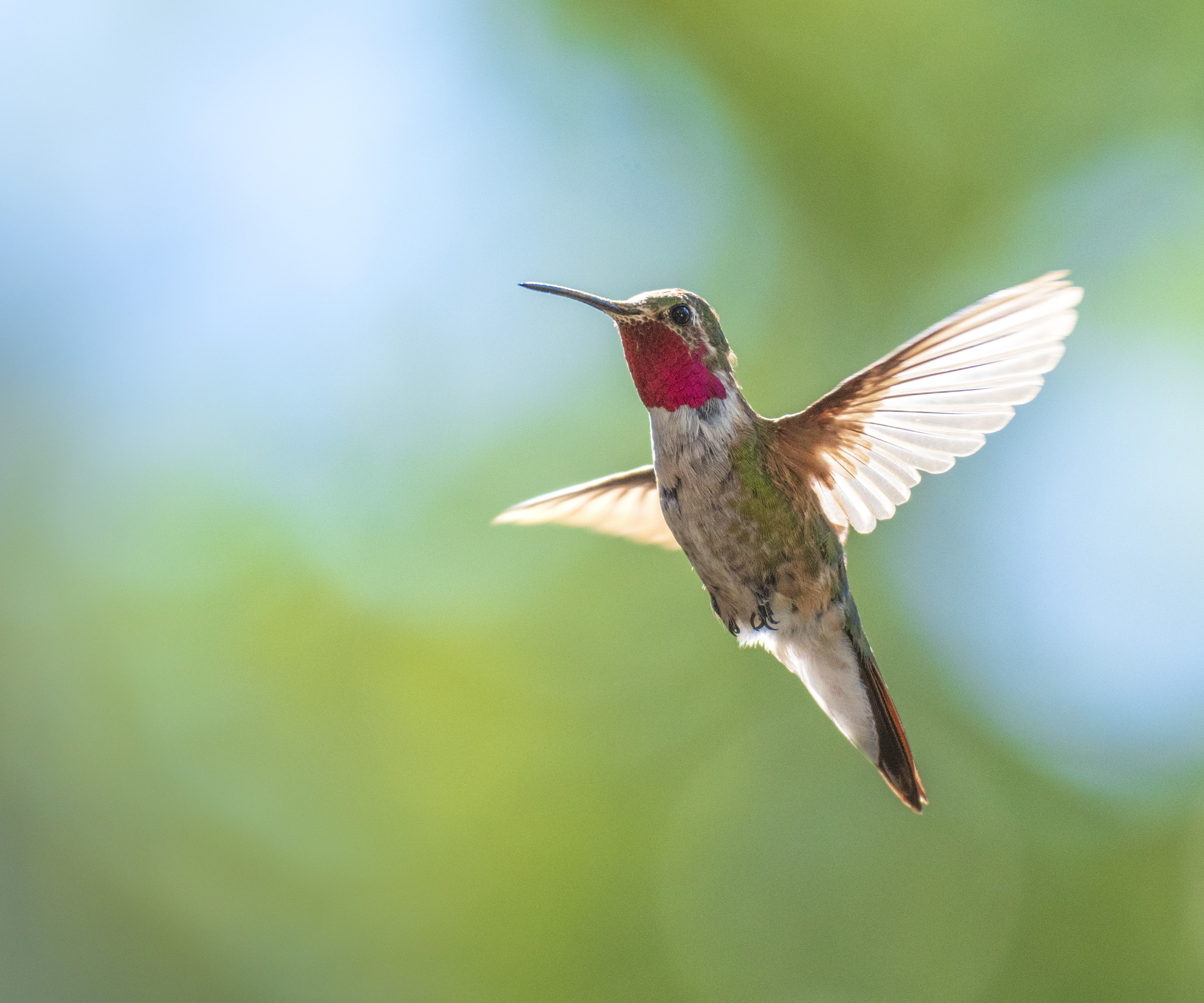
New environments can confuse migrating birds, leading to fatal collisions with windows or structures. Research by the U.S. Fish and Wildlife Service and the Smithsonian Institution estimates that between 365 million and 1 billion birds die each year in the U.S. due to such collisions. A simple solution is to use anti-collision window decals from Walmart to help birds avoid your windows.
Additionally, “migrating birds rely on dark skies when traveling at night,” Melissa Lackey notes. “Bright lights can disorient them. Try dimming or turning off lights where possible.” If you have uplighting or festoon lights, limit their use as summer ends to assist migrating birds.
“This is especially crucial in September when migration peaks,” Melissa emphasizes. “Keep outdoor lighting off or direct it below a 90-degree angle.”
4. Observe Different Species
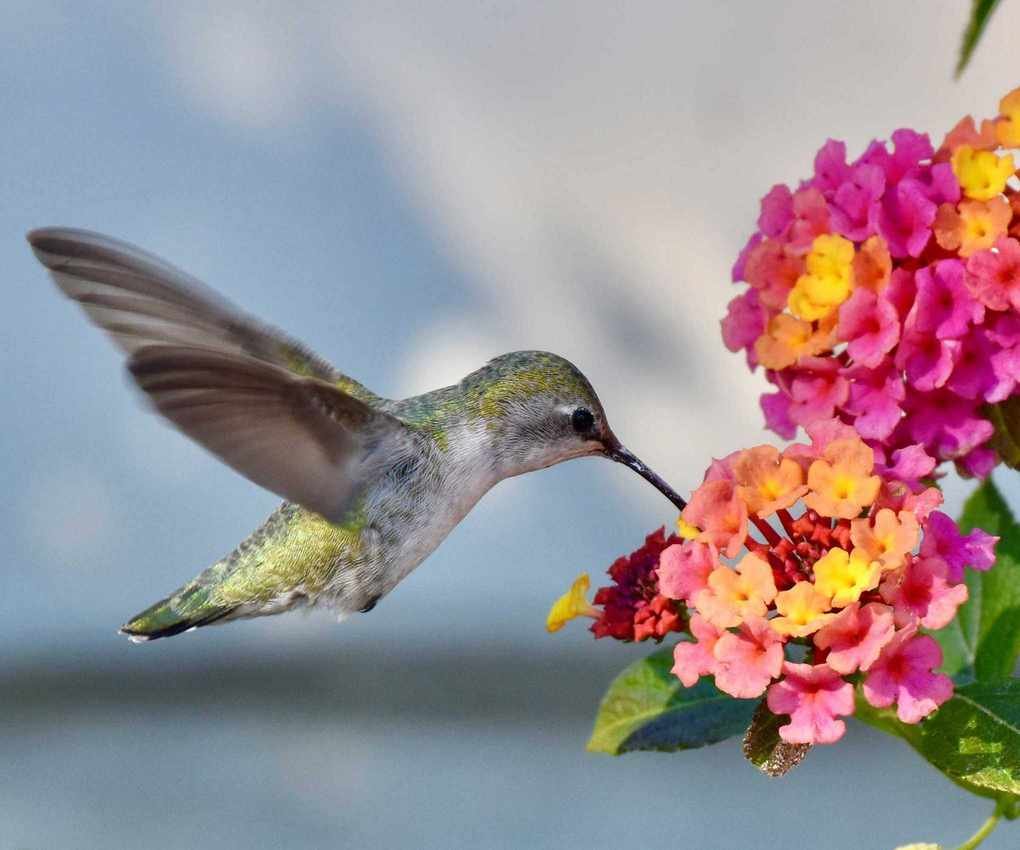
If you enjoy watching these tiny marvels, consider participating in birdwatching this season. Monitoring species in your yard contributes to vital research on flight paths and populations of native hummingbirds. The National Parks Service offers more information on hummingbird monitoring.
If you’re interested in wildlife photography, think about getting a hummingbird feeder camera. These devices allow you to capture stunning close-up images of migrating hummingbirds. Hummingbird feeder cameras are available from Amazon.
FAQs
When do hummingbirds return north?
Hummingbirds typically winter in Mexico and Central America. They begin their northward return in late winter and early spring, arriving in southern areas around February and March, with northern regions seeing them by April and May.
Are cats a danger to migrating hummingbirds?
Cats can pose a threat to many garden birds, including hummingbirds. Ensure that feeders, perches, and baths are placed out of cats' reach or supervise your pets outdoors.
Now’s the time to grab your binoculars and enjoy the sights in your yard. By following these straightforward steps, you can witness and appreciate hummingbirds in all their glory. For further wildlife insights, check our guide on caring for hummingbirds in winter, or explore our feature on the monarch butterfly migration, another incredible journey to Mexico each summer.