

As winter approaches, many of us start paying closer attention to our energy expenses. Surprisingly, some of the appliances we rely on the most contribute significantly to those mounting costs.
Understanding which gadgets consume the most energy is crucial. Adopting smart strategies can help reduce energy costs at home.
Experts have identified four appliances that tend to inflate energy bills, along with practical tips for saving money.
Most Energy-Intensive Appliances to Watch
While investing in energy-efficient appliances is a smart choice, there are also adjustments you can make with your current devices to maximize their efficiency.
1. Tumble Dryers

Tumble dryers are essential for many households, yet they rank among the priciest appliances to operate, according to appliance specialist Andrew Meyer.
"While tumble dryers effectively dry clothes quickly, consider air drying whenever possible. If that's not feasible, choose specific days for laundry to consolidate loads, which can ultimately save energy," Meyer advises.
He also recommends using a dry towel in the dryer to help speed up drying, a well-known trick for enhancing moisture absorption.
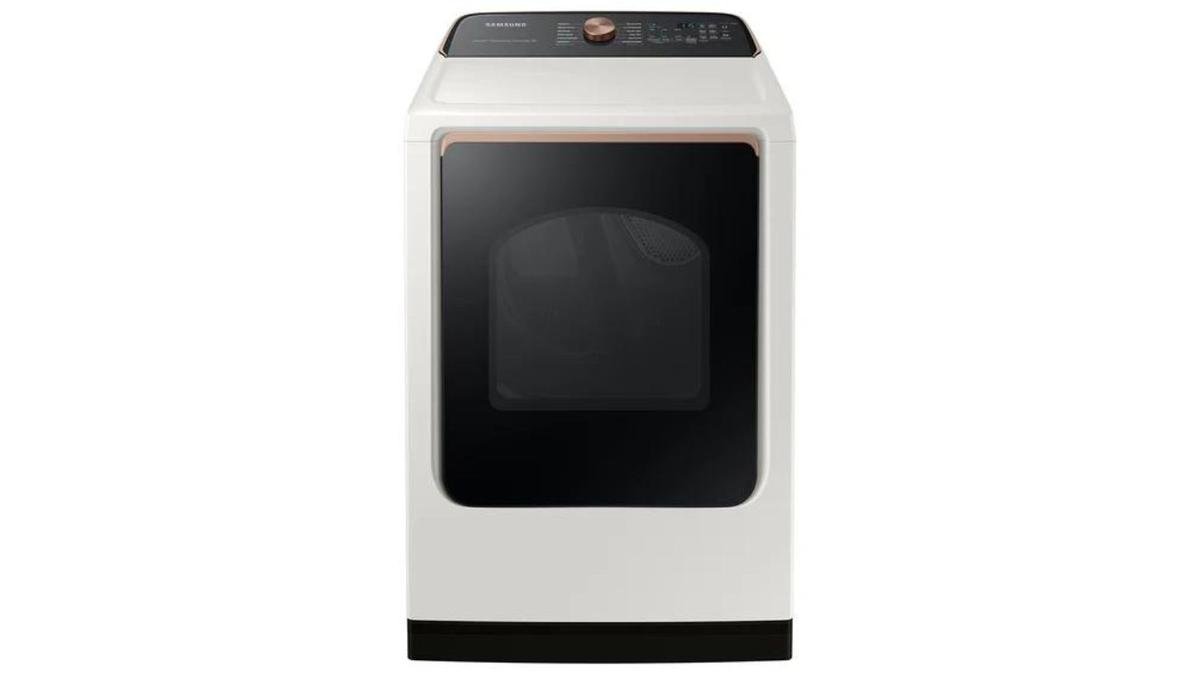
Samsung Smart Dryer with Sanitize
This model is highly rated for its energy efficiency, ideal for those looking to cut down on energy bills year-round.
2. Refrigerators and Freezers
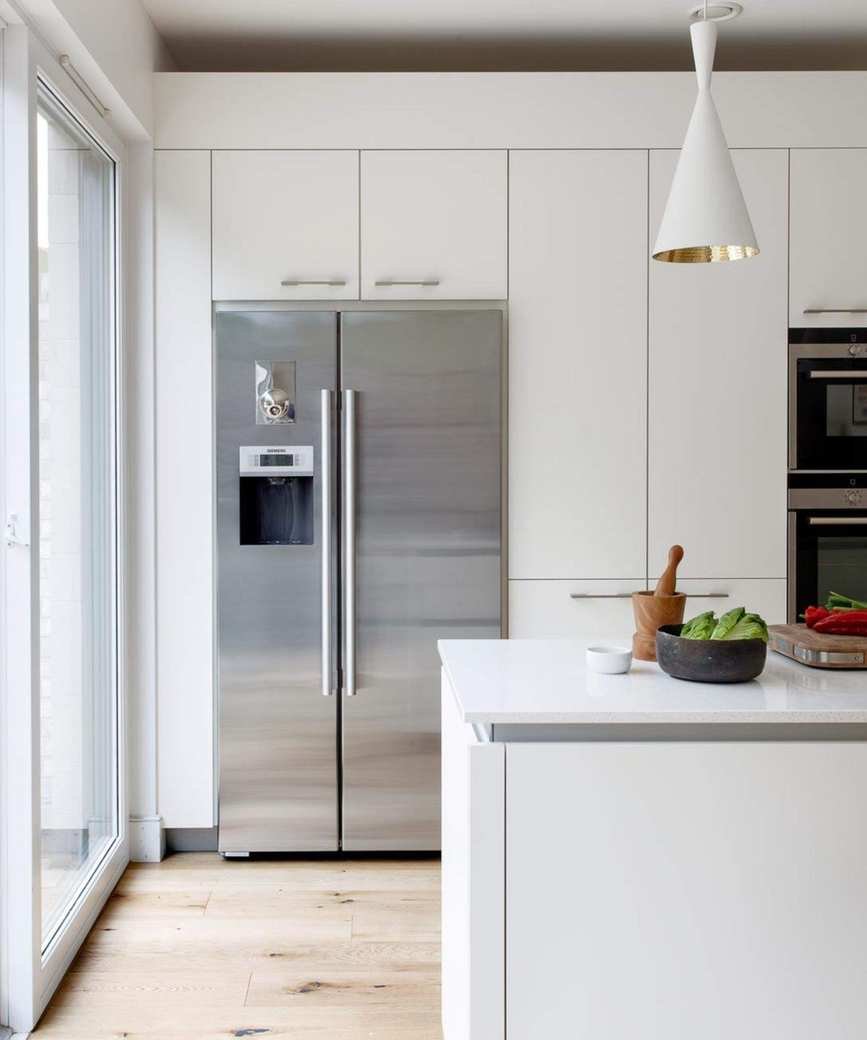
Refrigerators and freezers run continuously, making them significant contributors to higher energy bills, says Karolina Attspondina, co-founder of a solar energy company.
She suggests ensuring these appliances aren't set excessively cold, which can cause them to work harder than necessary. Familiarizing yourself with organization tips for your fridge can also help manage temperature zones and reduce food waste.

Karolina Attspodina, a prominent entrepreneur based in Berlin, focuses on making solar energy accessible for both renters and homeowners.
3. Air Conditioning Systems
Built-in HVAC systems can be costly to operate throughout the year. Home improvement expert Anthony Carrino offers tips for enhancing their efficiency:
"Establishing a seasonal maintenance routine for your HVAC system ensures it runs smoothly. Regular cleaning helps decrease energy usage, leading to lower monthly bills. If you notice any unusual issues, such as strange noises or thermostat malfunctions, reach out to a professional for guidance on how to proceed."
Additionally, familiarize yourself with the optimal temperature settings for your AC and consider turning it off at night to save energy.
4. Stoves and Ovens

Cookers and ovens also contribute to elevated energy bills, according to Attspondina.
To minimize costs, select efficient cooking appliances and consider using energy-saving alternatives like air fryers, which typically consume less energy than traditional ovens.
For existing appliances, she recommends using appropriately sized pots and opting for smaller cooking devices like microwaves or toaster ovens when possible. Ensure your oven's door seal is secure to prevent heat loss and avoid overworking the appliance.
Additional Considerations
Do electric kettles consume a lot of electricity?
Electric kettles require some energy to heat water, but they are often more efficient than using a stove or microwave. By only boiling the amount of water you need and using an energy-efficient kettle, you can significantly lower your energy use.
Does a washing machine use a lot of electricity?
Washing machines can vary in energy usage based on their model and age. Generally, they consume a fair amount of energy due to their multiple functions. To reduce costs, consider choosing the most energy-efficient washing machine and running shorter, cooler cycles less frequently.
In addition to these major energy users, there might be energy-draining appliances in your home that can add to your bills. Identifying and turning off these devices when not in use can lead to further savings.


